Genres
Artists
Albums
Make Music
Sign in
Sign in
Artists
Big Beat
Artists
Big Beat
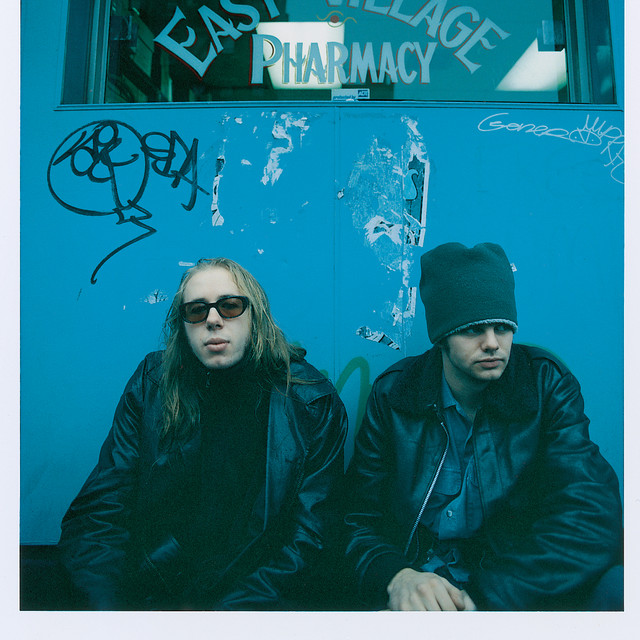
Basement Jaxx
1999–2005
·
6 albums
Listen
4
/5
Genres
Aussie Drill
Aussie drill is the Australian take on drill rap, fusing the dark, minor‑key production and sliding 808s of UK drill with local slang, Pacific Islander and Western Sydney street culture, and distinctly Australian accents. Typical tracks sit around 135–145 BPM, with syncopated hi‑hats, counter‑snares, and gliding 808 basslines beneath ominous piano, string, or choral stabs. Vocals are baritone‑leaning, aggressive, and often chanted by crews, with call‑and‑response ad‑libs and postcode shout‑outs that emphasize group identity and territorial pride. Lyrically, the style centers on loyalty, everyday struggles, rivalry, and social realities, but also includes aspirational and reflective moments. The sound rose quickly via YouTube and streaming platforms in the late 2010s, turning local crews into national talking points while drawing scrutiny from authorities and mainstream media.
Discover
Listen
Digital Horror
Digital horror is a contemporary horror aesthetic that focuses on dread emerging from networked technologies, software, and always‑on media. Narratives and sound worlds revolve around screens, social platforms, livestreams, malware, deepfakes, and the uncanny presence of algorithmic systems. In music and sound design, the style translates this fear of the digital into glitching textures, corrupted audio artifacts, synthetic drones, and the weaponization of familiar interface sounds (alerts, keyboards, notification pings). It often blends dark ambient, industrial noise, and hauntological sampling to suggest threats that live inside code, clouds, and data centers—consistent with the wider definition that emphasizes anxiety and supernatural menace arising from the Internet and modern media.
Discover
Listen
Experimental Club Music
Experimental club music (often called post-club or deconstructed club) is a hybrid, avant‑garde approach to club production and performance that treats the dancefloor as a laboratory. It uses the grammar of contemporary club forms—heavy sub‑bass, kick patterns, samples, MC or chopped vocals—as raw material to be cut apart, collaged, and reassembled. Instead of four‑to‑the‑floor regularity, it favors asymmetry, abrupt contrasts, negative space, and extreme sound design drawn from noise, industrial, grime, ballroom/vogue, reggaeton, and internet culture. The result ranges from skeletal, percussive workouts to dense, cinematic soundscapes that can be as confrontational as they are cathartic. Just as importantly, the scene has been a site of diasporic, queer, and trans expression, where identity and politics are embedded in sonic choices and performance practice.
Discover
Listen
Flint Sound
Flint sound is a contemporary Michigan rap style centered in Flint, United States. It is characterized by fast, minimal, piano- or organ-led beats, dry and upfront vocals, and bar-by-bar “punch‑in” delivery that often rides slightly ahead of or behind the grid for a conversational, off‑kilter feel. The production typically favors bright piano loops, staccato 808 slides, crisp claps or rimshots, and sparse percussion, leaving plenty of space for relentless punchlines, gritty street reportage, and mischievous humor. While hard-edged and streetwise, the style frequently leans into charismatic personality and wit, making it both aggressive and infectious for dancing.
Discover
Listen
High Vibe
High vibe is a contemporary, wellness-oriented microgenre that blends uplifting pop songwriting with gentle electronic textures and spiritually tinged lyrics. It emphasizes positivity, gratitude, self-empowerment, and connection to nature, often employing soothing vocal timbres, airy pads, acoustic guitars or piano, and light, mid-tempo grooves. The production is spacious and warm, favoring reverb-washed atmospheres, soft percussion, and subtle world-influenced instrumentation to create a sense of calm elevation. While rooted in pop accessibility, high vibe draws on new age and devotional traditions, bringing mantra-like hooks and affirmational refrains into modern indie and electronic frameworks.
Discover
Listen
Speedrun
Speedrun is a gaming-adjacent EDM microgenre designed for adrenaline, focus, and momentum. It blends hyper-energetic drops with catchy, game-like melodies and rapid switch‑ups that mirror the pace and tension of timed gameplay. Typically sitting between 140–175+ BPM, the style pivots between half‑time dubstep weight, electro/complextro riffing, glitchy fills, and drum & bass acceleration. Producers favor bright, synthetic leads (often with chiptune flourishes), tightly sidechained supersaws, and animated bass design that stays clean and punchy for streaming. The mood is triumphant, high‑octane, and “level‑up” cinematic—made to keep speedrunners and viewers locked in.
Discover
Listen
Glitchcore
Glitchcore is an internet-born microgenre that fuses pop-forward songwriting with hyperactive, digitally mangled sound design. It is characterized by bitcrushed and over-distorted synths, stuttered edits, sudden beat-switches, and heavily pitch-shifted, Auto-Tuned vocals. Arrangements tend to be short, hook-centric, and maximalist, often compressing multiple sections and textures into tracks that last 90–150 seconds. The genre borrows the emotive directness of emo rap and bedroom pop, the rhythmic backbone of trap, and the candy-coated sheen of hyperpop and bubblegum bass, while leaning into deliberate digital artifacts—glitches, dropouts, resampling, and hard clip distortion—as expressive tools. Culturally, glitchcore is inseparable from online communities (Discord, SoundCloud, TikTok), where rapid iteration, meme literacy, and DIY production workflows shaped its sound and aesthetics.
Discover
Listen
Beats
Beats is a loose, producer-driven category for rhythm-forward instrumentals built around hip‑hop drum patterns without necessarily being rap songs or featuring vocals. It functions as an umbrella for stock, "type," and backing tracks used by rappers, singers, streamers, and content creators, spanning boom‑bap swing to trap hi‑hat grids and R&B‑leaning grooves. On streaming platforms it often appears as standalone instrumentals packaged by tempo, mood, or artist style (e.g., “trap type beat,” “R&B instrumental,” “club beat”), prioritizing portability and utility over artist identity. While rooted in hip‑hop production aesthetics—kicks, snares, 808s, chopped samples—Beats blends downtempo, electronic, and contemporary R&B sensibilities, aiming for clarity, loopability, and immediate vibe.
Discover
Listen
Grimewave
Grimewave is a hybrid microgenre that fuses the cold, skippy rhythms and sub-bass pressure of UK grime with the cinematic, reverb-laden atmospheres of the modern “wave”/ambient-trap continuum. It typically runs at grime-leaning tempos but borrows the widescreen pads, washed-out textures, and melancholic tone of wave and witch house. Producers favor skeletal, syncopated drum programming, sine and Reese sub-basses, and minimal but striking motifs—glassy bells, detuned synth chords, and distant vocal chops—leaving space for mood and bass weight to carry the track. Some cuts remain instrumental; others invite sparse grime/UK rap flows, with verses delivered over half-time lurches and foggy, nocturnal soundscapes.
Discover
Listen
Uk Jackin
UK jackin is a bass-forward strain of house and UK garage that emerged in the UK during the early 2010s. It blends the swing and shuffle of garage with the chunky, percussive drive of house, emphasizing rubbery low‑end riffs, organ stabs, and chopped R&B or soul vocals. Compared with classic Chicago jackin’ house, the UK variant is darker and punchier, drawing heavily from bassline and UK bass aesthetics. Tracks typically sit around 124–130 BPM, use swung drums and syncopated bass patterns, and are arranged with DJ‑friendly intros, tension‑building breakdowns, and emphatic drops.
Discover
Listen
Weirdcore
Weirdcore is an internet-native microgenre and aesthetic of experimental electronic music that leans into liminal nostalgia, eerie memory, and uncanny ambience. Its sound palette often combines misty pads, degraded samples, tape hiss, and bitcrushed percussion with disembodied voices, classroom and mall PA announcements, retro operating system chimes, and field recordings of empty or transitional spaces. Harmonically, weirdcore favors drones, slowly shifting modal clusters, and ambiguous, memory-warping intervals that feel familiar yet distorted. Rhythm ranges from beatless, foggy soundscapes to brittle, broken 2-step and slow, stumbling downtempo pulses. Heavy time-stretching, granular manipulation, wow-and-flutter, convolution reverbs, and spectral or cassette-style degradation are central to its texture. Although closely tied to a visual aesthetic (liminal spaces, late-night analog glow, low-resolution signage), weirdcore as a musical style is defined by its uncanny collage sensibility: sampling and warping everyday audio detritus until it becomes emotionally charged, melancholic, and faintly unsettling.
Discover
Listen
Deep Euro House
Deep Euro House is a European-bred, melodically rich branch of deep house that blends club-ready four‑on‑the‑floor grooves with warm, emotive sound design and pop-aware songcraft. It favors lush pads, silky basslines, soft piano or guitar stabs, and subtly processed vocals, often in minor keys with bittersweet chord changes. Compared with classic Chicago deep house, Deep Euro House leans more cinematic and refined: filtered synth swells, sidechained textures, airy reverbs, and clean, modern low end. Tempos typically sit around 118–124 BPM, with grooves that feel unhurried yet propulsive—equally at home on late-night dancefloors and in headphone listening. The "Euro" aspect reflects not only its geography (Germany, Switzerland, France, the Netherlands, Austria, Belgium) but also a melodic sensibility shaped by European club culture, indie electronica, and Balearic moods: wistful, romantic, and polished without losing house’s foundational swing.
Discover
Listen
Drift
Drift is a contemporary micro-style of ambient centered on slowly evolving tonal beds, gentle tape-worn textures, and an emphasis on atmosphere over event. It favors long decays, soft-focus harmonies, and minimal or absent percussion so that sounds seem to hover and "drift" in place. Production typically blends synth pads, processed guitar, and found sounds with heavy use of reverb, delay, and subtle modulation. Compared to classic dark ambient, drift is warmer and more consonant; compared to new age, it is more textural and reductionist. The result is music designed for deep listening, sleep, study, or contemplative environments.
Discover
Listen
Big Room House
Big room house is a festival-focused strain of EDM built for massive sound systems and outdoor main stages. It typically runs around 126–132 BPM (most commonly 128), uses four-on-the-floor kick patterns, and features huge, simple lead riffs designed to be instantly memorable to large crowds. A defining trait is the contrast between cinematic, reverb-washed breakdowns and ultra-dry, percussive drops driven by a powerful kick, sub, and a few bold supersaw or horn-like synth stabs. Arrangements lean on dramatic builds with snare rolls, risers, and crowd-hyping vocal chops, culminating in drops that emphasize impact over harmonic complexity.
Discover
Listen
Big Beat
Big beat is a high-energy style of electronic dance music built around heavy, looped breakbeats, overdriven drums, and bold, riff-driven hooks. It typically blends hip hop sampling techniques with the attitude and instrumentation of rock, creating an immediately impactful, party-focused sound. Characterized by distorted basslines, chunky drum breaks, sirens, vocal shouts, and funk or rock samples, big beat favors maximalist, crowd-pleasing arrangements. It rose to mainstream prominence in the mid-to-late 1990s through UK acts who popularized it in clubs, on radio, and via music videos that emphasized its unruly, fun-loving aesthetic.
Discover
Listen
Funky House
Funky house is an upbeat, feel‑good strain of house music that blends the four‑on‑the‑floor pulse with the grooves, instrumentation, and harmony of 1970s/80s disco, funk, and soul. It typically features syncopated basslines (often live or sampled), bright piano or Rhodes stabs, wah‑wah or Nile Rodgers‑style guitar comping, horn and string hits, and soulful, song‑centric vocals. The production emphasizes a steady 120–128 BPM rhythm, swung hi‑hats, and crisp claps on beats 2 and 4, with tasteful filtering and sidechain compression to make basslines and chords pump against the kick. Stylistically, it sits between disco house and soulful/vocal house, aiming squarely at dancefloors while retaining pop‑friendly musicality.
Discover
Listen
Electronica
Electronica is a broad, largely 1990s umbrella term for a spectrum of electronic music crafted as much for immersive, album‑oriented listening as for clubs and raves. It gathers elements from techno, house, ambient, breakbeat, IDM, and hip hop production, emphasizing synthesizers, drum machines, samplers, and studio experimentation. The sound can range from downtempo and atmospheric to hard‑hitting and breakbeat‑driven, but it typically foregrounds sound design, texture, and mood over strict dance‑floor utility. In the mid‑to‑late 1990s the term was used by labels and press—especially in the United States—to market and introduce diverse electronic acts to mainstream rock and pop audiences.
Discover
Listen
Breaks
Breaks is a broad electronic dance music style built around syncopated breakbeat drum patterns instead of a straight four-on-the-floor kick. It emphasizes sliced, rearranged, and layered drum breaks—often sampled from classic funk, hip hop, and early electro—combined with heavy sub-bass and club-ready arrangements. As a scene and label category, “breaks” crystallized in the UK in the late 1990s out of the rave continuum, alongside big beat and later “nu skool breaks.” While tempos usually range from roughly 125–140 BPM, the defining trait is the swung, shuffling, and fragmented rhythm that drives dancers with push–pull groove rather than rigid grid-based kicks. Breaks spans a spectrum from funky, party-oriented tracks to darker, techy, bass-heavy material (often called tech breaks). Across its variants, it remains DJ-friendly, sample-savvy, and grounded in the art of drum manipulation.
Discover
Listen
Uk Garage
UK garage is a British evolution of US garage/house that emerged in the mid-to-late 1990s around London’s pirate radio, record shops, and clubs. It is characterized by shuffling, syncopated rhythms, swung hi‑hats, crisp snares, and a pronounced sense of groove at roughly 130–138 BPM. The style blends house’s soulful chords and R&B vocals with jungle/drum & bass sound-system bass weight, often featuring chopped and time‑stretched vocal samples, organ/piano stabs, and warm Rhodes textures. Two major strands formed: 4x4 (straight four-on-the-floor with heavy swing) and 2‑step (broken kick patterns that avoid a constant four-on-the-floor). MC toasting and call‑and‑response vocals became a signature of the scene. Substyles include speed garage (darker, bass‑heavier, often with wobbly LFO bass) and 2‑step (sparser, more syncopated drums). UK garage’s club‑ready energy and vocal sensibility propelled it into the mainstream and laid the groundwork for grime, dubstep, bassline, and UK funky.
Discover
Listen
House
House is a dance music genre that emerged in Chicago in the early 1980s, defined by a steady four-on-the-floor kick drum, off-beat hi-hats, soulful or hypnotic vocals, and groove-centric basslines. Typical tempos range from 118–130 BPM, and tracks are structured in DJ-friendly 16–32 bar phrases designed for seamless mixing. Drawing on disco’s celebratory spirit, electro-funk’s drum-machine rigor, and Italo/Hi-NRG’s synth-led sheen, house prioritizes repetition, tension-and-release, and communal energy on the dancefloor. Its sound palette often includes 808/909 drums, sampled or replayed disco/funk elements, filtered loops, piano/organ stabs, and warm, jazzy chords. Over time, house diversified into many substyles—deep house, acid house, French house, tech house, progressive house, and more—yet it remains a global foundation of club culture, known for emphasizing groove, inclusivity, and euphoria.
Discover
Listen
Alternative Dance
Alternative dance blends the textures and songwriting of alternative rock and post‑punk with club‑oriented rhythms and production. Born in the UK at the cusp of the late 1980s “Second Summer of Love,” it embraced house/acid house grooves, sequenced bass lines, and sampling while keeping indie sensibilities, guitars, and song structures. The result is music that works on a dancefloor but still reads like an alternative single. Typical hallmarks include four‑on‑the‑floor or breakbeat drums, jangly or funky guitars, prominent bass (often synth), euphoric pads, and hook‑forward vocals. Landmark albums like New Order’s Technique and Primal Scream’s Screamadelica helped define its palette and ethos.
Discover
Listen
Breakbeat
Breakbeat is a broad branch of electronic music defined by its use of broken, syncopated drum patterns ("breakbeats") rather than straight four-on-the-floor rhythms. Producers typically build tracks from looped and chopped drum breaks—often sampled from vintage funk, jazz, and R&B recordings—layered with basslines, synths, and effects. As both a production technique and a stylistic umbrella, breakbeat underpins and intersects with many scenes: from old‑school hip‑hop turntablism and electro to the UK rave continuum (breakbeat hardcore, big beat, Florida breaks) and onward to garage-derived styles. While not synonymous with jungle and drum & bass, the same culture of sampling and chopping classic breaks (e.g., the Amen break) helped inform those genres as well.
Discover
Listen
Dance
Dance (as a broad, mainstream club- and radio-oriented style) is pop-leaning music designed primarily for dancing, characterized by steady, driving beats, catchy hooks, and production that translates well to nightclubs and large sound systems. It emerged after disco, blending four-on-the-floor rhythms with electronic instrumentation and pop songwriting, and it continually absorbs elements from house, techno, Hi-NRG, synth-pop, and later EDM. Tempos commonly fall between 110–130 BPM, vocals often emphasize memorable choruses, and arrangements are structured for both club mixing and mass appeal.
Discover
Listen
Electronic
Electronic is a broad umbrella genre defined by the primary use of electronically generated or electronically processed sound. It encompasses music made with synthesizers, drum machines, samplers, computers, and studio/tape techniques, as well as electroacoustic manipulation of recorded or synthetic sources. The genre ranges from academic and experimental traditions to popular and dance-oriented forms. While its sonic palette is rooted in electricity and circuitry, its aesthetics span minimal and textural explorations, structured song forms, and beat-driven club permutations. Electronic emphasizes sound design, timbre, and studio-as-instrument practices as much as melody and harmony.
Discover
Listen
Show all 24 genres
Albums
2005
3
/5
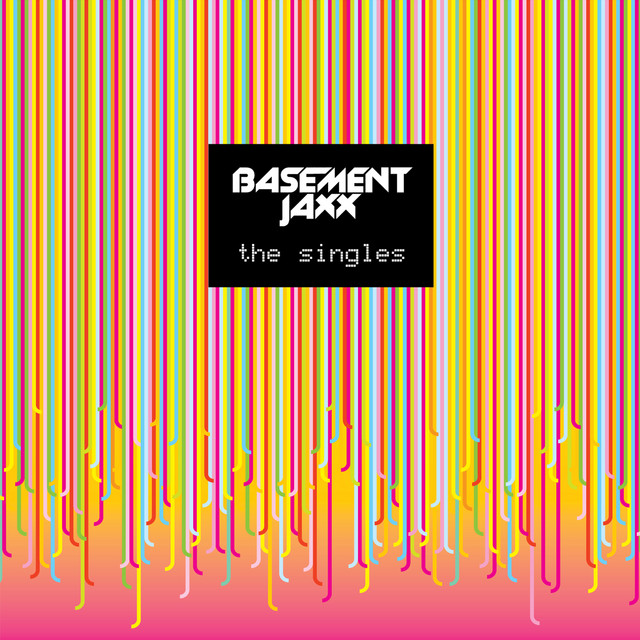
The Singles
Basement Jaxx
Big Beat
2003
3
/5
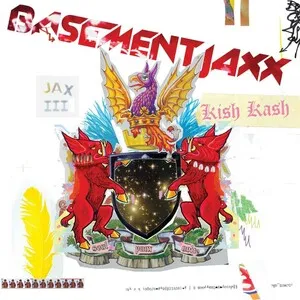
Kish Kash
Basement Jaxx
Funky House
Breakbeat
Electronic
2003
1
/5
Kish Kash
Basement Jaxx
Funky House
2001
1
/5
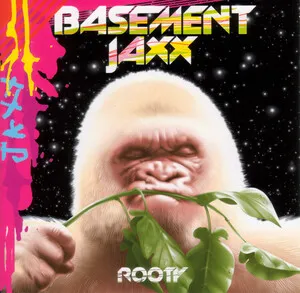
Rooty
Basement Jaxx
Funky House
Electronic
Electronica
2000
2
/5
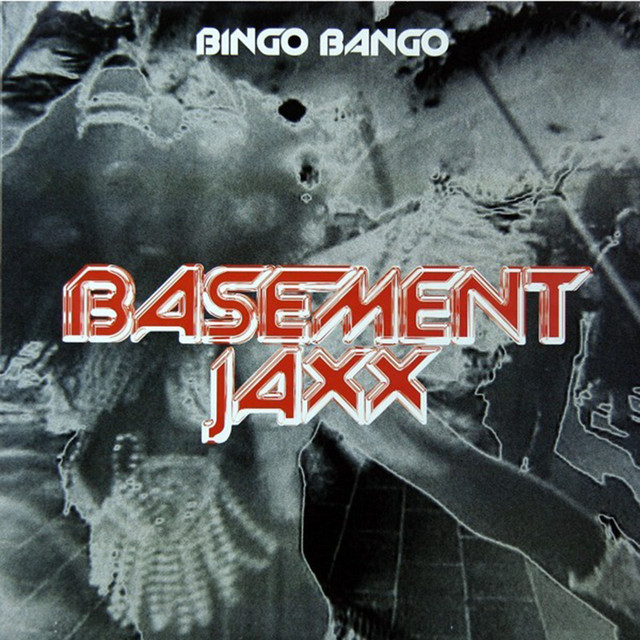
Bingo Bango
Basement Jaxx
Big Beat
Breaks
Electronic
1999
1
/5
Remedy
Basement Jaxx
Funky House
Big Beat
Electronic
Similar artists
1
/5
Various Artists
Afro-Funk
Alternative Rock
Ambient
4
/5
Armand Van Helden
Speed Garage
Funky House
Vocal House
4
/5
Groove Armada
Nu Skool Breaks
Big Beat
Electronic
4
/5
The Chemical Brothers
Big Beat
Electronic
Breakbeat
4
/5
Underworld
Big Beat
Electronic
Electronica
3
/5
Junkie XL
Big Beat
Electronic
Breakbeat
2
/5
Pop Will Eat Itself
Grebo
Electronic
Rock
4
/5
Kylie Minogue
Dance-Pop
Edm
Acoustic Guitar Cover
1
/5
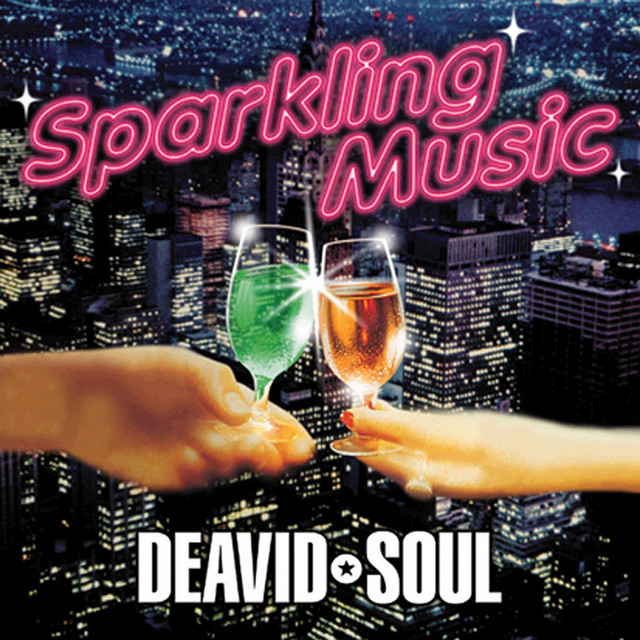
Deavid Soul
Shib
Big Beat
Electronic
4
/5
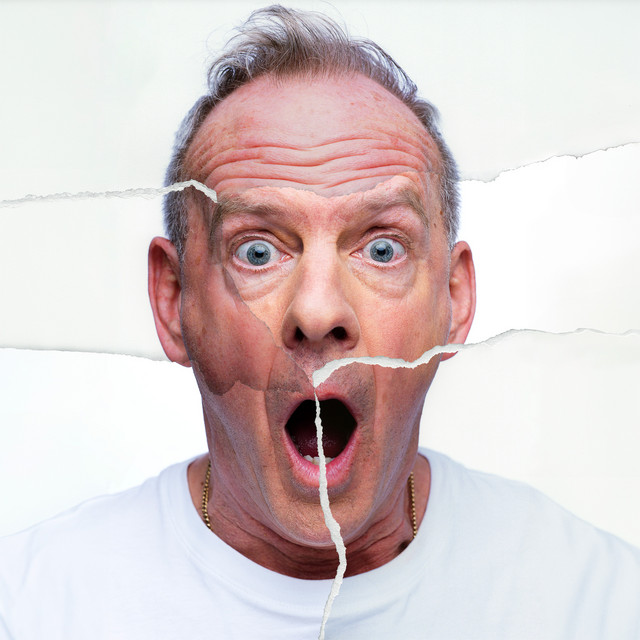
Fatboy Slim
Big Beat
Electronic
Electronica
Download our mobile app
Get the Melodigging app and start digging for new genres on the go
Download on the App Store
Get it on Google Play
© 2026 Melodigging
Give feedback
Legal
Melodding was created as a tribute to
Every Noise at Once
, which inspired us to help curious minds keep digging into music's ever-evolving genres.