Genres
Artists
Albums
Make Music
Sign in
Sign in
Artists
Chillstep
Artists
Chillstep
Azaleh
2016–2023
·
3 albums
Listen
3
/5
Genres
Hypertrance
Hypertrance is an internet-native fusion of modern trance and the maximalist, ultra-glossy aesthetics of the hyperpop ecosystem. It emphasizes euphoric supersaw leads, soaring pads, huge risers, and hard side‑chained kick–bass grooves, while borrowing hyperpop’s pitch‑shifted vocals, clipped loudness, and playful, self‑aware sound design. Typical tempos sit around 140–160 BPM with a 4/4 pulse, bright major‑key hooks, and breakdowns that explode into short, high‑impact drops. Producers frequently combine trance signifiers (gated pads, anthemic builds, arpeggios, 303/acid flourishes) with internet-era techniques (OTT compression, aggressive clipping, formant play, nightcore‑style vocal edits). The result feels at once nostalgic and futuristic: a rave ecstasy updated for the post‑SoundCloud, post‑PC Music generation.
Discover
Listen
Chillstep
Chillstep is a mellow, melodic offshoot of dubstep that emphasizes atmosphere, emotion, and cinematic sound design over aggressive bass modulation. It retains dubstep’s half-time rhythmic feel but replaces abrasive wobbles with warm subs, airy pads, and gently evolving textures. Typical tracks sit around 140 BPM (often felt as a spacious 70 BPM half-time groove), blending downtempo pacing with ambient spaciousness. You’ll often hear reverb-laden vocals, delicate piano or guitar lines, soft arpeggios, and field recordings, all arranged to create a soothing, introspective mood rather than a dancefloor peak.
Discover
Listen
Flint Sound
Flint sound is a contemporary Michigan rap style centered in Flint, United States. It is characterized by fast, minimal, piano- or organ-led beats, dry and upfront vocals, and bar-by-bar “punch‑in” delivery that often rides slightly ahead of or behind the grid for a conversational, off‑kilter feel. The production typically favors bright piano loops, staccato 808 slides, crisp claps or rimshots, and sparse percussion, leaving plenty of space for relentless punchlines, gritty street reportage, and mischievous humor. While hard-edged and streetwise, the style frequently leans into charismatic personality and wit, making it both aggressive and infectious for dancing.
Discover
Listen
Gaming Edm
Gaming EDM is a bright, hook‑driven branch of electronic dance music tailored for online gaming, streaming, and creator culture. It blends festival‑ready drops and sidechained supersaws with melodic, video‑game–friendly timbres (arpeggiated leads, chip/8‑bit flourishes) and clean royalty-friendly production that sits well under voice chat or commentary. The songs are typically concise, high‑energy, and instantly catchy, engineered to loop well on streams and to sync to highlight reels and esports content.
Discover
Listen
Post-Dubstep
Post-dubstep is a loosely defined wave of UK-born electronic music that grew out of dubstep but moved away from its rigid 140 BPM wobble-bass formula. It keeps the bass-weight, sound-system focus, and rhythmic syncopation of dubstep and UK garage, but folds in house and techno tempos, R&B vocal chops, ambient space, and experimental production. Typical tracks explore 120–135 BPM (not fixed at 140), use broken 2‑step/garage swing instead of 4/4, and favor detailed sound design over maximal drops. You’ll often hear hushed, intimate vocals (sampled or original), neo-soul/jazz-influenced chords, and micro-edited percussion with lots of negative space. The mood is frequently introspective, melancholic, and textural—more headphone-oriented than festival-leaning—yet still rooted in club culture.
Discover
Listen
Neurohop
Neurohop is a bass music subgenre that fuses the intricate, high-tech sound design and tense atmospheres of neurofunk with the swagger, swing, and groove of hip hop and glitch-hop tempos. Typically sitting around 90–115 BPM (often felt as halftime), it emphasizes surgically sculpted mid-bass lines, resampled textures, and precision drum programming. The result is music that is simultaneously head‑nodding and highly technical, pairing hip hop’s rhythmic feel with the detailed modulation, movement, and spectral complexity associated with modern drum and bass and dubstep.
Discover
Listen
Wave
Wave is an internet-born electronic genre that emerged in the mid‑2010s, blending half‑time trap rhythms with ambient pads, emotive minor‑key harmony, and dubstep-informed sound design. It favors atmosphere and mood over maximal aggression, often pairing wide, reverb‑washed textures with weighty 808 subs and sparse melodic leads. Tracks typically sit around 120–140 BPM with a half‑time feel (60–70 BPM perceived), featuring crisp hi‑hat flicks, roomy snares on beat three, and long, cinematic builds and breakdowns. Vocals, when present, tend to be ethereal phrases or chopped one‑shots used as textures rather than full verses. While rooted in online communities and labels/collectives, Wave gradually crossed over to physical club spaces, maintaining a balance between headphone introspection and dancefloor momentum.
Discover
Listen
Future Ambient
Future ambient is a contemporary strain of ambient music that blends classic beatless atmospheres with modern sound design and post-dubstep, IDM, and minimal techno sensibilities. It typically emphasizes wide, cinematic pads; granular and spectral processing; subtly evolving textures; and low-end sculpting borrowed from modern electronic production. Rhythms, when present, are usually subliminal—pulses, shuffled ghost-kicks, or distant, hazy percussion—so the music retains an essentially immersive, contemplative character while feeling unmistakably current. Compared with 1990s ambient techno and early drone, future ambient tends to be cleaner in its spatial imaging, more detailed in micro-sound events, and more influenced by contemporary mixing and mastering aesthetics developed for headphones and streaming.
Discover
Listen
Focus Trance
Focus trance is a modern, low‑drama branch of trance tailored for concentration, study, coding, and deep work. It borrows trance’s hypnotic pulse and long-form structure, but softens the edges: fewer big drops, restrained builds, minimal vocals, and a narrow dynamic range that lets listeners sink into a steady flow state. Sonically, it tends to sit between ambient trance and progressive trance: warm pads, subtly modulated arps, muted kicks and basslines that groove without dominating, and gently evolving textures. Most tracks avoid abrupt transitions, extreme high‑frequency content, or dense mid‑range clutter, making them ideal as a musical backdrop that sustains attention over long sessions.
Discover
Listen
Halftime Dnb
Halftime DnB is a bass-focused offshoot of drum and bass that retains DnB’s tempo (typically 170–174 BPM) but places the drums in a half-time grid, creating the feel of 85–87 BPM. The result is a spacious, head‑nod swing that blends the sound design intensity of DnB with the groove logic of hip hop and trap. Producers emphasize heavyweight sub lines, neuro-influenced bass design, and skeletal, syncopated drum patterns (kicks and 808s up front, snares landing hard on beat three). Texture and negative space are integral, with percussion details, foley, and minimal melodic fragments carrying the narrative. The style sits naturally between club systems and headphone listening, often occupying the same ecosystems as UK bass, the autonomic/leftfield DnB continuum, and the LA beat scene.
Discover
Listen
Downtempo Bass
Downtempo bass is a modern electronic style that fuses the relaxed pacing and texture-first focus of downtempo with the sound‑design intensity and low‑frequency weight of contemporary bass music. Typically sitting around 70–100 BPM (or 140–200 BPM felt in halftime), it features sub‑heavy, sculpted bass lines, crisp but unhurried drums, and spacious, cinematic atmospheres. Producers draw from ambient pads, world/organic instrumentation, and field recordings, then anchor these timbres with dubstep‑informed subs, glitchy ear‑candy, and hip‑hop/halftime grooves. The result is music that can be both meditative and body‑moving: intimate in texture yet powerful on a sound system, equally at home in headphones, yoga/downtempo gatherings, and late‑night bass stages.
Discover
Listen
Hybrid Trap
Hybrid trap is an EDM subgenre that fuses Southern hip hop–derived trap rhythms and 808 low end with the sound-design intensity and drop-centric structure of dubstep and electro house. It typically runs at 75/150 BPM in a halftime feel, features skittering hi-hats and snare/clap hits on beat three, and pairs punchy 808 kick–sub combos with midrange growls, reese basses, screeches, and cinematic brass stabs. Producers lean heavily on modern synthesis, resampling, and aggressive processing (distortion, multiband compression, OTT) to craft dynamic, call-and-response drops suited to festival stages. Compared with “classic” EDM trap, hybrid trap places greater emphasis on dubstep-like bass design, complex fills, and theatrical builds, while retaining trap’s swaggering grooves and minimalistic, percussive motifs.
Discover
Listen
Neo-Grime
Neo-grime is a modern, experimental mutation of grime that retools the icy, 140 BPM template with contemporary sound design, skeletal rhythms, and a focus on atmosphere as much as impact. Where classic grime emphasized MC-led bangers and rough-and-ready club functionality, neo-grime often privileges instrumental detail, negative space, and futuristic textures—glassine pads, sub‑heavy bass, and detuned square-wave leads—while still retaining grime’s stark drum language and UK underground swagger. The result is a style that can swing between weightless ambience and steel-edged percussion, equally at home in forward-thinking club nights and headphone listening.
Discover
Listen
Neurostep
Neurostep is a hybrid subgenre that merges the sound‑design intensity of neurofunk drum & bass with the halftime groove and weight of dubstep. Typically sitting around 140 BPM (sometimes 150), it emphasizes intricate, constantly morphing bass timbres, razor‑edged transients, and tightly engineered drops. Compared to classic dubstep, neurostep is less about sparse wobble basses and more about complex, resampled, FM/phase‑modulated bass layers that evolve bar by bar. The drums are punchy and surgical—kicks carve through dense low‑end, snares land hard on the third beat, and ghosted percussion and glitch fills keep momentum between phrases. Its overall aesthetic is dark, technical, and cinematic: dystopian atmospheres, granular textures, and call‑and‑response bass motifs are common, while breakdowns often showcase sound‑design detail and tension before a precision‑engineered drop.
Discover
Listen
Nightrun
Nightrun is a synthwave-adjacent microgenre built for the sensation of cruising through a neon-lit city at night. It blends retro-’80s analog synth timbres, melodramatic minor-key harmonies, and steady four-on-the-floor or motorik grooves with a glossy, cinematic finish. Compared to broader synthwave, nightrun tends to be slightly leaner and more driving: pulsing bass arpeggios, gated snares, and shimmering pads frame soaring lead melodies that evoke nocturnal highways, sodium lights, and distant horizons. Tempos typically sit in the midtempo range (about 85–110 BPM), with arrangements that rise and fall like a night drive—quiet intros, long cruising sections, and cathartic choruses. Aesthetically, it borrows the neon futurism of 1980s action and thriller soundtracks, while adopting modern production sheen and sidechain pumping. The result is danceable yet reflective electronic music tailored to late-night motion and nostalgic escapism.
Discover
Listen
Organic Electronic
Organic electronic is a downtempo, groove‑driven branch of electronic music that blends acoustic and world instruments with modern production. Typically sitting around 100–115 BPM, it favors hand percussion, mallets, strings, winds, and field recordings over hard-edged drum machines. The result is a warm, tactile sound where shakers, frame drums, and ethnic instruments (such as oud, kora, saz, flutes, or kalimba) weave through gentle synth pads and understated basslines. Melodic language often leans on modal colors (Dorian, Phrygian, Mixolydian) and drone‑like sustains, creating a hypnotic, earthy atmosphere. Born from bohemian club culture and outdoor gatherings, the style emphasizes long, evolving arrangements, subtle crescendos, and humanized timing—music equally at home on intimate dancefloors, sunset sets, and mindful listening contexts.
Discover
Listen
Substep
Substep is a deep, minimal branch of dubstep that prioritizes sub‑bass pressure, negative space, and restrained drum programming over midrange aggression. Sitting most often around 140 BPM in half‑time, it emphasizes sine‑wave subs, sparse kick‑snare patterns, and dubwise echoes that leave room for the system to breathe. In clubs, substep is felt as much as it is heard: long, weighty notes in the 30–60 Hz range anchor austere percussion, while carefully carved mids and highs avoid crowding the low end. The result is a meditative yet heavy aesthetic—intense, nocturnal, and built for large sound systems and long blends.
Discover
Listen
Show all 17 genres
Albums
2023
1
/5
Transcendence
Azaleh
Chillstep
2017
2
/5
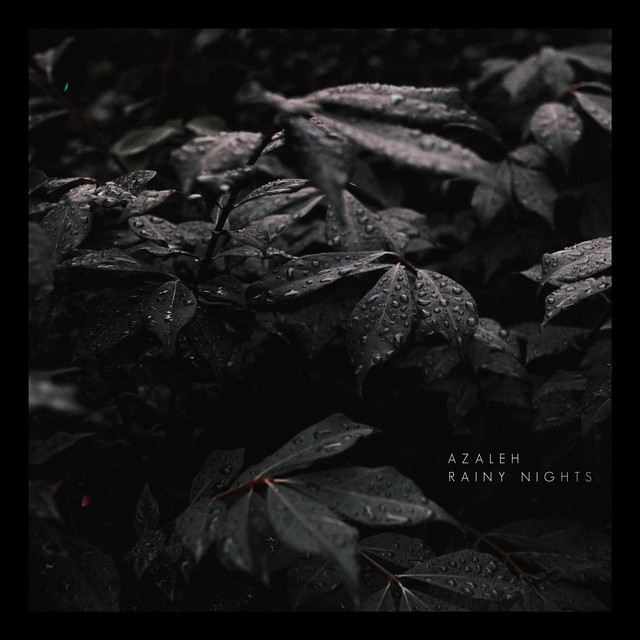
Rainy Nights
Azaleh
Substep
2016
2
/5
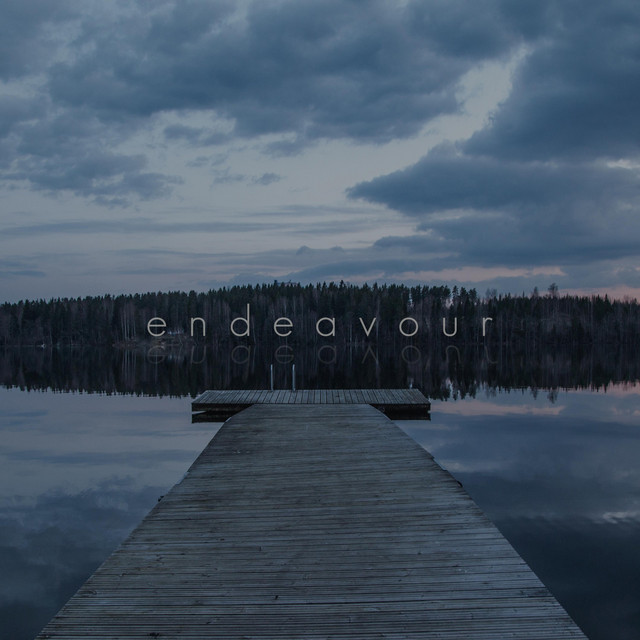
Endeavour
Azaleh
Substep
Similar artists
3
/5
AK
Substep
Chillstep
Downtempo
3
/5
Kazukii
Ambient
Chillstep
Dark Ambient
1
/5
Various Artists
Afro-Funk
Alternative Rock
Ambient
4
/5
ODESZA
Chillstep
Chillwave
Stutter House
3
/5
Koven
Drumstep
Chillstep
Drum And Bass
3
/5
Adventure Club
Chillstep
Future Bass
Melodic Bass
3
/5
Etherwood
Chillstep
Liquid Funk
Drum And Bass
3
/5
Rameses B
Chillstep
Drumstep
Drum And Bass
2
/5
Mr FijiWiji
Chillstep
Flint Sound
Gaming Edm
2
/5
Stumbleine
Ambient Idm
Chillstep
Chillwave
Download our mobile app
Get the Melodigging app and start digging for new genres on the go
Download on the App Store
Get it on Google Play
© 2026 Melodigging
Give feedback
Legal
Melodding was created as a tribute to
Every Noise at Once
, which inspired us to help curious minds keep digging into music's ever-evolving genres.