Genres
Artists
Albums
Make Music
Sign in
Sign in
Artists
Glitch Pop
Artists
Glitch Pop
Atom TM
1993–2023
·
2 albums
Listen
2
/5
Genres
New Isolationism
New isolationism is a contemporary strain of isolationist ambient and post-industrial minimalism that emerged in the 2010s, particularly around Scandinavian experimental labels and studios. It foregrounds intimate, close-mic’d sound, negative space, and a quiet-but-present noise floor; its pieces feel both internal and architectural, like rooms built from reverb tails, tape hiss, and soft electronics. Sonically, the style blends glacial drones, fragile chamber timbres (strings, organ, piano), lo‑fi electronics, and field recordings into stark, slow-evolving tableaux. Melodic information is sparse—often only a few tones or gestures—while rhythm is either absent or reduced to distant pulses, heartbeats, or mechanical cycles. Vocals, when they appear, are murmured, diaristic, or abstracted by pitch and time manipulation. Aesthetically, new isolationism is post‑internet and diaristic: it captures solitude, memory, and dislocation with a palette that feels personal yet estranged, drawing as much from contemporary gallery sound practice as from classic dark ambient.
Discover
Listen
Glitch Pop
Glitch pop is a strain of pop music that foregrounds digital errors and micro-edits as expressive hooks, fusing the tuneful structures of mainstream pop with the textural play of experimental electronica. Producers chop, stutter, and time-stretch vocals; sprinkle in clicks, cuts, and buffer-skip artifacts; and use bit-crushing or granular resynthesis alongside bright synths and catchy choruses. Despite its love of sonic fragmentation, the genre remains song-first: verses and choruses are clearly defined, melodies are memorable, and harmonies tend to be consonant. The friction between pristine songwriting and intentionally broken sound design creates a delicate, intimate, and often melancholic shimmer that feels both futuristic and warmly human.
Discover
Listen
Glitch
Glitch is an experimental electronic music genre that foregrounds the sounds of technological error—digital clicks, pops, clipping, buffer underruns, CD skipping, software crashes, and bit‑reduction. Rather than hiding artifacts, producers use them as primary musical material, often arranged through extreme micro‑editing and non‑linear sequencing. Texturally, glitch spans austere minimalism to warm, hazy ambience. Rhythms tend to be fragmented and asymmetrical, with sudden cuts, stutters, and silences that create tension and negative space. The palette commonly includes sine‑tone grains, granular clouds, filtered noise, and hyper‑detailed percussive fragments, sometimes sitting over subdued drones or dub‑inflected low end. The style emerged in the late 1990s around labels such as Mille Plateaux, influenced by IDM, minimal techno, and the aesthetics of failure in digital media. It later permeated pop and beat‑driven styles through sound‑design techniques that evoke imperfection and transience.
Discover
Listen
Idm
IDM (often expanded as "Intelligent Dance Music") is a strand of experimental electronic music that applies the sound palette and production methods of club genres to listening-focused, often home-oriented works. It favors intricate rhythm programming, unusual time signatures, and richly textured sound design, blending ambient atmospheres with techno’s pulse, electro’s syncopation, and breakbeat’s fragmentation. The music often de-emphasizes the dancefloor in favor of headphone detail, algorithmic structure, and timbral exploration. The term itself is contentious—many artists rejected the "intelligent" label—yet it became a convenient tag for the early- to mid‑1990s cluster of Warp, Rephlex, and related scenes that foregrounded complexity, abstraction, and emotional ambiguity.
Discover
Listen
Acidcore
Acidcore is a hard, fast, and abrasive strain of acid-driven dance music that fuses the squelching TB‑303 lines of acid house/acid techno with the high-impact drums, distortion, and intensity of hardcore techno and early gabber. Typically running at 150–180 BPM, acidcore foregrounds relentless 909/808‑style kick drums (often distorted), off‑beat hats, clattering rides, and gritty percussion beneath hypnotic, resonant 303 sequences. The mood leans raw, underground, and rave‑oriented, with long-form arrangements designed for free parties and warehouse floors. Where classic acid emphasizes trippy groove, acidcore pushes the sonic aggression and tempo, preserving the hypnotic acidity while amplifying the energy for late‑night peak moments.
Discover
Listen
Electronica Chilena
Electronica chilena refers to Chile’s distinct current of electronic music that crystallized in the 1990s from a dialogue between local club culture, Latin American rhythms, and the European minimal/techno diaspora of Chilean-born artists. It sits at the crossroads of house/techno frameworks and Chile’s experimental and popular traditions, often favoring hypnotic grooves, austere sound design, and subtle Latin inflections over maximalist textures. Its aesthetic spans minimal and microhouse lineages associated with figures like Ricardo Villalobos and Luciano; the cosmopolitan, vocal‑ and body‑centric club language fostered by Matías Aguayo and the Cómeme circle; the electro‑kitsch/Latín fusions catalyzed in Santiago by Uwe Schmidt (Señor Coconut); and down‑/mid‑tempo, sample‑driven hybrids by producers such as DJ Bitman. The scene also absorbs a long local heritage of electroacoustic research (Juan Amenábar, José Vicente Asuar) and later intersects with Chilean electropop and urban scenes.
Discover
Listen
Techno
Techno is a four-on-the-floor, machine-driven form of electronic dance music that emerged in mid-to-late 1980s Detroit. It is characterized by steady 4/4 kick drums, repetitive and hypnotic rhythmic patterns, synthetic timbres, and an emphasis on texture, groove, and forward momentum over elaborate harmony. Producers typically use drum machines, sequencers, and synthesizers to build layered percussion, pulsing basslines, and evolving motifs. While often dark and minimalistic, techno spans a wide spectrum—from soulful, futuristic Detroit aesthetics to hard, industrially tinged European strains—yet it consistently prioritizes kinetic energy for dancefloors and a sense of machine futurism.
Discover
Listen
Experimental
Experimental music is an umbrella term for practices that prioritize exploration, process, and discovery over adherence to established genre norms. It embraces new sound sources, nonstandard tuning systems, indeterminacy and chance operations, graphic and open-form scores, extended techniques, and technology-led sound design (tape, electronics, computers, and live processing). Rather than a single style, it is a methodology and ethos: testing hypotheses about sound, structure, and performance, often blurring boundaries between composition, improvisation, sound art, and performance art. Listeners can expect unfamiliar timbres, unusual forms, and an emphasis on how music is made as much as the resulting sound.
Discover
Listen
Easy Listening
Easy listening is a lush, melodic, and unobtrusive style of popular orchestral music designed to be pleasant in the foreground and effortless in the background. It favors smooth textures, lyrical melodies, and gentle rhythms over virtuosic display or dense complexity. Typical arrangements feature string sections, woodwinds, soft brass, vibraphone, harp, piano, subtle Latin or light swing percussion, and sometimes wordless choirs. Repertoire often consists of standards, film and television themes, and instrumental covers of contemporary hits, presented with polished studio production and wide stereo imaging. The mood ranges from romantic and sentimental to breezy and exotic, prioritizing warmth, clarity, and relaxed pacing. Improvisation, if present, is restrained, with harmony that leans on jazzy extensions while staying consonant and approachable.
Discover
Listen
Electronic
Electronic is a broad umbrella genre defined by the primary use of electronically generated or electronically processed sound. It encompasses music made with synthesizers, drum machines, samplers, computers, and studio/tape techniques, as well as electroacoustic manipulation of recorded or synthetic sources. The genre ranges from academic and experimental traditions to popular and dance-oriented forms. While its sonic palette is rooted in electricity and circuitry, its aesthetics span minimal and textural explorations, structured song forms, and beat-driven club permutations. Electronic emphasizes sound design, timbre, and studio-as-instrument practices as much as melody and harmony.
Discover
Listen
Show all 10 genres
Albums
2023
1
/5
Wavetable 04/23
Atom TM
Electronica Chilena
Glitch Pop
1993
1
/5
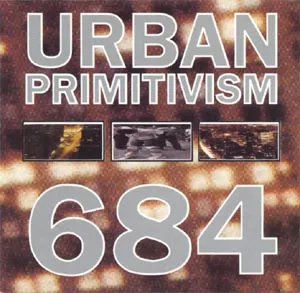
684
Urban Primitivism
Acidcore
Similar artists
2
/5
Tujiko Noriko
Ambient
Art Pop
Experimental
4
/5
Thom Yorke
Glitch Pop
Electronic
Rock
3
/5
Flying Lotus
Glitch Hop
Idm
Instrumental Hip Hop
3
/5
Oneohtrix Point Never
Hauntology
Plunderphonics
Ambient
3
/5
Autechre
Idm
Experimental
Electronic
3
/5
Alva Noto
Experimental
Glitch
Ambient
3
/5
Iglooghost
Experimental
Idm
Electronic
3
/5
Ryoji Ikeda
Microsound
Glitch
Sound Art
2
/5
µ-Ziq
Experimental
Idm
Breakcore
2
/5
Two Fingers
Electronic
Bass Music
Dark Clubbing
Download our mobile app
Get the Melodigging app and start digging for new genres on the go
Download on the App Store
Get it on Google Play
© 2026 Melodigging
Give feedback
Legal
Melodding was created as a tribute to
Every Noise at Once
, which inspired us to help curious minds keep digging into music's ever-evolving genres.