Genres
Artists
Albums
Make Music
Sign in
Sign in
Artists
New Age
Artists
New Age
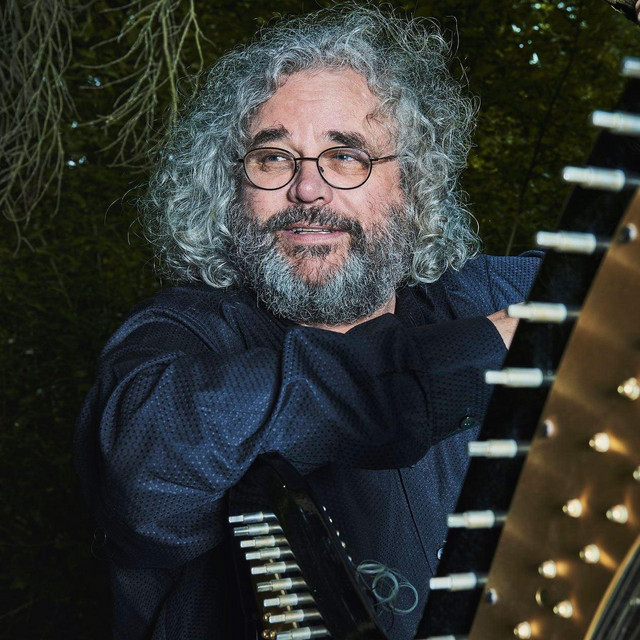
Andreas Vollenweider
1982–2005
·
6 albums
Listen
3
/5
Genres
Worldbeat
Worldbeat is a pop-oriented fusion that blends contemporary Western production (pop, rock, dance, and electronic) with rhythms, instruments, scales, and vocal styles drawn from diverse musical traditions around the world. It typically features layered percussion, polyrhythms, call-and-response vocals, and multilingual or code-switching lyrics, while maintaining accessible song forms and hook-driven choruses. Arrangements often juxtapose drum kits, bass guitar, and synths with instruments such as kora, mbira, oud, sitar, djembe, balafon, or charango. As a retail and radio category in the 1980s–1990s, worldbeat served both as a creative space for cross-cultural collaboration and a marketing umbrella, attracting praise for bridge-building and criticism for occasional exoticism or unequal credit-sharing.
Discover
Listen
World
World music is a broad, industry-coined umbrella for traditional, folk, and contemporary popular styles from around the globe that fall outside the Anglo-American pop mainstream. The label emerged in the 1980s as a retail and marketing category to group diverse regional musics for international distribution. Musically, it spans acoustic and electric instrumentation; modal, pentatonic, and microtonal pitch systems; and rhythms ranging from cyclical grooves and polyrhythms to asymmetrical meters. While the term can obscure local specificity, it also facilitated cross-cultural collaboration, festivals, and recordings that brought regional genres to wider audiences.
Discover
Listen
New Age
New age is a largely instrumental, mood-driven genre that emphasizes calm, spacious textures and a sense of spiritual or contemplative uplift. It blends gentle electronic timbres, acoustic instruments, and global/folk influences to create immersive soundscapes intended for relaxation, meditation, and introspection. Hallmarks include slow tempos or free time, long sustaining pads, modal and consonant harmonies, nature field recordings, and unobtrusive rhythms. The music often avoids dramatic tension in favor of openness and continuity, conveying themes of inner peace, nature, and the transcendent.
Discover
Listen
Harp
Harp is a style centered on the timbre and techniques of the plucked concert harp and lever (Celtic) harp, often foregrounding arpeggios, rolling chords, glissandi, harmonics, and shimmering ostinatos. It draws on classical pedal‑harp idioms, Celtic and Irish folk traditions, new age ambience, and jazz harmony. In recordings labeled as “harp,” the instrument typically carries the melody and texture, ranging from intimate solo pieces to chamber and ensemble settings. The music tends to emphasize modal color (e.g., Dorian and Mixolydian), gentle dynamics, and reverberant space, yielding a contemplative, lyrical sound that can move from folk dance lilts to impressionistic tone‑poems and spiritual jazz.
Discover
Listen
Ambient
Ambient is a form of electronic and electroacoustic music that prioritizes tone, atmosphere, and texture over conventional song structures and rhythmic drive. It typically features slow-moving harmonies, sustained drones, gentle timbral shifts, and extensive use of space and silence. Rather than drawing attention to itself through hooks or beats, ambient is designed to be as ignorable as it is interesting, rewarding both background listening and focused immersion. Artists often employ synthesizers, samplers, tape loops, field recordings, and subtle acoustic instruments, with reverb and delay creating a sense of place. Substyles range from luminous, consonant soundscapes to darker, more dissonant atmospheres.
Discover
Listen
Folk
Folk is a song-centered acoustic tradition rooted in community storytelling, everyday life, and social history. It emphasizes clear melodies, simple harmonies, and lyrics that foreground narrative, protest, and personal testimony. As a modern recorded genre, folk coalesced in the early-to-mid 20th century in the United States out of older ballad, work song, and rural dance traditions. It typically features acoustic instruments (guitar, banjo, fiddle, mandolin, harmonica), strophic song forms, and participatory singing (choruses, call-and-response).
Discover
Listen
Jazz
Jazz is an improvisation-centered music tradition that emerged from African American communities in the early 20th century. It blends blues feeling, ragtime syncopation, European harmonic practice, and brass band instrumentation into a flexible, conversational art. Defining features include swing rhythm (a triplet-based pulse), call-and-response phrasing, blue notes, and extended harmonies built on 7ths, 9ths, 11ths, and 13ths. Jazz is as much a way of making music—spontaneous interaction, variation, and personal sound—as it is a set of forms and tunes. Across its history, jazz has continually hybridized, from New Orleans ensembles and big-band swing to bebop, cool and hard bop, modal and free jazz, fusion, and contemporary cross-genre experiments. Its influence permeates global popular and art music.
Discover
Listen
Electronic
Electronic is a broad umbrella genre defined by the primary use of electronically generated or electronically processed sound. It encompasses music made with synthesizers, drum machines, samplers, computers, and studio/tape techniques, as well as electroacoustic manipulation of recorded or synthetic sources. The genre ranges from academic and experimental traditions to popular and dance-oriented forms. While its sonic palette is rooted in electricity and circuitry, its aesthetics span minimal and textural explorations, structured song forms, and beat-driven club permutations. Electronic emphasizes sound design, timbre, and studio-as-instrument practices as much as melody and harmony.
Discover
Listen
Classical
Classical music is the notated art-music tradition of Europe and its global descendants, characterized by durable forms, carefully codified harmony and counterpoint, and a literate score-based practice. The term “classical” can refer broadly to the entire Western art-music lineage from the Medieval era to today, not just the Classical period (c. 1750s–1820s). It privileges long-form structures (such as symphonies, sonatas, concertos, masses, and operas), functional or modal harmony, thematic development, and timbral nuance across ensembles ranging from solo instruments to full orchestras and choirs. Across centuries, the style evolved from chant and modal polyphony to tonal harmony, and later to post-tonal idioms, while maintaining a shared emphasis on written notation, performance practice, and craft.
Discover
Listen
Show all 9 genres
Albums
2005
1
/5
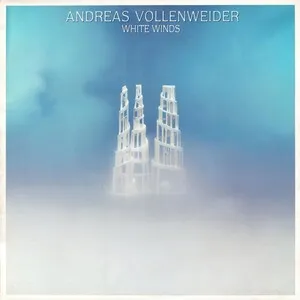
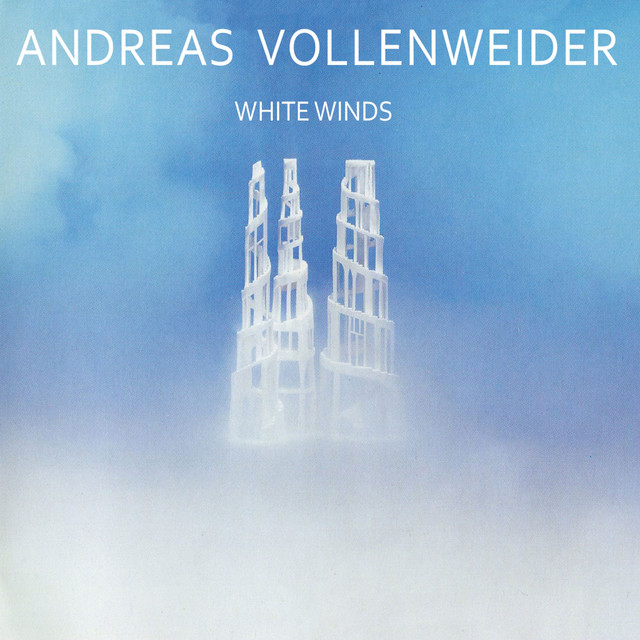
White Winds
Andreas Vollenweider
Worldbeat
Ambient
Electronic
1993
2
/5
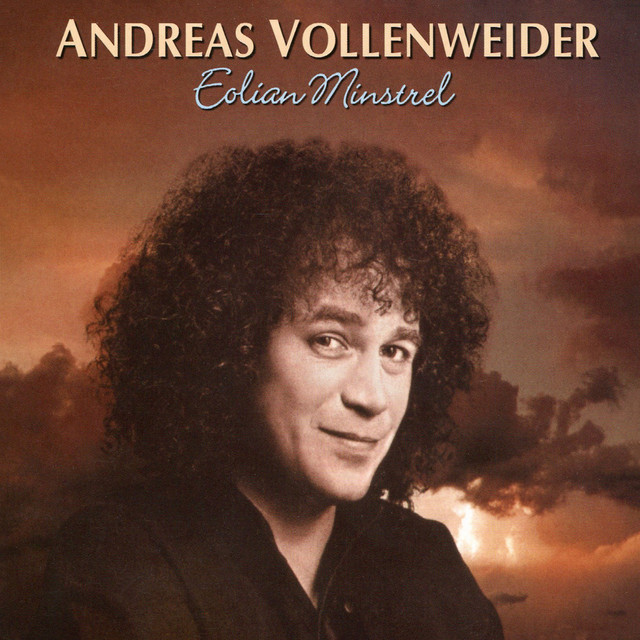
Eolian Minstrel
Andreas Vollenweider
Harp
Ambient
Electronic
1991
3
/5
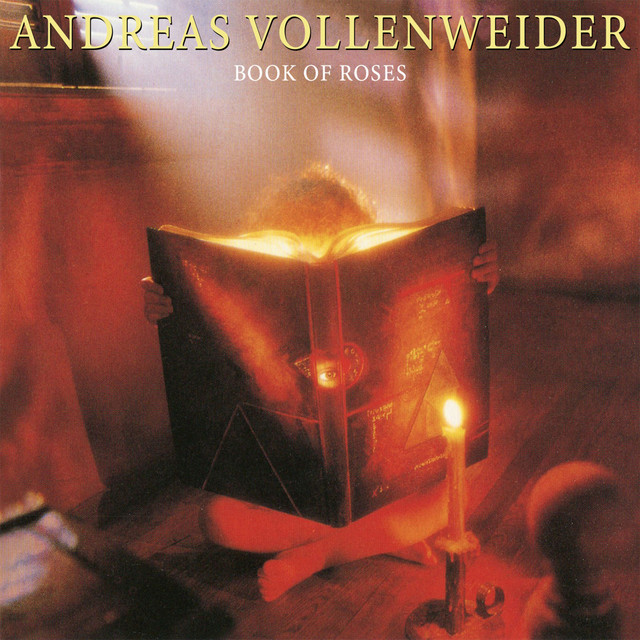
Book of Roses
Andreas Vollenweider
Harp
New Age
1986
3
/5
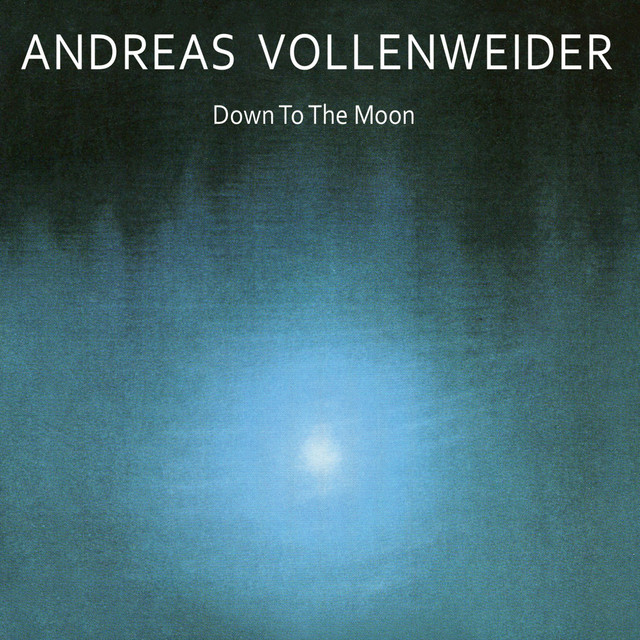
Down to the Moon
Andreas Vollenweider
Harp
Worldbeat
New Age
1984
3
/5
White Winds (Seeker's Journey)
Andreas Vollenweider
Harp
Ambient
Electronic
1982
3
/5
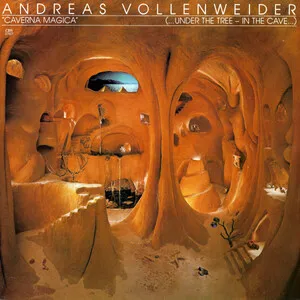
Caverna magica (...Under the Tree - In the Cave...)
Andreas Vollenweider
Worldbeat
New Age
Similar artists
4
/5
Enigma
Gregorian Dance
New Age
Electronic
3
/5
Dead Can Dance
Ethereal Wave
Dark Wave
Electronic
4
/5
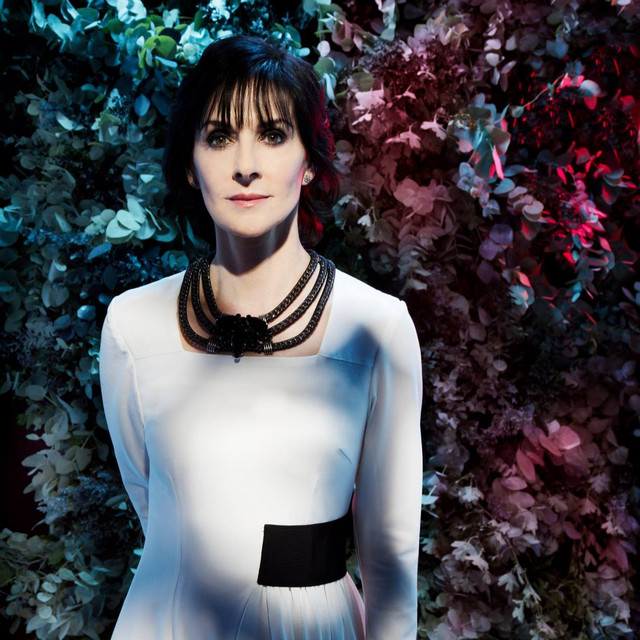
Enya
Celtic
Gregorian Dance
New Age
3
/5
Deuter
Krautrock
New Age
Ambient
3
/5
Jean-Michel Jarre
Electronic
Laboratorio
Ambient
3
/5
R. Carlos Nakai
Native American Flute
Native American New Age
New Age
2
/5
Robert Rich
Ambient
Tribal Ambient
Electronic
4
/5
Vangelis
Cyberpunk
Electronic
New Age
3
/5
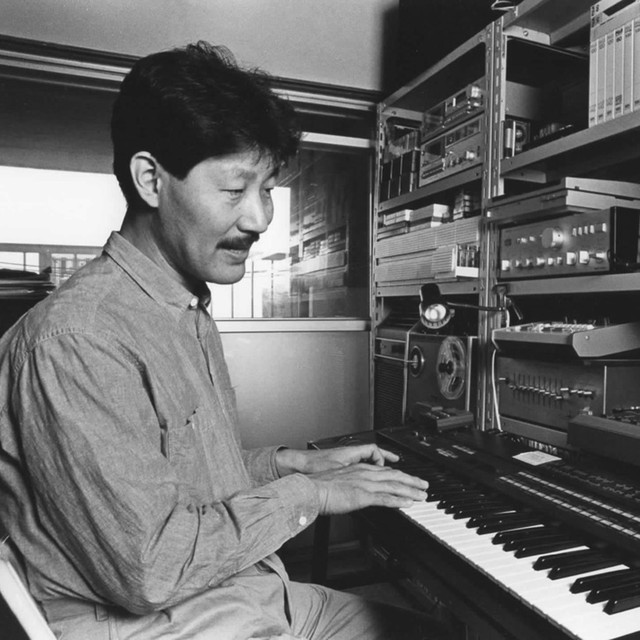
Hiroshi Yoshimura
Ambient
Fourth World
Drone
3
/5
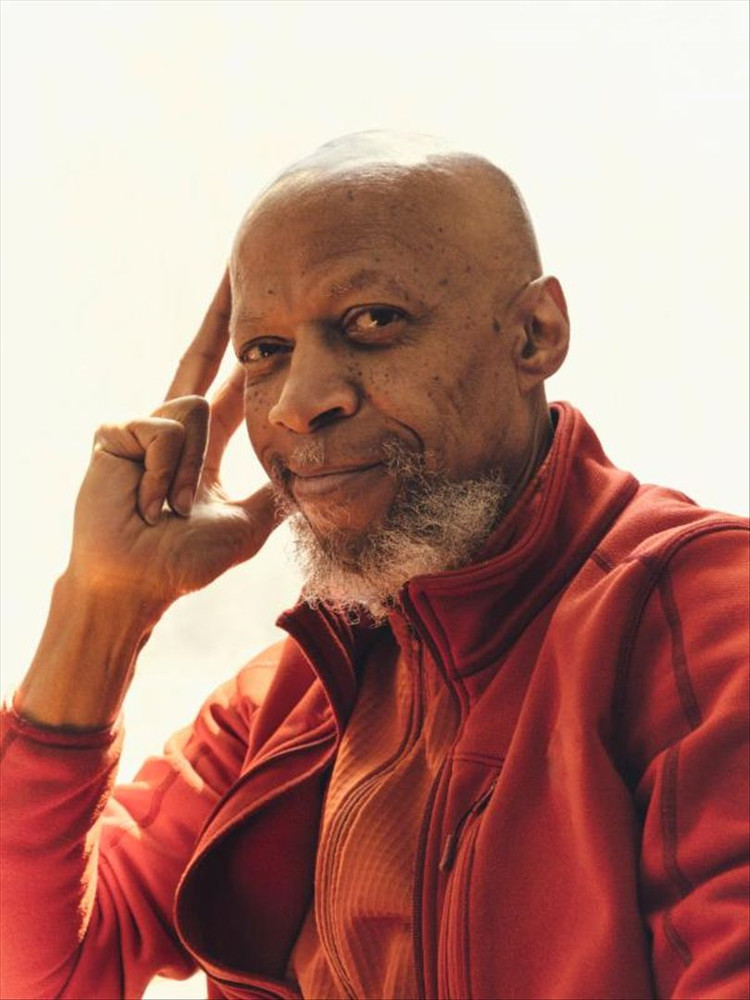
Laraaji
New Age
Ambient
Drone
Download our mobile app
Get the Melodigging app and start digging for new genres on the go
Download on the App Store
Get it on Google Play
© 2026 Melodigging
Give feedback
Legal
Melodding was created as a tribute to
Every Noise at Once
, which inspired us to help curious minds keep digging into music's ever-evolving genres.