Genres
Artists
Albums
Make Music
Sign in
Sign in
Artists
Traditional Folk
Artists
Traditional Folk
黃安源
1989
·
1 album
Listen
1
/5
Genres
Erhu
Erhu is a Chinese two‑string bowed lute (a member of the huqin family) whose singing, voice‑like timbre can move seamlessly between lyrical cantabile lines and brilliant, percussive articulations. It is held vertically on the left thigh, with the bow hair running between its two strings, which are usually tuned a fifth apart (D4–A4). As a genre label, “erhu” refers to the solo and ensemble repertoire centered on the instrument—music that ranges from folk‑derived melodies and opera idioms to conservatory‑style concert works and contemporary fusion. Its melodic language draws heavily on pentatonic and modal materials from various Chinese regional traditions, while modern compositions expand technique, form, and orchestration for Chinese orchestra and mixed ensembles. The instrument’s expressive palette—portamento, nuanced vibrato, ornamental slides, wide dynamic range—gives erhu music a distinctive capacity for lyrical narrative, tender intimacy, and dramatic storytelling.
Discover
Listen
Traditional Folk
Traditional folk is a broad umbrella for orally transmitted songs and dance tunes that circulated in rural and working-class communities before the age of mass recording. Repertoires include narrative ballads, laments, love songs, work songs, lullabies, and instrumental dance sets such as reels, jigs, hornpipes, and marches. Stylistically, traditional folk favors strophic forms, pentatonic or modal melodies (often Dorian and Mixolydian), limited harmonic movement, and strong, memorable tunes designed for communal singing and dancing. Performances range from unaccompanied solo voice to small ensembles built around fiddle, flute/whistle, pipes, concertina/accordion, guitar, banjo, and frame drum. Ornamentation, variation by verse, and flexible tempo are integral, reflecting an oral tradition where songs live through continual reinterpretation. Although it is pan‑regional, the modern idea of “traditional folk” coalesced in the 19th century through collectors and revivalists who documented vernacular music and framed it as cultural heritage.
Discover
Listen
Huqin
Huqin refers to the family of Chinese bowed, spike-fiddles whose best-known members include the erhu, gaohu, zhonghu, jinghu, and banhu. Typically built with two strings, a small resonator (often covered with snakeskin on the erhu/gaohu family), and a bow threaded permanently between the strings, huqin instruments produce a vocal, highly expressive tone capable of wide dynamic nuance, portamento, and flexible intonation. As a musical style and performance tradition, huqin encompasses solo repertory, regional folk airs, opera accompaniment (especially in Peking/Jing opera with the jinghu), and roles in modern Chinese orchestras. Its melody writing is predominantly pentatonic with modal inflections, rich ornamental language (slides, vibrato, turns), timbral shading through bow pressure and contact point, and heterophonic textures when played in ensemble with other traditional instruments.
Discover
Listen
Albums
1989
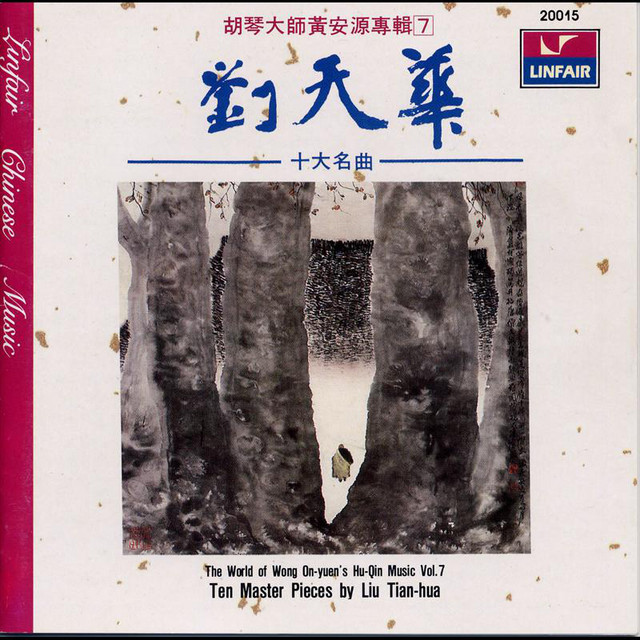
胡琴大師黃安源專輯5 --「梁祝」高胡協奏曲
黃安源
Huqin
Erhu
Similar artists
Hide discovered
1
/5
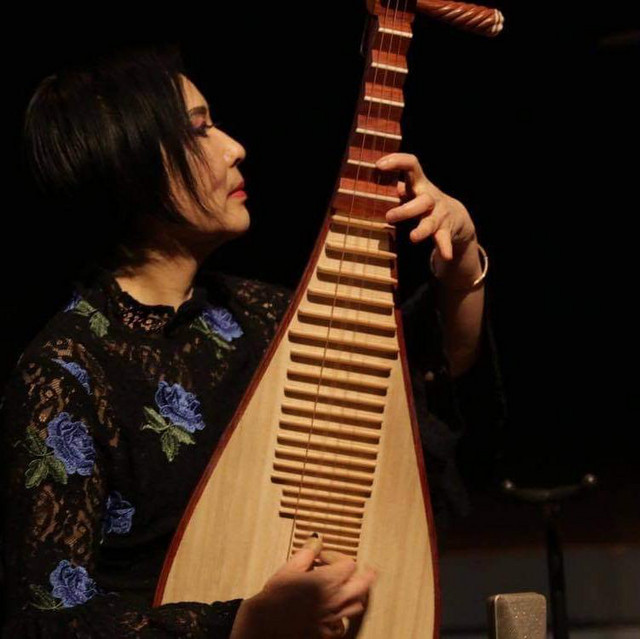
Min Xiao-Fen
Traditional Folk
Chinese Classical
Chinese Folk Music
1
/5
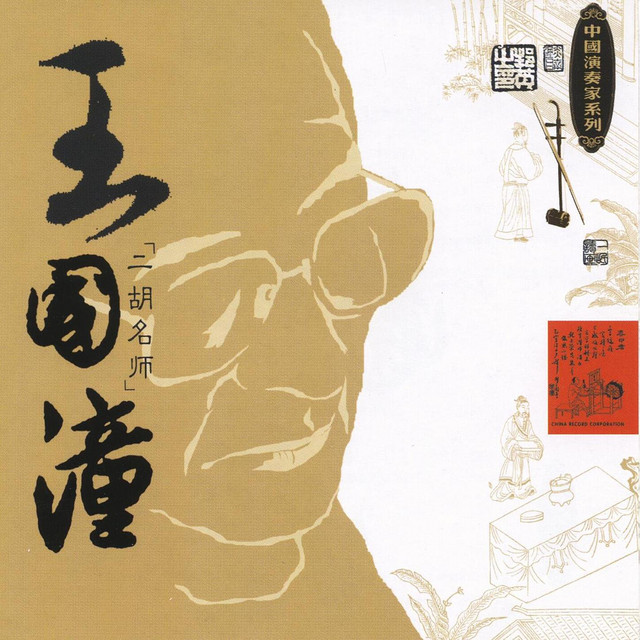
Wang Guotong
Japanese Classical
Traditional Folk
Traditional Music
1
/5
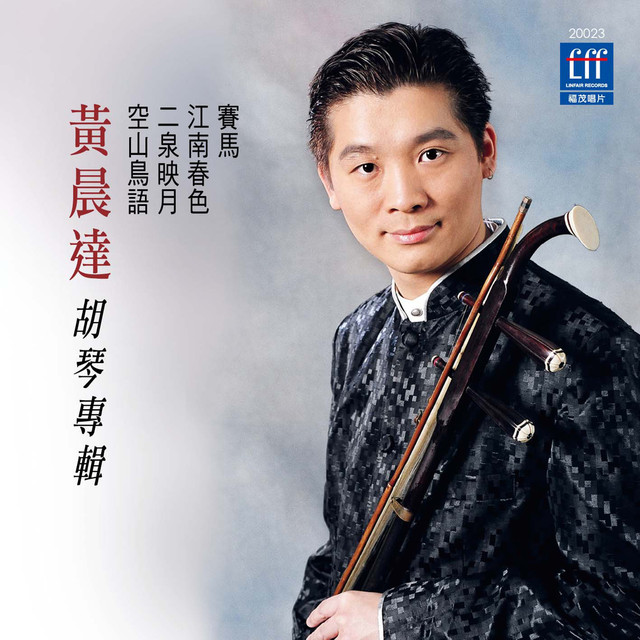
黃晨達
Traditional Music
Erhu
Huqin
4
/5
Peter, Paul and Mary
Folk
Folk Rock
Rock
3
/5
Joan Baez
Folk
Folk Rock
Contemporary Folk
3
/5
Doc Watson
Appalachian Folk
Bluegrass
Folk
3
/5
The Chieftains
Celtic
Folk
Irish Folk
3
/5
Sam Shackleton
Traditional Folk
Bluegrass
Folk
3
/5
Stan Rogers
Folk
Canadian Folk Music
Canadian Maritime Folk
3
/5
Pete Seeger
Old-Time
Folk
Contemporary Folk
Download our mobile app
Get the Melodigging app and start digging for new genres on the go
Download on the App Store
Get it on Google Play
© 2026 Melodigging
Give feedback
About & FAQ
Legal
Melodding was created as a tribute to
Every Noise at Once
, which inspired us to help curious minds keep digging into music's ever-evolving genres.