Your digging level
Description
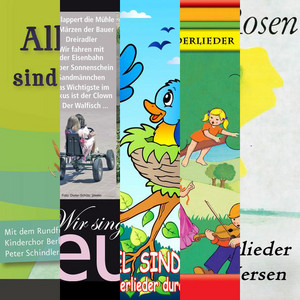
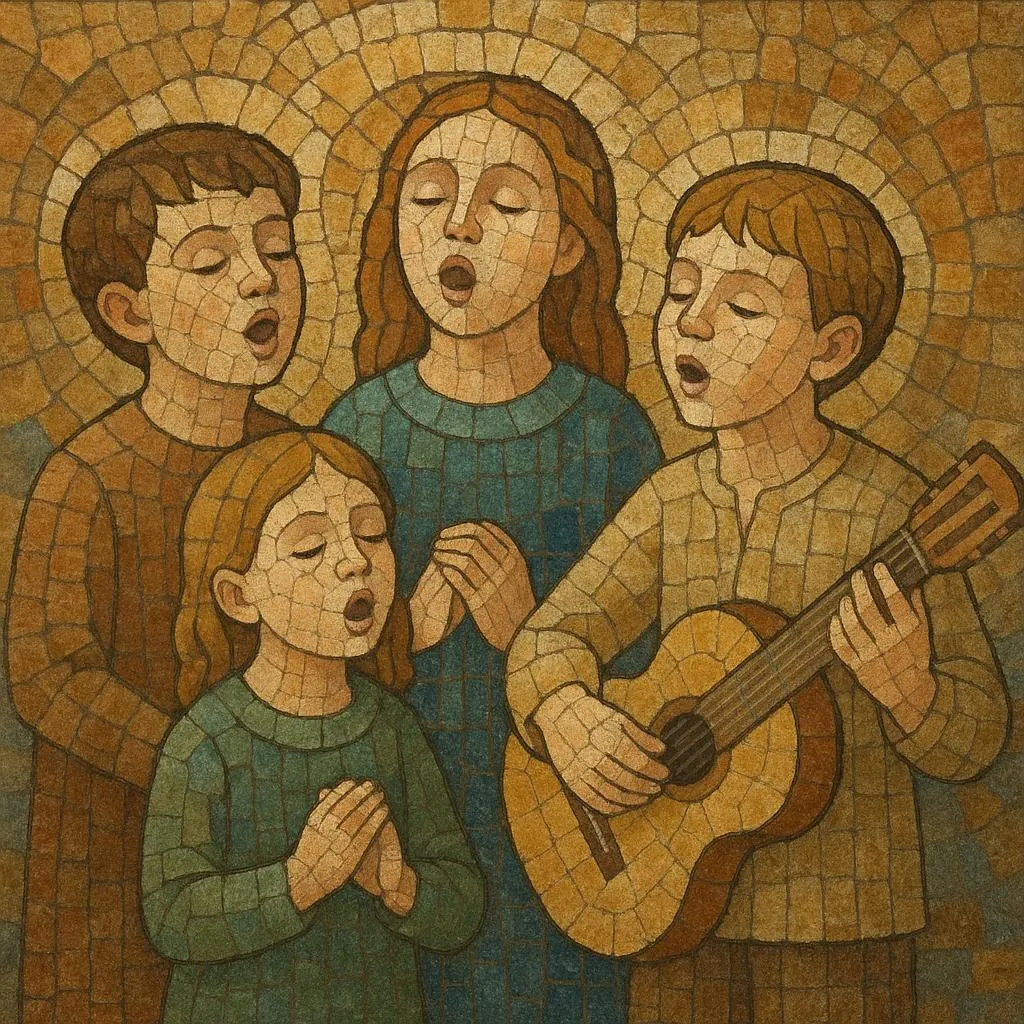
Kinderchor denotes the German-language tradition of children’s choirs singing folk songs, canons, seasonal pieces, sacred hymns, and light popular repertoire.
Typically performed by treble voices (unchanged children’s voices) in unison or simple two–three part harmony (SA/SSA), Kinderchor emphasizes clear diction, tuneful diatonic melodies, and age-appropriate vocal ranges. Accompaniment often includes piano, guitar, or Orff classroom percussion, with occasional a cappella settings.
The repertoire draws on German Volkslieder, Advent/Christmas carols, rounds, church music, and contemporary children’s songs, and is strongly shaped by post‑war radio and opera-house children’s choirs in Germany.
History
Children’s choral singing in German-speaking lands traces back to medieval scholastic and church traditions (knabenchöre/boys’ choirs). However, the modern, mixed-gender Kinderchor—distinct from cathedral boys’ choirs—coalesced later around music education movements and civic ensembles.
After World War II, Germany saw a surge of professional and semi‑professional children’s choirs attached to broadcasters and city cultural institutions. Radio children’s choirs (e.g., in Leipzig and Berlin) recorded and disseminated Volkslieder, canons, and newly written songs for young voices, shaping a shared pan‑German repertoire. In parallel, the Orff‑Schulwerk movement embedded singing with elemental percussion and movement in schools, giving Kinderchor a practical, classroom-friendly aesthetic.
From the late 20th century, Kinderchor programs broadened beyond folk and seasonal music to include light pop arrangements, film/TV music, and collaborations with symphony orchestras and opera houses (supplying children’s choruses for stage works). Church-based Kantoreien for children also expanded the sacred repertory (Advent and Christmas music, simple motets, and chorales).
Streaming and online platforms enabled wide sharing of recordings, exercises, and scores. German Kinderchor style influenced children’s choir practices across Europe (and beyond), especially in school and community contexts. Today, Kinderchor remains a pillar of children’s vocal education, balancing tradition (Volkslieder, canons) with contemporary texts and inclusive pedagogies.