Your digging level
Description
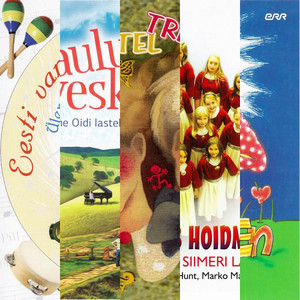
Lastelaulud is the Estonian tradition of children’s songs, spanning lullabies, play-songs, educational pieces, and lively choral numbers sung in Estonian.
The style favors clear, singable melodies, simple forms (often 4–8 bar phrases), and text that supports language development, play, and imagination. Songs are commonly arranged for unison voices or light two–three part treble choirs, with piano, guitar, accordion, or small ensemble accompaniment. Folk-dance rhythms, nature imagery, and seasonal themes are frequent, reflecting Estonia’s folk heritage and song-festival culture.
History
Estonian lastelaulud (children’s songs) crystallized as a recognizable repertoire in the mid-20th century, blending traditional folk play-songs and lullabies with school- and radio-friendly new compositions. Their role is educational as much as musical: to help children sing together, learn language, and participate in Estonia’s strong choral culture.
The deep roots lie in Estonian folk tradition—lullabies, counting songs, and ring games—transmitted orally in homes and village schools. Early 20th‑century songbooks began standardizing texts and melodies for classroom use, laying groundwork for modern children’s repertoire.
Post‑war radio, schools, pioneer palaces, and community choirs institutionalized children’s singing. Composers and choir leaders created pedagogical cycles with diatonic melodies, limited ranges, and piano/accordion accompaniment suitable for kindergartens and primary choirs. The national song‑festival ethos encouraged large treble ensembles, and children’s choirs became fixtures on radio and stage.
After 1991, television and independent studios expanded children’s music with new recordings, animated videos, and competitions. Repertoire diversified stylistically (pop, folk‑pop, light rock), but retained clear diction and accessible forms. Choir studios and local song schools nurtured young soloists and ensembles.
YouTube and streaming platforms amplified distribution of educational and play songs, karaoke versions, and classroom resources. Arrangements now range from classic piano‑accompanied choir works to polished pop productions, yet the core remains: singable Estonian lyrics, playful imagery, and community‑minded choral participation.