Your digging level
Description
Vaikiškos dainos is the Lithuanian tradition of children's songs: short, catchy, and easy to sing, aimed at preschool and primary-school audiences.
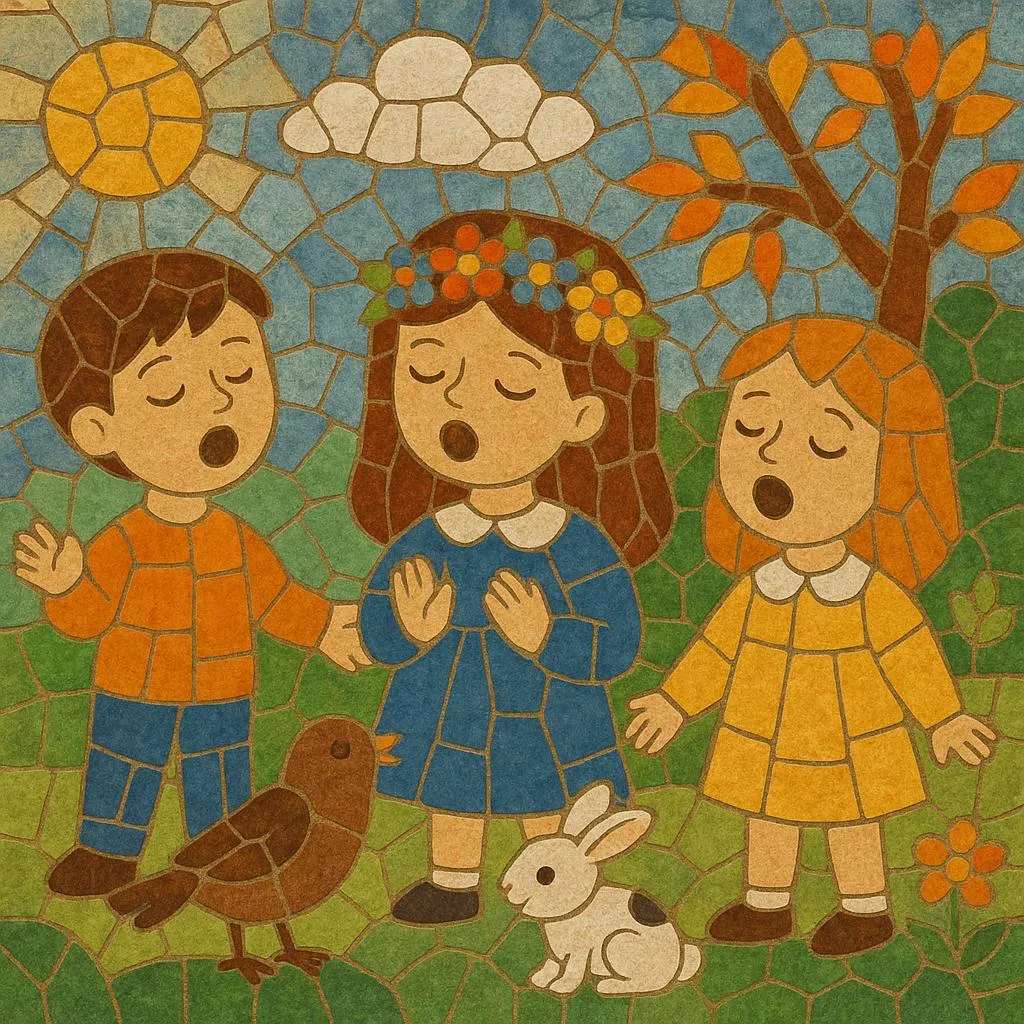
Pieces typically feature simple melodies within a narrow range, repetitive refrains, and clear rhythmic patterns that help children memorize text and participate with clapping or movement. Lyrics focus on animals, nature, seasons, friendship, routines (tidying up, greetings), and light moral or educational messages.
The style blends Lithuanian folk tunefulness and language play (diminutives, onomatopoeia) with accessible pop and choir arrangements. Recordings and performances often use children's choirs, small pop bands, or Orff classroom instruments, and are common in schools, TV/radio programs, and family concerts.
History
Lithuanian children's verse and folk song fragments long predate the recording era; nursery rhymes and simple round-songs were used to accompany play, seasonal rituals, and early language learning. As mass education expanded in the 20th century, school songbooks began standardizing material for classroom use.
During the Lithuanian SSR era, children's programming on radio and stage nurtured a recognizable repertoire. Professional composers and educators wrote playful, didactic songs using folk-like melodies, diatonic harmonies, and clear rhythms suitable for school choirs and youth ensembles. State festivals and children's choirs helped circulate songs nationally.
Following 1990, independent broadcasters and cultural centers invigorated the genre with TV formats, studio albums, and touring family shows. Production values modernized (synths, pop-rock rhythm sections), while keeping child-friendly keys, tempos, and topics in Lithuanian. The repertoire broadened to include themed albums (holidays, safety, hygiene) and stage musicals for young audiences.
Streaming platforms, YouTube animations, and educational apps have amplified vaikiškos dainos at home and in classrooms. Contemporary creators mix acoustic guitars, ukuleles, Orff percussion, and light EDM textures, retaining clear diction and repetitive hooks for sing-alongs. The style remains a cornerstone of early childhood music education in Lithuania, bridging folk heritage with modern pop presentation.