Your digging level
Description
Vlaamse kinderliedje refers to Dutch-language children's songs produced in Flanders (the Dutch-speaking region of Belgium). The style blends catchy, easy-to-sing pop hooks with topics and vocabulary tailored to preschool and primary-school audiences.
In practice, these songs are strongly tied to children’s television, live shows, and character-driven franchises, so they are written to be memorable after a single listen, to work with simple dance moves, and to be performed by costumed acts. Lyrics emphasize rhyme, repetition, and clear narratives about everyday life, friendship, animals, school, and imagination, all delivered in family-friendly Flemish Dutch.
Musically, the idiom is bright, major-key pop with uncomplicated harmonies (I–IV–V–vi), steady four-on-the-floor or light shuffle grooves, and sparkling, synthetic textures. Choruses are short and anthemic, often designed for call-and-response and group participation.
History
Flanders has a long tradition of nursery rhymes and folk-based children’s repertoire passed down orally and via school songbooks. Throughout the 20th century, Belgian radio and public-service broadcasters curated child-friendly music and singalongs, laying cultural groundwork for a modern pop approach to kids’ songs.
The genre crystallized in the late 1990s alongside a surge in locally produced children’s television and family entertainment. Dedicated kids’ programming blocks and channels, as well as character-led shows, created a powerful ecosystem for new songs. Music was written to support TV storylines, live tours, and merchandising, turning catchy choruses and simple dances into a defining feature of Flemish kids’ pop.
In the 2000s, large entertainment companies and TV networks in Flanders professionalized output: singles, albums, and DVDs tied to shows, arena-scale family concerts, and seasonal specials became common. Songs were crafted to be instantly performable by groups of children, with choreography that translated to school events, birthday parties, and theme-park stages.
Streaming platforms and video-sharing sites amplified the reach of Vlaamse kinderliedje. Short, visually engaging music videos and lyric videos helped songs spread quickly in classrooms and households. The musical palette broadened—still pop-forward, but absorbing contemporary dance-pop, electro-pop, and occasional hip-hop elements—while keeping lyrics simple, affirmative, and age-appropriate.

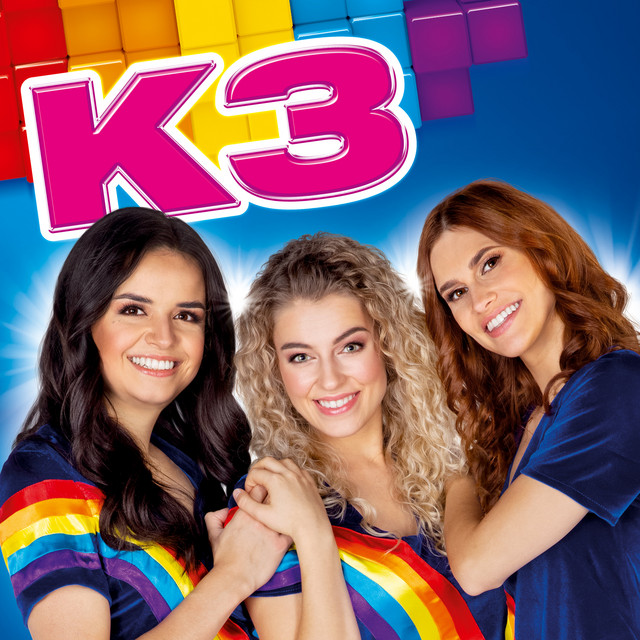
![Zomerlijf (uit Liefde Voor Muziek) [Live]](https://i.scdn.co/image/ab67616d0000b273070eabf0bc89fdafda90af0a)
![Beest (uit Liefde Voor Muziek) [Live]](https://i.scdn.co/image/ab67616d0000b2735d8fc4fda4255d665aff8d36)