Your digging level
Description
Children's story is a narrated, music-supported form that presents tales, fables, and picture-book narratives specifically for young listeners.
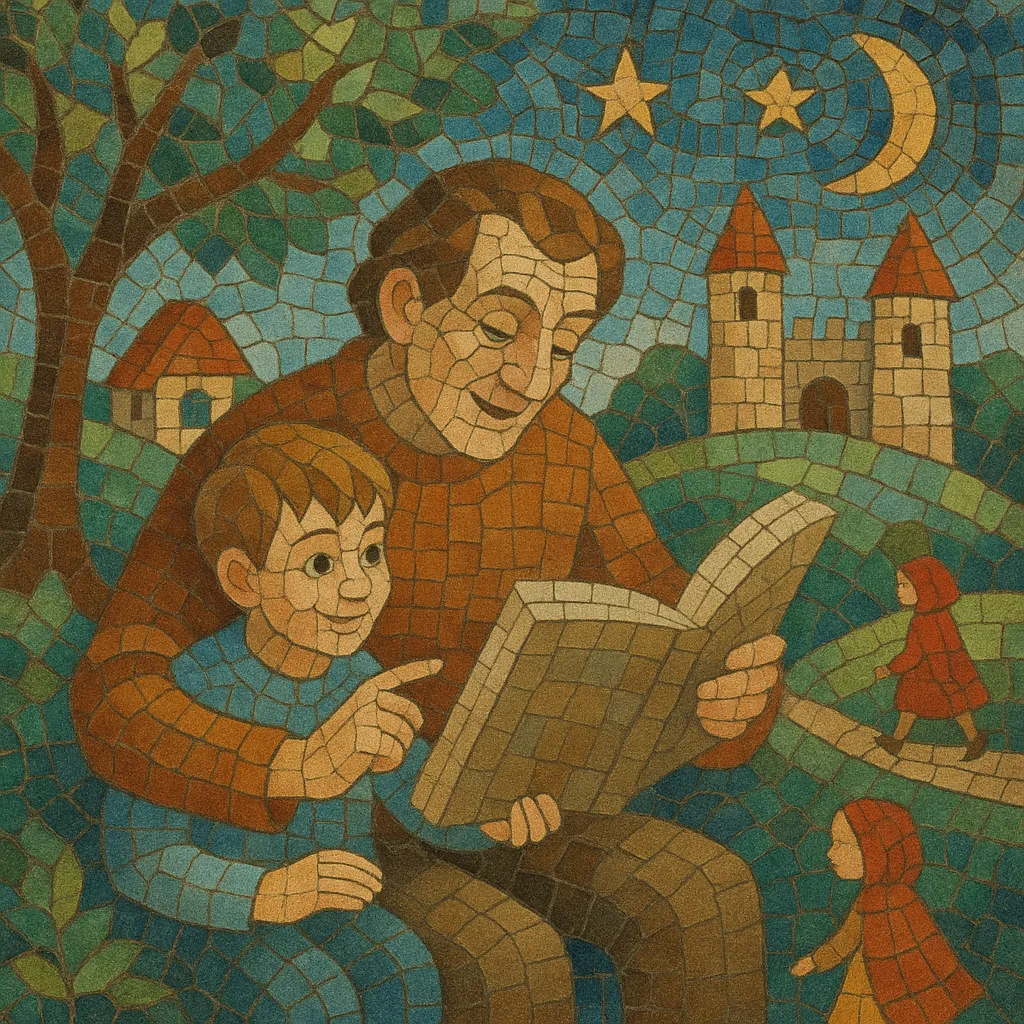
It blends spoken narration with gentle underscoring, character leitmotifs, and simple sound effects to spark imagination and aid comprehension. Typical releases include fairy tales, folk tales, and moral stories, often packaged as read‑along records or cassettes with chimes to signal page turns. The pacing is unhurried, diction is clear, and vocabulary is age-appropriate, making it suitable for bedtime listening, classrooms, and family entertainment.
Musically, arrangements favor warm timbres—small orchestras, woodwinds, acoustic guitar, piano, celesta/glockenspiel, and light percussion—supporting but never overpowering the voice. The focus remains on storytelling, with music guiding mood and scene changes.
History
Early narrative recordings appeared in the first half of the 20th century as labels realized the new home phonograph could deliver stories to children. Storytelling practices drawn from folktales and nursery rhymes converged with the era’s spoken‑word and radio drama techniques—clear diction, scene‑setting music, and foley cues.
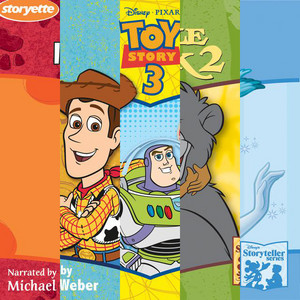
In the 1940s–1950s, specialized children’s imprints such as Little Golden Records and Disneyland Records systematized the format. Read‑along book‑and‑record sets popularized a now‑iconic convention: a chime or tone that signals when to turn the page. Narrators with theatrical backgrounds, plus light orchestral ensembles, created vivid but gentle sound worlds for classics like Cinderella, Peter Pan, and Aesop’s Fables.
The 1960s–1980s saw synergy with TV and film. Familiar voices from children’s programming and cinema narrated catalogue titles, while labels like Peter Pan Records issued affordable LPs and cassettes for libraries and schools. The format broadened to include educational themes (numbers, safety, science) without losing its story-first identity.
From the 1990s onward, CDs and then streaming/audiobook platforms revived the read‑along model with higher fidelity, wider catalogues, and global availability. Interactive e‑books added visuals and touch cues while retaining the classic structure: clear narration, gentle underscore, and unobtrusive sound effects. Today, children’s story remains a staple of family listening, classroom literacy activities, and bedtime routines.