Your digging level

For this genre
0/8
🏆
Sign in, then listen to this genre to level up

Description

Pohádky is a Czech-language audio storytelling genre centered on narrated fairy tales and children’s radio plays. It blends expressive narration with character voices, simple songs, and richly scored incidental music, often punctuated by whimsical foley and sound design.

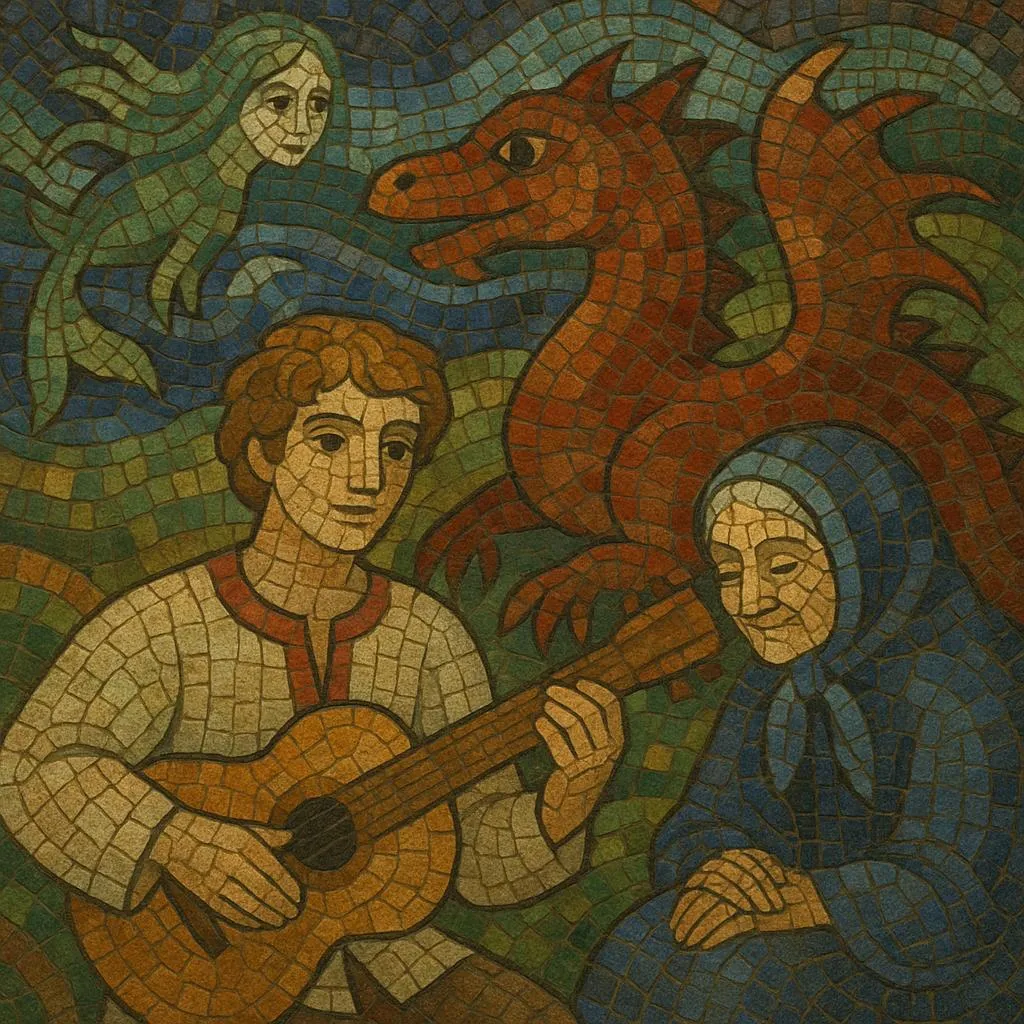
Rooted in Czech folk motifs (clever farm boys, water sprites, dragons, wise grandmothers) as well as literary tales, pohádky were popularized through public radio, theater-trained actors, and later mass-market LPs and cassettes. The result is a warm, immersive format intended for family and bedtime listening, combining the intimacy of spoken word with the cinematic sweep of orchestral cues.

While inherently local in language and folklore, the style is part of the wider Central European tradition of radio drama for children and stands at the crossroads of spoken word, classical scoring, and pedagogical children’s culture.


Sources: Spotify, Wikipedia, Discogs, RYM, MB, user feedback and other online sources

History

Early Broadcast Roots (1930s–1940s)

Czechoslovak Radio (Československý rozhlas), founded in 1923, began experimenting with children’s programming in the interwar period. By the 1930s, dedicated story hours emerged, featuring trained stage actors and educators, establishing the core pohádky template: a narrator-led tale with character dialogues, live foley, and live or library music.

Vinyl, Labels, and a Golden Era (1950s–1980s)

After World War II, children’s storytelling flourished on radio and migrated to discs and tapes as state labels (most notably Supraphon, alongside Panton) pressed narrated fairy tales for the home. Theater and film actors brought polish and charisma, while composers provided tonal, easily memorable cues with celesta, harp, flutes, and strings. Through the 1960s–1980s, LP and cassette editions turned beloved radio fairy tales into household staples, reinforcing folklore literacy and shared family listening rituals.

Post-1989 Diversification (1990s)

With market liberalization, independent publishers, new studios, and audiobook imprints broadened the catalog. Classic recordings were reissued on CD, and contemporary writers and actors refreshed the repertoire. Production values expanded, blending traditional orchestration with modern studio techniques.

Digital Era: Audiobooks and Podcasts (2000s–Present)

Streaming, podcasting, and on-demand platforms ushered pohádky into a new phase. Remastered classics found fresh audiences while new productions embraced surround-style sound design, distributed storytelling (chapter serials), and bilingual editions. Despite evolving technology, the hallmarks remain: clear storytelling, moral clarity, folkloric archetypes, and inviting, consonant musical cues.

How to make a track in this genre

Narrative and Structure
•   Choose a classic Czech fairy-tale plot (or an original in that spirit) with a simple three-act arc, clear stakes, and a moral lesson. •   Use a primary narrator for cohesion, interleaving short dialogues for key characters. Keep sentences concise and vivid for children.
Voice and Performance
•   Cast a warm, expressive narrator and 2–4 distinct character voices. Employ gentle humor, repetitive refrains, and call-and-response moments to aid attention and recall. •   Pace delivery at a calm conversational tempo; leave small silences for scene changes and listener imagination.
Music and Sound Design
•   Instrumentation: small chamber ensemble (strings, woodwinds, harp/celesta, light percussion), or high-quality orchestral samples. Favor consonant, diatonic harmony (I–IV–V progressions, modal color from Dorian/Mixolydian for folk flavor). •   Compose short leitmotifs for main characters and a theme for the narrator/journey. Use glockenspiel, celesta, and soft strings to signal magic and wonder; bassoon or low strings for danger; pizzicato for mischief. •   Rhythm: moderate 60–100 BPM for narration beds; brief interludes (waltz or polka lilt) can punctuate scene changes and dances. •   Foley: doors, wind, forest ambience, footsteps, and animal sounds—kept subtle under speech. Duck music/foley whenever dialogue starts.
Language and Lyrics
•   Write in clear Czech (or target language) with folkloric expressions and gentle alliteration. If adding songs, keep melodies stepwise and repetitive (8–16 bars) so children can hum along.
Production Tips
•   Record narration with a close, dry microphone; add light room reverb post‑production for cohesion. •   Mix priorities: speech intelligibility first, then underscore, then foley. Use sidechain ducking on the music bus keyed to narration. •   Chapter markers and short recaps help serial releases; include a consistent intro/outro sting for branding.
Ethical and Educational Considerations
•   Age-appropriate peril; resolve tension with reassurance. •   Highlight virtues (kindness, cleverness, fairness) and integrate gentle cultural or nature knowledge where fitting.

Top tracks

Locked
Share your favorite track to unlock other users’ top tracks

Upcoming concerts

in this genre
Influenced by
Has influenced

Download our mobile app

Get the Melodigging app and start digging for new genres on the go
© 2026 Melodigging
Melodding was created as a tribute to Every Noise at Once, which inspired us to help curious minds keep digging into music's ever-evolving genres.
Buy me a coffee for Melodigging