Your digging level

For this genre
0/8
🏆
Sign in, then listen to this genre to level up

Description

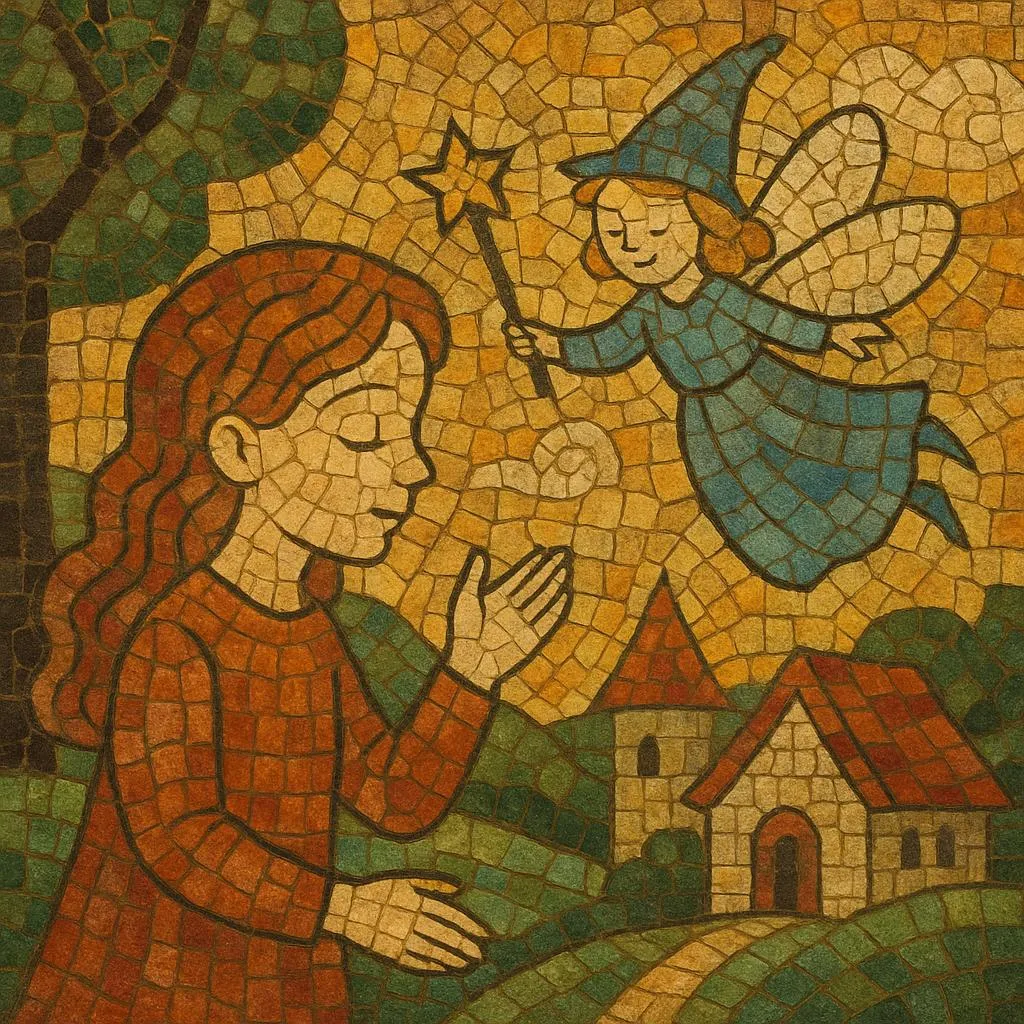
Barnsagor is a Swedish term meaning “children’s stories” and, as a catalog genre, it usually refers to narrated fairy tales and children’s adventures released as audio.

The core is spoken storytelling (often with character voices), supported by simple musical themes and sound effects that clarify setting, actions, and emotions.

In streaming-era usage, barnsagor often overlaps with audio drama and spoken-word children’s content, including serialized tales, classic fairy tales, and branded story worlds.


Sources: Spotify, Wikipedia, Discogs, Rate Your Music, MusicBrainz, and other online sources

History

Roots and early formats

Oral storytelling traditions and printed fairy tales formed the cultural base, but the audio form developed through radio programming for children and early recorded narration.

Post‑war expansion (LP, cassette, broadcast)

From the mid-20th century onward, children’s story recordings became a mainstream family format in Sweden, aided by public broadcasting, vinyl releases, and later cassette tapes. Productions commonly paired narration with light incidental music and foley-like effects to keep young listeners oriented.

Digital and streaming era

In the 2000s and especially the 2010s, barnsagor shifted strongly toward on-demand listening. Short episodic tracks, bedtime-friendly pacing, and consistent “series branding” became common, while production values broadened from minimal narration to fully sound-designed audio-drama style releases.

Contemporary identity

Today, barnsagor functions as a practical, listener-facing genre tag: it groups narrated children’s tales regardless of whether the source is original fiction, retellings, educational stories, or franchised story worlds.

How to make a track in this genre

Core format
•   Narration first: Write a story that can be followed without visuals. Favor clear scene changes and frequent, concrete verbs. •   Length & structure: Many releases work well as 5–15 minute episodes or 20–45 minute chapters, with a recap-like opening for serials.
Voices and performance
•   Character differentiation: Use distinct timbres, pacing, and catchphrases rather than extreme accents. Keep intelligibility high. •   Listener age targeting: For younger children, slow down, repeat key information, and use predictable phrasing.
Music (incidental cues)
•   Themes: Create a short main motif (4–8 bars) that can return between scenes. •   Harmony: Keep progressions simple (I–V–vi–IV, I–IV–V) or modal/folk-like for fairy-tale atmosphere. •   Instrumentation: Common choices are piano, glockenspiel/celesta-like tones, soft strings, acoustic guitar, light percussion, and warm pads.
Sound design and effects
•   Functional foley: Use footsteps, doors, wind, forest ambience, and “magic” sounds to clarify actions. •   Mix priorities: The voice must be the loudest and clearest element. Use gentle EQ cuts in music/SFX around speech intelligibility (roughly 1–4 kHz) and avoid sharp transients.
Rhythm, pacing, and dynamics
•   Bedtime-friendly pacing: Favor steady, unhurried delivery and avoid sudden loud sounds. •   Dynamic shaping: Build tension with quieter ambiences and sparse music; resolve with warmer harmony and reduced SFX density.
Writing and lyrical content
•   Typically non-lyrical: If songs appear, keep them short, repetitive, and story-integrated (e.g., a character’s chant). •   Moral/lesson handling: Prefer showing consequences through plot rather than explicit lecturing, unless the content is educational by design.
Production checklist
•   Record clean narration (low noise floor), edit breaths and clicks, then layer ambience → foley → music. •   Master to comfortable loudness for children’s listening, avoiding aggressive limiting and harsh brightness.

Top tracks

Locked
Share your favorite track to unlock other users’ top tracks
Influenced by
Has influenced
Challenges
Digger Battle
Let's see who can find the best track in this genre

Download our mobile app

Get the Melodigging app and start digging for new genres on the go
© 2026 Melodigging
Melodding was created as a tribute to Every Noise at Once, which inspired us to help curious minds keep digging into music's ever-evolving genres.
Buy me a coffee for Melodigging