Your digging level
Description
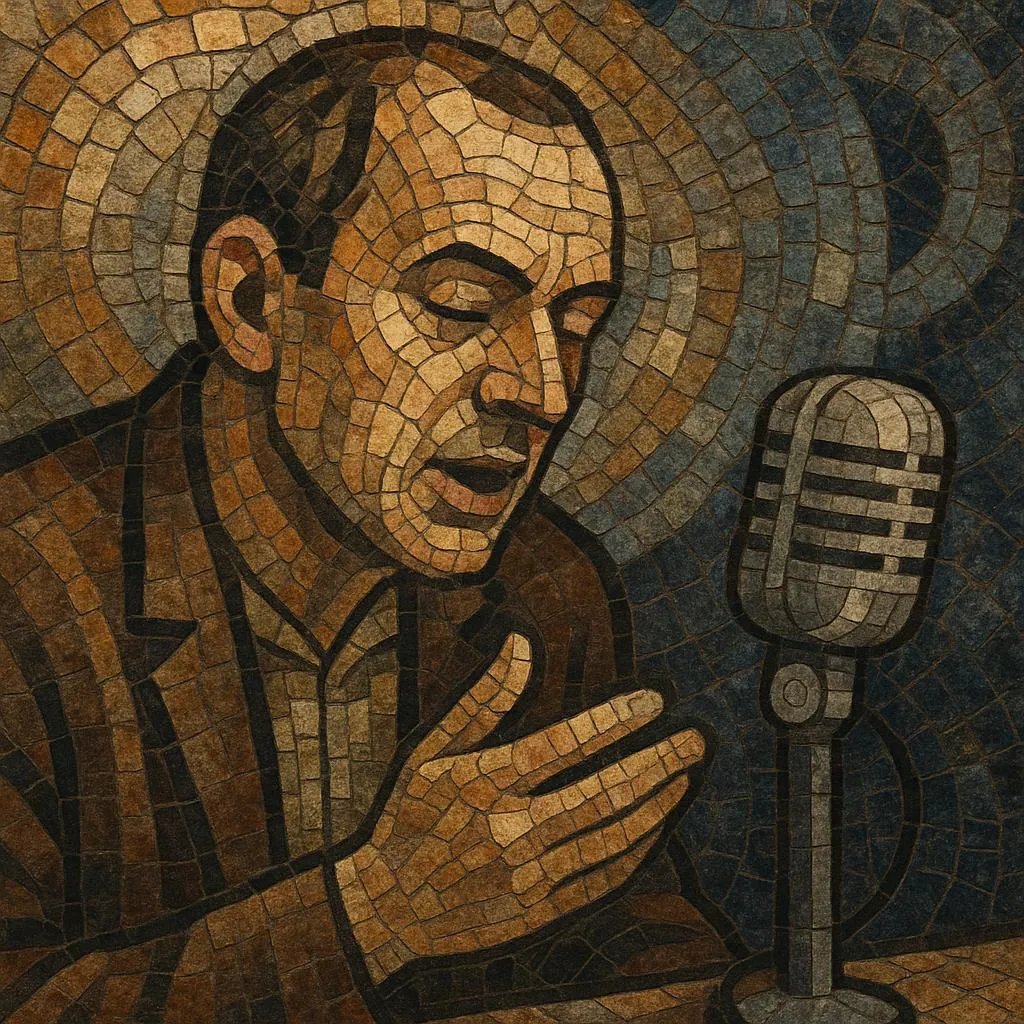
Mluvené slovo (literally “spoken word” in Czech) is a Czech-language umbrella genre for recorded and broadcast speech-based performance: literary readings, radio plays, monologues, essays, storytelling, cabaret sketches, satirical dialogues, and author recitations.
It prioritizes diction, timbre, pacing, and interpretive acting over melody or groove. Music and sound design appear as supportive elements—stings, leitmotifs, scene-setting ambiences, or comedic punctuations—rather than as the focus. Historically tied to Czech broadcasting and theatrical traditions, mluvené slovo has lived on radio, vinyl/cassette/CD releases, and today in audiobooks and podcast-like formats.
Because it spans literature, theatre, and journalism, the repertoire ranges from fairy-tale narration and classic prose to satirical commentaries, documentary features, and intimate authorial reflections.
History
Czech mluvené slovo grew alongside the creation of Czechoslovak radio (founded in 1923). News bulletins, recitations, dramatic scenes, and educational features quickly established a national taste for speech-centered programming. Theatre actors brought stage craft and clear diction to microphones, while engineers learned to stage voices and effects for the airwaves.
Post-war decades saw mluvené slovo consolidate as a recognizable publishing category. Public radio nurtured radio plays, documentary features, author readings, and literary series. Labels (notably state and later cooperative imprints) issued “mluvené slovo” LPs and cassettes: fairy tales, classic prose, humorous monologues, and radio-play adaptations. Many of the country’s most respected stage and screen actors recorded canonical texts, helping to codify performance conventions (careful prosody, expressive yet restrained delivery, and tasteful musical cues).
After 1989, market liberalization expanded audiobook production and reissue programs. Satirical and cabaret lineages resurfaced in new forms—live literary evenings, author talk recordings, and radio features—while studios adopted cleaner, closer vocal production and more flexible sound design.
Audiobooks and podcast-like series brought mluvené slovo to streaming and mobile listening. Public-service and independent producers now mix reportage, essay, and drama with modern post-production (soundscapes, foley, spatial audio). The genre remains a living conduit between Czech literature/theatre and audio: from children’s tales and classic novels to contemporary satire and documentary storytelling.