Your digging level

For this genre
0/8
🏆
Sign in, then listen to this genre to level up

Description

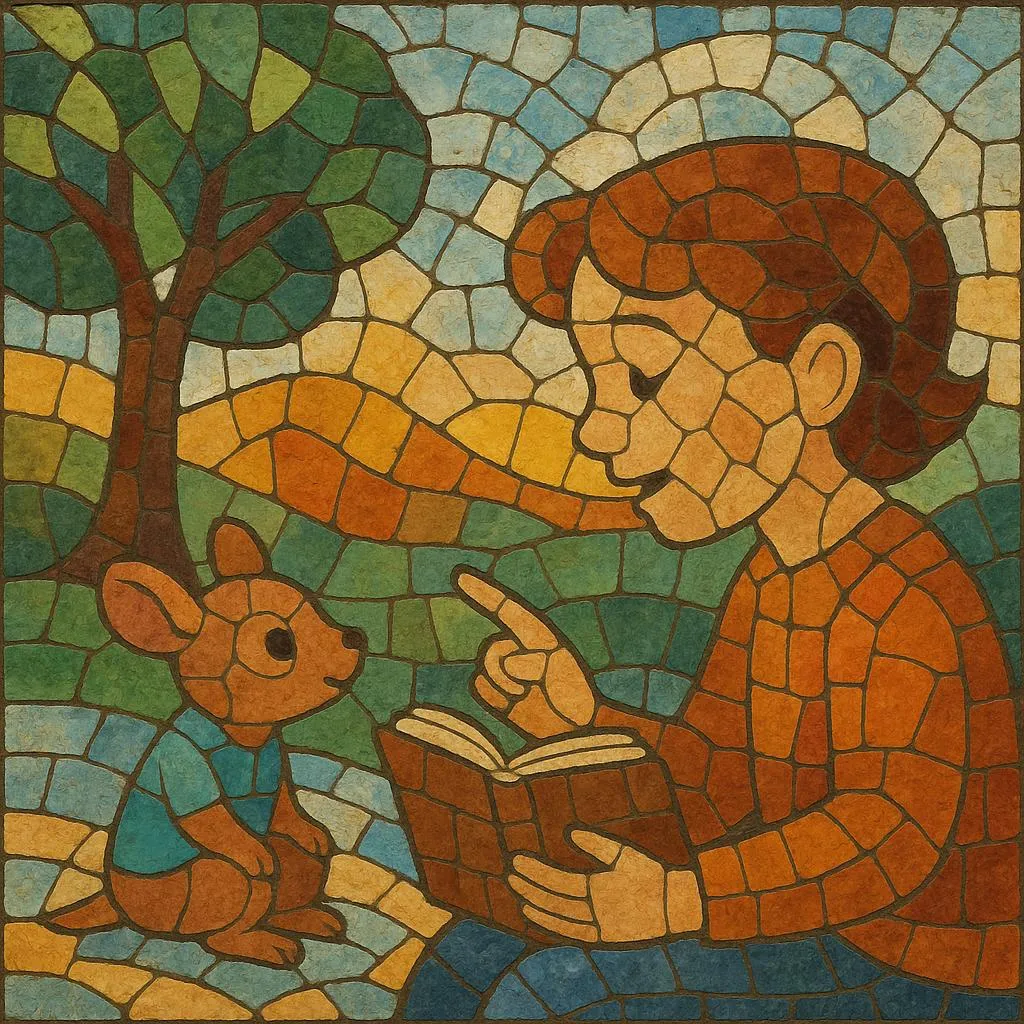
Cuento infantile is the Spanish-language tradition of narrated children's tales set to music and sound effects. It blends spoken storytelling with simple songs, leitmotifs, and playful foley to bring classic fables, folk tales, and original stories to life for young listeners.

Typical productions feature a lead narrator, character voices, and gentle background music that cues mood and action. The tone is educational yet entertaining, emphasizing moral lessons, imagination, and early language development. Releases often appear as short singles, themed albums, or podcast-style series aimed at preschool and primary-school audiences.


Sources: Spotify, Wikipedia, Discogs, RYM, MB, user feedback and other online sources

History

Early roots (radio and shellac/LP era)

Spanish-speaking storytellers and educators had performed "cuentos" for centuries, but the recorded "cuento infantile" format crystallized in the mid‑20th century as radio theaters for children and early children's 78s/LPs popularized narrated tales with incidental music. Stations and labels in Spain and across Latin America adapted European folk stories and local fables, adding musical cues so children could “read along” or follow scene changes.

Cassette and school-market boom (1970s–1990s)

Affordable cassettes and school audio programs expanded the format. Household labels and children’s TV tie‑ins commissioned narrations with character voices, catchy refrains, and simple orchestration (guitar, piano, small ensemble). The medium became a staple of preschools, libraries, and family road trips throughout Spain, Mexico, Argentina, Chile, and beyond.

Digital migration (2000s–present)

With CDs, streaming, and podcasts, cuento infantile diversified: bilingual releases, sound‑designed “audio‑cinema” tales, and interactive editions with on‑screen text cues. Contemporary productions balance classic folklore with new original series, integrating multicultural instrumentation and modern audio post‑production (layered ambiences, spot SFX, and leitmotif themes). The format now thrives on platforms for bedtime listening, classroom use, and car playlists.

Aesthetic traits and pedagogy

Narration is central, supported by diatonic, singable motifs, slow-to-moderate tempos, and clear diction. Scripts emphasize repetition, rhyme, and call‑and‑response to reinforce vocabulary and story structure. Many releases include moral codas or questions to prompt discussion, aligning the genre with early‑childhood literacy goals.

How to make a track in this genre

Core instrumentation
•   Narrator/voice actors as the lead “instrument.” •   Simple harmonic bed: acoustic guitar or piano, light strings or pads, small percussion (shakers, handclaps), and occasional flute/recorder. •   Foley and spot SFX (doors, footsteps, animals, wind) to illustrate actions and settings.
Harmony & melody
•   Favor diatonic major keys for warmth; occasional natural minor for suspense. •   Short, singable leitmotifs for characters and places (2–4 bars). •   Use I–IV–V and ii–V–I progressions; keep modulations rare and clear.
Rhythm & pacing
•   Moderate tempos (70–110 BPM) to match speech intelligibility. •   Insert musical stingers at scene changes; use drones/pads under exposition and light grooves under action.
Narration & lyrics
•   Write in clear, age‑appropriate Spanish with repetition and rhyme. •   Employ call‑and‑response and refrains children can echo. •   Conclude with a gentle moral or reflective prompt.
Structure
•   Overture (theme) → Exposition with soft underscore → Conflict with SFX & rhythmic lift → Resolution → Closing song or recap. •   Add page‑turn chimes or cue tones if paired with print/visuals.
Production tips
•   Prioritize vocal clarity: de‑ess, light compression, minimal reverb. •   Pan SFX for spatialization without distracting from narration. •   Keep loudness comfortable for small speakers/car listening; avoid harsh transients.
Performance considerations
•   Distinct character voices with consistent timbre. •   Use pauses and dynamic contour to punctuate jokes, surprises, and morals. •   Invite participation (clapping patterns, counting, animal sounds) to sustain attention.

Top tracks

Locked
Share your favorite track to unlock other users’ top tracks

Upcoming concerts

in this genre
Influenced by
Has influenced

Download our mobile app

Get the Melodigging app and start digging for new genres on the go
© 2026 Melodigging
Melodding was created as a tribute to Every Noise at Once, which inspired us to help curious minds keep digging into music's ever-evolving genres.
Buy me a coffee for Melodigging