Genres
Artists
Albums
Make Music
Sign in
Sign in
Artists
Hard Bop
Artists
Hard Bop
Zez Confrey
1998
·
1 album
Listen
1
/5
Genres
Hard Bop
Hard bop is a mid‑1950s subgenre of jazz that extends bebop’s virtuosic improvisation while bringing back a more explicitly African‑American groove. It incorporates pronounced influences from blues, rhythm & blues, and gospel—especially evident in riff‑based heads, church‑like harmonic movements on piano, and earthy saxophone phrasing. Compared with bebop, hard bop favors stronger backbeat accents, more grounded bass lines, and memorable, soulful melodies, all while retaining fast, harmonically rich improvisation when desired. Typical ensembles are small groups (often quintets) with trumpet, tenor sax, piano, bass, and drums. The style’s hallmark is the blend of bop harmony and lines with blues/gospel feeling and a driving swing feel.
Discover
Listen
Caucasian Classical Piano
Caucasian classical piano refers to the solo and chamber piano traditions that grew out of the South Caucasus—primarily Armenia, Georgia, and Azerbaijan—where European concert practice fused with local modal systems, folk melodies, and liturgical chant. Stylistically, the repertoire often marries late-Romantic and early-20th‑century pianism (coloristic pedaling, bravura textures, character pieces, and didactic cycles) with idioms specific to the region: Armenian folk and sacred modes, Georgian polyphonic fingerprints (drones and open-fifth sonorities), and Azerbaijani mugham-derived melismas and modal cadences. Across the 20th century, conservatories in Tbilisi, Baku, and Yerevan produced composers and pianists who framed local musical language within Western forms—preludes, etudes, nocturnes, dances, and children’s pieces—creating a distinct regional pianistic voice within the broader classical canon.
Discover
Listen
Ragtime
Ragtime is an African American–rooted piano style that flourished from the 1890s to the 1910s, characterized by lively syncopation in the right hand against a steady, march-like “oom‑pah” accompaniment in the left hand. Typically written in 2/4 or 4/4 time and notated with straight (unswung) eighth notes, classic rags unfold in multiple 16‑bar strains, often in the form AABBACCDD. The music draws on cakewalk rhythms, marching-band forms, and popular song, and it became a sensation through sheet music, piano rolls, and parlor performance. Scott Joplin, known as the “King of Ragtime,” helped codify the genre’s refined, compositional approach, calling for moderate tempos and a clear, singing melody. Beyond solo piano, ragtime was arranged for small ensembles and orchestras, found a home in vaudeville and dance halls, and laid essential groundwork for early jazz, stride piano, and much of 20th‑century American popular music.
Discover
Listen
Albums
1998
Confrey: Piano Music
Zez Confrey, Eteri Andjaparidze
Caucasian Classical Piano
Similar artists
4
/5
Oscar Peterson Trio
Contemporary Post-Bop
Bebop
Cool Jazz
3
/5
Oscar Peterson
Jazz
Bebop
Cool Jazz
3
/5
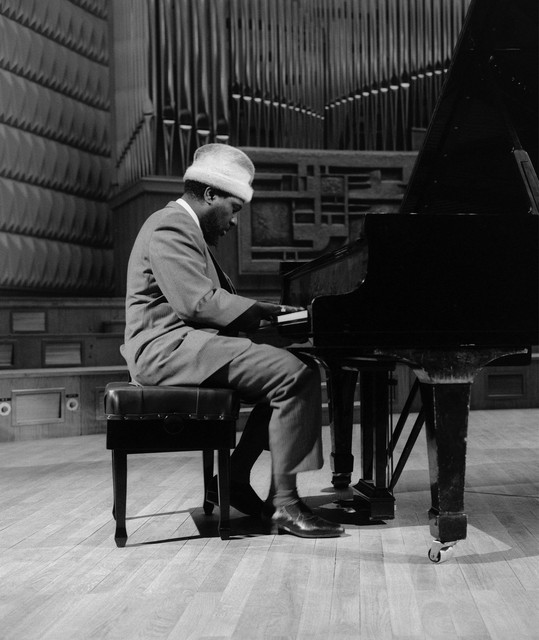
Thelonious Monk
Hard Bop
Jazz
Bebop
3
/5
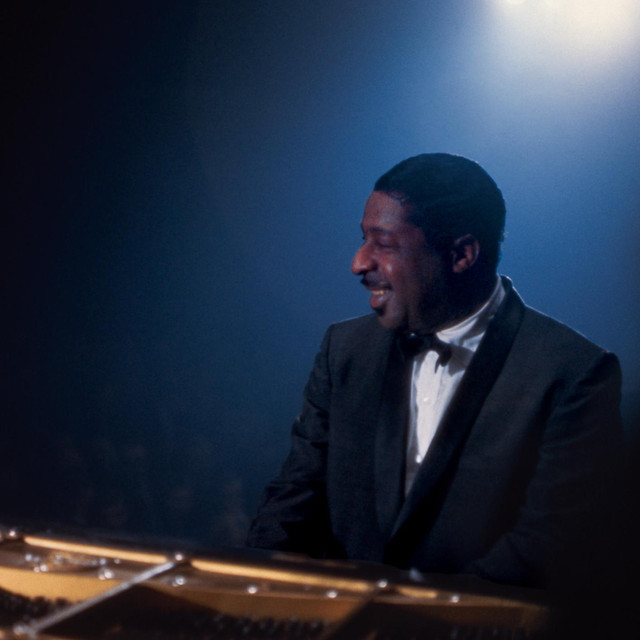
Erroll Garner
Stride
Jazz
Ragtime
3
/5
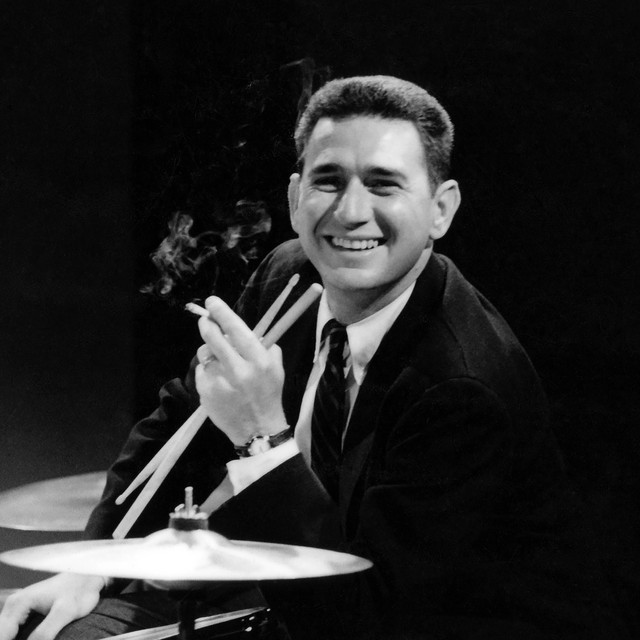
Shelly Manne
Bebop
Cool Jazz
Hard Bop
3
/5
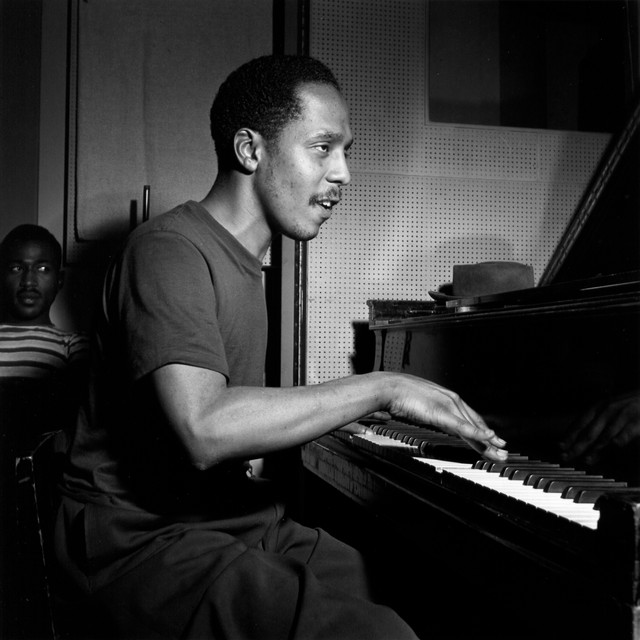
Bud Powell
Bebop
Jazz
Cool Jazz
2
/5
Earl Hines
Big Band
Boogie-Woogie
Hard Bop
1
/5
Evan Christopher
Hard Bop
Ragtime
Jazz Clarinet
1
/5
Jo Jones
Hard Bop
Jazz
Ragtime
1
/5
Clarence Jones
Bebop
Hard Bop
Jazz
Download our mobile app
Get the Melodigging app and start digging for new genres on the go
Download on the App Store
Get it on Google Play
© 2026 Melodigging
Give feedback
Legal
Melodding was created as a tribute to
Every Noise at Once
, which inspired us to help curious minds keep digging into music's ever-evolving genres.