Genres
Artists
Albums
Make Music
Sign in
Sign in
Artists
P-Funk
Artists
P-Funk
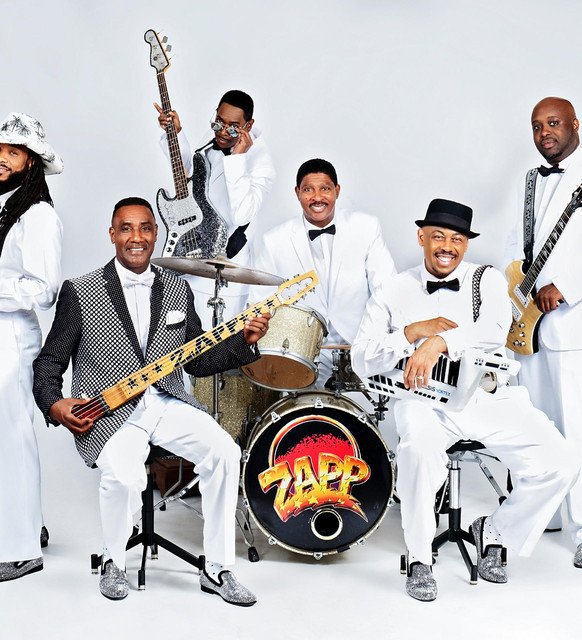
Zapp
1980–1993
·
3 albums
Listen
3
/5
Genres
Black Americana
Black Americana is a contemporary umbrella genre that centers Black artists within the traditions of Americana (roots-based U.S. music such as folk, country, blues, gospel, and soul). It often blends acoustic storytelling and roots instrumentation with Black musical lineages, highlighting themes of migration, labor, faith, resilience, love, and social justice. Rather than a single fixed sound, it is a scene and framing that reconnects “Americana” to its multiracial roots while pushing the style forward with modern production, R&B/soul phrasing, and genre-crossing songwriting.
Discover
Listen
Flint Sound
Flint sound is a contemporary Michigan rap style centered in Flint, United States. It is characterized by fast, minimal, piano- or organ-led beats, dry and upfront vocals, and bar-by-bar “punch‑in” delivery that often rides slightly ahead of or behind the grid for a conversational, off‑kilter feel. The production typically favors bright piano loops, staccato 808 slides, crisp claps or rimshots, and sparse percussion, leaving plenty of space for relentless punchlines, gritty street reportage, and mischievous humor. While hard-edged and streetwise, the style frequently leans into charismatic personality and wit, making it both aggressive and infectious for dancing.
Discover
Listen
Tech-Noir
Tech-noir is a musical subgenre and aesthetic within the synthwave and darksynth scenes, characterized by a dark, cinematic, and dystopian atmosphere. It draws heavy inspiration from 1980s science fiction and neo-noir films, blending retro-futuristic synthesizer melodies with driving basslines and industrial elements. The music often incorporates narrative storytelling, spoken word samples, and soundscapes that evoke a sense of urban decay, high-tech menace, and cynical romance.
Discover
Listen
Deep Funk Ostentacao
Deep funk ostentação is a moody, late‑night variant of São Paulo’s funk ostentação, emphasizing deeper sub‑bass, sparse percussion, and atmospheric pads while retaining the genre’s themes of luxury, status, and upward mobility. Compared with the brighter, EDM‑leaning hits of ostentação in the early 2010s, the “deep” approach strips arrangements down to hypnotic tamborzão grooves, 808 low‑end, and minimal, minor‑key synth motifs. Vocals often sit closer to the beat, with autotune and chant‑like hooks, but the lyrical focus remains on conspicuous consumption (cars, brands, nightlife) filtered through a more introspective, nocturnal aesthetic.
Discover
Listen
Pixel
Pixel is an internet-born microgenre that blends chiptune’s 8‑ and 16‑bit timbres with glossy, high‑energy electropop and hyperpop production. You’ll hear pulse‑width‑modulated square leads, triangle basses, noise‑channel snares, rapid arpeggios that imply chords, and lots of game‑console sound design (NES/SNES/Genesis palettes). Melodies are bright and hooky, arrangements are tightly quantized and often very fast, and sound design leans “cute,” cartoonish, and ultra‑synthetic. Producers frequently add modern touches—side‑chain pumping, OTT compression, hard clip/bit‑crush distortion, and pitched/Auto‑Tuned vocals—so the result feels at once retro and contemporary. Aesthetically it signals retro‑gaming and net culture: UI bleeps, item‑pickup stingers, and level‑up flourishes sit alongside maximal, sugary pop writing. Typical tempos range from 120–170 BPM, with common detours into double‑time or halftime drops.
Discover
Listen
Classify
Classify is a streaming-era microgenre that blends light classical technique with contemporary pop repertoire, typically presented as unobtrusive instrumental covers. It prioritizes soft dynamics, gentle tempos, and intimate recording to create a calm, elegant backdrop suitable for studying, working, or events. Most arrangements are for solo piano, string quartet, cello/piano duos, or small chamber ensembles. Harmonies remain diatonic and consonant, melodies are clearly voiced, and textures favor arpeggios, ostinati, and sustained legato lines. The overall aesthetic borrows from modern classical and new age moods while retaining the familiarity of pop song forms.
Discover
Listen
Mega Funk
Mega funk is a recent branch of Brazilian funk that pushes the sound toward heavier, darker, and more minimal club drops. Tracks are typically built around a slow-to-mid tempo groove (roughly 100–120 BPM), with huge, overdriven 808 sub-bass slides, clipped kicks, and sparse, percussive hits. The style favors short vocal chops, catchphrases, and meme-ready hooks over full verses, often processed with pitch/formant shifting and aggressive compression to cut through massive systems. Arrangements borrow EDM-style build–drop dynamics, but keep the raw drum DNA of funk carioca and the car-audio emphasis of funk automotivo. The result is a dancefloor-oriented, high-impact sound engineered to shake speakers as much as bodies.
Discover
Listen
Modern Funk
Modern funk is a 21st‑century revitalization of late‑’70s/’80s boogie and electro‑funk aesthetics, filtered through contemporary R&B, hip‑hop production, and indie dance scenes. It emphasizes pocket‑tight grooves, syncopated basslines (often synth‑driven), crisp drum‑machine patterns, bright polyphonic synths, talkbox/vocoder leads, and clean, choppy rhythm guitar. Compared with classic funk, modern funk leans more on analog and early‑digital synth colors (Juno, Prophet, DX7, Moog), Linn/808/909‑style drums, glossy mixes, and ear‑candy arrangement details. Lyrically, it favors feel‑good party vibes, love themes, and everyday swagger, aiming for dancefloor immediacy with a retro‑futurist sheen.
Discover
Listen
Souldies
Souldies is a modern revival of classic lowrider “oldies” soul—slow, tender ballads rooted in 1960s and early-’70s sweet soul and doo‑wop aesthetics, reimagined by a new generation of largely Chicano/Latinx artists in Southern California. Characterized by warm, analog-leaning production, mellow backbeats, honeyed vocal harmonies, and heart‑on‑sleeve lyricism, the style favors mid‑slow tempos, tape‑like saturation, spring/plate reverb, and minimalist yet expressive arrangements. English and Spanish (or Spanglish) lyrics often explore love, longing, devotion, and cruising/lowrider culture. Souldies sits at the intersection of classic soul, rhythm & blues, northern soul selections, and Latin soul, offering a contemporary, community‑centered sound that feels both timeless and newly personal.
Discover
Listen
Post-Disco
Post-disco emerged at the turn of the 1980s as club music adapted to the backlash against late-1970s disco. It kept disco’s dance-floor focus but pared down the orchestral lushness, replacing strings and large horn sections with drum machines, synthesizers, and tighter funk- and soul-informed grooves. The style favors mid-tempo, bass-forward rhythms (often around 105–120 BPM), crisp handclaps, syncopated rhythm guitar, and glossy keyboard textures. It served as a bridge between classic disco and later developments like boogie, electro-funk, house, freestyle, and dance-pop, defining the sonic palette of early 1980s urban contemporary R&B.
Discover
Listen
Synth Funk
Synth funk is a strand of funk and post‑disco that foregrounds electronic instruments—particularly analog and early digital synthesizers, drum machines, and effects—while retaining funk’s syncopated groove and R&B songcraft. Typically driven by LinnDrum or TR‑808 patterns, rubbery synth bass lines, clipped rhythm guitar, bright stabs, and talkbox/vocoder leads, synth funk balances dance‑floor propulsion with sleek, radio‑ready hooks. It often uses extended seventh and ninth chords, call‑and‑response vocals, and glossy production associated with the early to mid‑1980s. The style is closely linked to the Minneapolis sound and overlaps with boogie and post‑disco, but it is generally more synth‑forward and machine‑tight than 1970s band‑centered funk. Its influence echoes through new jack swing, G‑funk, and modern retro‑leaning pop and electronic forms.
Discover
Listen
New Jack Swing
New jack swing is a late‑1980s fusion of contemporary R&B vocal harmony and melodies with hip‑hop’s drum programming, sampling aesthetics, and street attitude. It is defined by swung, hard‑hitting drum‑machine grooves (often with gated snares), bright synth stabs and bass, and a slick, dance‑oriented production style. Producers and vocal groups combined rap verses or talk‑style ad‑libs with smooth, hook‑forward choruses, making the sound equally suited for radio and choreography‑heavy performances. The style dominated U.S. pop and R&B charts from the late 1980s into the early 1990s, influencing mainstream pop as well as the first waves of K‑pop and shaping the trajectory of 1990s contemporary R&B.
Discover
Listen
P-Funk
P-funk (short for Parliament-Funkadelic or pure funk) is a highly amplified, psychedelic strain of funk characterized by deep, “on-the-one” grooves, rubbery bass lines, dense horn and vocal arrangements, and sci‑fi mythology. It blends earthy danceability with surreal, cosmic imagery and extended jam-based song forms. Centering around George Clinton’s Parliament and Funkadelic collectives, P-funk turned funk into an expansive, theatrical universe. Its sound mixes gospel call‑and‑response, soul harmonies, psychedelic rock guitars, and analog synthesizers into a thick, syncopated stew designed for both the dance floor and immersive listening. The result is music that is at once humorous and visionary, gritty and cosmic.
Discover
Listen
Funk
Funk is a rhythm-forward African American popular music style that centers on groove, syncopation, and interlocking parts. Rather than emphasizing complex chord progressions, funk builds tight, repetitive vamps that highlight the rhythm section and create an irresistible dance feel. The genre is marked by syncopated drum patterns, melodic yet percussive bass lines, choppy guitar "chanks," punchy horn stabs, call‑and‑response vocals, and a strong backbeat. Funk’s stripped-down harmony, prominent use of the one (accenting the downbeat), and polyrhythmic layering draw deeply from soul, rhythm and blues, jazz, gospel, and African rhythmic traditions. From James Brown’s late-1960s innovations through the expansive P-Funk universe and the slicker sounds of the 1970s and 1980s, funk has continually evolved while seeding countless other genres, from disco and hip hop to house and modern R&B.
Discover
Listen
Soul
Soul is a genre of popular music that blends the spiritual fervor and vocal techniques of African‑American gospel with the grooves and song forms of rhythm & blues and the harmonic palette of jazz and blues. It is defined by impassioned, melismatic lead vocals; call‑and‑response with backing singers; handclaps and a strong backbeat; syncopated bass lines; and memorable horn or string riffs. Typical instrumentation includes drum kit, electric bass, electric guitar, piano or Hammond organ, horns (trumpet, saxophone, trombone), and sometimes orchestral strings. Lyrically, soul ranges from love and heartbreak to pride, social commentary, and spiritual yearning. Regionally distinct scenes—such as Detroit’s Motown, Memphis/Stax, Muscle Shoals, Chicago, New Orleans, and Philadelphia—shaped different flavors of soul, while the style’s emotional directness and rhythmic drive made it a cornerstone of later funk, disco, contemporary R&B, and hip hop.
Discover
Listen
Show all 15 genres
Albums
1993
4
/5
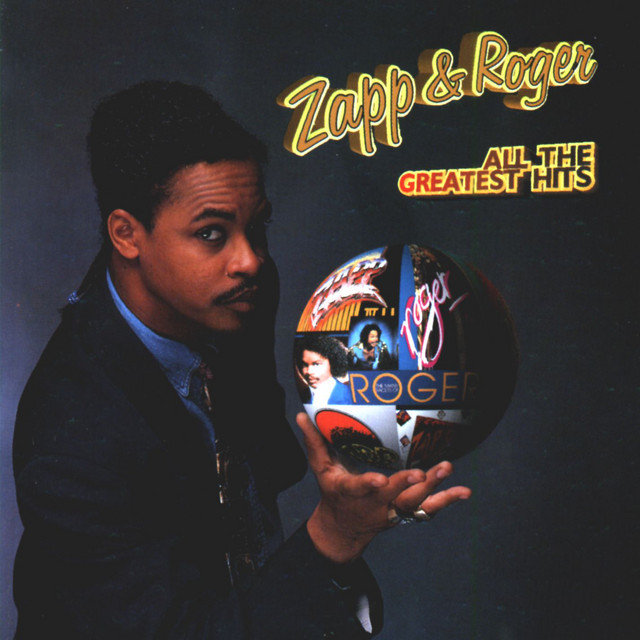
All the Greatest Hits
Zapp
Synth Funk
P-Funk
Post-Disco
1982
3
/5
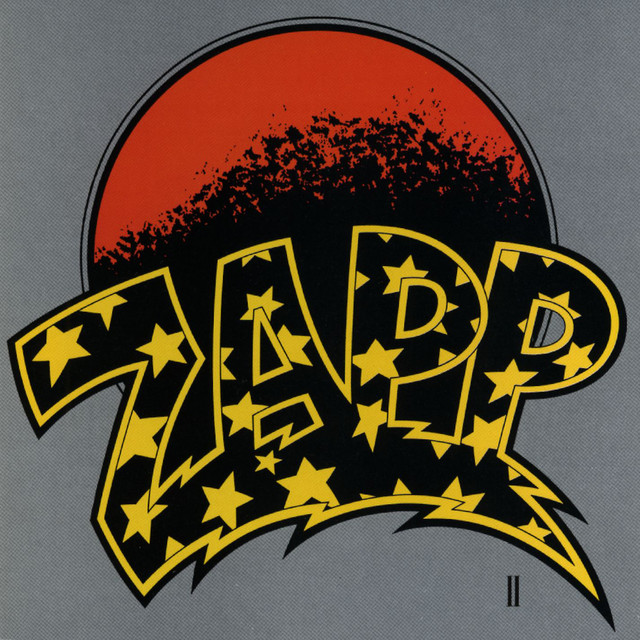
Zapp II
Zapp
Synth Funk
P-Funk
Funk
1980
3
/5
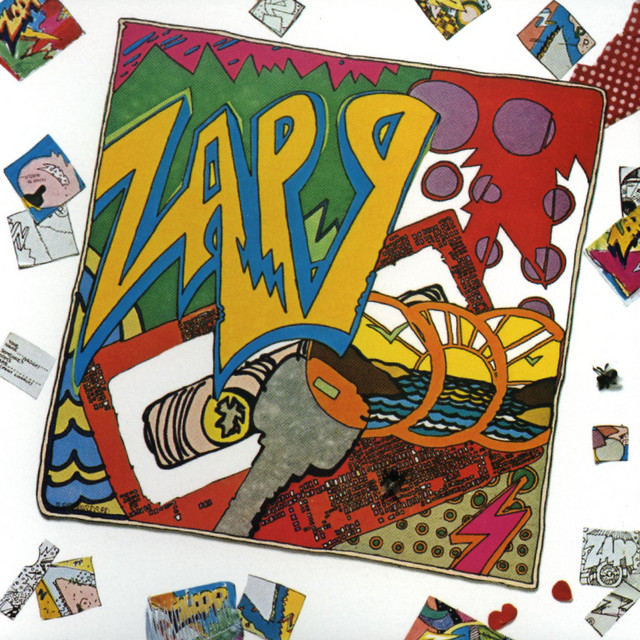
Zapp
Zapp
Synth Funk
P-Funk
Similar artists
1
/5
Various Artists
Afro-Funk
Alternative Rock
Ambient
4
/5
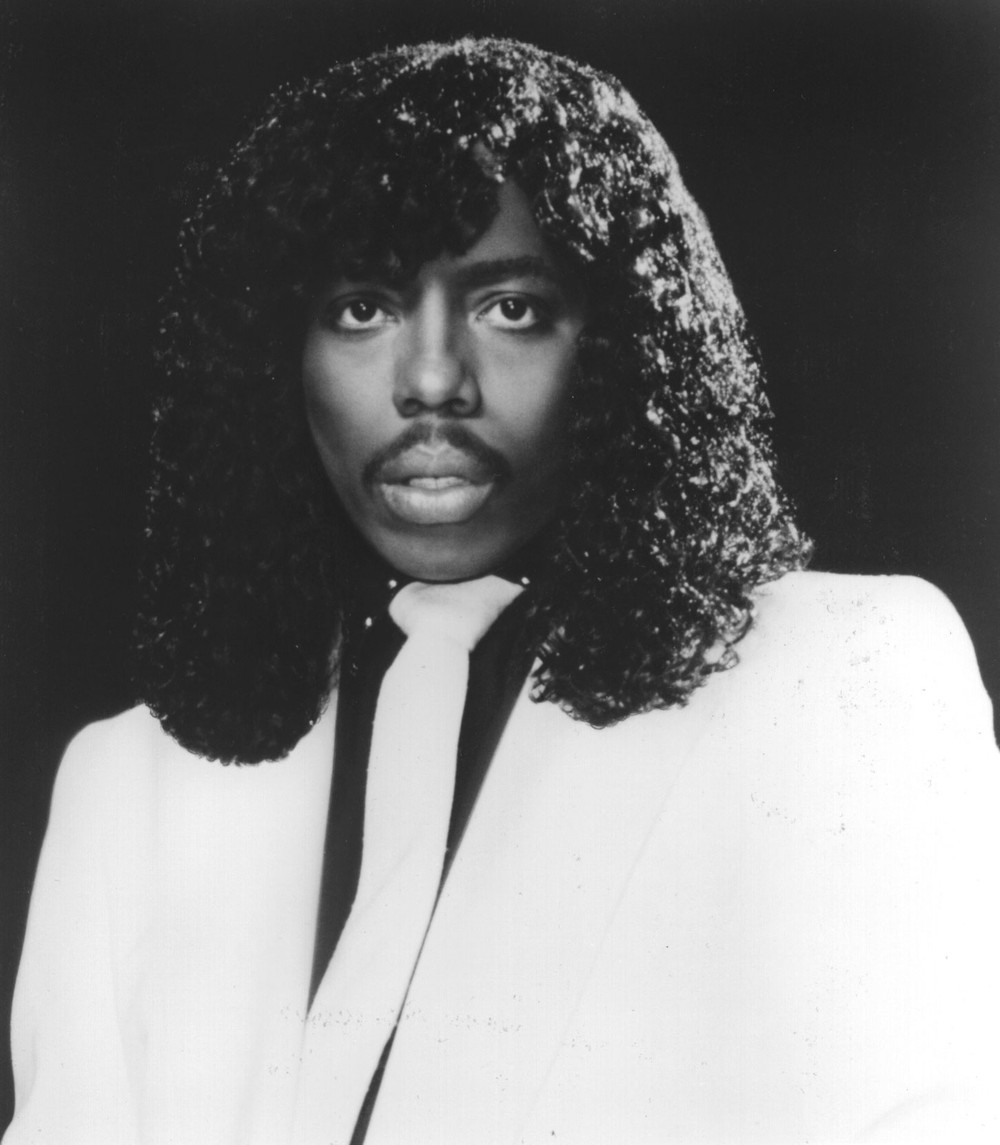
Rick James
P-Funk
Synth Funk
Disco
3
/5
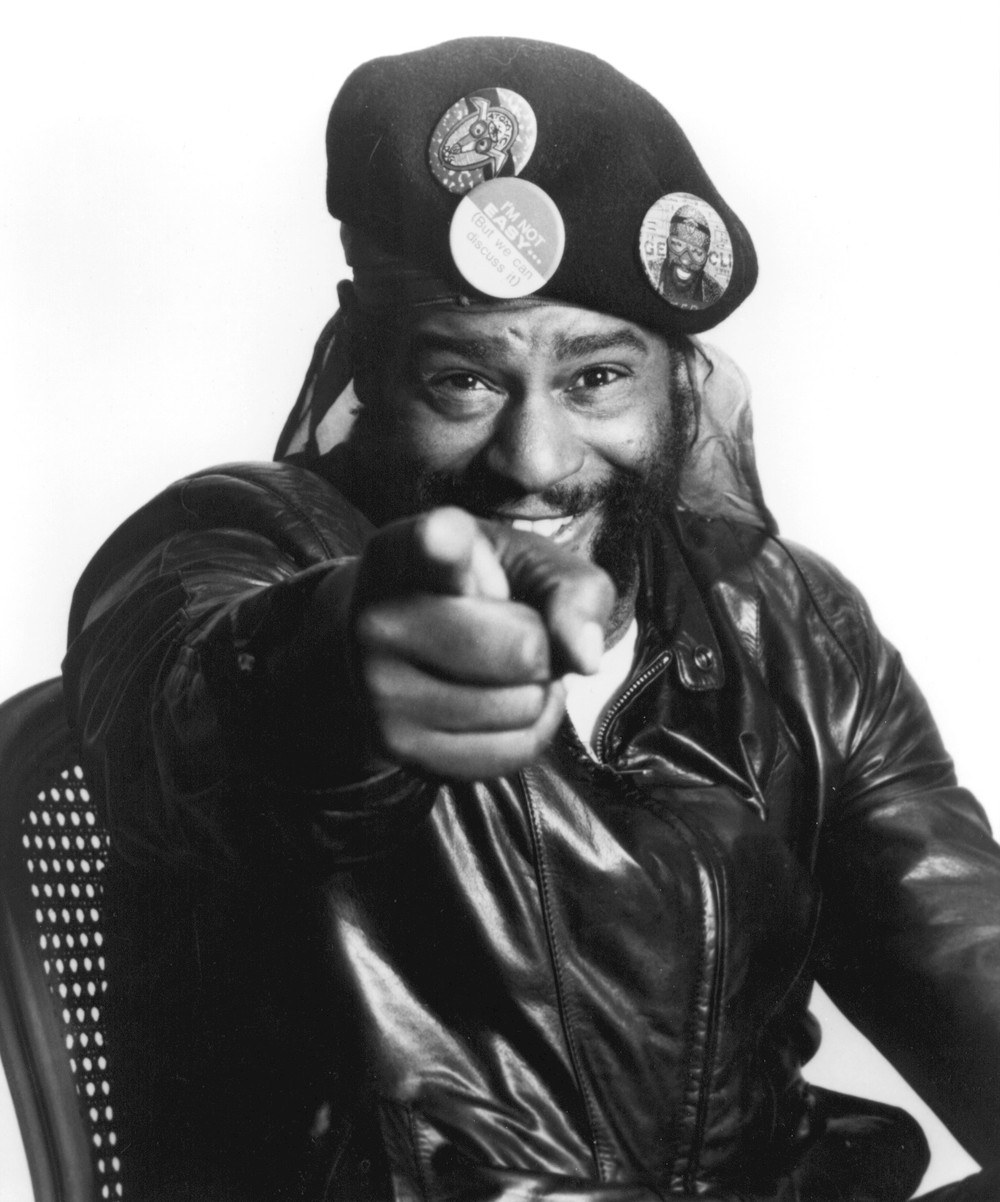
George Clinton
P-Funk
Digital Horror
Doomshop Phonk
3
/5
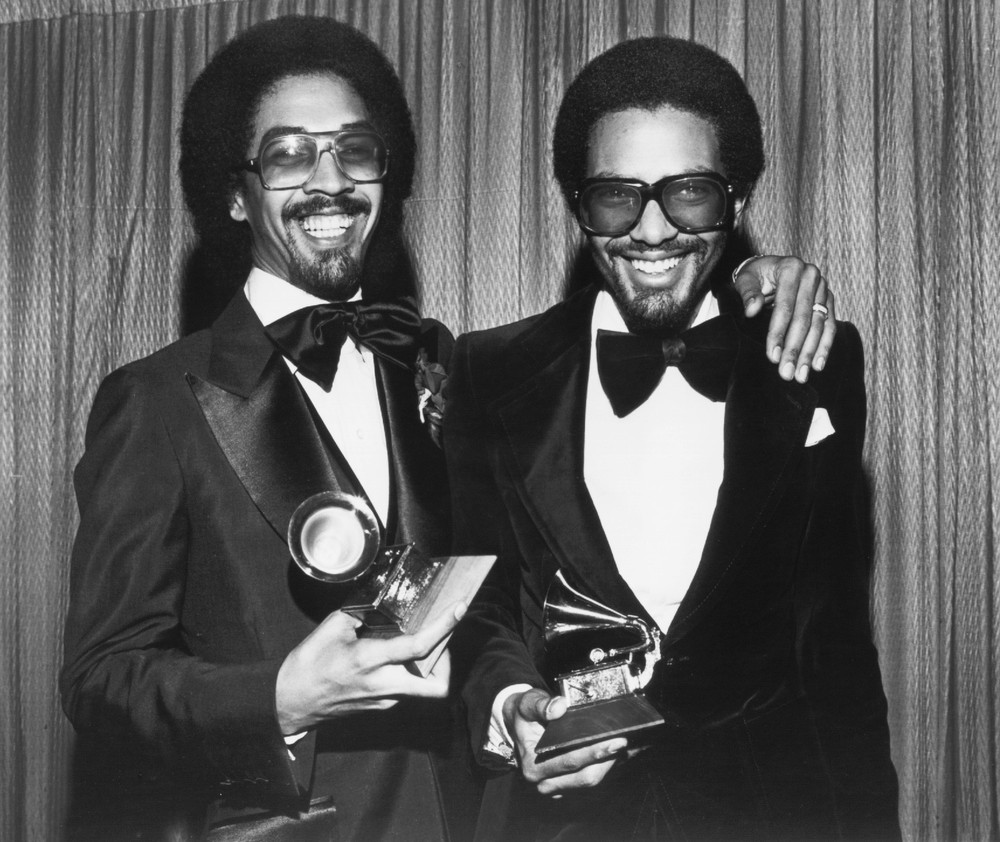
The Brothers Johnson
P-Funk
Chill Pop
Disco
3
/5
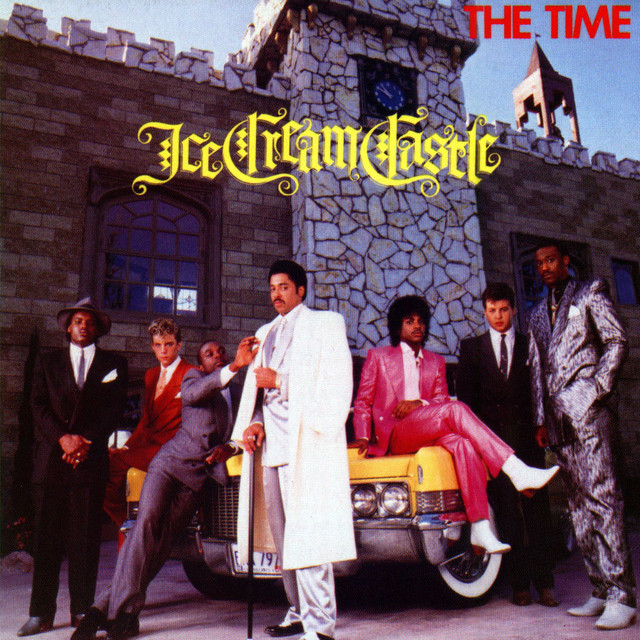
The Time
Funk
Post-Disco
Minneapolis Sound
4
/5
The Gap Band
P-Funk
Black Americana
Funk
3
/5
Cameo
P-Funk
Black Americana
Funk
3
/5
Mary Jane Girls
Funk
Flint Sound
Post-Disco
3
/5
Teena Marie
Post-Disco
Flint Sound
Minneapolis Sound
3
/5
The S.O.S Band
Minneapolis Sound
Boogie
Funk
Download our mobile app
Get the Melodigging app and start digging for new genres on the go
Download on the App Store
Get it on Google Play
© 2026 Melodigging
Give feedback
Legal
Melodding was created as a tribute to
Every Noise at Once
, which inspired us to help curious minds keep digging into music's ever-evolving genres.