Genres
Artists
Albums
Make Music
Sign in
Sign in
Artists
Experimental House
Artists
Experimental House
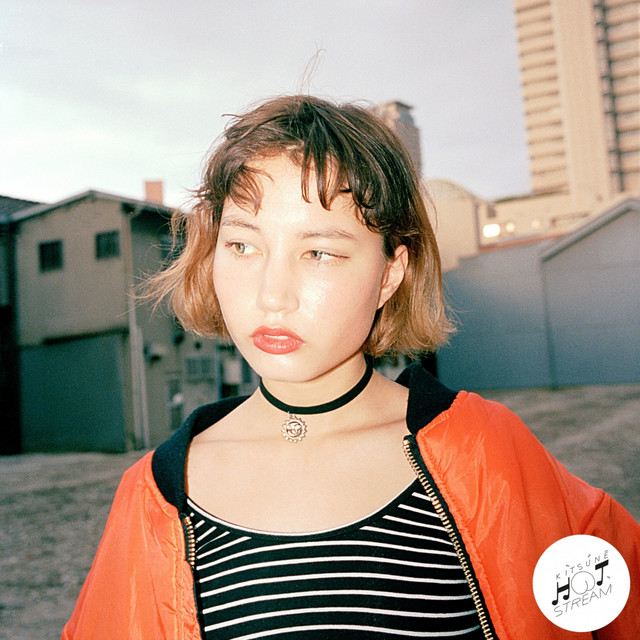
Yaeji
2017–2024
·
9 albums
Listen
3
/5
Genres
Deep Big Room
Deep big room is a hybrid branch of EDM that fuses the stadium-scale drops and arrangement of big‑room house with the warmer timbres, deeper basslines, and more groove‑led sensibilities of deep/progressive house. Instead of the piercing supersaw leads and maximalist claps typical of early‑2010s main‑stage tracks, deep big room favors chunky, sidechained low‑end, percussive toplines, filtered plucks, organ/piano stabs, and longer, moodier breakdowns. The result is music that still “hits” on large systems but reads less abrasive—more rolling, hypnotic, and groove‑centric—while retaining crowd‑moving build/drop architecture.
Discover
Listen
Experimental Club Music
Experimental club music (often called post-club or deconstructed club) is a hybrid, avant‑garde approach to club production and performance that treats the dancefloor as a laboratory. It uses the grammar of contemporary club forms—heavy sub‑bass, kick patterns, samples, MC or chopped vocals—as raw material to be cut apart, collaged, and reassembled. Instead of four‑to‑the‑floor regularity, it favors asymmetry, abrupt contrasts, negative space, and extreme sound design drawn from noise, industrial, grime, ballroom/vogue, reggaeton, and internet culture. The result ranges from skeletal, percussive workouts to dense, cinematic soundscapes that can be as confrontational as they are cathartic. Just as importantly, the scene has been a site of diasporic, queer, and trans expression, where identity and politics are embedded in sonic choices and performance practice.
Discover
Listen
High Vibe
High vibe is a contemporary, wellness-oriented microgenre that blends uplifting pop songwriting with gentle electronic textures and spiritually tinged lyrics. It emphasizes positivity, gratitude, self-empowerment, and connection to nature, often employing soothing vocal timbres, airy pads, acoustic guitars or piano, and light, mid-tempo grooves. The production is spacious and warm, favoring reverb-washed atmospheres, soft percussion, and subtle world-influenced instrumentation to create a sense of calm elevation. While rooted in pop accessibility, high vibe draws on new age and devotional traditions, bringing mantra-like hooks and affirmational refrains into modern indie and electronic frameworks.
Discover
Listen
Indie Pop Rap
Indie pop rap blends the melodic hooks and DIY aesthetic of indie pop with conversational, often introspective rap delivery. The production favors warm, guitar- or synth-led beats, understated drums, and lo‑fi textures over bombastic trap maximalism. Lyrically, it leans personal and relatable—relationships, coming of age, mental health, and day-to-day vignettes—delivered in a half-sung, half-rapped style. The sound was shaped by bedroom producers and the streaming era, where low-stakes, catchy songs with intimate vocals thrive on playlists and social media.
Discover
Listen
Alternative R&b
Alternative R&B (often shortened to alt‑R&B or dubbed PBR&B) is a stylistic offshoot of contemporary R&B that fuses soul and hip hop vocal traditions with experimental electronic production and indie aesthetics. It is characterized by atmospheric, nocturnal sound design; sparse, half‑time or trap‑leaning drum patterns; deep sub‑bass; and intimate, often falsetto‑based vocals. Song forms frequently deviate from standard verse–chorus structures, favoring gradual builds, textural contrasts, and negative space. Harmonically, it leans toward minor modes and lush extensions (7ths, 9ths, add9s), while production favors reverb‑drenched pads, filtered synths, delicate guitar lines, and creative use of silence. Lyrically, the genre tends to be introspective and confessional—exploring themes of desire, vulnerability, alienation, and late‑night urban life—delivered with a cinematic, moody sensibility that bridges the underground and the mainstream.
Discover
Listen
Edm
EDM (Electronic Dance Music) refers to the mainstream, festival-oriented wave of electronic dance styles that rose to global prominence in the early 2010s. It emphasizes high-energy drops, ear-catching toplines, and crowd-pleasing arrangements designed for large stages and mass audiences. Musically, EDM typically sits around 124–130 BPM with a strong four-on-the-floor kick, wide supersaw leads, bright plucks, and heavily sidechained pads and basses for a pumping feel. Tracks are structured around tension-and-release: intros and builds lead to explosive drops, followed by breakdowns that rebuild energy. Vocals and pop-style songwriting frequently appear, enabling crossover success on radio and streaming platforms.
Discover
Listen
Escape Room
Escape room is a data-driven label popularized by Spotify to cluster artists who blur lines between alternative R&B, experimental pop, left-field hip hop, and cutting‑edge club/electronic production. Rather than a strict set of musical rules, it signals a sound defined by textural minimalism, sub‑heavy and off‑kilter rhythms, intimate vocal delivery (often breathy or ASMR-adjacent), and a strong emphasis on sound design and negative space. Songs frequently juxtapose glossy melodies with abrasive or deconstructed percussive layers, creating a stylish, future‑leaning mood that resists easy categorization. The name is unrelated to physical puzzle rooms; instead, it marks music that “escapes” legacy genre boxes while remaining pop‑adjacent and internet‑native in aesthetics and distribution.
Discover
Listen
Seapunk
Seapunk is an early-2010s internet-born microgenre and multimedia aesthetic that fuses retro-rave sonics with Y2K-era, ocean-themed visuals. Its sound blends 1990s house and trance riffs, chopped-and-screwed and vaporwave-adjacent sampling, splashy 808/909 drums, and glossy, “watery” synth textures. The visual world is as important as the music: turquoise/teal palettes, 3D chrome dolphins, coral gradients, pixel seas, and GIF-era net art. Together, these define a playful, nostalgic, and cyber-aquatic identity that celebrates both rave euphoria and web-native DIY culture.
Discover
Listen
Shimmer Pop
Shimmer pop is a glossy, hook-forward offshoot of indie pop that emphasizes bright, “glassy” textures and dreamy atmospheres. Its sound is defined by clean, chorus‑drenched guitars or twinkling synth arpeggios, lush pads, and wide, sparkling high‑end detail that gives the music a literal sense of shimmer. Production often merges retro new‑wave and synth‑pop colors with modern indietronica polish, pairing side‑chained synths and gated reverbs with crisp, contemporary drum programming. Melodies are unabashedly pop, while the lyrics frequently explore romantic longing, youthful nostalgia, and late‑night introspection. Tempos typically sit in the mid‑tempo range, with steady 4/4 grooves or lightly syncopated patterns that keep the music buoyant and danceable without becoming aggressive. The overall mood balances optimism and wistfulness, creating a sound that feels both neon‑bright and emotionally tender.
Discover
Listen
Bubblegum Bass
Bubblegum bass is a hyper-sweet, high-gloss strain of experimental pop that exaggerates mainstream chart tropes until they feel surreal. It blends candy-coated melodies, plastic synth timbres, and pitch-shifted vocals with club-ready drums and maximalist sound design. Emerging around the London-based PC Music collective, the style often juxtaposes childlike hooks with abrasive textures, sudden drops, and tongue-in-cheek, consumerist imagery. The production is meticulous and synthetic—supersaws, metallic hits, hard sidechaining, and formant-shifted toplines—yet it retains an earworm pop sensibility. The result is music that feels both satirical and sincere: an ecstatic, futuristic twist on electropop and dance-pop that helped set the stage for the wider hyperpop movement.
Discover
Listen
Glitch Pop
Glitch pop is a strain of pop music that foregrounds digital errors and micro-edits as expressive hooks, fusing the tuneful structures of mainstream pop with the textural play of experimental electronica. Producers chop, stutter, and time-stretch vocals; sprinkle in clicks, cuts, and buffer-skip artifacts; and use bit-crushing or granular resynthesis alongside bright synths and catchy choruses. Despite its love of sonic fragmentation, the genre remains song-first: verses and choruses are clearly defined, melodies are memorable, and harmonies tend to be consonant. The friction between pristine songwriting and intentionally broken sound design creates a delicate, intimate, and often melancholic shimmer that feels both futuristic and warmly human.
Discover
Listen
Jersey Club
Jersey club is a high-energy, club-oriented dance music from Newark, New Jersey that evolved in the early 2000s. It is known for punchy three-kick patterns, chopped vocal stabs, stop‑and‑go drops, and a relentless, call‑and‑response party ethos. Typically around 130 BPM, the sound blends house and breakbeat drum programming with hip‑hop sampling aesthetics. Producers often flip R&B hooks, sprinkle in signature effects (notably the "bed squeak" timbre popularized in 2000s rap), and build arrangements around short, repeatable phrases designed for coordinated dance routines.
Discover
Listen
Sambass
Sambass ("samba + bass") is a Brazilian take on drum and bass that fuses the breakbeat engine of DnB with the syncopated swing, percussion, and lush harmonies of samba and bossa nova. Typically in the 170–175 BPM range, sambass keeps rolling, liquid-style drums while layering pandeiro, cuíca, agogô, tamborim, and surdo patterns. Melodically, it borrows from Brazilian popular music and bossa nova—lush chords (maj7, 9ths, 11ths, 13ths), nylon‑string guitar or cavaquinho, and warm, melodic basslines—often with Portuguese vocals. The result is drum and bass that is simultaneously dance‑floor ready and sun‑drenched, combining high energy with feel‑good, soulful atmospheres.
Discover
Listen
Experimental House
Experimental house is a boundary‑pushing branch of house music that treats the dancefloor as a laboratory. It keeps the genre’s pulse—most often a four‑on‑the‑floor engine—but bends everything around it: rhythm can slip into off‑grid swing or broken patterns; timbres are sculpted through granular, spectral, or electroacoustic techniques; and arrangements prize surprise, tension, and negative space. Drawing on techno’s rigor, IDM’s sound design, ambient’s spatial imagination, dub’s mixing philosophy, and jazz/soul harmony, experimental house favors texture and process as much as groove. You’ll hear field recordings, found objects, micro‑edits, modular synths, and sample collage coexisting with warm chords and hypnotic basslines. It is as comfortable on a late‑night dancefloor as it is in headphones—equally a club form and a listening music.
Discover
Listen
Jungle
Jungle is a UK-born electronic music style defined by rapid, chopped breakbeats, heavy sub‑bass, and a deep dialogue with Jamaican sound‑system culture. Typical tempos sit around 155–170 BPM, with intensely syncopated drum programming that flips funk and jazz breaks (especially the Amen, Think, and Apache breaks) into kinetic, polyrhythmic mosaics. Its sound palette blends dub’s bass weight and echo, reggae and dancehall vocal toasting, hip‑hop sampling aesthetics, and the rave/hardcore continuum’s rave stabs and euphoria. In contemporary usage, jungle is often grouped under the broader umbrella of drum and bass; historically it directly preceded and seeded mid‑1990s drum and bass and is frequently treated as an early substyle of DnB.
Discover
Listen
Acid Techno
Acid techno is a harder, more driving offshoot of acid house that blends the squelching lines of the Roland TB-303 with the pounding rhythms and industrial edge of 1990s techno. It favors relentless 4/4 kicks, hypnotic 16th‑note bass patterns with accent and slide, and aggressive resonance sweeps that create a distinctive, corrosive timbre. Emerging largely from the UK free-party and squat-rave scenes, acid techno emphasizes raw energy, immediacy, and live hardware performance. Compared with acid house, it is faster, tougher, and more percussive; compared with mainstream techno, it leans heavily on the 303 as the central hook and motif. Typical tempos range from about 135 to 150 BPM, with arrangements built for long, tension-and-release transitions, filter rides, and layered drum machine grooves tailored to large, physically immersive sound systems.
Discover
Listen
Drum And Bass
Drum and bass (DnB) is a fast, rhythmically intricate form of electronic dance music centered on breakbeats at roughly 160–180 BPM and powerful, sub‑heavy basslines. It grew out of the UK’s early ’90s rave and jungle scenes, combining chopped funk breaks (most famously the Amen break), dub and reggae sound‑system aesthetics, hip‑hop sampling, and techno’s futurist sound design. Across its many substyles—liquid funk’s soulful harmonies, techstep and neurofunk’s cold, machine‑like bass engineering, jump‑up’s hooky bass riffs, atmospheric DnB’s pads and space—drum and bass remains a DJ‑oriented, dancefloor‑driven genre that prizes tight drum programming, deep low end, and precise arrangement for mixing.
Discover
Listen
Ghettotech
Ghettotech is a high‑velocity club style from Detroit that fuses the precision of Detroit techno and electro with the raw party energy of Miami bass, Chicago ghetto house, and hip hop. Typical tempos sit around 150–160 BPM, with clipped 808 drums, chattering hi‑hats, and razor‑sharp edits designed for rapid‑fire DJ mixing. Tracks are built from minimal loops, aggressive sub‑bass, and short, chant‑like vocals that are often sexually explicit and call‑and‑response in nature. The music leaves space for dancers—especially Detroit’s jit style—favoring functional, DJ‑tool arrangements, quick drops, and hard cuts over extended harmonic development. The overall effect is fast, body‑moving, and confrontational, optimized for packed, sweat‑soaked dance floors.
Discover
Listen
Downtempo
Downtempo is a mellow, groove-oriented branch of electronic music characterized by slower tempos, plush textures, and a focus on atmosphere over dancefloor intensity. Typical tempos range from about 60–110 BPM, with swung or laid-back rhythms, dub-informed basslines, and warm, jazz-tinged harmonies. Stylistically, it blends the spaciousness of ambient, the head-nodding rhythms of hip hop and breakbeat, and the cosmopolitan smoothness of lounge and acid jazz. Producers often use sampled drums, Rhodes or Wurlitzer electric pianos, guitar licks with delay, and field recordings to create intimate, cinematic soundscapes. The mood spans from soulful and romantic to introspective and dusk-lit, making it a staple of after-hours listening, cafes, and relaxed club back rooms.
Discover
Listen
House
House is a dance music genre that emerged in Chicago in the early 1980s, defined by a steady four-on-the-floor kick drum, off-beat hi-hats, soulful or hypnotic vocals, and groove-centric basslines. Typical tempos range from 118–130 BPM, and tracks are structured in DJ-friendly 16–32 bar phrases designed for seamless mixing. Drawing on disco’s celebratory spirit, electro-funk’s drum-machine rigor, and Italo/Hi-NRG’s synth-led sheen, house prioritizes repetition, tension-and-release, and communal energy on the dancefloor. Its sound palette often includes 808/909 drums, sampled or replayed disco/funk elements, filtered loops, piano/organ stabs, and warm, jazzy chords. Over time, house diversified into many substyles—deep house, acid house, French house, tech house, progressive house, and more—yet it remains a global foundation of club culture, known for emphasizing groove, inclusivity, and euphoria.
Discover
Listen
Synth-Pop
Synth-pop is a pop-oriented style that foregrounds the synthesizer as its primary instrument, often paired with drum machines and sequencers. It favors clean, melodic hooks, concise song structures, and a sleek, modernist sound that ranges from cool and minimal to lush and romantic. Emerging at the turn of the 1980s from the UK new wave and post-punk scenes, synth-pop leveraged affordable analog and then digital keyboards to bring electronic textures into the mainstream. Its sonic palette includes arpeggiated basslines, shimmering pads, bright leads, gated or machine-driven drums, and polished vocals that convey both futuristic detachment and emotional immediacy.
Discover
Listen
Hip Hop
Hip hop is a cultural and musical movement that emerged from Black, Latino, and Caribbean communities, centering around rapping (MCing), DJing/turntablism, sampling-based production, and rhythmic speech over beats. It prioritizes groove, wordplay, and storytelling, often reflecting the social realities of urban life. Musically, hip hop is built on drum-centric rhythms (from breakbeats to 808 patterns), looped samples, and bass-forward mixes. Lyrically, it ranges from party anthems and braggadocio to political commentary and intricate poetic forms, with flow, cadence, and rhyme density as core expressive tools. Beyond music, hip hop encompasses a broader culture, historically intertwined with graffiti, b-boying/b-girling (breakdance), fashion, and street entrepreneurship, making it both an art form and a global social language.
Discover
Listen
Pop
Pop is a broad, hook-driven style of popular music designed for wide appeal. It emphasizes memorable melodies, concise song structures, polished vocals, and production intended for radio, charts, and mass media. While pop continually absorbs elements from other styles, its core remains singable choruses, accessible harmonies, and rhythmic clarity. Typical forms include verse–pre-chorus–chorus, frequent use of bridges and middle-eights, and ear-catching intros and outros. Pop is not defined by a single instrumentation. It flexibly incorporates acoustic and electric instruments, drum machines, synthesizers, and increasingly digital production techniques, always in service of the song and the hook.
Discover
Listen
Electronic
Electronic is a broad umbrella genre defined by the primary use of electronically generated or electronically processed sound. It encompasses music made with synthesizers, drum machines, samplers, computers, and studio/tape techniques, as well as electroacoustic manipulation of recorded or synthetic sources. The genre ranges from academic and experimental traditions to popular and dance-oriented forms. While its sonic palette is rooted in electricity and circuitry, its aesthetics span minimal and textural explorations, structured song forms, and beat-driven club permutations. Electronic emphasizes sound design, timbre, and studio-as-instrument practices as much as melody and harmony.
Discover
Listen
Show all 24 genres
Albums
2024
2
/5
booboo
Yaeji
Experimental House
Acid Techno
Ghettotech
2023
2
/5
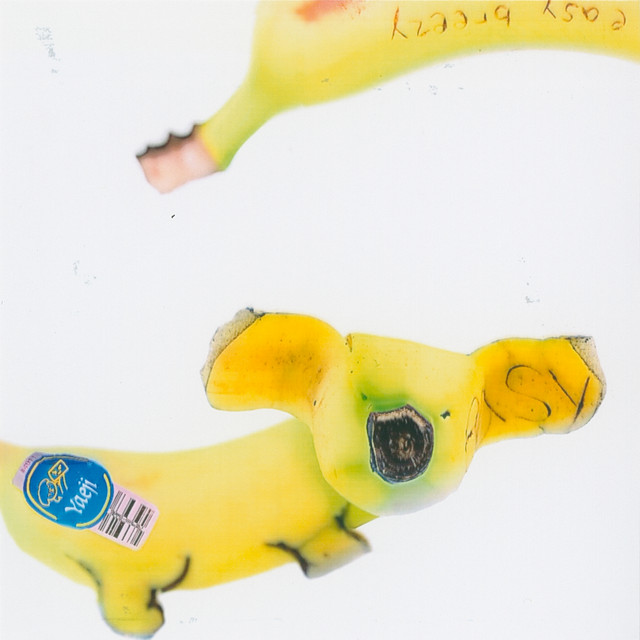
easy breezy
Yaeji
Experimental House
Alternative R&b
Glitch Pop
2023
2
/5
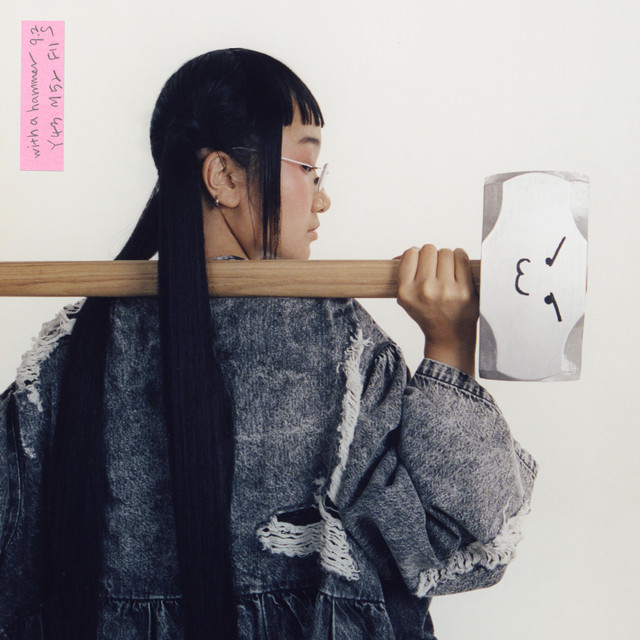
With A Hammer
Yaeji
Experimental House
Electronic
Jungle
2023
2
/5
For Granted
Yaeji
Experimental House
Drum And Bass
Jungle
2018
2
/5
One More
Yaeji
Experimental House
2017
3
/5
EP2
Yaeji
Experimental House
2017
1
/5
Therapy
Yaeji
Experimental House
2017
1
/5
Feel It Out
Yaeji
Experimental House
2017
2
/5
Yaeji
Yaeji
Experimental House
Similar artists
5
/5
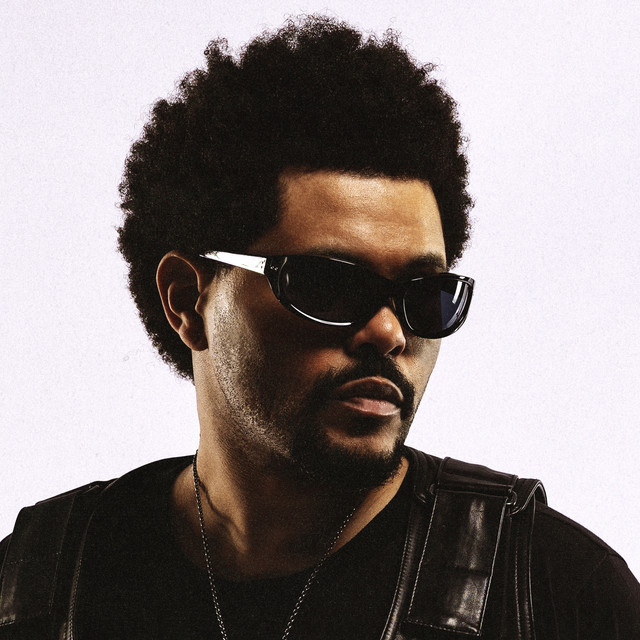
The Weeknd
Contemporary R&b
Alternative R&b
Pop
5
/5
Kanye West
Hip Hop
Pop Rap
Rap
5
/5
Billie Eilish
Art Pop
Pop
Alternative Pop
5
/5
David Guetta
Dance
Electronic
House
5
/5
Tame Impala
Psychedelic Pop
Indie
Neo-Psychedelia
5
/5
Nicki Minaj
Hip Hop
Hip Pop
Rap
5
/5
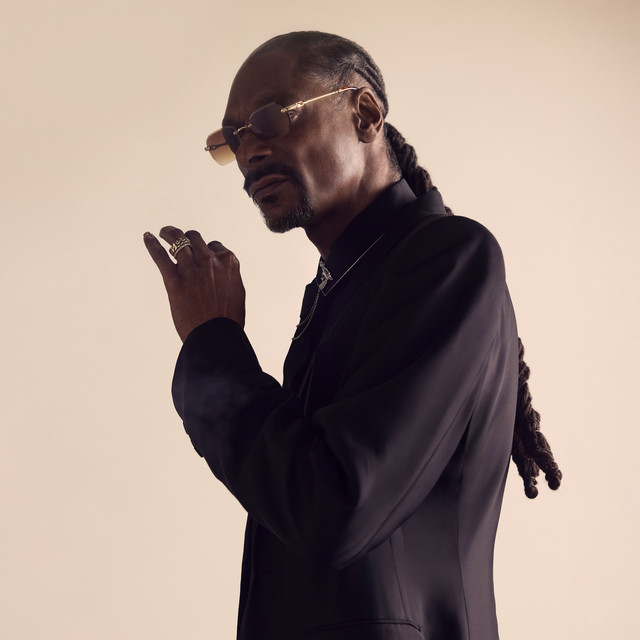
Snoop Dogg
G-Funk
Gangsta Rap
Hip Hop
5
/5
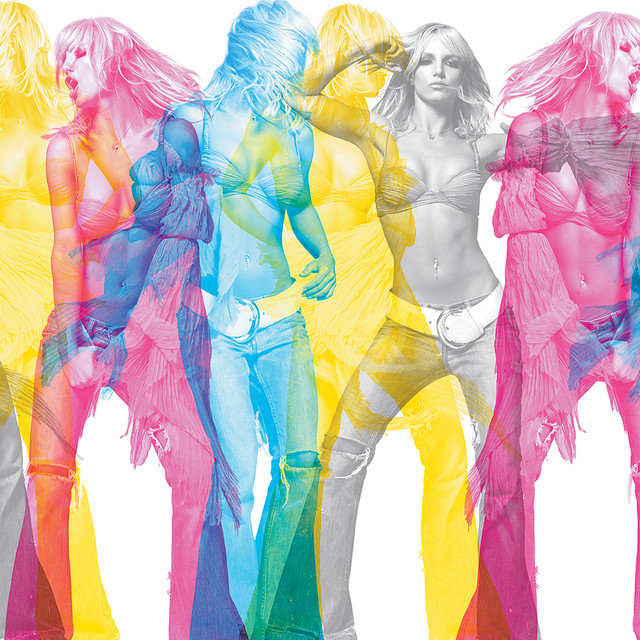
Britney Spears
Pop
Dance-Pop
Electronic
5
/5
Kali Uchis
Contemporary R&b
Neo Soul
Colombian Pop
5
/5
Charli xcx
Hyperpop
Candy Pop
Art Pop
Download our mobile app
Get the Melodigging app and start digging for new genres on the go
Download on the App Store
Get it on Google Play
© 2026 Melodigging
Give feedback
Legal
Melodding was created as a tribute to
Every Noise at Once
, which inspired us to help curious minds keep digging into music's ever-evolving genres.