Genres
Artists
Albums
Make Music
Sign in
Sign in
Artists
Ai
Artists
Ai
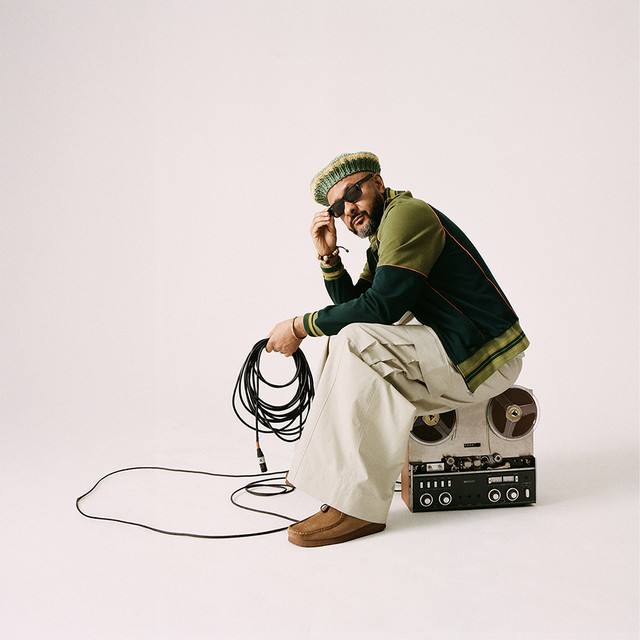
YACHT
2009–2024
·
7 albums
Listen
2
/5
Genres
Ai
AI (artificial intelligence) as a music genre refers to works in which machine-learning systems are central to generating, arranging, or performing core musical material, rather than being used only as peripheral studio tools. The style spans fully generative ambient soundscapes and pop songs written from text prompts, to voice-cloned performances and neural resynthesis of timbres. Stylistically it borrows from contemporary electronic and internet-born aesthetics (hyperpop, vaporwave, IDM, electropop), while foregrounding the uncanny, synthetic qualities of ML models. Beyond sonics, AI music is also a process-driven genre: datasets, prompts, model architectures, and iterative sampling are treated as creative choices on par with chords or instrumentation. Ethical and legal questions around training data, consent, and authorship are part of its identity and discourse.
Discover
Listen
Indie Rockism
Indie rockism is a guitar-forward branch of 2010s indie that prioritizes live-band aesthetics, hooky choruses, and a back-to-basics “rock” ethos. The name nods to the old critical term “rockism,” here meaning a preference for authenticity markers—drums, bass, guitars, and earnest vocals—over glossy, synth-led pop polish. Sonically, it blends the crisp rhythms and choppy guitars of post‑punk revival with the melodic immediacy of power pop and college‑radio indie. Songs tend to be uptempo, festival-ready, and anthemic, with bright, trebly guitars, tight rhythm sections, and sing‑along refrains. Compared with indie poptimism, it keeps electronics and sound design secondary to riffs, grooves, and performance energy.
Discover
Listen
Nyc Pop
NYC pop is a contemporary, hook-forward strain of alternative pop centered on artists living and working in New York City. It blends the sheen of electropop and dance-pop with the songwriting sensibilities of indie pop and indie rock, often pairing bright synths, rhythmic guitars, and punchy drums with large, chantable choruses. Lyrically, it frequently references urban life, ambition, relationships, and self-discovery, capturing the speed, romance, and pressure-cooker energy of the city. Production is glossy but retains an indie edge: live instruments sit beside modern electronic textures, with crisp vocal stacking and ear-catching toplines designed for both radio and festival stages.
Discover
Listen
Funktronica
Funktronica is a hybrid style that welds the pocket and syncopation of classic funk to the sound design, sequencing, and production sheen of contemporary electronic music. It emphasizes tightly interlocked drum and bass grooves, rubbery synth bass, talkbox/vocoder textures, and bright, arpeggiated or chord-stab synths. While its roots lie in 1970s–80s funk and post‑disco electronics, the genre crystallized around the turn of the 21st century as producers in eastern North America began folding Italo‑disco’s neon melodicism and electro’s machine rhythms into modern, festival‑ready tracks. The result is dance‑led, hooky, and groove‑centric music that feels at once retro and forward‑looking.
Discover
Listen
Downtempo
Downtempo is a mellow, groove-oriented branch of electronic music characterized by slower tempos, plush textures, and a focus on atmosphere over dancefloor intensity. Typical tempos range from about 60–110 BPM, with swung or laid-back rhythms, dub-informed basslines, and warm, jazz-tinged harmonies. Stylistically, it blends the spaciousness of ambient, the head-nodding rhythms of hip hop and breakbeat, and the cosmopolitan smoothness of lounge and acid jazz. Producers often use sampled drums, Rhodes or Wurlitzer electric pianos, guitar licks with delay, and field recordings to create intimate, cinematic soundscapes. The mood spans from soulful and romantic to introspective and dusk-lit, making it a staple of after-hours listening, cafes, and relaxed club back rooms.
Discover
Listen
Idm
IDM (often expanded as "Intelligent Dance Music") is a strand of experimental electronic music that applies the sound palette and production methods of club genres to listening-focused, often home-oriented works. It favors intricate rhythm programming, unusual time signatures, and richly textured sound design, blending ambient atmospheres with techno’s pulse, electro’s syncopation, and breakbeat’s fragmentation. The music often de-emphasizes the dancefloor in favor of headphone detail, algorithmic structure, and timbral exploration. The term itself is contentious—many artists rejected the "intelligent" label—yet it became a convenient tag for the early- to mid‑1990s cluster of Warp, Rephlex, and related scenes that foregrounded complexity, abstraction, and emotional ambiguity.
Discover
Listen
Alternative Dance
Alternative dance blends the textures and songwriting of alternative rock and post‑punk with club‑oriented rhythms and production. Born in the UK at the cusp of the late 1980s “Second Summer of Love,” it embraced house/acid house grooves, sequenced bass lines, and sampling while keeping indie sensibilities, guitars, and song structures. The result is music that works on a dancefloor but still reads like an alternative single. Typical hallmarks include four‑on‑the‑floor or breakbeat drums, jangly or funky guitars, prominent bass (often synth), euphoric pads, and hook‑forward vocals. Landmark albums like New Order’s Technique and Primal Scream’s Screamadelica helped define its palette and ethos.
Discover
Listen
Alternative Rock
Alternative rock is a broad umbrella for guitar-based rock that emerged from the independent and college-radio scenes as a counterpoint to mainstream, commercial rock. It blends the energy and ethos of punk with the textural and songwriting experiments of post-punk, new wave, jangle pop, and noise rock, often foregrounding introspective or socially aware lyrics. Across its many strains—from the melodic minimalism of college rock to the loud-quiet-loud dynamics of grunge and the artful experimentation of Radiohead-era modernism—alternative rock prioritizes authenticity, sonic individuality, and a do-it-yourself approach. Its sound ranges from chiming, chorus-laden clean guitars to abrasive distortion and feedback, supported by straightforward rock rhythms or off-kilter grooves, and production that can be either raw and live-sounding or polished yet unconventional.
Discover
Listen
Electropop
Electropop is a branch of pop music that foregrounds electronic instruments—especially synthesizers, drum machines, and sequencers—to deliver catchy, hook-driven songs. It preserves the verse–pre-chorus–chorus architecture and melodic immediacy of pop while replacing most traditional band instrumentation with programmed rhythms, synthetic bass lines, and glossy textures. The style emphasizes earworm toplines, precise rhythmic grids, and tightly produced arrangements that often highlight contrast between minimal, punchy verses and expansive, anthemic choruses. Timbres range from warm analog pads and arpeggiators reminiscent of the late 1970s/early 1980s to ultra-modern, hyper-detailed sound design, making electropop both retro-leaning and future-facing depending on the artist.
Discover
Listen
Synth-Pop
Synth-pop is a pop-oriented style that foregrounds the synthesizer as its primary instrument, often paired with drum machines and sequencers. It favors clean, melodic hooks, concise song structures, and a sleek, modernist sound that ranges from cool and minimal to lush and romantic. Emerging at the turn of the 1980s from the UK new wave and post-punk scenes, synth-pop leveraged affordable analog and then digital keyboards to bring electronic textures into the mainstream. Its sonic palette includes arpeggiated basslines, shimmering pads, bright leads, gated or machine-driven drums, and polished vocals that convey both futuristic detachment and emotional immediacy.
Discover
Listen
Electronic
Electronic is a broad umbrella genre defined by the primary use of electronically generated or electronically processed sound. It encompasses music made with synthesizers, drum machines, samplers, computers, and studio/tape techniques, as well as electroacoustic manipulation of recorded or synthetic sources. The genre ranges from academic and experimental traditions to popular and dance-oriented forms. While its sonic palette is rooted in electricity and circuitry, its aesthetics span minimal and textural explorations, structured song forms, and beat-driven club permutations. Electronic emphasizes sound design, timbre, and studio-as-instrument practices as much as melody and harmony.
Discover
Listen
Show all 11 genres
Albums
2024
1
/5
Eve Babitz
YACHT
Ai
2022
1
/5
My Idea
YACHT
Ai
2015
1
/5
I Thought The Future Would Be Cooler
YACHT
Ai
2014
1
/5
Where Does This Disco?
YACHT
Ai
2011
2
/5
Shangri-La
YACHT
Ai
2009
1
/5
See Mystery Lights
YACHT
Funktronica
2009
2
/5
Psychic City
YACHT
Ai
Downtempo
Electronic
Similar artists
5
/5
Coldplay
Rock
Permanent Wave
Alternative Rock
5
/5
Madonna
Dance-Pop
Pop
Electronic
5
/5
Kesha
Dance-Pop
Pop
Electronic
5
/5
League of Legends
Blues Rock
Chamber Pop
Modern Blues
5
/5
Nelly Furtado
Pop
Electronic
Chill Abstract Hip Hop
4
/5
Gotye
Chill Pop
Chill R&b
Deep Deep House
4
/5
Faithless
Big Beat
Downtempo
Trip Hop
4
/5
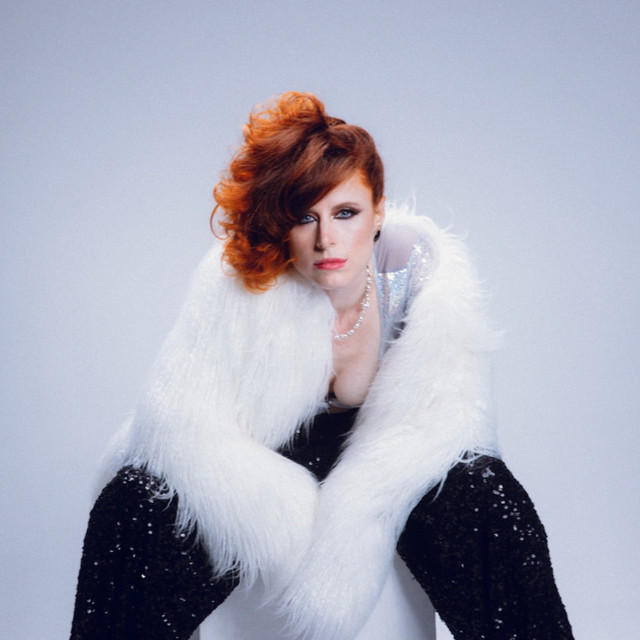
Kiesza
Modern Downshift
Nyc Pop
Pop Edm
4
/5
Four Tet
Folktronica
Idm
Electronic
3
/5
Nightmares On Wax
Bleep Techno
Trip Hop
Downtempo
Download our mobile app
Get the Melodigging app and start digging for new genres on the go
Download on the App Store
Get it on Google Play
© 2026 Melodigging
Give feedback
Legal
Melodding was created as a tribute to
Every Noise at Once
, which inspired us to help curious minds keep digging into music's ever-evolving genres.