Genres
Artists
Albums
Make Music
Sign in
Sign in
Artists
Classical
Artists
Classical
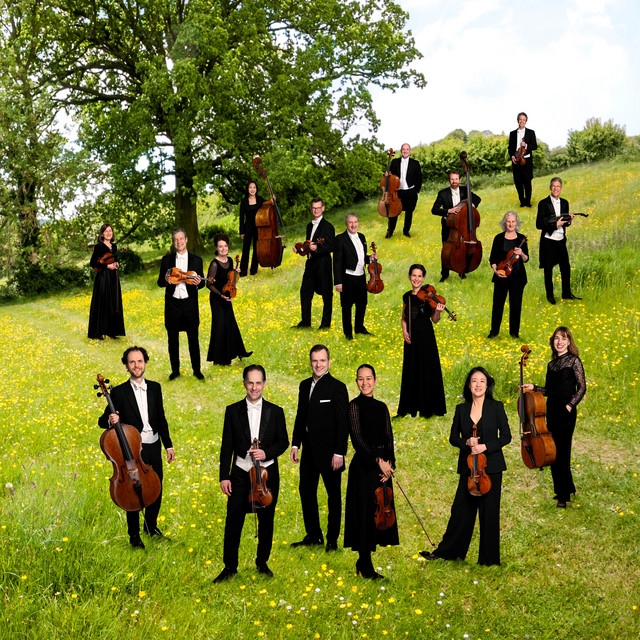
Württembergisches Kammerorchester Heilbronn
2001–2021
·
3 albums
Listen
2
/5
Genres
Austro-German Modernism
Austro-German modernism is a current in early 20th‑century classical music centered in Vienna, Berlin, and other cultural hubs of the German‑speaking world. It is marked by the break with late‑Romantic tonality through chromatic saturation, atonality, and ultimately systematic twelve‑tone/serial procedures; a heightened, often expressionist intensity of gesture; concentrated motivic work; and refined attention to timbre (including Klangfarbenmelodie). While many composers retained or reimagined traditional forms, their harmonic language, rhythm, and orchestration pursued a radical new expressivity. Beyond its signature pitch techniques, the movement embraced new vocal practices (such as Sprechstimme), chamber ensembles of novel makeup, and an aesthetics that oscillated between ecstatic subjectivity and ascetic concentration. Its innovations set the groundwork for much of 20th‑ and 21st‑century concert music.
Discover
Listen
Caucasian Classical
Caucasian classical is a regional umbrella term for Western art-music composition and performance traditions from the Caucasus—especially the South Caucasus (Armenia, Azerbaijan, and Georgia). It typically uses the instrumentation and large-form thinking of European classical music (symphony, concerto, opera, chamber music), while integrating local musical languages such as modal systems, folk melodic contours, asymmetrical meters, and characteristic ornamentation. In the 20th century it developed strongly inside the Russian Empire/Soviet conservatory network, producing a recognizable blend of European compositional technique with Caucasian folk and liturgical materials, ranging from late-Romantic nationalism to modernism and post-minimal, spiritual, or austere late-20th-century idioms.
Discover
Listen
Chamber Orchestra
A chamber orchestra is a small, flexible orchestra typically ranging from about 15 to 45 musicians. It preserves the clarity and intimacy of chamber music while retaining orchestral color and range. Compared with a full symphony orchestra, it uses reduced forces—often single or paired winds and brass, a compact string body, and limited percussion—producing a transparent, agile sound. Chamber orchestras perform repertoire from the Baroque and Classical eras through to contemporary works, and they frequently revive older pieces with historically informed approaches. The format lends itself to conductor-led or conductorless performance, encouraging close ensemble listening, elegant phrasing, and finely detailed articulation.
Discover
Listen
Contrabass
Contrabass (double bass) as a classical genre centers on music written to feature the lowest member of the violin family as a solo and chamber instrument, as well as concertante works with orchestra. Emerging at the end of the Classical era and flowering in the Romantic period, the repertoire ranges from elegant Viennese concertos with distinctive historical tunings to virtuosic 19th‑century showpieces and 20th/21st‑century modernist and post-tonal works. The idiom exploits the instrument’s cavernous resonance, lyrical cantabile in the upper register, and a wide coloristic palette (arco, pizzicato, harmonics, sul ponticello/tasto). Hallmarks include cantabile melodies supported by orchestral or piano textures, idiomatic passagework using positions and harmonics, and cadenzas that highlight the instrument’s surprising agility and expressive range.
Discover
Listen
Classical
Classical music is the notated art-music tradition of Europe and its global descendants, characterized by durable forms, carefully codified harmony and counterpoint, and a literate score-based practice. The term “classical” can refer broadly to the entire Western art-music lineage from the Medieval era to today, not just the Classical period (c. 1750s–1820s). It privileges long-form structures (such as symphonies, sonatas, concertos, masses, and operas), functional or modal harmony, thematic development, and timbral nuance across ensembles ranging from solo instruments to full orchestras and choirs. Across centuries, the style evolved from chant and modal polyphony to tonal harmony, and later to post-tonal idioms, while maintaining a shared emphasis on written notation, performance practice, and craft.
Discover
Listen
Albums
2021
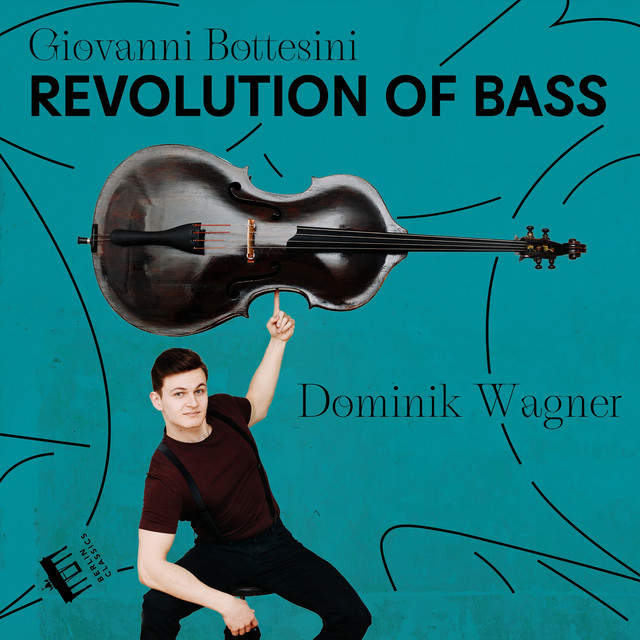
Bottesini: Revolution of Bass
Giovanni Bottesini, Dominik Wagner, Württembergisches Kammerorchester Heilbronn…
Contrabass
2014
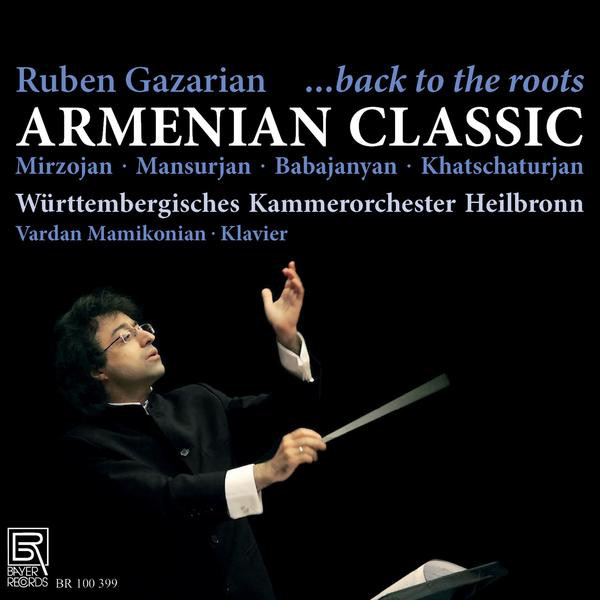
Armenian Classic
Württembergisches Kammerorchester Heilbronn, Vardan Mamikonian, Ruben Gazarian
Caucasian Classical
2001
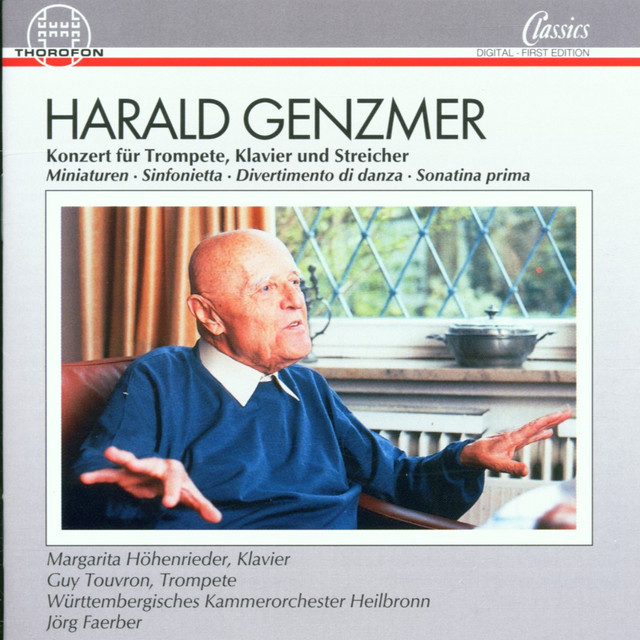
Harald Genzmer: Orchesterwerke
Harald Genzmer, Württembergisches Kammerorchester Heilbronn, Jörg Färber
Austro-German Modernism
Similar artists
4
/5
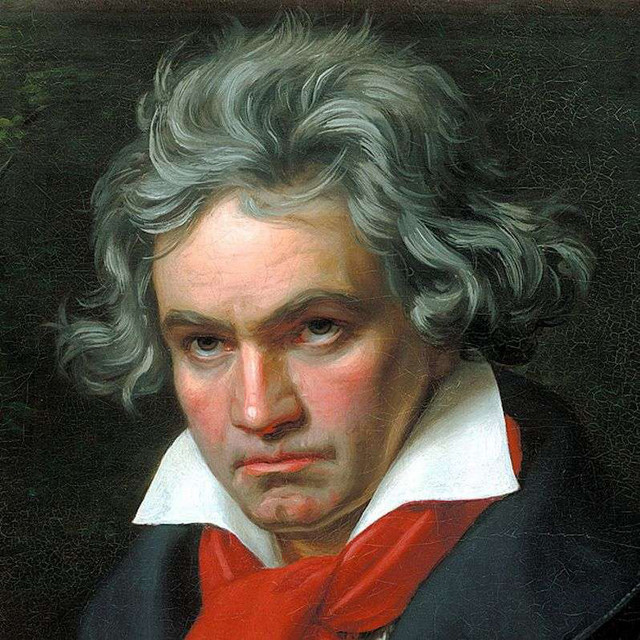
Ludwig van Beethoven
Classical
Classical Period
Romantic Classical
4
/5
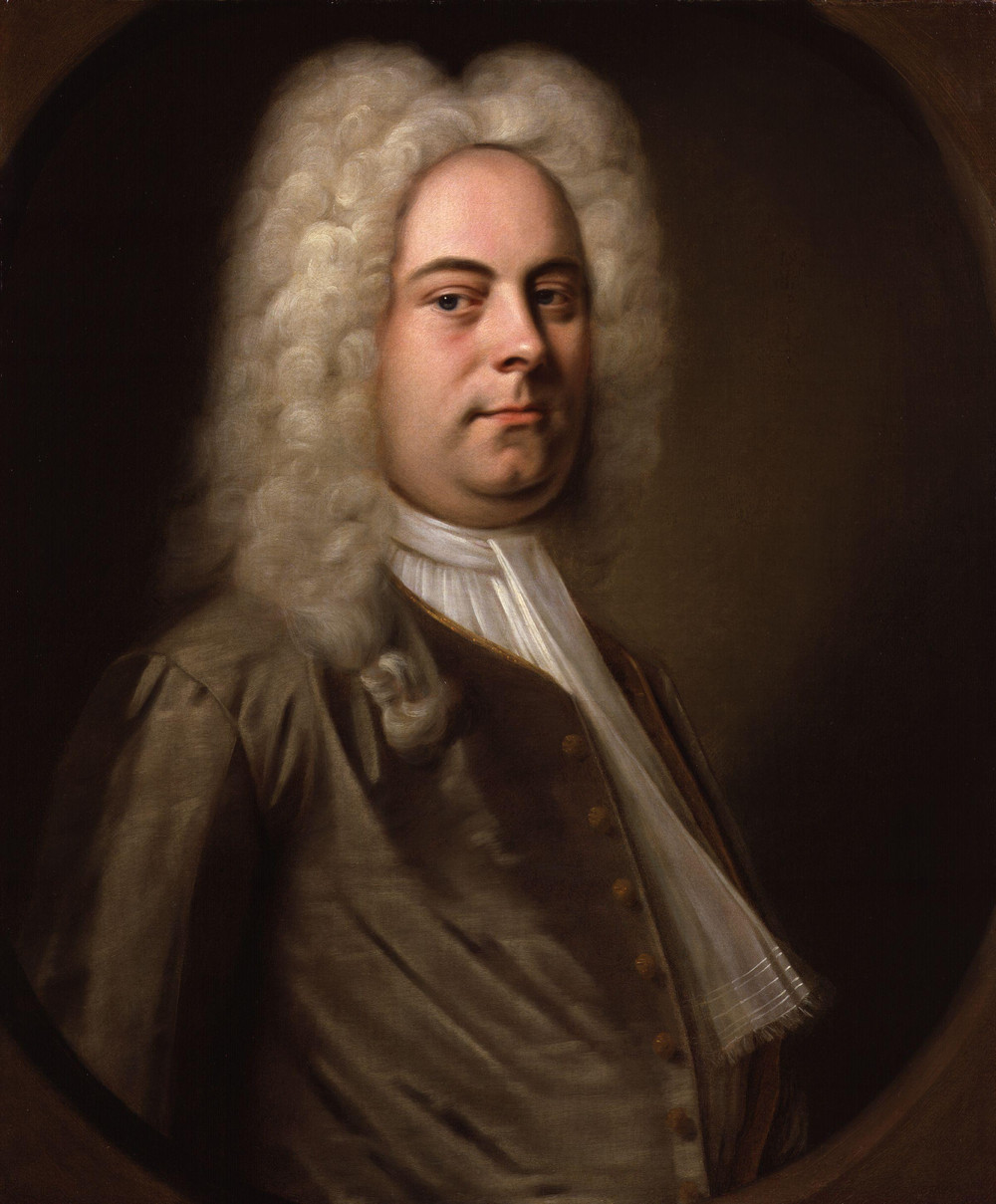
George Frideric Handel
Classical
Opera Seria
Classical Countertenor
3
/5
Sinfonia Varsovia
Baroque
Chamber Music
Classical
3
/5
The Deutsche Kammerphilharmonie Bremen
Chamber Music
Classical
Concerto
3
/5
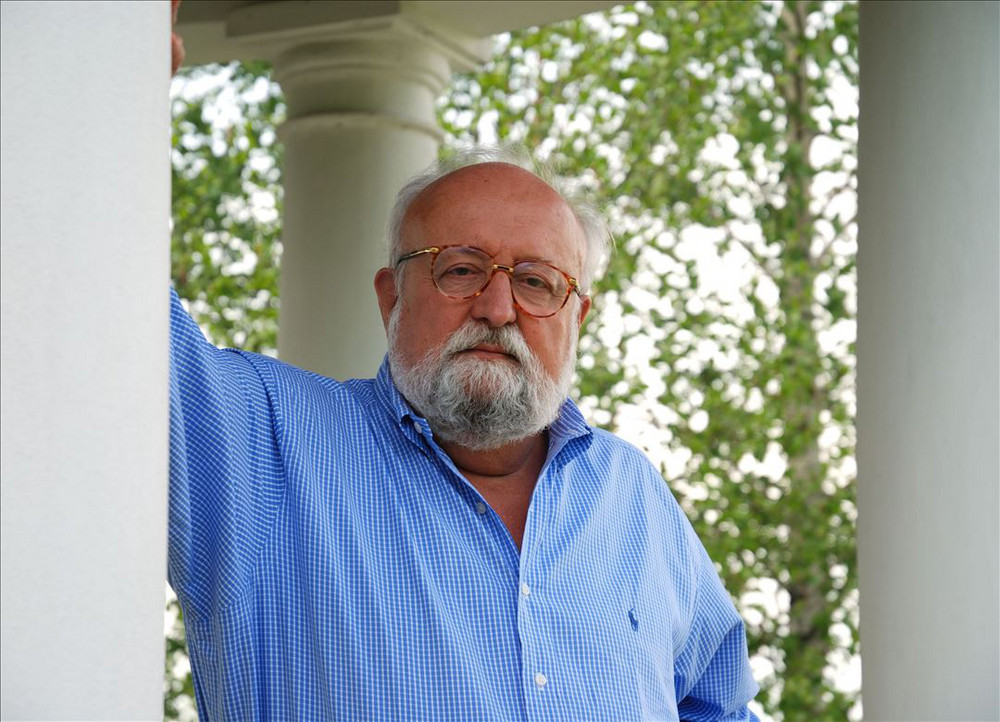
Krzysztof Penderecki
Sonorism
Classical
Requiem
2
/5
Franz Liszt Chamber Orchestra
Classical
Baroque
Concerto
4
/5
Johann Sebastian Bach
Baroque
Classical
Baroque Suite
4
/5
Claude Debussy
Impressionism
Classical
Classical Piano
4
/5
Daniel Barenboim
Impressionism
Classical
Chamber Music
4
/5
Daniel Hope
Classical
Concerto
Baroque
Download our mobile app
Get the Melodigging app and start digging for new genres on the go
Download on the App Store
Get it on Google Play
© 2026 Melodigging
Give feedback
Legal
Melodding was created as a tribute to
Every Noise at Once
, which inspired us to help curious minds keep digging into music's ever-evolving genres.