Genres
Artists
Albums
Make Music
Sign in
Sign in
Artists
Math Rock
Artists
Math Rock
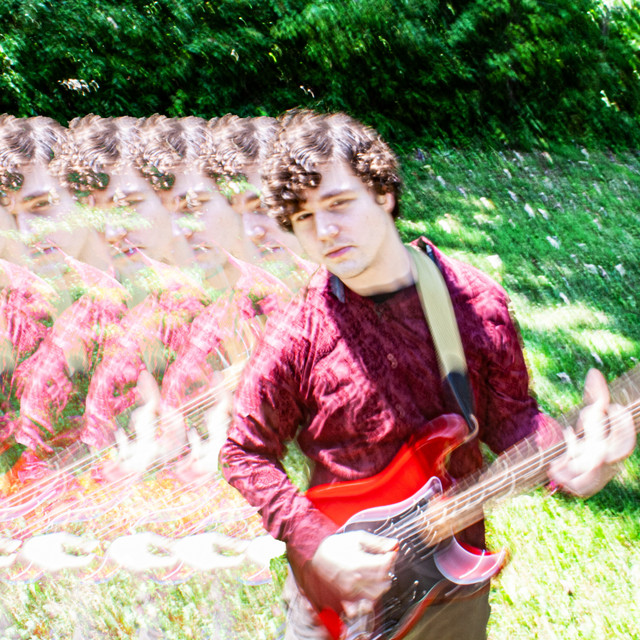
Wippy Bonstack
2021–2022
·
2 albums
Listen
1
/5
Genres
Math Pop
Math pop blends the brainy rhythmic intricacy of math rock with the accessibility and hooks of pop. It favors bright timbres, clean production, and earworm melodies while weaving in odd time signatures, polymeter, and angular, interlocking parts. Guitars, synths, and tightly arranged rhythm sections emphasize staccato figures, sudden turnarounds, and irregular phrase lengths, yet songs typically retain verse–chorus structures and memorable refrains. Vocals often lean toward agile, high-register lines (including falsetto), stacked harmonies, and lyrical themes that are literate or abstract, balancing heady construction with immediate, danceable energy.
Discover
Listen
Neo-Canterbury
Neo-Canterbury is a contemporary revival and extension of the classic Canterbury Scene, reimagined by modern progressive musicians. It blends jazzy harmony, whimsical melodicism, and light, conversational vocals with updated production and occasional indie or neo-psych colors. Expect warm electric pianos (Rhodes), organ and synth leads, agile bass lines, woodwinds (sax/flute), and nimble drumming in shifting meters. Compared to its 1970s ancestor, Neo-Canterbury typically has clearer, more hi‑fi sonics, tighter arrangements, and a gently modern rhythmic feel—yet keeps the playful, elegant, and pastoral spirit intact.
Discover
Listen
Math Rock
Math rock is a subgenre of indie and experimental rock defined by complex, irregular rhythms, sudden dynamic shifts, and angular, interlocking guitar lines. It frequently employs odd and mixed meters (such as 5/4, 7/8, 11/8), polyrhythms, start–stop figures, and intricate syncopation. Guitars often favor clean or lightly overdriven tones, tapping, and harmonically adventurous voicings over traditional power-chord riffing. Vocals, if present, are usually sparse, textural, or rhythmically coordinated with the ensemble rather than the primary focal point. Aesthetically, math rock draws from the precision and structural ambition of progressive rock, the urgency of post-hardcore, and the textural curiosity of indie and noise rock, resulting in music that feels both cerebral and visceral.
Discover
Listen
Art Rock
Art rock is a branch of rock music that treats the studio and the album as spaces for artistic experimentation, emphasizing conceptual ideas, ambitious arrangements, and cross-pollination with modernist and avant-garde traditions. It typically favors extended song forms, thematic or conceptual unity, and non-standard instrumentation (strings, woodwinds, synthesizers) alongside rock’s core band setup. Lyrically, it leans toward literary, surreal, or philosophical subjects and often adopts theatrical presentation. Where mainstream rock centers on immediacy and hooks, art rock embraces risk: unusual time signatures, timbral exploration, complex harmony, tape and electronic manipulation, and interludes that draw from classical, jazz, minimalism, and experimental music.
Discover
Listen
Progressive Rock
Progressive rock is a rock subgenre that expands the genre’s formal, harmonic, and conceptual boundaries. It favors long-form compositions, intricate arrangements, and virtuosic musicianship, often drawing on Western classical, jazz, folk, and psychedelic idioms. Typical hallmarks include multi-part suites, shifting time signatures, extended instrumental passages, recurring motifs, and concept albums that present unified themes or narratives. The sound palette commonly features electric guitar, bass, and drums alongside an array of keyboards (Hammond organ, Mellotron, Moog/ARP synthesizers, piano), woodwinds or brass, and occasional orchestral additions. Lyrics often explore science fiction, mythology, philosophy, social commentary, and introspective themes.
Discover
Listen
Space Rock
Space rock is a psychedelic branch of rock characterized by long-form, hypnotic grooves, swirling guitars awash in delay and reverb, and prominent analog synthesizers that evoke cosmic or interstellar imagery. The music often emphasizes texture and atmosphere over conventional song structures, creating expansive soundscapes that feel weightless and otherworldly. Emerging in late-1960s Britain from the overlap of psychedelic rock, early progressive rock, and experimental electronics, space rock frequently employs motorik-leaning rhythms, modal or drone-based harmony, and science-fiction themes. Extended improvisations, phased and fuzz-drenched timbres, and tape or echo effects are common, encouraging a sense of forward drift and cosmic exploration.
Discover
Listen
Albums
2022
1
/5
22
Wippy Bonstack
Math Pop
Math Rock
2021
1
/5
Wippy Bonstack's Dataland
Wippy Bonstack
Neo-Canterbury
Similar artists
3
/5
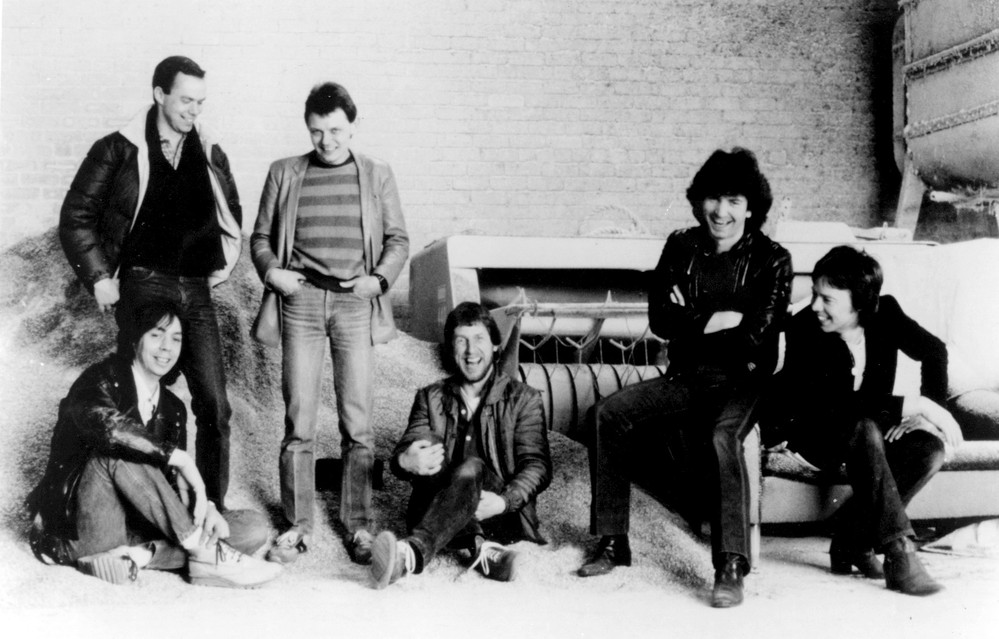
black midi
Windmill Scene
Math Rock
Noise Rock
3
/5
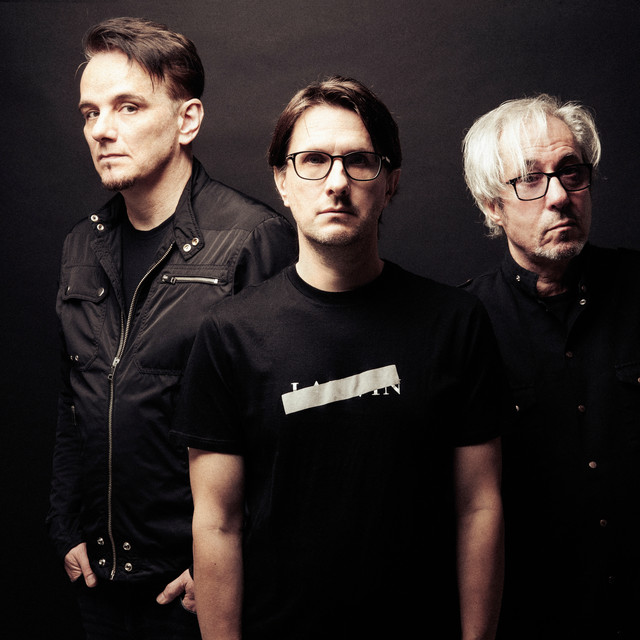
Porcupine Tree
Progressive Rock
Space Rock
Progressive Metal
3
/5
Camel
Progressive Rock
Art Rock
Krautrock
3
/5
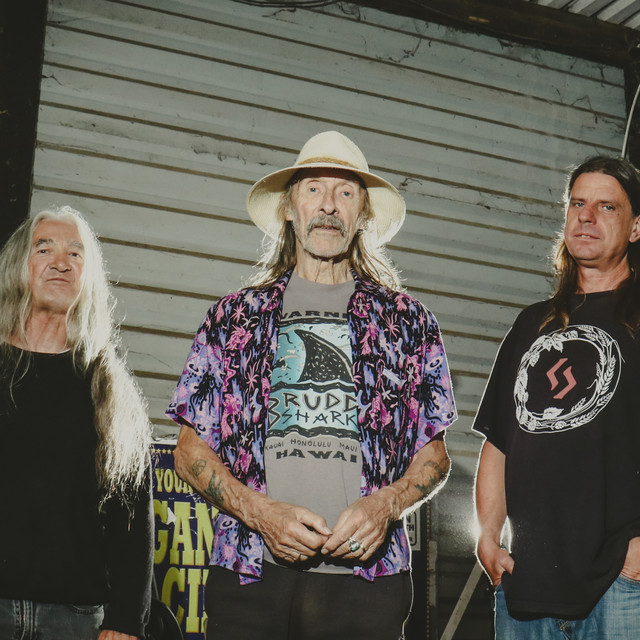
CAN
Krautrock
No Wave
Experimental Rock
3
/5
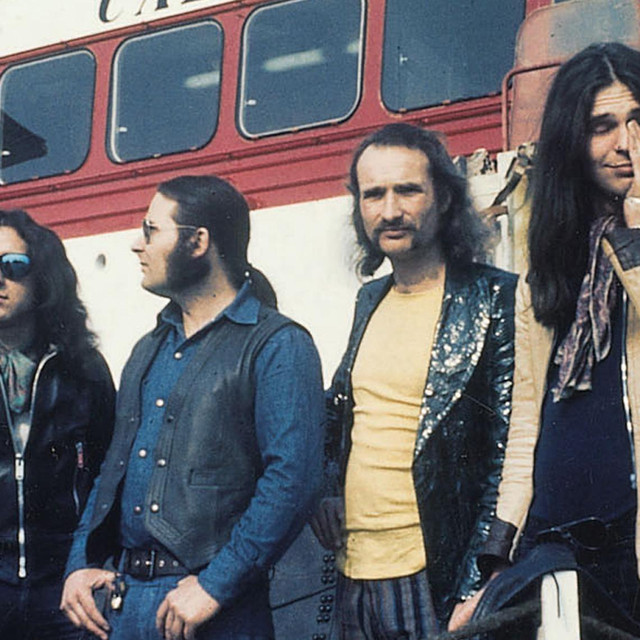
Hawkwind
Canterbury Scene
Space Rock
Hard Rock
3
/5
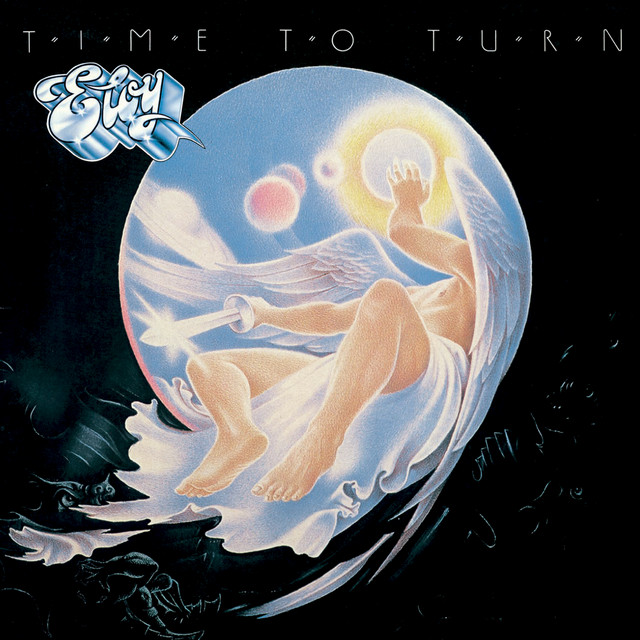
Eloy
Space Rock
Progressive Rock
Krautrock
2
/5
The Black Noodle Project
Art Rock
Post-Rock
Progressive Metal
2
/5
Soft Machine
Jazz Fusion
Progressive Rock
Canterbury Scene
2
/5
Nektar
Space Rock
Progressive Rock
Art Rock
2
/5
Crippled Black Phoenix
Art Rock
Gaian Doom
Post-Rock
Download our mobile app
Get the Melodigging app and start digging for new genres on the go
Download on the App Store
Get it on Google Play
© 2026 Melodigging
Give feedback
Legal
Melodding was created as a tribute to
Every Noise at Once
, which inspired us to help curious minds keep digging into music's ever-evolving genres.