Genres
Artists
Albums
Make Music
Sign in
Sign in
Artists
Concerto
Artists
Concerto
William Walton
2000
·
1 album
Listen
3
/5
Genres
Historic Classical Performance
Historic classical performance (often aligned with the historically informed performance movement) is an approach to playing Western art music using the instruments, techniques, tunings, ensemble sizes, and stylistic conventions of the period in which the music was written. Rather than treating the score as a fixed, modern object, it treats it as a set of historically situated instructions, illuminated by treatises, original instruments, performance traditions, and the acoustics and rhetorical aims of past eras—from Medieval and Renaissance repertories through Baroque, Classical, and early Romantic music. The result emphasizes clarity of texture, speech‑like articulation, dance rhythms, improvised embellishment, and timbral colors native to gut strings, natural brass, wooden flutes, historical keyboards, and other period forces.
Discover
Listen
Expressionism
Expressionism in music is an early-20th-century modernist movement that foregrounds inner psychological states, anxiety, and alienation through highly charged sonic language. It abandons traditional tonal centers in favor of atonality or extreme chromaticism, embraces dissonance without immediate resolution, and often fragments melody into sharp, angular gestures. Textures favor clarity and intensity: chamber forces, extreme registers, abrupt contrasts of dynamics and timbre, and sparse, aphoristic forms are common. Composers experiment with Sprechstimme (speech-like vocalization), Klangfarbenmelodie (melody distributed across changing timbres), and rapidly shifting meters to intensify expression. Vocal works (monodramas, song cycles) and concise instrumental miniatures became emblematic vehicles for psychological drama.
Discover
Listen
Concerto
A concerto is a large-scale composition that sets one or more solo instruments in dynamic dialogue with an orchestra. Its core idea is contrast—between soloist and tutti—and the dramatic negotiation of power, color, and thematic responsibility. While Baroque concertos often relied on ritornello form, the Classical era standardized a three-movement plan (fast–slow–fast) with sonata principles in the opening movement. The Romantic period emphasized virtuosity and expressive foregrounding of the soloist, and the 20th–21st centuries broadened the palette with new instruments, harmonies, and formats. Across eras, the concerto remains a showcase for instrumental character, technical brilliance, and the art of orchestral conversation.
Discover
Listen
Classical
Classical music is the notated art-music tradition of Europe and its global descendants, characterized by durable forms, carefully codified harmony and counterpoint, and a literate score-based practice. The term “classical” can refer broadly to the entire Western art-music lineage from the Medieval era to today, not just the Classical period (c. 1750s–1820s). It privileges long-form structures (such as symphonies, sonatas, concertos, masses, and operas), functional or modal harmony, thematic development, and timbral nuance across ensembles ranging from solo instruments to full orchestras and choirs. Across centuries, the style evolved from chant and modal polyphony to tonal harmony, and later to post-tonal idioms, while maintaining a shared emphasis on written notation, performance practice, and craft.
Discover
Listen
Western Classical
Western classical is the notated art-music tradition that developed in Europe from medieval Christian chant into the large-scale secular and sacred forms of the Baroque, Classical, Romantic, and modern eras. It is characterized by staff notation, evolving systems of modality and tonality, and forms such as symphony, sonata, concerto, mass, opera, and chamber music. Across its history, Western classical established an extensive theory of harmony and counterpoint, refined orchestration across strings, winds, brass, and percussion, and cultivated performance practices from a cappella chant to full symphonic and operatic forces. Its repertoire, pedagogy, and institutions (conservatories, orchestras, opera houses) made it a global reference point for compositional craft and instrumental technique.
Discover
Listen
Albums
2000
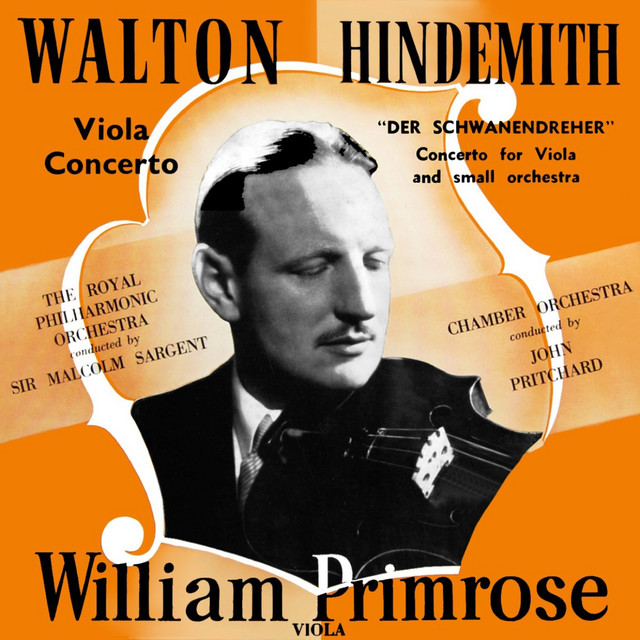
Walton: Viola Concerto
William Walton, Paul Hindemith, William Primrose, Royal Philharmonic Orchestra,…
Historic Classical Performance
Similar artists
4
/5
Berliner Philharmoniker
Classical
Symphony
Romantic Classical
3
/5
Arnold Schoenberg
Expressionism
Second Viennese School
Serialism
3
/5
Chicago Symphony Orchestra
Classical
Concerto
Expressionism
3
/5
Pierre Boulez
Classical
Expressionism
Impressionism
3
/5
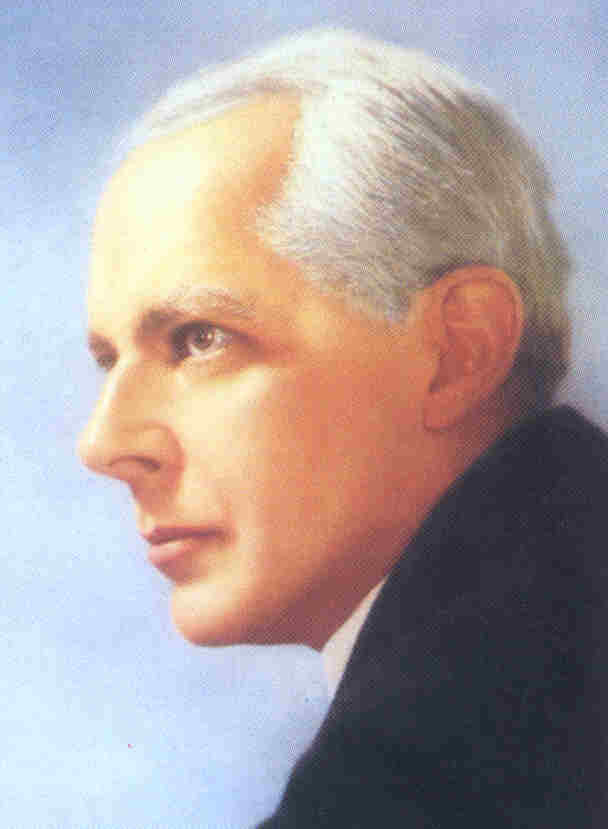
Béla Bartók
Classical
Concerto
Concerto For Orchestra
4
/5
Johann Sebastian Bach
Baroque
Classical
Baroque Suite
4
/5
Ludwig van Beethoven
Classical
Classical Period
Romantic Classical
4
/5
Herbert von Karajan
Classical
Symphonic Poem
Symphony
4
/5
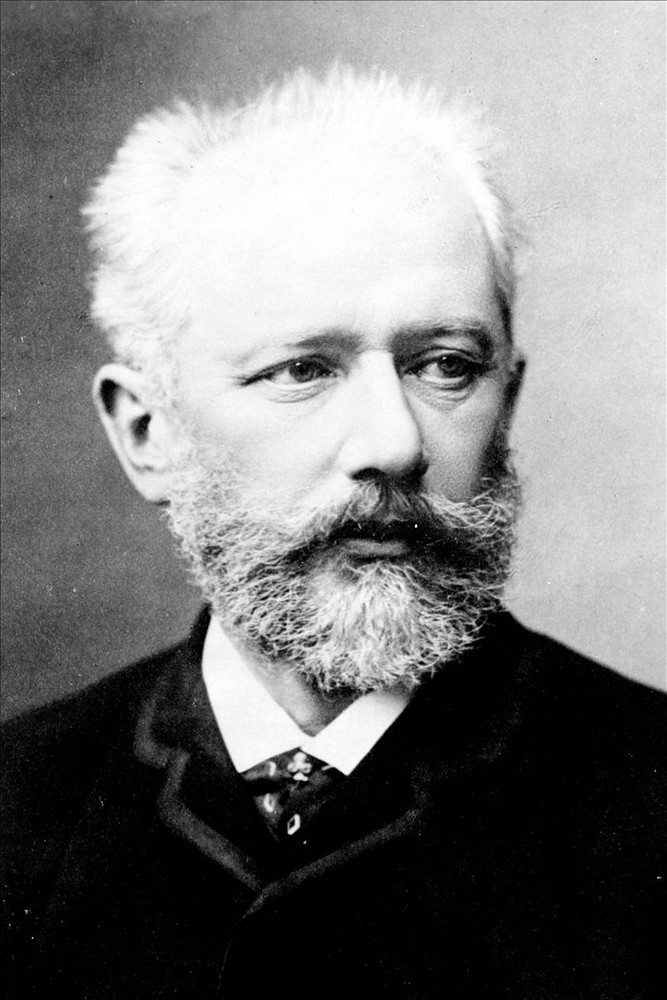
Pyotr Ilyich Tchaikovsky
Classical
Moscow School
Ballet
3
/5
Karl Böhm
Classical
Classical Period
Opera
Download our mobile app
Get the Melodigging app and start digging for new genres on the go
Download on the App Store
Get it on Google Play
© 2026 Melodigging
Give feedback
Legal
Melodding was created as a tribute to
Every Noise at Once
, which inspired us to help curious minds keep digging into music's ever-evolving genres.