Genres
Artists
Albums
Make Music
Sign in
Sign in
Artists
Big Band
Artists
Big Band
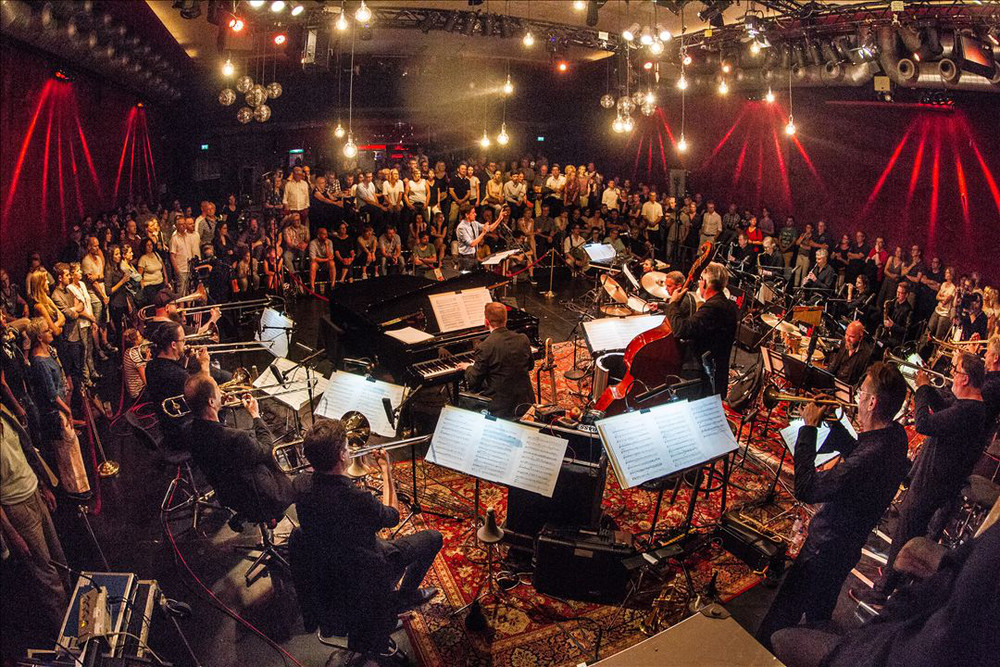
WDR Big Band
Listen
2
/5
Genres
New Jazz
New Jazz is a contemporary subgenre of trap music that emerged from the underground SoundCloud scene. Despite its name, it is distinct from the 'Nu Jazz' of the 1990s. It is characterized by colorful, repetitive synthesizer melodies, often utilizing jazz-influenced 7th and 9th chords, paired with 'wonky' or off-kilter 808 basslines and bouncy, complex trap drum patterns. The sound is often described as psychedelic, playful, and experimental, bridging the gap between the aggression of Rage beats and the melodic sensibilities of Pluggnb.
Discover
Listen
Jazz Fusion
Jazz fusion (often simply called "fusion") blends the improvisational language and harmonic richness of jazz with the amplified instruments, grooves, and song forms of rock, funk, and R&B. It typically features electric guitars, electric bass or fretless bass, Rhodes electric piano, clavinet, analog and digital synthesizers, and a drum kit playing backbeat- and syncopation-heavy patterns. Hallmarks include extended chords and modal harmony, complex and shifting meters, brisk unison lines, virtuosic improvisation, and a production aesthetic that embraces effects processing and studio craft. The style ranges from fiery, aggressive workouts to polished, atmospheric textures, often within the same piece. Emerging in the late 1960s and flourishing through the 1970s, jazz fusion became a bridge between jazz audiences and rock/funk listeners, shaping later styles such as jazz-funk, smooth jazz, nu jazz, and parts of progressive and technical rock/metal.
Discover
Listen
Latin Jazz
Latin jazz is a fusion of jazz harmony and improvisation with Afro–Latin American rhythms, song forms, and percussion. It combines the swing, bebop, and big-band traditions with clave-based grooves such as son, rumba, danzón, and mambo, and later integrates Brazilian feels like samba and bossa nova. Typical features include the use of the clave (2–3 or 3–2), piano montunos (guajeos), bass tumbao patterns, timbales cáscara, conga marcha, and call-and-response horn "mambo" figures. While the rhythm section locks into cyclical patterns, soloists improvise using the vocabulary of jazz, creating music that is both danceable and harmonically rich.
Discover
Listen
Big Band
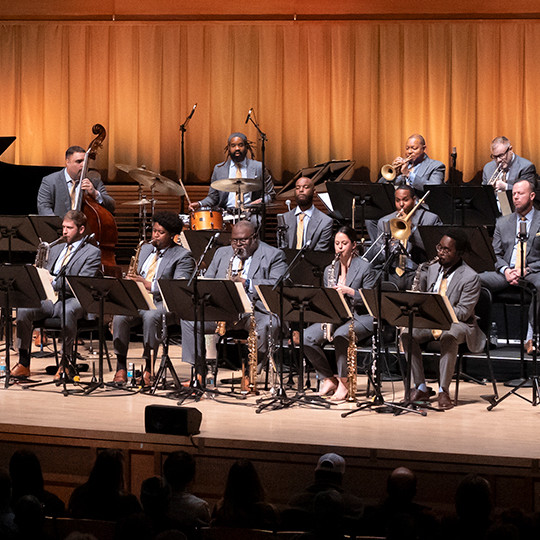
Big band is a large-ensemble style of jazz and popular dance music built around brass, reed, and rhythm sections playing arranged parts. Typical instrumentation includes five saxophones (often doubling clarinet/flute), four trombones, four trumpets, and a rhythm section of piano, guitar, upright bass, and drum set. The music emphasizes swing rhythms, call-and-response between sections, riff-based writing, and dramatic shout choruses, while leaving space for improvised solos. Born in American ballrooms and theaters, big band became the sound of the Swing Era, providing both music for dancing and a platform for sophisticated arranging and orchestration that shaped much of 20th‑century jazz and popular music.
Discover
Listen
French Jazz
French jazz is the French branch of jazz that took root in Paris and other urban centers after World War I, when African American musicians and touring bands introduced the music to a receptive café and cabaret culture. It blends American jazz idioms with French musical sensibilities, notably chanson, musette waltzes, and a refined classical ear for color and melody. Its sound ranges from the acoustic swing of the 1930s Hot Club style (guitar- and violin-led ensembles) to postwar bebop, cool and modal currents, free improvisation, and later fusions with chanson and electronic music. Hallmarks include lyrical, song-like themes, supple swing feels, elegant harmonic voicings, and, in some strands, the distinctive "la pompe" rhythm of manouche guitar and the timbre of accordion and violin. Today, French jazz encompasses both traditional and forward-looking approaches: intimate acoustic combos, orchestral and filmic jazz, and hybrid forms that intersect with nu jazz, electro-swing, and contemporary European improvisation.
Discover
Listen
Jazz
Jazz is an improvisation-centered music tradition that emerged from African American communities in the early 20th century. It blends blues feeling, ragtime syncopation, European harmonic practice, and brass band instrumentation into a flexible, conversational art. Defining features include swing rhythm (a triplet-based pulse), call-and-response phrasing, blue notes, and extended harmonies built on 7ths, 9ths, 11ths, and 13ths. Jazz is as much a way of making music—spontaneous interaction, variation, and personal sound—as it is a set of forms and tunes. Across its history, jazz has continually hybridized, from New Orleans ensembles and big-band swing to bebop, cool and hard bop, modal and free jazz, fusion, and contemporary cross-genre experiments. Its influence permeates global popular and art music.
Discover
Listen
Similar artists
1
/5
Various Artists
Afro-Funk
Alternative Rock
Ambient
3
/5
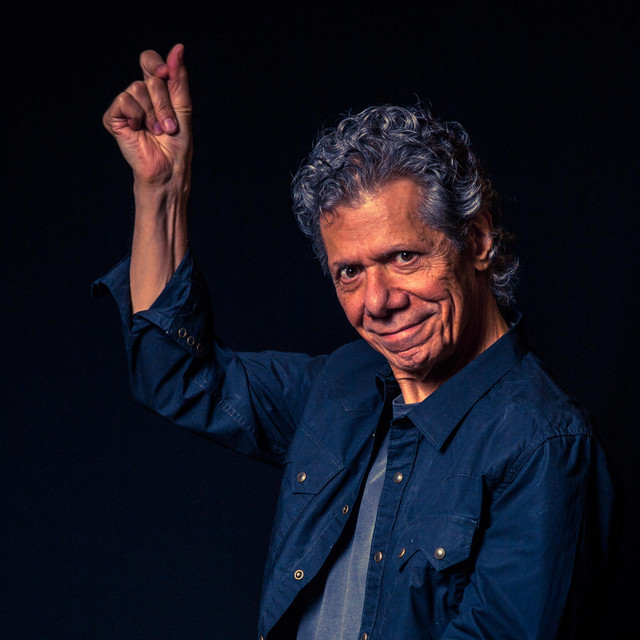
Chick Corea
Ecm Style Jazz
Jazz Fusion
Free Jazz
3
/5
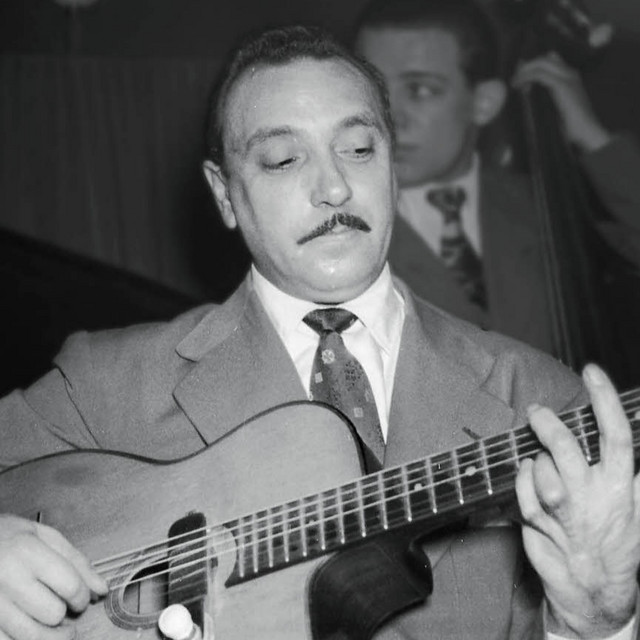
Django Reinhardt
Gypsy Jazz
Jazz
Ragtime
3
/5
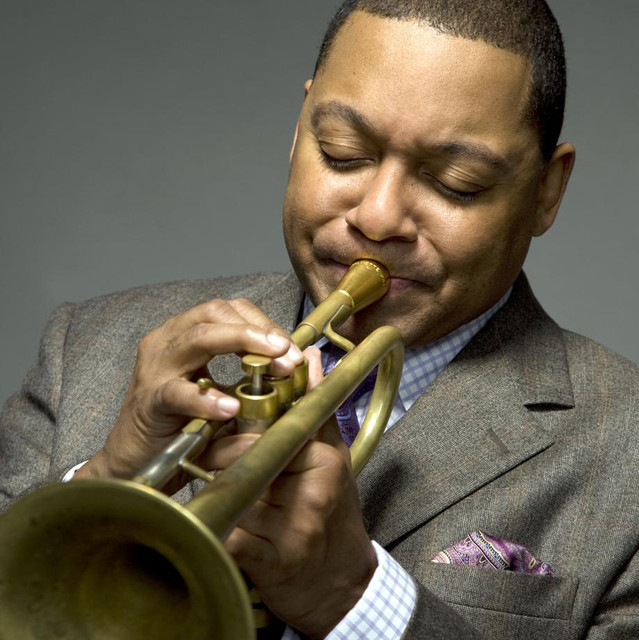
Wynton Marsalis
Jazz
Big Band
Cool Jazz
3
/5
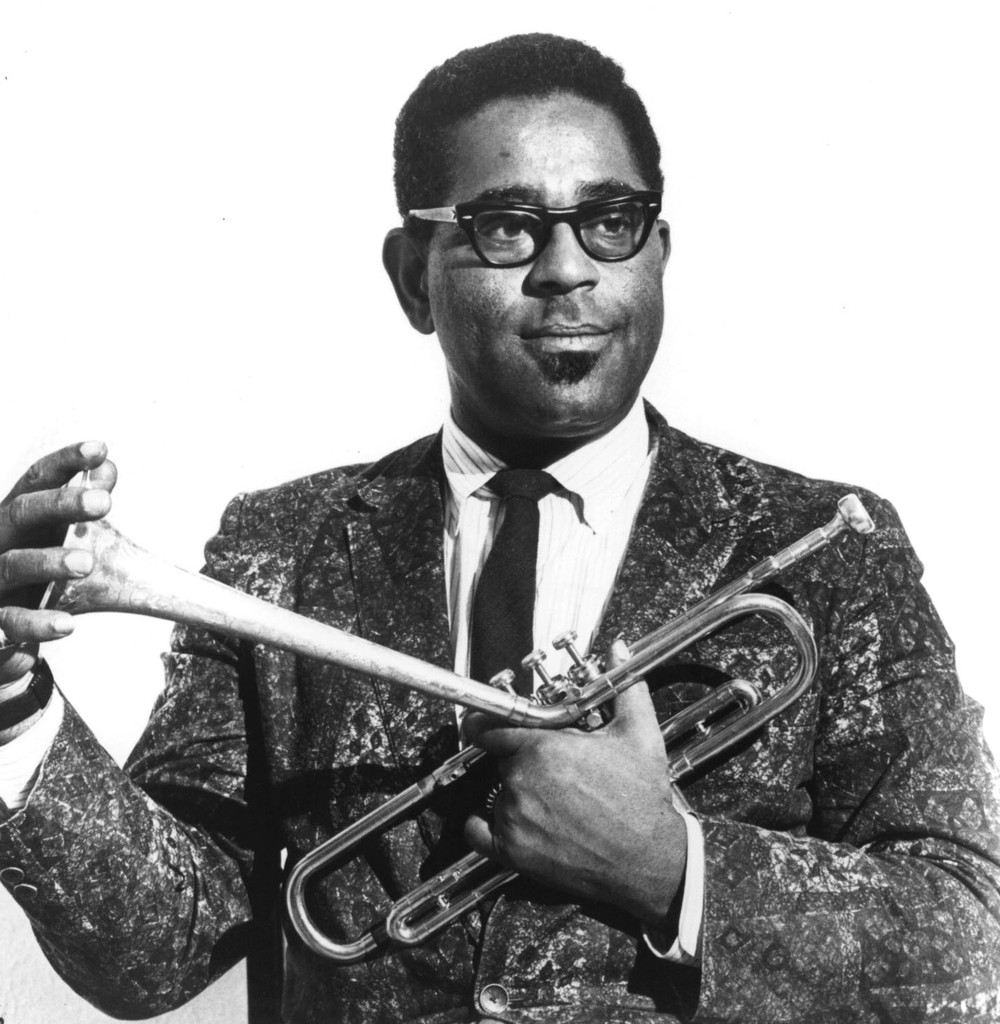
Dizzy Gillespie
Bebop
Big Band
Latin Jazz
3
/5
Arturo Sandoval
Big Band
Jazz
Jazz Trumpet
3
/5
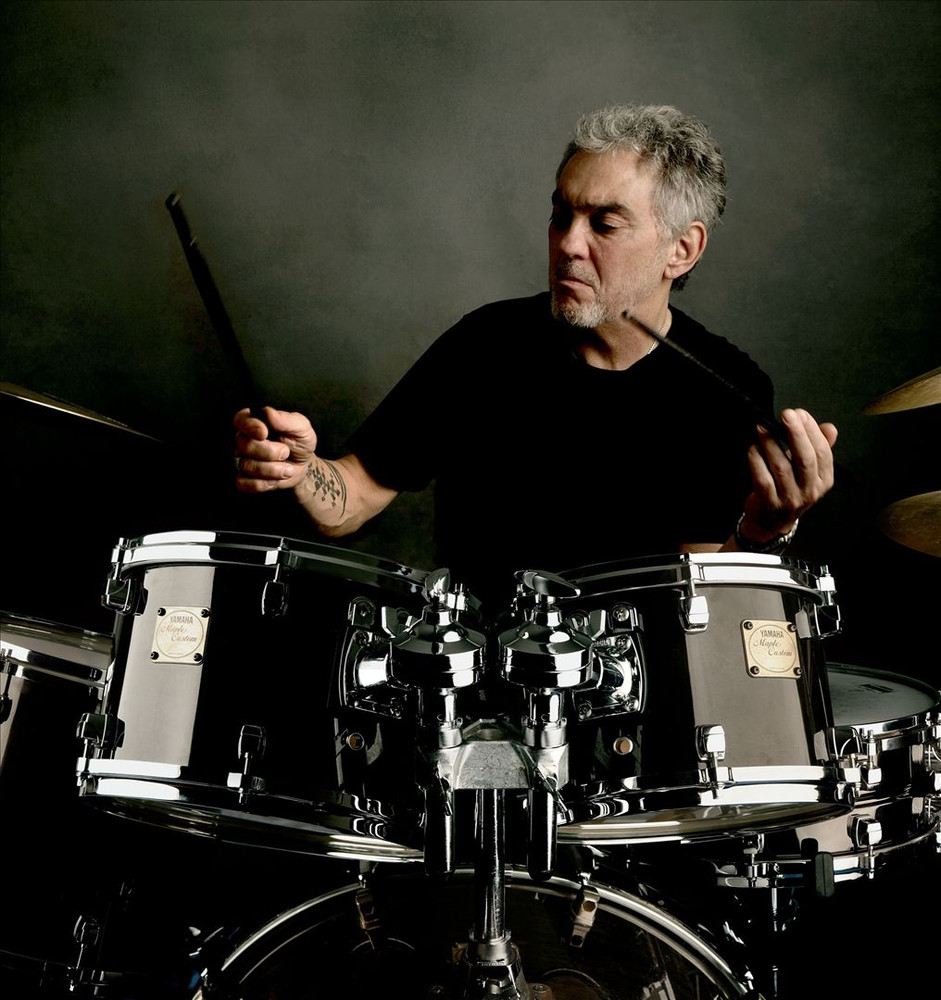
Steve Gadd
Jazz
Jazz Fusion
Jazz-Funk
3
/5
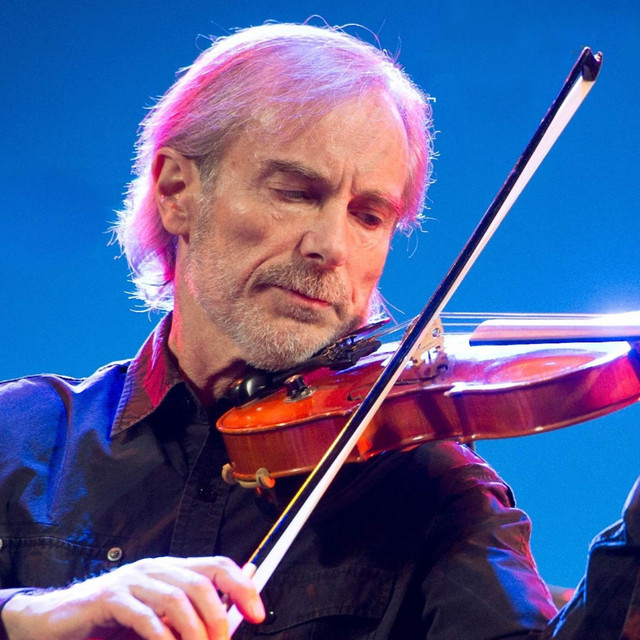
Jean-Luc Ponty
French Jazz
Jazz
Jazz Fusion
3
/5
Erik Truffaz
Nu Jazz
Dark Jazz
Acid Jazz
2
/5
Jazz At Lincoln Center Orchestra
Jazz
Big Band
Latin Jazz
Download our mobile app
Get the Melodigging app and start digging for new genres on the go
Download on the App Store
Get it on Google Play
© 2026 Melodigging
Give feedback
Legal
Melodding was created as a tribute to
Every Noise at Once
, which inspired us to help curious minds keep digging into music's ever-evolving genres.