Genres
Artists
Albums
Make Music
Sign in
Sign in
Artists
Rockabilly
Artists
Rockabilly
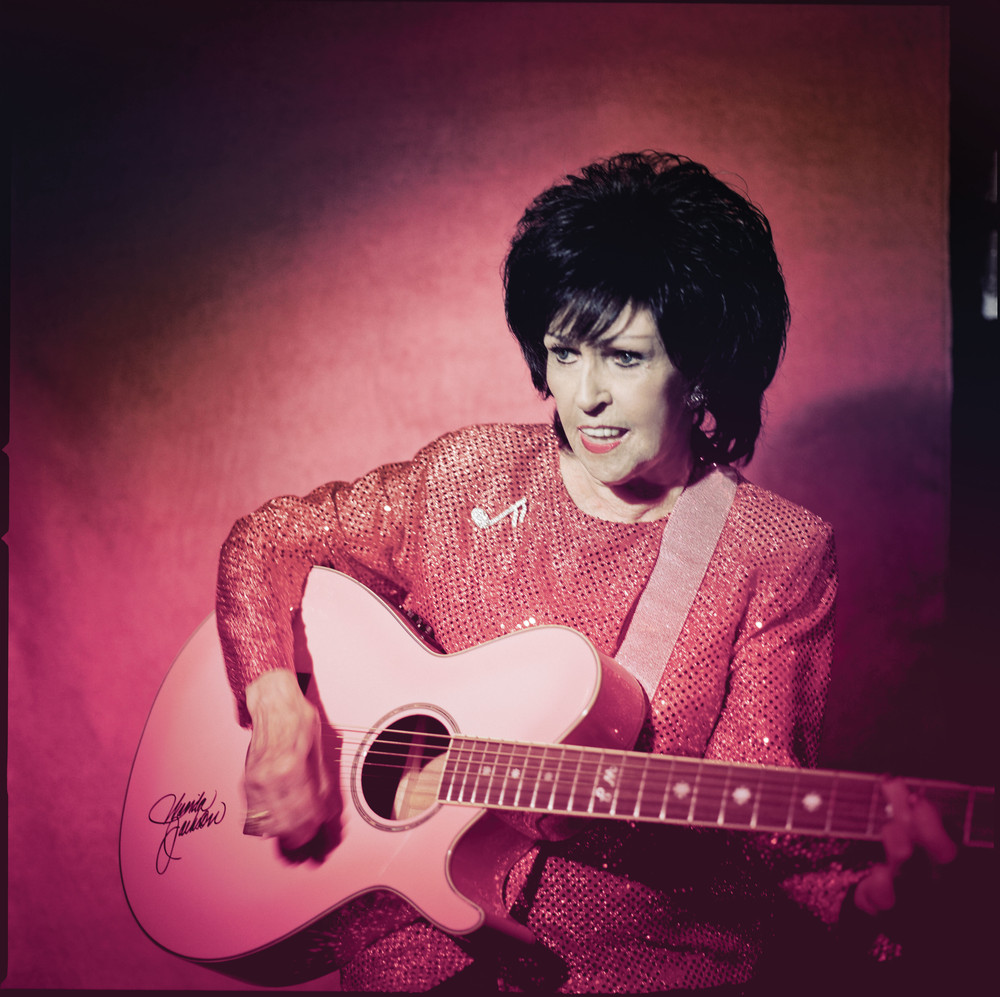
Wanda Jackson
1961–2020
·
2 albums
Listen
3
/5
Genres
Classify
Classify is a streaming-era microgenre that blends light classical technique with contemporary pop repertoire, typically presented as unobtrusive instrumental covers. It prioritizes soft dynamics, gentle tempos, and intimate recording to create a calm, elegant backdrop suitable for studying, working, or events. Most arrangements are for solo piano, string quartet, cello/piano duos, or small chamber ensembles. Harmonies remain diatonic and consonant, melodies are clearly voiced, and textures favor arpeggios, ostinati, and sustained legato lines. The overall aesthetic borrows from modern classical and new age moods while retaining the familiarity of pop song forms.
Discover
Listen
Queer Country
Queer country is a contemporary movement within country and Americana that centers LGBTQ+ voices, stories, and aesthetics while keeping strong ties to classic country songwriting, instrumentation, and vocal styles. Musically, it often draws from traditional country, outlaw country, honky-tonk, and folk-country, but its defining feature is lyrical perspective: songs about queer love, gender expression, chosen family, rural/working-class life, and the tension between tradition and belonging. Rather than being a single fixed sound, queer country is best understood as a scene and cultural re-framing of country music—one that challenges the genre’s historic heteronormativity while celebrating its narrative power and community roots.
Discover
Listen
Psychobilly
Psychobilly is a high-octane fusion of 1950s rockabilly and late‑1970s punk rock, spiked with horror, sci‑fi, and B‑movie aesthetics. It is defined by twangy, reverb‑drenched guitars, an aggressively slapped upright (double) bass, and breakneck drums that push songs toward punk tempos. The style’s sound balances the swing and I‑IV‑V DNA of rockabilly with punk’s distortion, attitude, and shout‑along choruses. Lyrics typically revel in campy macabre imagery—monsters, hot rods, graveyards, radioactive romance—delivered with a snarling, tongue‑in‑cheek theatricality. Onstage, pompadours, quiffs, tattoos, coffin imagery, and the signature “wrecking” pit-dance complete a subcultural identity that is both retro and transgressive. While rooted in the United Kingdom scene of the early 1980s, psychobilly rapidly spread across Europe and the United States, cultivating a global circuit of dedicated bands, labels, and festivals.
Discover
Listen
Singer-Songwriter
Singer-songwriter is a song-focused style in which the same person writes, composes, and performs their own material, often accompanying themselves on acoustic guitar or piano. It emphasizes personal voice, lyrical intimacy, and storytelling over elaborate production. Arrangements are typically sparse, allowing the melody, words, and performance nuance to carry the song’s emotional weight. While rooted in folk and blues traditions, singer-songwriter embraces pop and rock songcraft, producing works that can range from quiet confessional ballads to subtly orchestrated, radio-ready pieces.
Discover
Listen
Rockabilly
Rockabilly is one of the earliest styles of rock and roll, fusing the twang and storytelling of Southern country ("hillbilly") with the driving backbeat and boogie of rhythm & blues and jump blues. It is marked by slap‑back echo on vocals and guitar, slapping upright bass, twangy hollow‑body electrics, and energetic, danceable grooves. The classic rockabilly sound emerged from mid‑1950s Memphis studios such as Sun Records, where minimal drum kits (or none at all) mixed with percussive bass and bright, overdriven guitars. Songs are typically short, hooky, and built on 12‑bar blues or simple I–IV–V progressions, with lyrics about love, cars, dancing, and youthful rebellion.
Discover
Listen
Nashville Sound
The Nashville Sound is a smooth, pop-leaning style of country music that emerged in the late 1950s out of Nashville’s recording studios. It softened honky-tonk edges with orchestral strings, background vocal choirs, and polished production to appeal to both country and mainstream pop audiences. Instead of the fiddle-and-steel-forward bar-band feel, the style favors crooning lead vocals, "slip-note" piano, tic-tac bass, subdued drums with brushes, and tasteful electric guitar. Lyrically, it centers on love, longing, and adult romance, packaged in concise, radio-ready song forms that crossed over to the pop charts.
Discover
Listen
Rock And Roll
Rock and roll is a high-energy, dance-oriented popular music style that emerged in the United States in the early-to-mid 1950s. It fuses the 12‑bar blues and boogie‑woogie with the backbeat and instrumentation of rhythm & blues, the twang and storytelling of country, and the fervor of gospel. Its hallmark sound centers on a strong backbeat (accented on beats 2 and 4), driving rhythm sections, electric guitar riffs, prominent piano or saxophone leads, and catchy, chorus-forward songwriting. Typical harmonies revolve around I–IV–V progressions, often in 12-bar form, with swung or shuffle feels and punchy turnarounds. Culturally, rock and roll catalyzed a youth movement linked to dancing, teen identity, and social change. It bridged racial audiences by popularizing Black American musical traditions for mainstream listeners, and it laid the foundation for subsequent rock styles and much of modern pop.
Discover
Listen
Pop
Pop is a broad, hook-driven style of popular music designed for wide appeal. It emphasizes memorable melodies, concise song structures, polished vocals, and production intended for radio, charts, and mass media. While pop continually absorbs elements from other styles, its core remains singable choruses, accessible harmonies, and rhythmic clarity. Typical forms include verse–pre-chorus–chorus, frequent use of bridges and middle-eights, and ear-catching intros and outros. Pop is not defined by a single instrumentation. It flexibly incorporates acoustic and electric instruments, drum machines, synthesizers, and increasingly digital production techniques, always in service of the song and the hook.
Discover
Listen
Rock
Rock is a broad family of popular music centered on amplified instruments, a strong backbeat, and song forms that foreground riffs, choruses, and anthemic hooks. Emerging from mid‑20th‑century American styles like rhythm & blues, country, and gospel-inflected rock and roll, rock quickly expanded in scope—absorbing folk, blues, and psychedelic ideas—while shaping global youth culture. Core sonic markers include electric guitar (often overdriven), electric bass, drum kit emphasizing beats 2 and 4, and emotive lead vocals. Rock songs commonly use verse–chorus structures, blues-derived harmony, and memorable melodic motifs, ranging from intimate ballads to high‑energy, stadium‑sized performances.
Discover
Listen
Country
Country is a roots-based popular music from the rural American South that blends Anglo-Celtic ballad traditions with African American blues, gospel, and string-band dance music. It is characterized by narrative songwriting, plainspoken vocals with regional twang, and a palette of acoustic and electric instruments such as acoustic guitar, fiddle, banjo, pedal steel, and telecaster guitar. Rhythmically it favors two-step feels, train beats, shuffles, and waltzes, while harmony is largely diatonic (I–IV–V) with occasional country chromaticism and secondary dominants. Across a century, country has evolved through substyles like honky-tonk, the Nashville and Bakersfield sounds, outlaw country, neotraditionalist revivals, pop-country, and country-rap hybrids, but it consistently prioritizes storytelling about everyday life, love, work, faith, place, and identity.
Discover
Listen
Gospel
Gospel is a vocal-centered Christian genre whose lyrics explicitly express faith, salvation, hope, and communal testimony. Performances emphasize expressive lead vocals, choirs, call-and-response, and congregational participation, often supported by piano/organ, handclaps, and a rhythm section. While the modern form coalesced in the early 20th century through urban church music and the work of composer–leaders such as Thomas A. Dorsey, its roots trace back to earlier Christian hymnody and African American sacred traditions. Across cultures and denominations, gospel functions in worship, evangelism, community celebration, and—by the late 20th century—in commercial recordings and concerts. Stylistically, gospel spans traditional quartet and choir styles, “gospel blues,” and contemporary fusions with R&B, soul, pop, and hip hop. What unites these strands are dominant vocals, testimonial lyrics grounded in Scripture and lived experience, and a performance practice designed to move both spirit and body.
Discover
Listen
Show all 11 genres
Albums
2020
3
/5
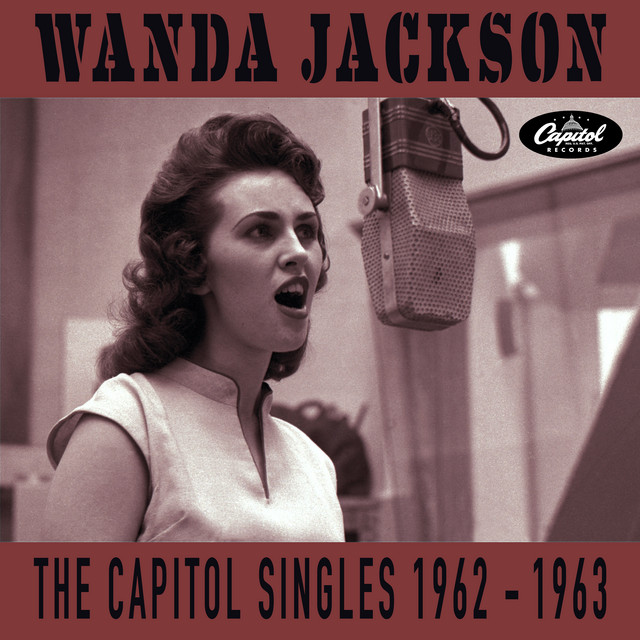
The Capitol Singles 1962-1963
Wanda Jackson
Psychobilly
Nashville Sound
Rockabilly
1961
2
/5
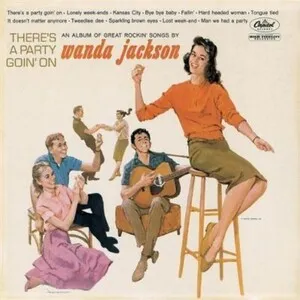
There's a Party Goin' On
Wanda Jackson
Rockabilly
Pop
Rock
Similar artists
1
/5
Various Artists
Afro-Funk
Alternative Rock
Ambient
4
/5
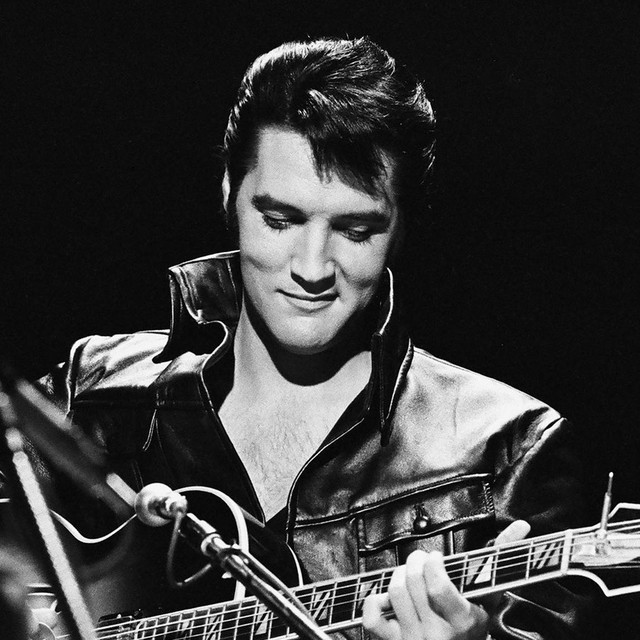
Elvis Presley
Rock And Roll
Rockabilly
Pop
4
/5
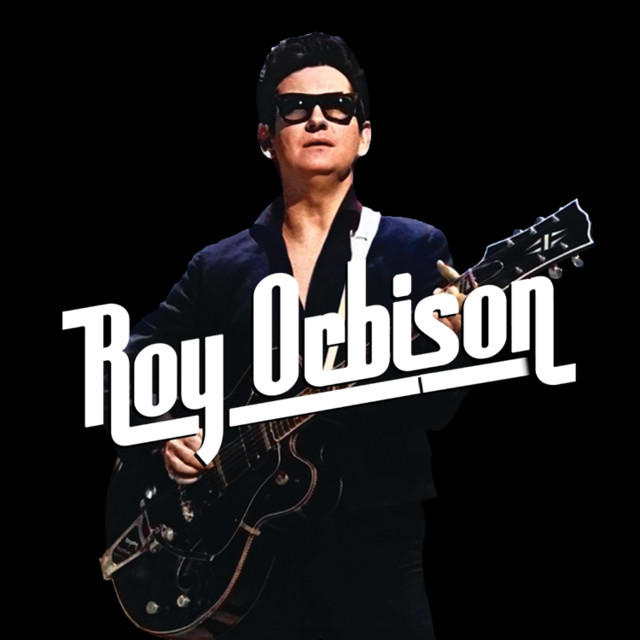
Roy Orbison
Pop
Rock
Blue-Eyed Soul
4
/5
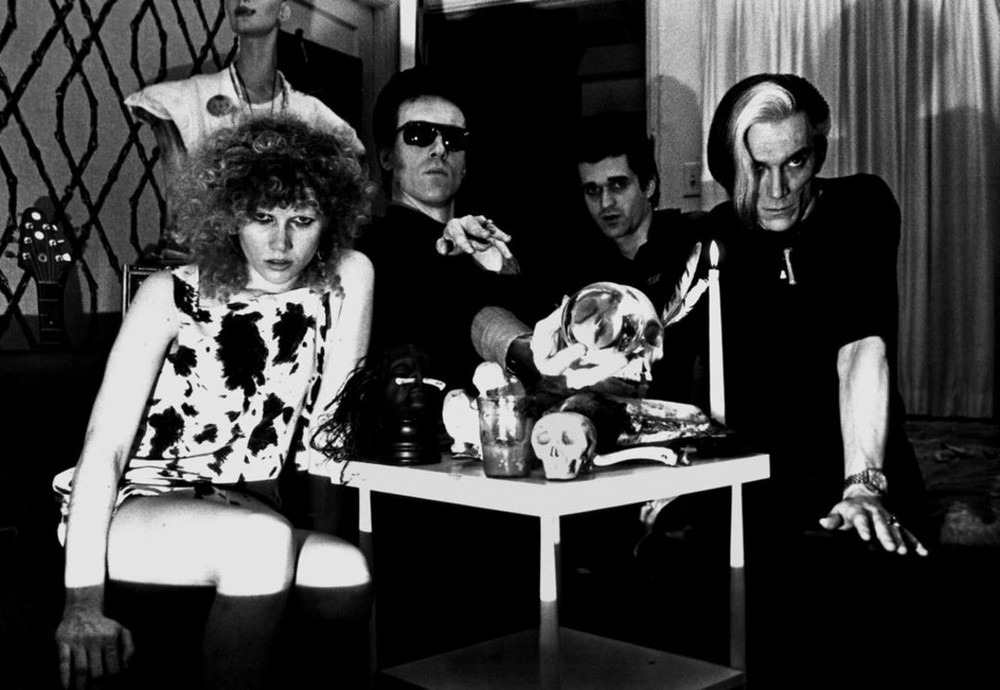
The Cramps
Psychobilly
Gothabilly
Rockabilly
3
/5
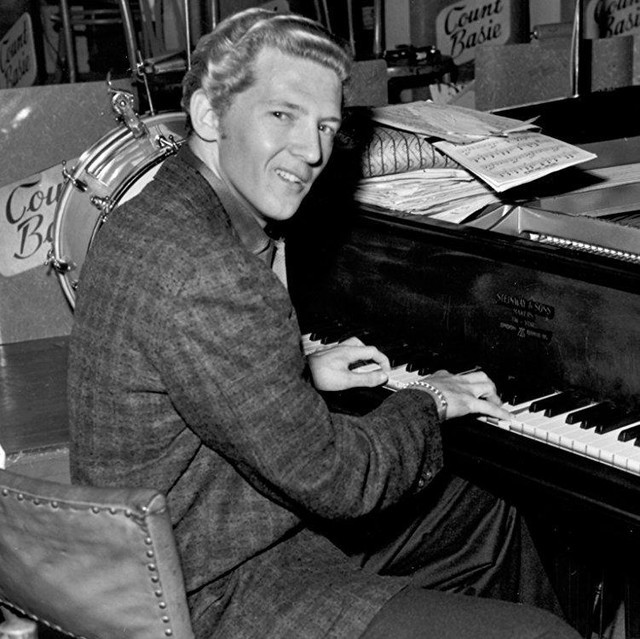
Jerry Lee Lewis
Boogie-Woogie
Rock And Roll
Rockabilly
3
/5
Stray Cats
Psychobilly
Rockabilly
Chill Pop
3
/5
The Everly Brothers
Rock And Roll
Close Harmony
Pop
3
/5
The Reverend Horton Heat
Psychobilly
Rockabilly
Rock
2
/5
Johnny Burnette & The Rock 'N' Roll Trio
Rock And Roll
Rockabilly
Psychobilly
2
/5
Legendary Shack Shakers
Rockabilly
Psychobilly
Bluegrass
Download our mobile app
Get the Melodigging app and start digging for new genres on the go
Download on the App Store
Get it on Google Play
© 2026 Melodigging
Give feedback
Legal
Melodding was created as a tribute to
Every Noise at Once
, which inspired us to help curious minds keep digging into music's ever-evolving genres.