Your digging level

For this genre
0/8
🏆
Sign in, then listen to this genre to level up

Description

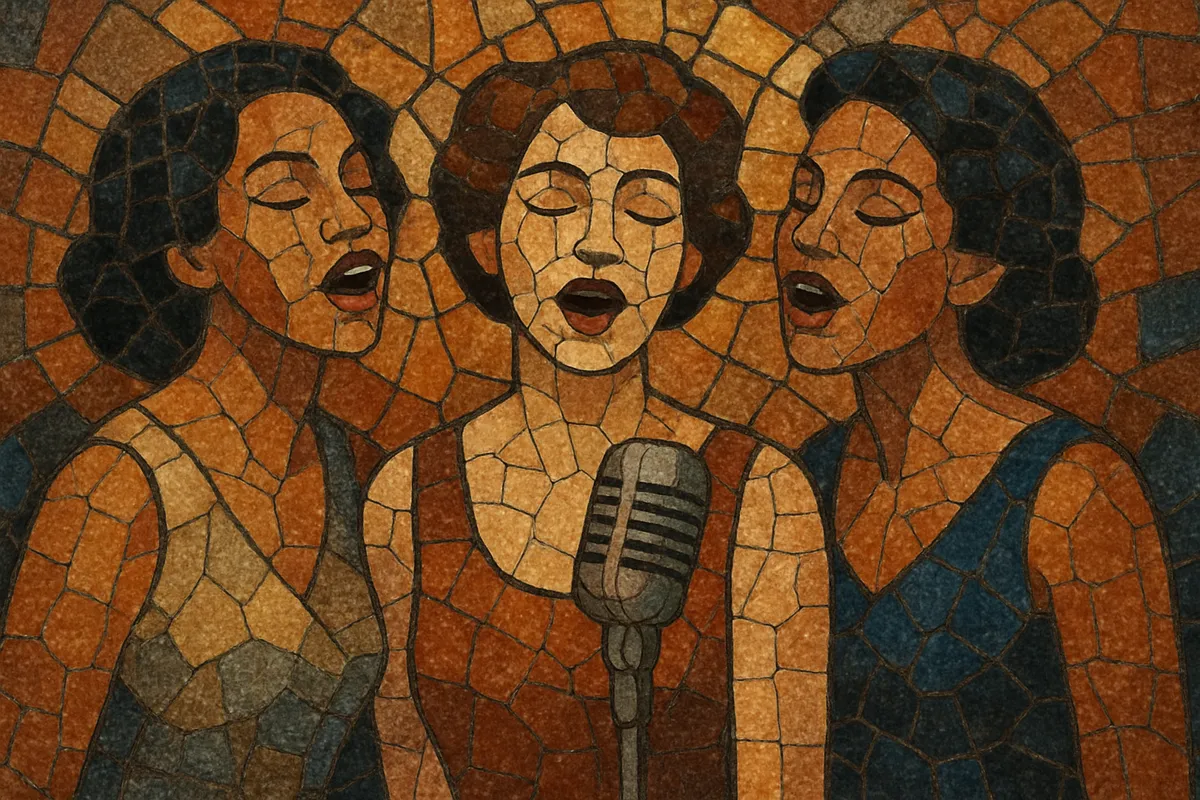
Close harmony (in the traditional country sense) is a duet style built on two voices singing in tight intervals—often thirds and sixths—so that the parts sit “close” within a narrow span, usually less than an octave.

In country music, it became synonymous with brother duets: sibling pairs who sang in parallel or counter‑motion with nearly identical timbres, producing a seamless vocal blend. Typical accompaniment is sparse—most often one or two acoustic guitars, sometimes mandolin or fiddle—so the intertwined voices remain the focal point.

The approach emphasizes direct, homespun storytelling about love, faith, rural life, and moral trials, drawing strongly from old‑time, gospel, shape‑note traditions, and barbershop, but rendered with a country lilt and back‑porch immediacy.


Sources: Spotify, Wikipedia, Discogs, RYM, MB, user feedback and other online sources

History

Origins

Close harmony singing in American roots music grew from 19th‑century hymnody, shape‑note (Sacred Harp) singing, and barbershop quartet practice. In the Southern Appalachians, these strands met old‑time balladry and string‑band accompaniment, creating a uniquely intimate two‑voice blend. Radio barn dances of the late 1920s and early 1930s popularized the format, with siblings’ similar vocal color enabling exceptionally tight tuning and phrasing.

1930s–1950s: The brother‑duet heyday

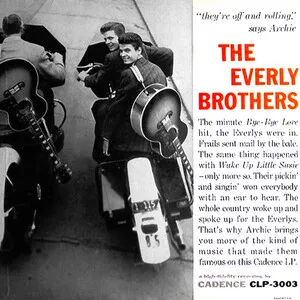
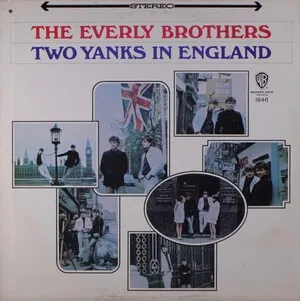
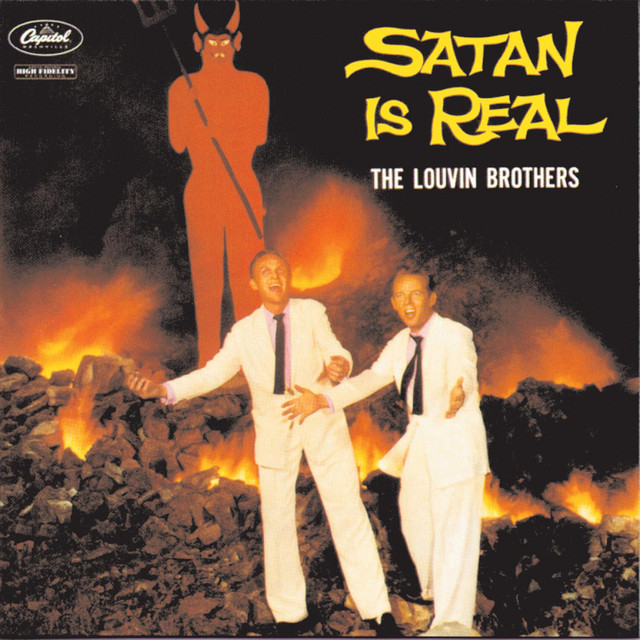
The style crystallized in the mid‑1930s with acts like the Monroe Brothers, the Delmore Brothers, and the Blue Sky Boys. Performers typically sang lead and high tenor (sometimes called “high baritone”) parts in close intervals over simple guitar/mandolin rhythm, letting the harmony carry the drama. By the 1940s–50s, the Louvin Brothers refined the form with emotionally intense gospel and secular songs, while the Everly Brothers brought the sound to pop and early rock‑and‑roll audiences.

Legacy and influence

Close harmony duets seeded the stacked vocal language of bluegrass (lead/tenor/baritone trios), country gospel, and much of postwar country and Americana harmony. Their phrasing and intervallic habits traveled into rockabilly and early rock vocal groups. Even when arrangements expanded, the country ideal of two voices moving as one remained a touchstone for ensemble blend and expressive simplicity.

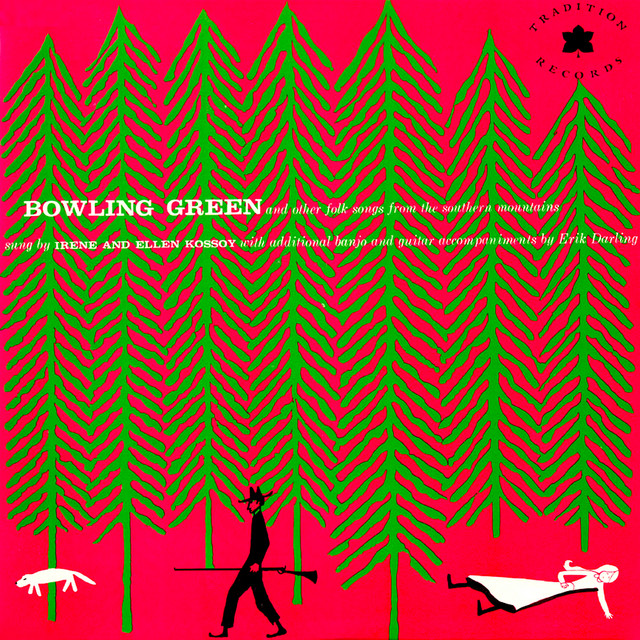
How to make a track in this genre

Core vocal concept
•   Write a melody that sits comfortably for two similar timbres (often siblings or matched voices). Assign the lead and a high harmony (tenor/high baritone) that tracks the melody mostly in 3rds and 6ths, staying within a tight range. •   Aim for a near‑unison onset and release of phrases; consonants and vowel shapes should match to keep the blend seamless.
Harmony language
•   Prioritize diatonic, triad‑based intervals (I–IV–V progressions with occasional vi). Let the harmony shadow the lead in parallel or gentle contrary motion. •   Cadences are simple (V–I), with passing tones and suspensions used sparingly to add lilt without obscuring clarity. •   For gospel numbers, you can add brief secondary dominants or a IV–iv–I color; keep voice‑leading smooth and intervals tight.
Instrumentation and rhythm
•   Use acoustic guitar (boom‑chuck in 2/4 or 4/4), with optional mandolin off‑beats; bass and fiddle are secondary and should not crowd the vocals. •   Keep tempos moderate so words and vowel unison are intelligible; the groove should support, not compete with, the vocal blend.
Lyrics and themes
•   Draw on plain‑spoken narratives—love won/lost, devotion, rural life, moral tales. Rhyme schemes are straightforward (AA/BB or ABAB) with clear refrains.
Arranging and recording tips
•   Practice breath and consonant alignment; tune thirds carefully (slightly low in just‑intonation feel) to avoid harshness. •   Track around a single microphone or a tight stereo pair to capture natural blend and micro‑dynamics; let the lead sit a hair forward with the harmony tucked close rather than wide‑panned. •   Leave instrumental breaks short and melodic (8 bars of guitar/mandolin) before returning quickly to the duet.

Top tracks

Locked
Share your favorite track to unlock other users’ top tracks

Related labels

Upcoming concerts

in this genre
Influenced by
Has influenced

Download our mobile app

Get the Melodigging app and start digging for new genres on the go
© 2026 Melodigging
Melodding was created as a tribute to Every Noise at Once, which inspired us to help curious minds keep digging into music's ever-evolving genres.
Buy me a coffee for Melodigging