Genres
Artists
Albums
Make Music
Sign in
Sign in
Artists
Medieval
Artists
Medieval
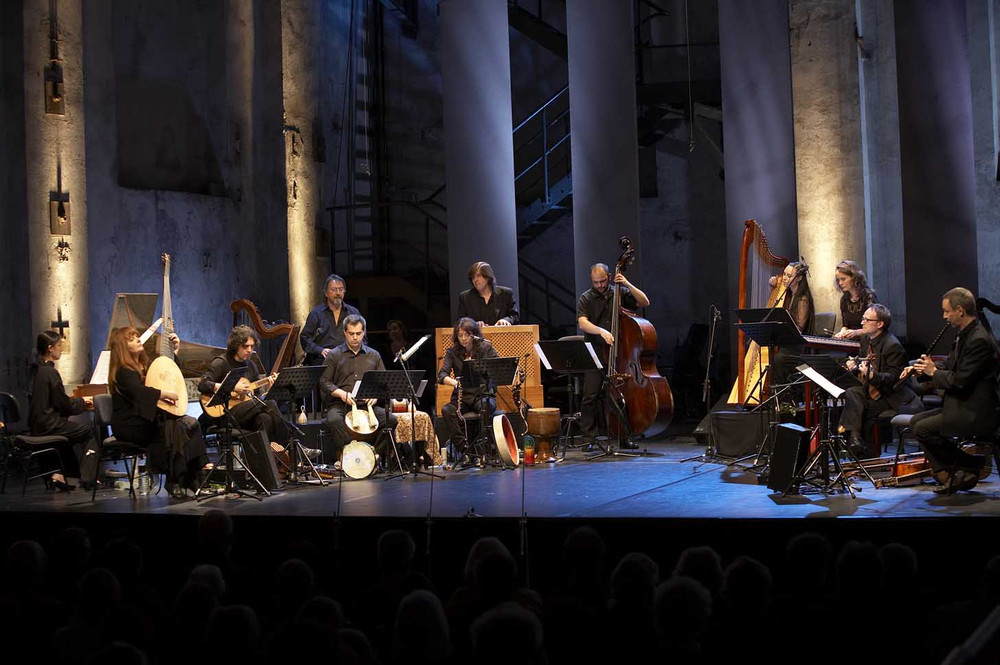
Vox Vulgaris
2003–2024
·
2 albums
Listen
2
/5
Genres
Neo-Medieval Folk
Neo-medieval folk is a modern revivalist style that reimagines the sounds of medieval and early Renaissance Europe through contemporary folk aesthetics. It favors acoustic, historically inspired instruments (hurdy-gurdy, bagpipes, lute, harp, nyckelharpa, recorders, shawms, frame drums) and modal melodies, often sung in historical or reconstructed languages. While rooted in academic early-music practice, the genre is more atmospheric and narrative-driven than strictly scholarly. Artists blend courtly songs, dance forms (such as estampie and saltarello), drone-based textures, and ballad traditions with modern songwriting and subtle production. Depending on the act, it may lean toward dark wave and gothic timbres or toward pastoral, festival-ready folk.
Discover
Listen
European Folk Music
European folk music is an umbrella term for the traditional, community-based music practices of Europe, spanning ballads, dance tunes, ritual songs, and work songs passed down largely through oral transmission. It emphasizes local languages, modal melodies, and characteristic rhythms linked to social dances and seasonal customs. While many of its musical roots are older, the idea of “folk” as a category coalesced in the 19th century alongside nation-building, when collectors and scholars documented village repertoires and instruments. Today, European folk music encompasses both preserved regional traditions and living, evolving practices that continue to inform contemporary genres.
Discover
Listen
Medieval
Medieval music refers to the diverse sacred and secular musical practices of Europe between the fall of the Western Roman Empire and the dawn of the Renaissance. It spans more than eight centuries, from early monophonic chant to the first notated polyphony. Core features include the use of church modes rather than major/minor, extensive reliance on vocal music (Latin sacred chant as well as vernacular song), and the progressive development from unmeasured chant to rhythmic modal notation and, later, mensural notation. Texture evolves from monophony (plainchant, troubadour songs) to organum, conductus, and the motet, culminating in complex isorhythmic works by the late 13th–14th centuries. Secular traditions—troubadours and trouvères in France, Minnesänger in German lands, and the Iberian Cantigas—coexisted with and influenced sacred practice. Instruments such as the vielle, harp, psaltery, recorder, shawm, hurdy-gurdy, and portative organ often doubled or accompanied voices, though much music remained purely vocal.
Discover
Listen
Albums
2024
2
/5
Early Music for Late Humanity
Vox Vulgaris
Neo-Medieval Folk
2003
3
/5
The Shape of Medieval Music to Come
Vox Vulgaris
Neo-Medieval Folk
European Folk Music
Similar artists
3
/5
Faun
Medieval Rock
Folk
Neofolk
3
/5
Blackmore's Night
Folk Rock
Celtic
Celtic Rock
3
/5
Curta'n Wall
Black Metal
Folk Metal
Medieval
2
/5
Fief
Dungeon Synth
Medieval
Neo-Medieval Folk
2
/5
The Moon & The Nightspirit
Neo-Medieval Folk
Rock
Ambient Folk
1
/5
Gryphon
Neo-Medieval Folk
Art Rock
Medieval
1
/5
Ougenweide
German Folk Music
German Music
Neo-Medieval Folk
3
/5
Loreena McKennitt
Celtic New Age
New Age
Celtic
3
/5
Christina Pluhar
Classical
Italian Folk Music
Italian Music
3
/5
L'Arpeggiata
Classical
Italian Folk Music
Italian Music
Download our mobile app
Get the Melodigging app and start digging for new genres on the go
Download on the App Store
Get it on Google Play
© 2026 Melodigging
Give feedback
Legal
Melodding was created as a tribute to
Every Noise at Once
, which inspired us to help curious minds keep digging into music's ever-evolving genres.