Genres
Artists
Albums
Make Music
Sign in
Sign in
Artists
Dungeon Synth
Artists
Dungeon Synth
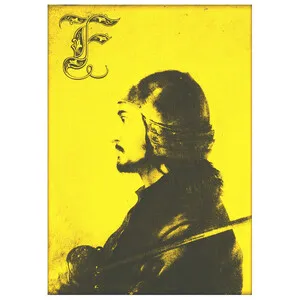
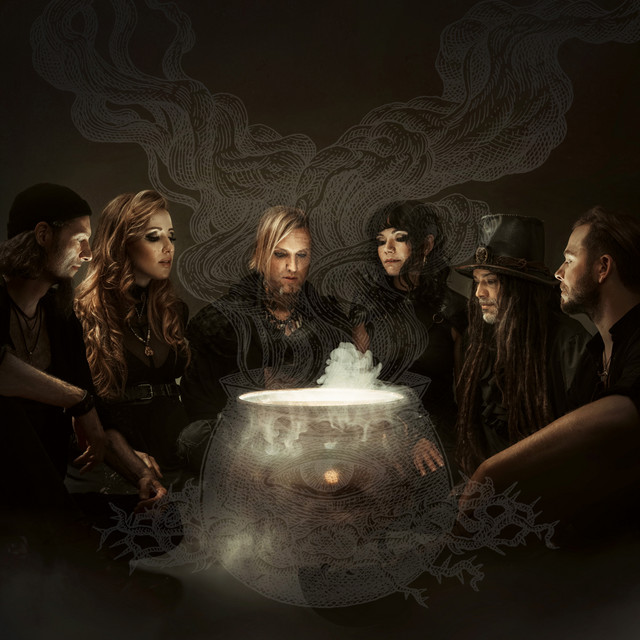
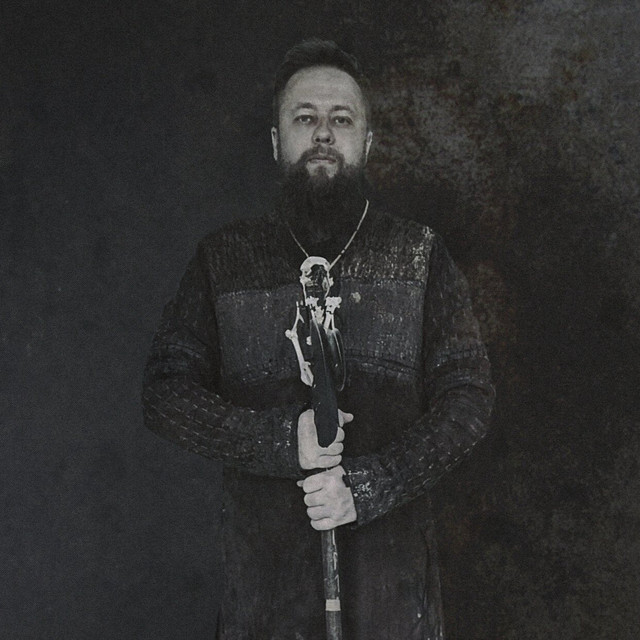
Fief
2016–2024
·
5 albums
Listen
2
/5
Genres
Winter Synth
Winter synth is a microgenre of dungeon synth and ambient that evokes wintertime landscapes, quiet snowfall, candlelit interiors, and festive or solstitial moods. Its sound palette favors soft synth pads, bell and celesta tones, choir and string layers, gentle drones, and understated percussion such as sleigh bells or muffled toms. Production typically leans lo‑fi and reverb‑rich, often with tape hiss or room noise to enhance the cozy, nostalgic feel. While largely instrumental, some releases weave in hymn- or carol-like harmonies, wind and fireplace field recordings, or simple leitmotifs that recur across short vignettes. The focus is atmosphere over virtuosity, creating intimate, scenic miniatures that suggest a quiet winter journey or a peaceful night by the hearth.
Discover
Listen
Dungeon Synth
Dungeon synth is a dark, fantasy-focused branch of ambient music that grew out of the early 1990s black metal underground. It typically uses inexpensive or vintage-sounding synthesizers to evoke medieval, folkloric, and high-fantasy worlds—dungeons, castles, forests, and forgotten realms—through simple modal melodies, drones, and processional harmonies. The style is intentionally lo‑fi and atmospheric: orchestral pads, choirs, pipe organs, harps, flutes, and bell tones are layered with tape-like hiss, room reverb, and steady pedal notes. Percussion is sparse or absent; when used, it tends toward martial snare patterns or timpani rolls rather than driving drum kits. Albums often function as worldbuilding artifacts with narrative track sequences, thematic leitmotifs, and evocative artwork.
Discover
Listen
Neo-Medieval Folk
Neo-medieval folk is a modern revivalist style that reimagines the sounds of medieval and early Renaissance Europe through contemporary folk aesthetics. It favors acoustic, historically inspired instruments (hurdy-gurdy, bagpipes, lute, harp, nyckelharpa, recorders, shawms, frame drums) and modal melodies, often sung in historical or reconstructed languages. While rooted in academic early-music practice, the genre is more atmospheric and narrative-driven than strictly scholarly. Artists blend courtly songs, dance forms (such as estampie and saltarello), drone-based textures, and ballad traditions with modern songwriting and subtle production. Depending on the act, it may lean toward dark wave and gothic timbres or toward pastoral, festival-ready folk.
Discover
Listen
Dark Ambient
Dark ambient is a post‑industrial subgenre that coalesced in the mid‑1980s, drawing primarily on ambient music but shifting its focus toward ominous, subterranean space and timbre. It is characterized by long, low‑frequency drones; dissonant or microtonal overtones; and an enveloping, gloomy or catacomb‑like atmosphere. While largely electronic (synthesizers, samplers, tape and digital processing), artists frequently incorporate field recordings, contact‑mic textures, bowed metal, gongs, and fragments of traditional instruments captured with semi‑acoustic techniques and then heavily processed. Melody and pulse are minimized; instead the music emphasizes immersive sound design, psychoacoustic detail, and slowly evolving textures that evoke dread, awe, and isolation.
Discover
Listen
Ambient
Ambient is a form of electronic and electroacoustic music that prioritizes tone, atmosphere, and texture over conventional song structures and rhythmic drive. It typically features slow-moving harmonies, sustained drones, gentle timbral shifts, and extensive use of space and silence. Rather than drawing attention to itself through hooks or beats, ambient is designed to be as ignorable as it is interesting, rewarding both background listening and focused immersion. Artists often employ synthesizers, samplers, tape loops, field recordings, and subtle acoustic instruments, with reverb and delay creating a sense of place. Substyles range from luminous, consonant soundscapes to darker, more dissonant atmospheres.
Discover
Listen
Folk
Folk is a song-centered acoustic tradition rooted in community storytelling, everyday life, and social history. It emphasizes clear melodies, simple harmonies, and lyrics that foreground narrative, protest, and personal testimony. As a modern recorded genre, folk coalesced in the early-to-mid 20th century in the United States out of older ballad, work song, and rural dance traditions. It typically features acoustic instruments (guitar, banjo, fiddle, mandolin, harmonica), strophic song forms, and participatory singing (choruses, call-and-response).
Discover
Listen
Electronic
Electronic is a broad umbrella genre defined by the primary use of electronically generated or electronically processed sound. It encompasses music made with synthesizers, drum machines, samplers, computers, and studio/tape techniques, as well as electroacoustic manipulation of recorded or synthetic sources. The genre ranges from academic and experimental traditions to popular and dance-oriented forms. While its sonic palette is rooted in electricity and circuitry, its aesthetics span minimal and textural explorations, structured song forms, and beat-driven club permutations. Electronic emphasizes sound design, timbre, and studio-as-instrument practices as much as melody and harmony.
Discover
Listen
Medieval
Medieval music refers to the diverse sacred and secular musical practices of Europe between the fall of the Western Roman Empire and the dawn of the Renaissance. It spans more than eight centuries, from early monophonic chant to the first notated polyphony. Core features include the use of church modes rather than major/minor, extensive reliance on vocal music (Latin sacred chant as well as vernacular song), and the progressive development from unmeasured chant to rhythmic modal notation and, later, mensural notation. Texture evolves from monophony (plainchant, troubadour songs) to organum, conductus, and the motet, culminating in complex isorhythmic works by the late 13th–14th centuries. Secular traditions—troubadours and trouvères in France, Minnesänger in German lands, and the Iberian Cantigas—coexisted with and influenced sacred practice. Instruments such as the vielle, harp, psaltery, recorder, shawm, hurdy-gurdy, and portative organ often doubled or accompanied voices, though much music remained purely vocal.
Discover
Listen
Show all 8 genres
Albums
2024
1
/5
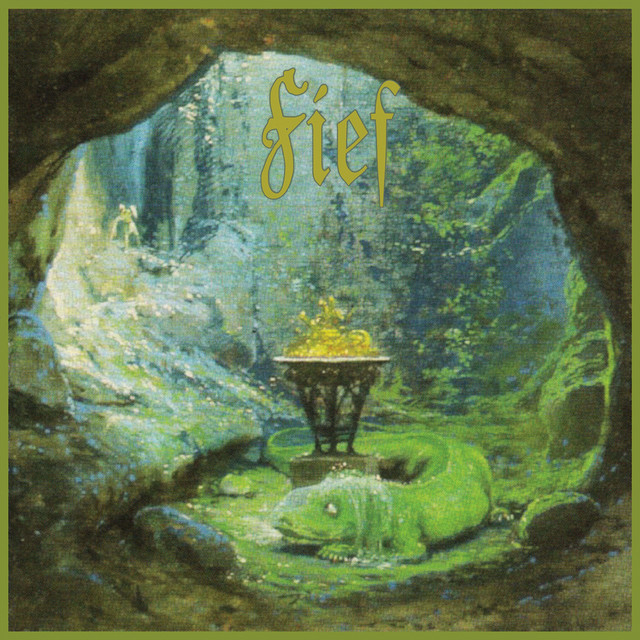
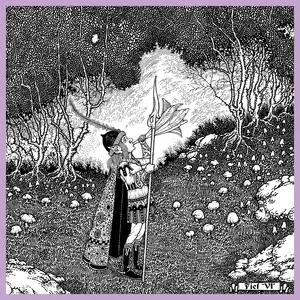
VI
Fief
Neo-Medieval Folk
Dungeon Synth
2019
1
/5
V
Fief
Neo-Medieval Folk
Dungeon Synth
Medieval
2018
1
/5
IV
Fief
Neo-Medieval Folk
Dungeon Synth
Ambient
2017
1
/5
III
Fief
Dungeon Synth
Ambient
Electronic
2016
1
/5
II
Fief
Neo-Medieval Folk
Dungeon Synth
Ambient
Similar artists
3
/5
Faun
Medieval Rock
Folk
Neofolk
3
/5
Dead Can Dance
Ethereal Wave
Dark Wave
Electronic
1
/5
Elyvilon
Comfy Synth
Dark Ambient
Ambient
2
/5
Hole Dweller
Comfy Synth
Dungeon Synth
Ambient
5
/5
Hans Zimmer
Country Dawn
Soundtrack
Classical
4
/5
Ryuichi Sakamoto
Drone
Japanese Classical
Ambient
2
/5
Erang
Dungeon Synth
Dark Ambient
Medieval
3
/5
Wardruna
Neofolk
Rune Folk
Viking Folk
3
/5
Danheim
Neofolk
Rune Folk
Viking Folk
2
/5
DIM
Dungeon Synth
Dark Ambient
Medieval
Download our mobile app
Get the Melodigging app and start digging for new genres on the go
Download on the App Store
Get it on Google Play
© 2026 Melodigging
Give feedback
Legal
Melodding was created as a tribute to
Every Noise at Once
, which inspired us to help curious minds keep digging into music's ever-evolving genres.