Genres
Artists
Albums
Make Music
Sign in
Sign in
Artists
Choral
Artists
Choral
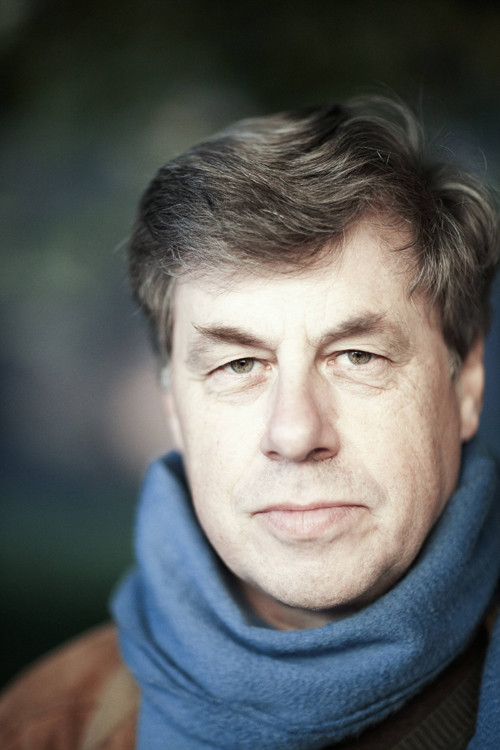
Valery Polyansky
1993–2018
·
5 albums
Listen
2
/5
Genres
Modern Classical
Modern classical is a contemporary strand of instrumental music that applies classical composition techniques to intimate, cinematic settings. It typically foregrounds piano and strings, is sparsely orchestrated, and embraces ambience, repetition, and timbral detail. Rather than the academic modernism of the early 20th century, modern classical as used today refers to accessible, mood-driven works that sit between classical, ambient, and film music. Felt pianos, close‑miked string quartets, tape hiss, drones, soft electronics, and minimal harmonic movement are common, producing a contemplative, emotionally direct sound that translates well to headphones, streaming playlists, and screen media.
Discover
Listen
Choral Symphony
A choral symphony is a large-scale symphonic work that integrates chorus (and often vocal soloists) into the symphonic fabric, rather than treating the voices as an add-on or separate cantata-like appendix. Pioneered most famously by Beethoven’s Symphony No. 9 (1824), the genre fuses the instrumental architecture of the symphony with texted, choral expression drawn from sacred and secular traditions. Composers use the chorus to broaden timbral range, intensify climaxes, and articulate philosophical or narrative ideas that purely instrumental music cannot directly convey. Across the 19th and 20th centuries, choral symphonies ranged from liturgical meditations (Stravinsky’s Symphony of Psalms) to epic, humanistic statements (Mahler’s Symphonies Nos. 2 and 8; Vaughan Williams’s A Sea Symphony), and politically charged works (Shostakovich’s Symphony No. 13).
Discover
Listen
Choral Concerto
The choral concerto is a genre of Eastern Orthodox sacred music that emerged in the mid‑seventeenth century in the Russian Empire, particularly through the work of Ukrainian composers and chapel traditions. Written for unaccompanied choir (a cappella), these works are typically multi‑sectional and contrast homophonic, declamatory blocks with brief soloistic or small‑ensemble passages. Texts are drawn from Psalms and other scriptural or festal sources in Church Slavonic. In liturgical practice, choral concertos were sung during the Divine Liturgy at the moment when the clergy took Holy Communion—just before the Communion of the faithful—so they balance contemplative devotion with vivid rhetorical projection. Stylistically, the genre fuses native chant and Orthodox polyphony with Baroque concepts of contrast and sectional articulation. Although concise, many pieces employ double‑choir writing, antiphonal effects, and expressive dynamic “terracing,” all while maintaining the Orthodox prohibition against instruments inside the church.
Discover
Listen
Classical
Classical music is the notated art-music tradition of Europe and its global descendants, characterized by durable forms, carefully codified harmony and counterpoint, and a literate score-based practice. The term “classical” can refer broadly to the entire Western art-music lineage from the Medieval era to today, not just the Classical period (c. 1750s–1820s). It privileges long-form structures (such as symphonies, sonatas, concertos, masses, and operas), functional or modal harmony, thematic development, and timbral nuance across ensembles ranging from solo instruments to full orchestras and choirs. Across centuries, the style evolved from chant and modal polyphony to tonal harmony, and later to post-tonal idioms, while maintaining a shared emphasis on written notation, performance practice, and craft.
Discover
Listen
Russian Music
Russian music refers to the broad body of folk, sacred, art, and popular music that developed in the lands of historical Rus' and the Russian state. It combines deep-rooted Slavic folk traditions, Orthodox liturgical chant, and European art-music practices absorbed and reimagined from the 18th century onward. Hallmarks include modal folk melodies, powerful choral sonorities (often with resonant basso profundo lines), bell-like tone colors, and an affinity for expansive, emotionally charged lyricism. Folk dances and songs—carried by instruments like balalaika, domra, gusli, and the bayan—coexist with a towering classical canon (from Glinka and Tchaikovsky to Shostakovich) and a rich 20th-century popular sphere (bard song, estrada, rock, and hip hop).
Discover
Listen
Russian Orthodox Liturgical Music
Russian Orthodox liturgical music is the a cappella chant and choral tradition of the Russian Orthodox Church, sung in Church Slavonic during services such as the Divine Liturgy, the All‑Night Vigil, and the Hours. It grew from medieval monophonic chant (especially Znamenny, but also Demestvenny and Put’) structured by the octoechos (eight-mode) system inherited from Byzantium. From the 17th century onward, polyphonic and later richly harmonized choral idioms developed alongside chant, creating a uniquely Slavic blend of ancient modal melody and Romantic choral sonority. Hallmarks include unaccompanied mixed or male choirs, free, text-driven rhythm, deep basses (oktavists), luminous chordal writing in later repertoire, and a reverent, prayerful tone that prioritizes clarity of the sacred text over display. Instruments are not used, in keeping with Orthodox canons.
Discover
Listen
European Music
“European music” is a broad umbrella covering the historical and regional practices that developed across the European continent, from medieval sacred chant and courtly song to folk traditions, art (classical) music, and later popular and electronic styles. Common threads include the codification of staff notation, the development of modal and later tonal harmony, the use of structured forms (e.g., mass, motet, madrigal; sonata, symphony, opera; verse–chorus song), and a rich palette of instruments culminating in the modern orchestra and various regional folk ensembles. While extremely diverse from region to region, European music is marked by a continuous dialogue between sacred and secular practices, learned written traditions and oral folk idioms, and later between art music and mass-market popular genres.
Discover
Listen
Western Classical
Western classical is the notated art-music tradition that developed in Europe from medieval Christian chant into the large-scale secular and sacred forms of the Baroque, Classical, Romantic, and modern eras. It is characterized by staff notation, evolving systems of modality and tonality, and forms such as symphony, sonata, concerto, mass, opera, and chamber music. Across its history, Western classical established an extensive theory of harmony and counterpoint, refined orchestration across strings, winds, brass, and percussion, and cultivated performance practices from a cappella chant to full symphonic and operatic forces. Its repertoire, pedagogy, and institutions (conservatories, orchestras, opera houses) made it a global reference point for compositional craft and instrumental technique.
Discover
Listen
Gregorian Chant
Gregorian chant is the central Western tradition of plainchant: a monophonic, unaccompanied sacred song in Latin (and occasionally Greek) used in the Roman Catholic liturgy. It employs free rhythm guided by the prosody of the text rather than by strict meter, and is sung in unison by clerics or scholas. Its melodies are organized by the system of eight church modes, with characteristic finalis (final), tenor/reciting tones, and melodic formulas. Repertoires include the Proper and Ordinary of the Mass (e.g., Introit, Gradual, Alleluia, Offertory, Communion, Kyrie, Gloria, Credo, Sanctus, Agnus Dei) and the Divine Office (e.g., Antiphons, Responsories, Hymns, Psalms). Although legend credits Pope Gregory I, modern scholarship sees Gregorian chant as a Carolingian synthesis of Old Roman and Gallican chants, standardized across Frankish realms and later the broader Latin West.
Discover
Listen
Choral
Choral refers to music written for and performed by a choir—an ensemble of voices organized into sections such as soprano, alto, tenor, and bass (SATB), or same-voice groupings (SSA, TTBB). It encompasses both sacred and secular repertoire and may be sung a cappella or with accompaniment by organ, piano, or full orchestra. Stylistically, choral music ranges from chant-like monophony to intricate polyphony and rich homophonic textures. Texts are drawn from liturgy, scripture, poetry, and vernacular sources, and are set in many languages. Performance contexts include church services, concert halls, and community events, making choral one of the most socially embedded and widely practiced forms of ensemble music. Across history, choral music has served as a laboratory for vocal counterpoint, word painting, and text-driven form, while functioning as a cultural bridge among religious rites, national traditions, and contemporary concert practice.
Discover
Listen
Show all 10 genres
Albums
2018
1
/5
Concertos for Choir Nos. IV, XXVIII, XV, X, XXV [Polyansky, USSR Ministry of Culture Chamber Choir]
Dmitry Bortniansky Дмитрий Бортнянский
Choral Concerto
2016
1
/5
Vespers, Op. 37
Sergey Rakhmaninov Сергей Рахманинов / USSR Ministry of Culture Chamber Choir Г…
Choral Concerto
Russian Orthodox Liturgical Music
Russian Music
1996
1
/5
Symphony No. 4; Three Sacred Hymns
Alfred Schnittke Альфред Шнитке
Choral Symphony
1994
1
/5
Choir Concerto
Alfred Schnittke Альфред Шнитке / USSR Ministry of Culture Chamber Choir Госуда…
Choral Concerto
Russian Music
Choral
1993
2
/5
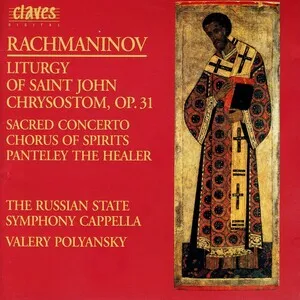
Liturgy of Saint John Chrysostom, Op.31; Sacred Concerto; Chorus of Spirits; Panteley the Healer
Sergey Rakhmaninov Сергей Рахманинов / State Symphony Capella of Russia Государ…
Russian Orthodox Liturgical Music
Similar artists
3
/5
Paul Hillier
Choral
Minimalism
Classical
3
/5
The Tallis Scholars
Choral
Renaissance
Requiem
2
/5
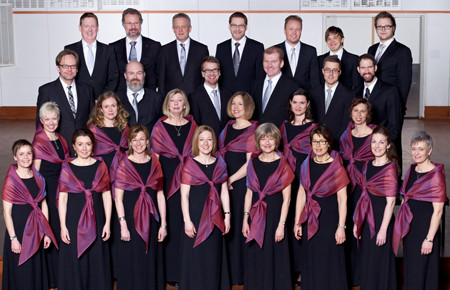
Estonian Philharmonic Chamber Choir
Choral
Minimalism
Holy Minimalism
4
/5
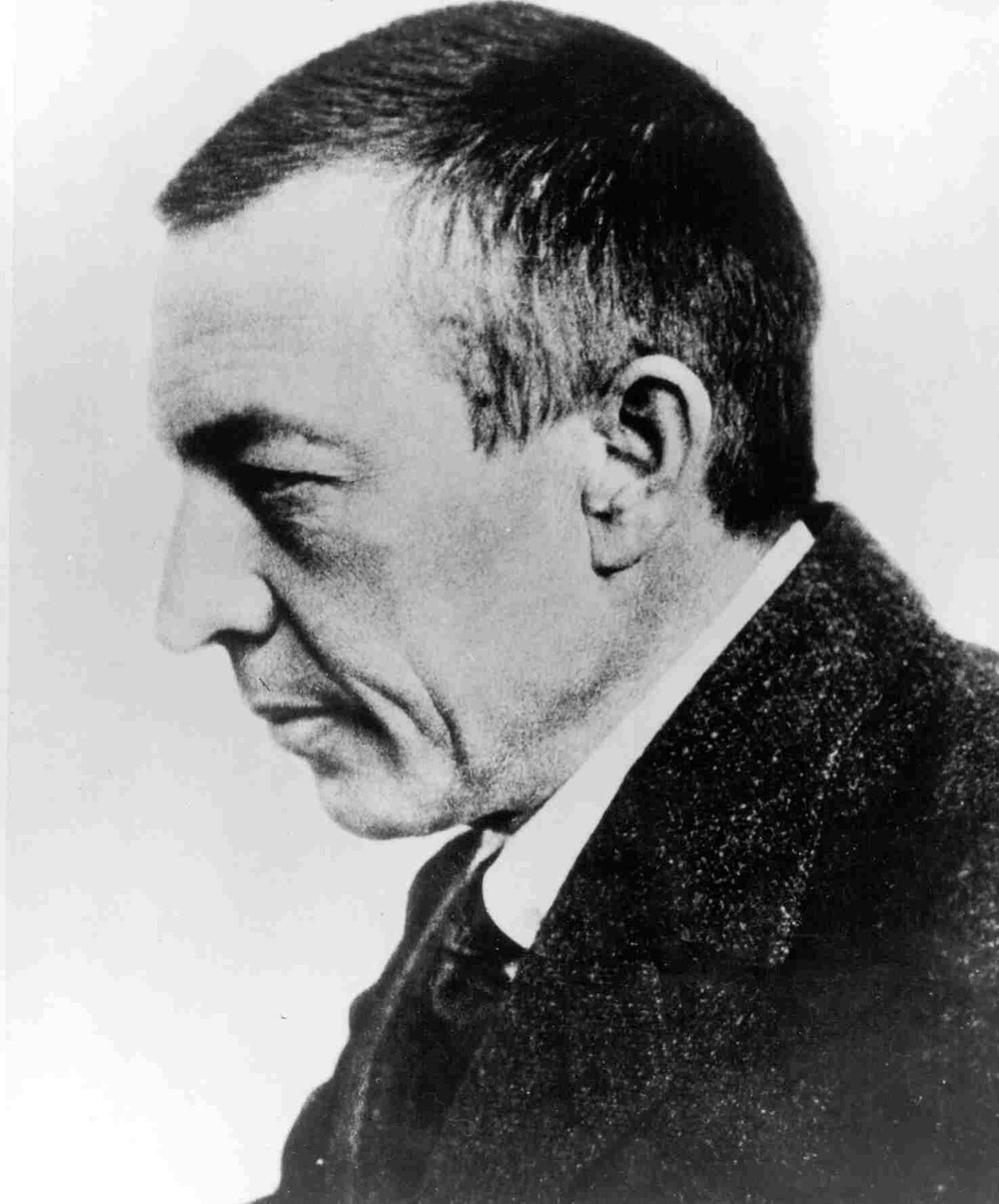
Sergei Rachmaninoff
Classical
Moscow School
Choral Concerto
3
/5
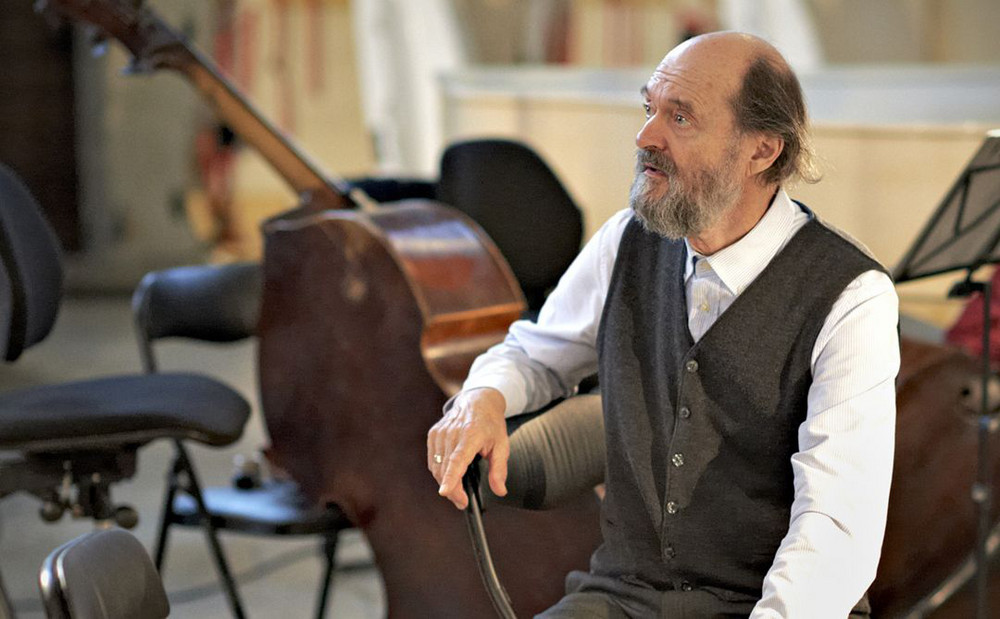
Arvo Pärt
Minimalism
Classical
Holy Minimalism
2
/5
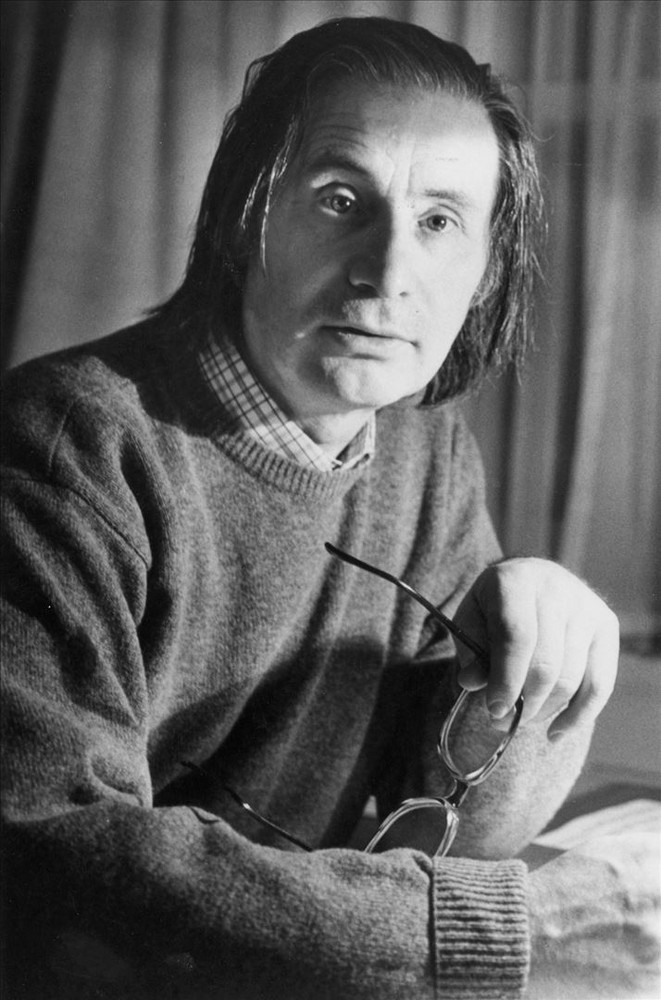
Alfred Schnittke
Classical
Choral Concerto
Chamber Music
3
/5
Swedish Radio Choir
Requiem
Choral Concerto
Choral
2
/5
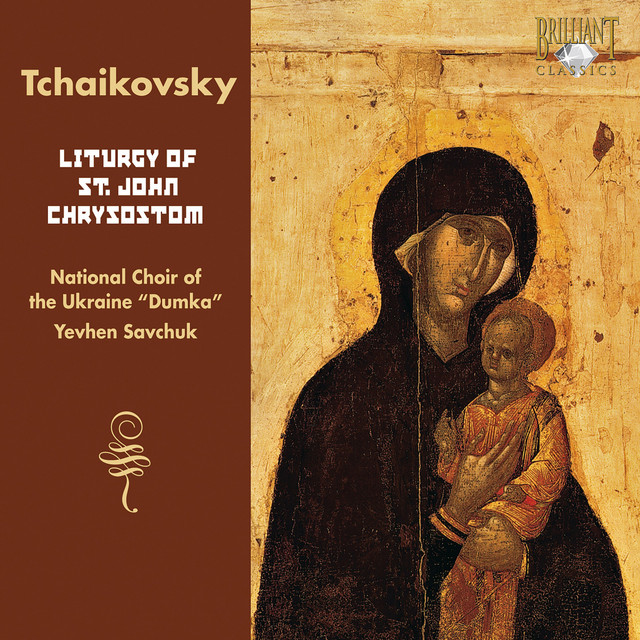
Yevhen Savchuk
Choral
Gregorian Chant
Russian Orthodox Liturgical Music
2
/5
National Choir Of The Ukraine "Dumka"
Choral
Gregorian Chant
Russian Orthodox Liturgical Music
3
/5
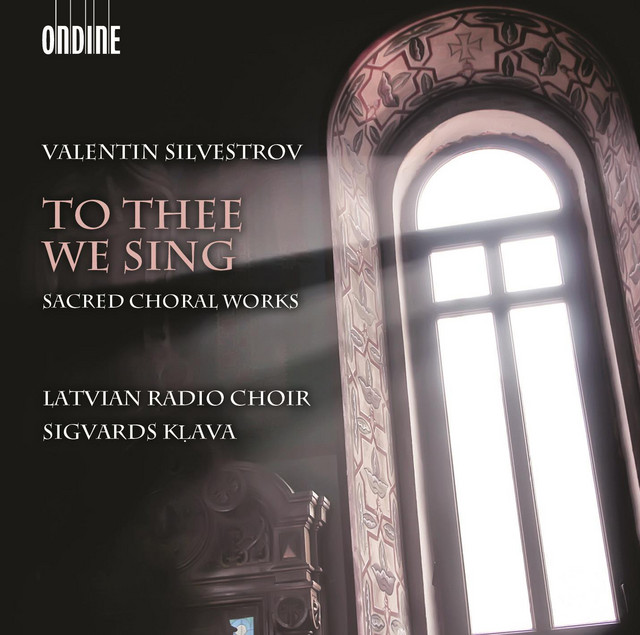
Sigvards Kļava
Choral
Minimalism
Armenian Church Music
Download our mobile app
Get the Melodigging app and start digging for new genres on the go
Download on the App Store
Get it on Google Play
© 2026 Melodigging
Give feedback
Legal
Melodding was created as a tribute to
Every Noise at Once
, which inspired us to help curious minds keep digging into music's ever-evolving genres.