Genres
Artists
Albums
Make Music
Sign in
Sign in
Artists
Sovietwave
Artists
Sovietwave
Valentin Strykalo
2012–2016
·
3 albums
Listen
4
/5
Genres
Zxc
ZXC is a Russian/CIS internet-native micro‑genre and scene label that emerged on VK, Telegram, and TikTok to group a melancholic, guitar‑tinged strain of emo‑rap and trap. Rather than a rigid stylistic rulebook, “zxc” signals a shared aesthetic: minor‑key melodies, soft overdriven guitars or hazy synth pads atop 808-heavy trap drums, half‑sung/half‑rapped hooks, and diaristic Russian‑language lyrics about alienation, late‑night cityscapes, romance, and online life. Production is intentionally lo‑fi or dreamlike—washed in chorus, reverb, and tape‑like saturation—blending cloud‑rap softness with post‑Soviet cold‑wave/post‑punk moods. The tag functions both as a sound and a subcultural marker: hoodies and VHS textures, retro phone cameras, pixel art, and gaming/server culture references, all orbiting short, hooky tracks optimized for social feeds and stories.
Discover
Listen
Sovietwave
Sovietwave is a retrofuturist microgenre of electronic music that blends the hazy, sample-based nostalgia of vaporwave with the analog synth palettes and cinematic sentiment of late–Cold War era soundtracks. It aims to evoke imagined futures and everyday atmospheres of the Soviet period through audio patina, archival voices, and melancholic, slow-moving harmonies. Typical tracks feature tape hiss, radio static, and excerpts from newsreels, educational films, or cosmonaut broadcasts, set against synth pads, simple drum programming, and minor-key progressions. The result is a bittersweet, dreamy sound that feels both distant and familiar—reconstructing a “lost future” through the sonic memory of the USSR and post-Soviet popular culture.
Discover
Listen
Small Room
Small room is a contemporary micro‑genre that sits near bedroom pop and intimate indie folk, defined by hushed, close‑miked vocals, minimal arrangements, and soft dynamics. Its recordings emphasize the natural, dry sound of a single space—often literally a small room—creating an intimate, confessional atmosphere. Typical instrumentations include gentle acoustic or clean electric guitar, soft piano, understated electronic drums, and airy pads or lo‑fi textures. Tempos are moderate to slow, harmonic movement is simple and diatonic, and lyrics focus on introspection, relationships, and everyday detail. The overall aesthetic privileges understatement, warmth, and proximity, as if the artist were singing a private demo directly to the listener.
Discover
Listen
Alternative Rock
Alternative rock is a broad umbrella for guitar-based rock that emerged from the independent and college-radio scenes as a counterpoint to mainstream, commercial rock. It blends the energy and ethos of punk with the textural and songwriting experiments of post-punk, new wave, jangle pop, and noise rock, often foregrounding introspective or socially aware lyrics. Across its many strains—from the melodic minimalism of college rock to the loud-quiet-loud dynamics of grunge and the artful experimentation of Radiohead-era modernism—alternative rock prioritizes authenticity, sonic individuality, and a do-it-yourself approach. Its sound ranges from chiming, chorus-laden clean guitars to abrasive distortion and feedback, supported by straightforward rock rhythms or off-kilter grooves, and production that can be either raw and live-sounding or polished yet unconventional.
Discover
Listen
Indie Rock
Indie rock is a subgenre of rock and a branch of alternative rock that coalesced in the early–mid 1980s around independent labels and DIY practices in the United Kingdom, the United States, and New Zealand. Defined less by a single sound than by an ethos, indie rock favors non‑mainstream approaches, self‑recording and small‑label distribution, and an interest in pop‑informed melody and eclectic experimentation. Hallmarks include jangly or fuzzed guitars, intimate or deadpan vocals, off‑kilter song structures, and production that often preserves a raw, “authentic” feel rather than glossy studio polish.
Discover
Listen
Power Pop
Power pop is a guitar-driven style that distills the melodic immediacy of 1960s British Invasion pop into concise, high-energy rock songs. It emphasizes big hooks, ringing guitars (often Rickenbacker-style jangle), tight vocal harmonies, and punchy, economical arrangements that typically run around three minutes. Lyrically, it leans toward youthful longing, romance, and bittersweet nostalgia, delivered with bright major-key progressions, chiming arpeggios, and sing-along choruses. Though Pete Townshend used the term in the late 1960s, the genre cohered in the early 1970s with bands like Badfinger, Big Star, and the Raspberries, and it has resurfaced repeatedly in waves through new wave, indie, and modern pop-punk contexts.
Discover
Listen
Pop Punk
Pop punk blends the speed and attitude of punk rock with the melody, hooks, and songcraft of pop. It features bright, concise songs driven by crunchy power-chord guitars, punchy drums, and catchy vocal lines that often favor gang shouts and harmonies. Lyrically, pop punk tends to focus on adolescence, relationships, boredom, suburbia, and self-deprecating humor, delivered with a mix of earnestness and wit. Production ranges from raw and DIY to radio-ready polish, but the core is always immediacy: big choruses, tight structures, and energetic performances.
Discover
Listen
Comedy Rock
Comedy rock blends the instrumentation, song structures, and energy of rock music with humorous lyrics, satire, pastiche, and parody. Its songs often lampoon pop culture, rock tropes, and everyday life, while still delivering tight arrangements and strong hooks. Artists may mimic the sonic fingerprints of specific rock subgenres (from hard rock to surf or punk) to heighten the comedic effect, use wordplay and punchlines as lyrical “hooks,” and deploy theatrical delivery, skits, and character voices. The best comedy rock balances musicianship with timing, so the joke lands without sacrificing the groove.
Discover
Listen
Psychedelic Rock
Psychedelic rock is a style of rock music that seeks to evoke, simulate, and expand altered states of consciousness through sound. It typically features timbral experimentation (fuzz, wah, tape delay, phasing), drones, modal or raga-influenced harmony, extended improvisation, studio-as-instrument production, and surreal, mystical, or mind-expanding lyrics. Emerging from mid-1960s counterculture, it fused garage-band energy with folk, blues, and non-Western musical ideas—especially Indian classical ragas—while embracing new studio technologies and concert light shows. Both a live and a studio art, psychedelic rock ranges from jangly, kaleidoscopic pop to heavy, hypnotic jams and cosmic soundscapes.
Discover
Listen
Pop Rock
Pop rock blends the hook-focused immediacy of pop with the instrumentation and drive of rock. It prioritizes catchy melodies, concise song structures, and polished production while retaining guitars, bass, and drums as core elements. Typical pop rock tracks use verse–pre-chorus–chorus forms, strong vocal harmonies, and memorable riffs. The sound ranges from jangly and bright to mildly overdriven and arena-ready, aiming for radio-friendly appeal without abandoning rock’s rhythmic punch.
Discover
Listen
Rock
Rock is a broad family of popular music centered on amplified instruments, a strong backbeat, and song forms that foreground riffs, choruses, and anthemic hooks. Emerging from mid‑20th‑century American styles like rhythm & blues, country, and gospel-inflected rock and roll, rock quickly expanded in scope—absorbing folk, blues, and psychedelic ideas—while shaping global youth culture. Core sonic markers include electric guitar (often overdriven), electric bass, drum kit emphasizing beats 2 and 4, and emotive lead vocals. Rock songs commonly use verse–chorus structures, blues-derived harmony, and memorable melodic motifs, ranging from intimate ballads to high‑energy, stadium‑sized performances.
Discover
Listen
Comedy
Comedy (as a music genre) comprises songs and recorded pieces designed primarily to make listeners laugh through parody, satire, wordplay, character voices, and situational humor. It often borrows the musical language of whatever is popular at the time—pop, rock, hip hop, folk, musical theatre—then subverts expectations with humorous lyrics, exaggerated performance, and sonic gags. Rooted in vaudeville and music hall traditions, comedy music ranges from novelty songs and topical ditties to elaborate pastiches and narrative sketches. It values comedic timing as much as musical craft, using hooks, rhyme, and arrangement to set up and deliver punchlines while remaining musically engaging.
Discover
Listen
Show all 12 genres
Albums
2016
4
/5
Развлечение
Valentin Strykalo
Sovietwave
Alternative Rock
Psychedelic Rock
2013
4
/5
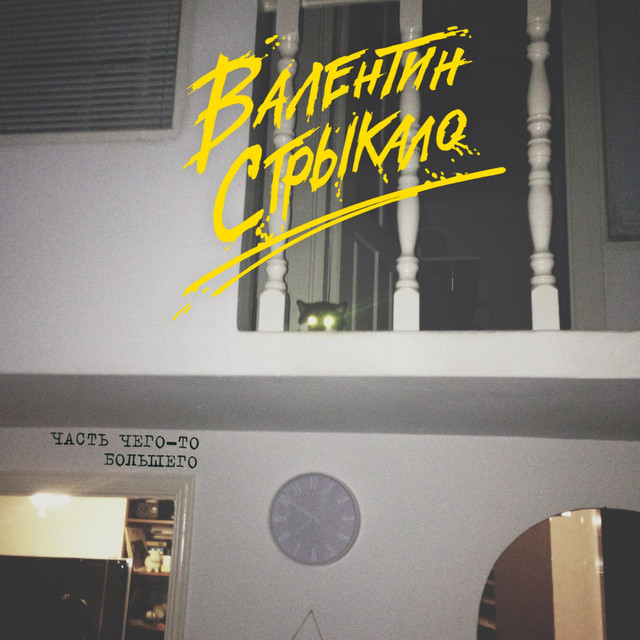
Chast' chego-to bol'shego Часть чего-то большего
Valentin Strykalo Валентин Стрыкало
Sovietwave
Power Pop
2012
4
/5
Смирись и расслабься!
Valentin Strykalo Валентин Стрыкало
Sovietwave
Comedy Rock
Comedy
Similar artists
1
/5
Various Artists
Afro-Funk
Alternative Rock
Ambient
4
/5
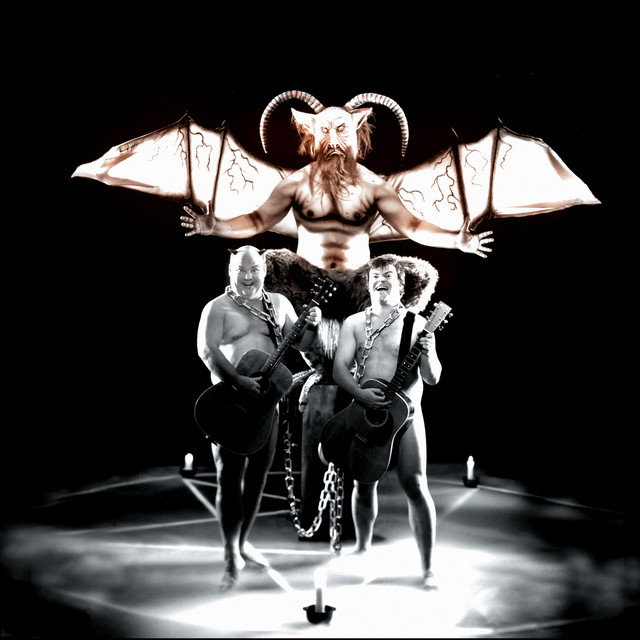
Tenacious D
Comedy Rock
Comedy
Rock
3
/5
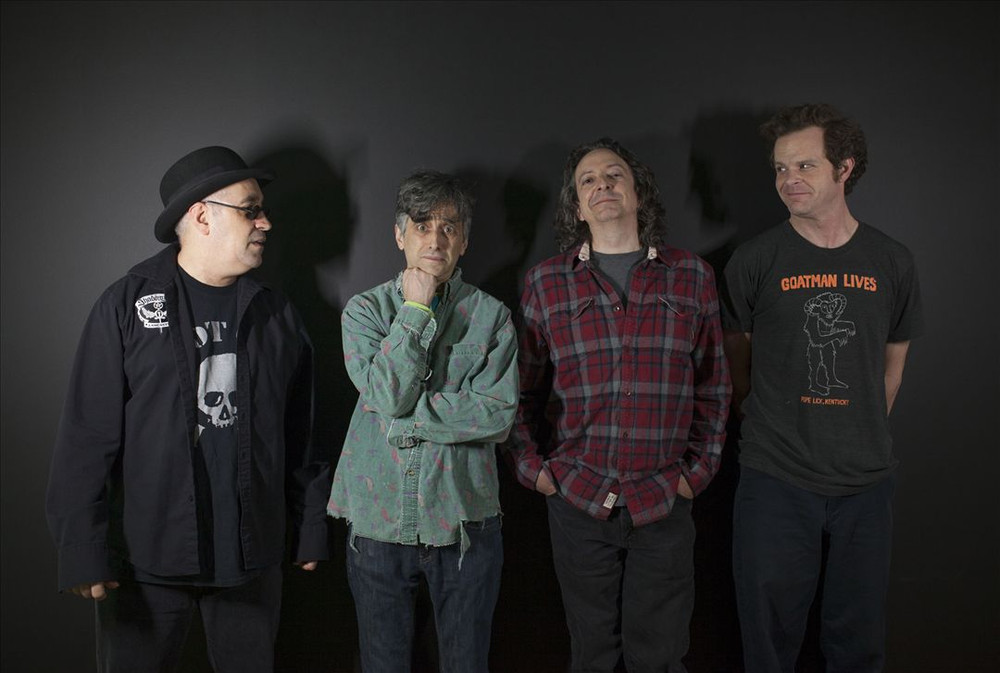
The Dead Milkmen
Cowpunk
Punk
Comedy Rock
5
/5
Hans Zimmer
Country Dawn
Soundtrack
Classical
4
/5
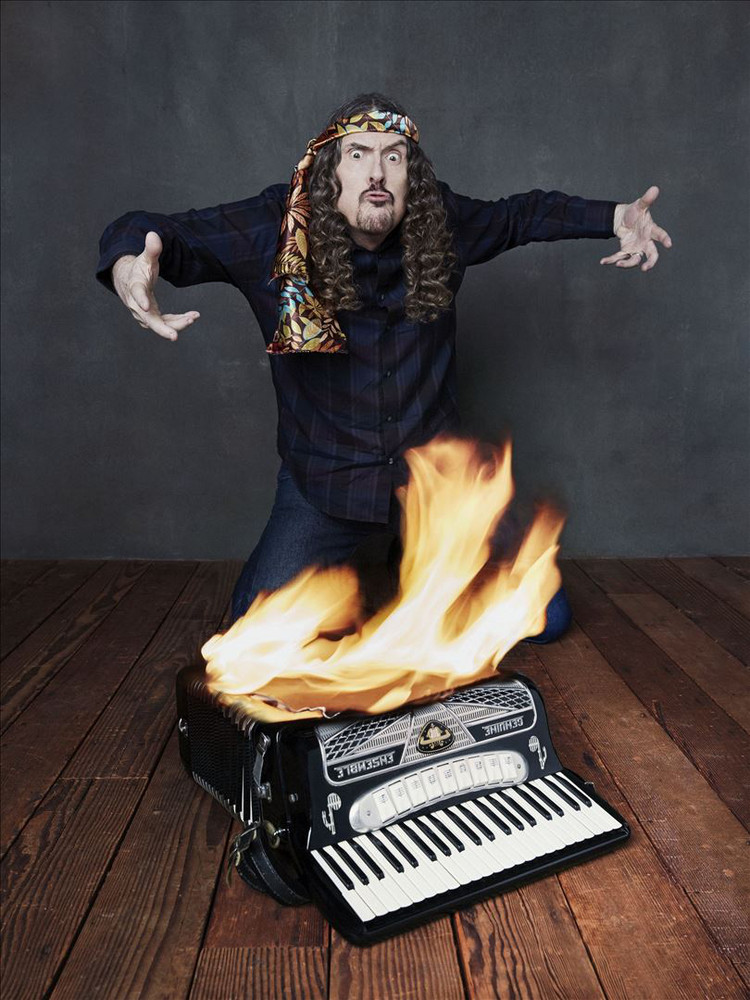
"Weird Al" Yankovic
Comedy
Comedy Rock
Polka
3
/5
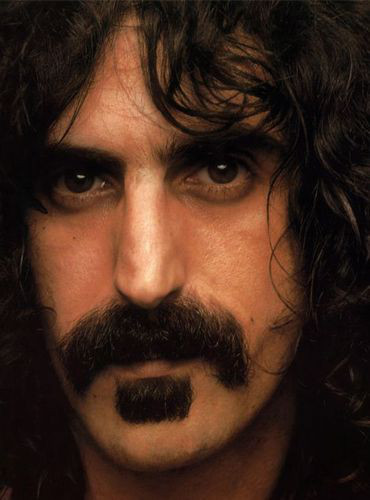
Frank Zappa
Jazz Rock
Progressive Rock
Avant-Garde
3
/5
Elio e le Storie Tese
Comedy
Comedy Rock
Italian Singer-Songwriter
2
/5
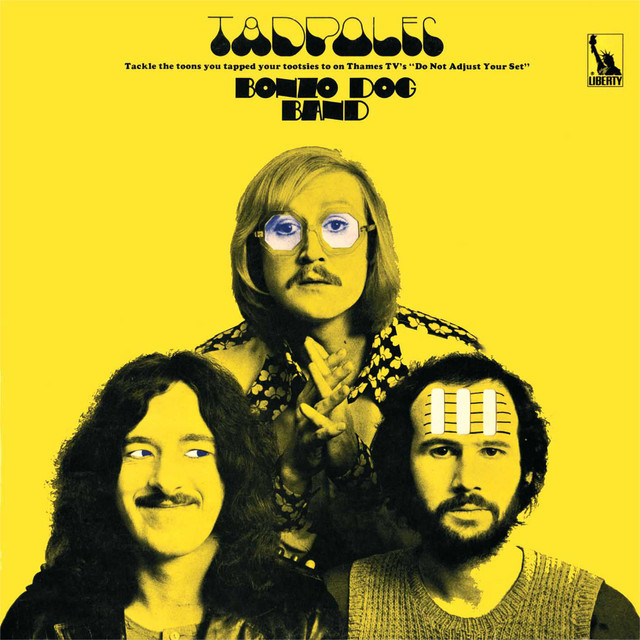
The Bonzo Dog Band
Acid Rock
Baroque Pop
Comedy Rock
5
/5
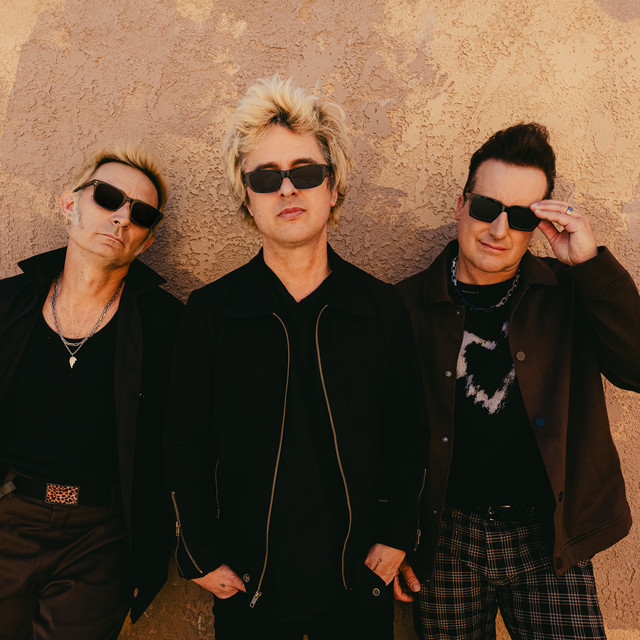
Green Day
Pop Punk
Punk
Alternative Rock
5
/5
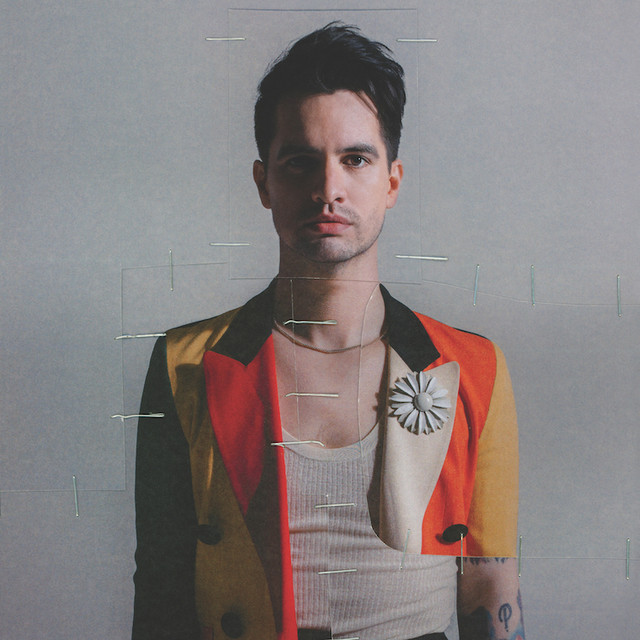
Panic! At The Disco
Emo
Alternative Rock
Rock
Download our mobile app
Get the Melodigging app and start digging for new genres on the go
Download on the App Store
Get it on Google Play
© 2026 Melodigging
Give feedback
Legal
Melodding was created as a tribute to
Every Noise at Once
, which inspired us to help curious minds keep digging into music's ever-evolving genres.