Genres
Artists
Albums
Make Music
Sign in
Sign in
Artists
Ragtime
Artists
Ragtime
Unknown
1990–2025
·
6 albums
Listen
3
/5
Genres
Jersey Club Rap
Jersey club rap fuses the kick-heavy, chopped-and-stuttered bounce of Jersey club with contemporary rap flows. It keeps the genre’s signature pounding triplet kicks, bed‑squeak/percussion stabs, and call‑and‑response energy, but streamlines the beats to leave space for verses and hooks. Compared with earlier Jersey club, it uses fewer obvious sample flips and leans toward cleaner, more atmospheric sound design so that rapping sits front and center.
Discover
Listen
Powerstomp
Powerstomp is a high-energy offshoot of UK Hardcore that emphasizes a heavy, stomping 4/4 kick, euphoric melodies, and festival-sized drops. It typically runs around 165–175 BPM, replacing the rolling breakbeats of older happy hardcore with hardstyle/gabber-weighted kicks, reverse-bass grooves, and bouncy offbeat basslines. Bright supersaw leads, hands-in-the-air breakdowns, chopped vocals, and simple, chantable riffs make it highly dancefloor-focused and immediately impactful.
Discover
Listen
Lo-Fi House
Lo-fi house is a strain of house music that embraces imperfections—tape hiss, vinyl crackle, overdriven drums, and slightly detuned synths—to evoke warmth and nostalgia. It retains a classic 4/4 house pulse but softens the edges with hazy pads, subdued vocals, and wistful melodies. Emerging as an internet-driven micro–scene, the style often uses inexpensive or deliberately degraded production chains (cassette saturation, bit reduction, SP-404–style resampling) to achieve its character. The result is dance music that feels intimate and bedroom-made, equally suited to small dancefloors and solitary late-night listening.
Discover
Listen
Folk
Folk is a song-centered acoustic tradition rooted in community storytelling, everyday life, and social history. It emphasizes clear melodies, simple harmonies, and lyrics that foreground narrative, protest, and personal testimony. As a modern recorded genre, folk coalesced in the early-to-mid 20th century in the United States out of older ballad, work song, and rural dance traditions. It typically features acoustic instruments (guitar, banjo, fiddle, mandolin, harmonica), strophic song forms, and participatory singing (choruses, call-and-response).
Discover
Listen
Ragtime
Ragtime is an African American–rooted piano style that flourished from the 1890s to the 1910s, characterized by lively syncopation in the right hand against a steady, march-like “oom‑pah” accompaniment in the left hand. Typically written in 2/4 or 4/4 time and notated with straight (unswung) eighth notes, classic rags unfold in multiple 16‑bar strains, often in the form AABBACCDD. The music draws on cakewalk rhythms, marching-band forms, and popular song, and it became a sensation through sheet music, piano rolls, and parlor performance. Scott Joplin, known as the “King of Ragtime,” helped codify the genre’s refined, compositional approach, calling for moderate tempos and a clear, singing melody. Beyond solo piano, ragtime was arranged for small ensembles and orchestras, found a home in vaudeville and dance halls, and laid essential groundwork for early jazz, stride piano, and much of 20th‑century American popular music.
Discover
Listen
Field Recording
Field recording is the practice and genre of capturing sounds in situ—outside the studio—using portable recording equipment. It centers on documenting environments, human activities, wildlife, weather, machinery, rituals, and music as they actually occur, often with minimal intervention. As a listening genre, field recording foregrounds place and presence. Releases may present unprocessed, extended takes (e.g., a shoreline at dawn), or carefully edited sequences that map a soundwalk, a village festival, or a factory floor. The results range from documentary-style fidelity to abstract, immersive soundscapes that emphasize texture, spatiality, and the ecology of sound.
Discover
Listen
Sinawi
Sinawi is a traditional Korean shamanic ensemble music characterized by collective, improvised heterophony over recurring cyclical rhythms (jangdan). Originating in late Joseon–era ritual contexts, it accompanies gut (shamanic rites) and dance, moving from slow, meditative sections to ecstatic, fast passages. Typical ensembles combine melodic instruments such as daegeum (bamboo transverse flute), piri (double-reed), haegeum (two-string fiddle), and gayageum/geomungo (zithers) with percussion like janggu (hourglass drum) and buk (barrel drum). Melodies draw on Korean modal systems (jo), especially gyemyeon-jo and ujo, with rich ornamentation, flexible intonation, and interlocking variations among players. Sinawi’s hallmark is spontaneous, conversational interplay: each performer elaborates the core tune while listening and responding to others, creating a living tapestry that can shift from solemn trance to vigorous release.
Discover
Listen
Honkyoku
Honkyoku are solo shakuhachi (end-blown bamboo flute) pieces associated with the Komusō, wandering lay Buddhist practitioners from the warrior class who practiced suizen ("blowing meditation"). Developed primarily during Japan’s Edo period, honkyoku emphasize breath, silence (ma), and subtle inflections over fixed meter or virtuosic display. Their sound world features free rhythm, contemplative pacing, microtonal pitch shading (meri/kari), and distinctive tone colors—ranging from pure, bell-like tones to airy, breath-saturated textures (muraiki). Although now performed in concert settings, the repertoire originated as a meditative practice and remains one of the most inward-looking branches of Japanese classical music.
Discover
Listen
Japanese Folk Music
Japanese folk music (min'yō and related regional traditions) is the collective body of vernacular song and instrumental practices that arose among Japan’s rural and coastal communities. It includes work songs (rice-planting, fishing, sake-brewing), festival and dance songs (Bon-odori), travelers’ and boatmen’s songs, lullabies, and ritual/seasonal chants. Melodies commonly draw on pentatonic collections such as the yo and in scales, and are richly ornamented with kobushi (vocal turns) and flexible timing shaped by ma (intentional silence/space). Textures are largely monophonic or heterophonic, with unison singing doubled by instruments like shamisen, fue (transverse bamboo flutes), shakuhachi, and sometimes koto; taiko and local percussion support dance and procession contexts. Regional styles (e.g., Tsugaru in the north, Amami in the south, Okinawa and Ainu traditions) contribute distinctive timbres, rhythms, and repertories that together define the breadth of Japanese folk expression.
Discover
Listen
Korean Folk Music
Korean folk music (minyo and related traditions) encompasses the vernacular songs, percussion ensembles, narrative epics, and ritual pieces that grew outside the court in villages and marketplaces across the Korean peninsula. It features cyclic rhythmic patterns (jangdan), pentatonic modal systems such as pyeongjo, ujo, and gyemyeonjo, and distinctive vocal ornamentation (sigimsae) that conveys the affect known as han (a bittersweet, often plaintive sentiment). Core idioms include minyo (regional folksongs like Arirang), pansori (long-form sung storytelling), sinawi (shamanic-rooted ensemble improvisation), and pungmul/nongak (outdoor farmers’ percussion), performed on instruments such as gayageum and geomungo (zithers), haegeum (spike fiddle), daegeum and piri (flutes/oboes), and the four samul percussion instruments (kkwaenggwari, jing, janggu, buk).
Discover
Listen
Classical
Classical music is the notated art-music tradition of Europe and its global descendants, characterized by durable forms, carefully codified harmony and counterpoint, and a literate score-based practice. The term “classical” can refer broadly to the entire Western art-music lineage from the Medieval era to today, not just the Classical period (c. 1750s–1820s). It privileges long-form structures (such as symphonies, sonatas, concertos, masses, and operas), functional or modal harmony, thematic development, and timbral nuance across ensembles ranging from solo instruments to full orchestras and choirs. Across centuries, the style evolved from chant and modal polyphony to tonal harmony, and later to post-tonal idioms, while maintaining a shared emphasis on written notation, performance practice, and craft.
Discover
Listen
East Asian Classical Music
East Asian classical music refers to the interconnected courtly, ritual, and elite art-music traditions of China, Korea, Japan, and (historically) Vietnam that share a deep lineage in classical Chinese musical thought and repertory. At its core are Confucian ceremonial aesthetics, pentatonic modal systems, heterophonic ensemble textures, and codified repertoires transmitted through court institutions, temples, and literati circles. Signature sound worlds include China’s refined guqin and yayue court ensembles, Japan’s stately gagaku and Buddhist shōmyō chant, Korea’s aak (Confucian ritual), hyangak/dangak, and jeongak (court and aristocratic music), and Vietnam’s nhã nhạc (Huế court music). The result is a family of traditions marked by timbral subtlety (e.g., sho chord clusters, hichiriki reeds, silk-string zithers), flexible but ceremonially structured rhythm, and modal nuance—often conveying grandeur, contemplation, and ritual solemnity.
Discover
Listen
Japanese Music
Japanese music is a broad umbrella that spans ancient court and religious traditions, regional folk repertoires, and a vast spectrum of modern popular and experimental styles. Its aesthetic is often defined by timbral nuance, the expressive use of silence (ma), flexible rhythm, and modal pitch collections distinct from common-practice Western harmony. Core traditional streams include gagaku (imperial court music), shōmyō (Buddhist chant), noh and kabuki theater music (e.g., nagauta), and min'yō (folk song). Instruments such as the koto, shamisen, shakuhachi, biwa, and various taiko drums shape its signature sound. Since the Meiji period, Western classical, band, jazz, rock, electronic, and hip-hop idioms have been localized into uniquely Japanese forms—from kayōkyoku and enka to city pop, J-pop, Vocaloid, and game/anime music.
Discover
Listen
Kagura
Kagura is a Shinto ceremonial music-and-dance tradition from Japan, performed at shrines to honor and invite the presence of kami (deities). It blends ritualized choreography, mask and costume play, chant, and an ensemble of flute, drums, gong, and hand bells. The music typically uses repeating rhythmic cycles and pentatonic modes, creating a solemn yet uplifting atmosphere suited to purification, thanksgiving, and mythic storytelling. Regional schools range from austere court-derived forms to lively folk styles that feature dramatic scenes such as serpent-slaying and lion dances.
Discover
Listen
Korean Music
Korean music (gugak) encompasses the traditional, courtly, religious, and folk music of the Korean Peninsula, as well as the modern popular styles that emerged in the 20th and 21st centuries. Traditional Korean music is built on modal systems such as pyeongjo and gyemyeonjo, cyclical rhythms called jangdan (e.g., jinyangjo, jungmori, jajinmori), heterophonic textures, and expressive ornamentation known as sigimsae. Core instruments include the gayageum (zither), geomungo (plucked zither), daegeum (bamboo flute), haegeum (two-string fiddle), piri (oboe), and percussion like janggu and buk. Modern Korean music ranges from trot and ballad to globalized K-pop, K-rap, and K-rock, blending indigenous aesthetics with Western harmony, electronic production, and tightly choreographed performance.
Discover
Listen
Show all 15 genres
Albums
2025
1
/5
Lucifer's Favorite Color
Unknown
Ragtime
2008
1
/5
Sinawi Music of Korea
Sinawi
Korean Folk Music
Korean Music
2008
2
/5
The Best Of Disneyland Resort Paris
Unknown
Ragtime
2001
1
/5
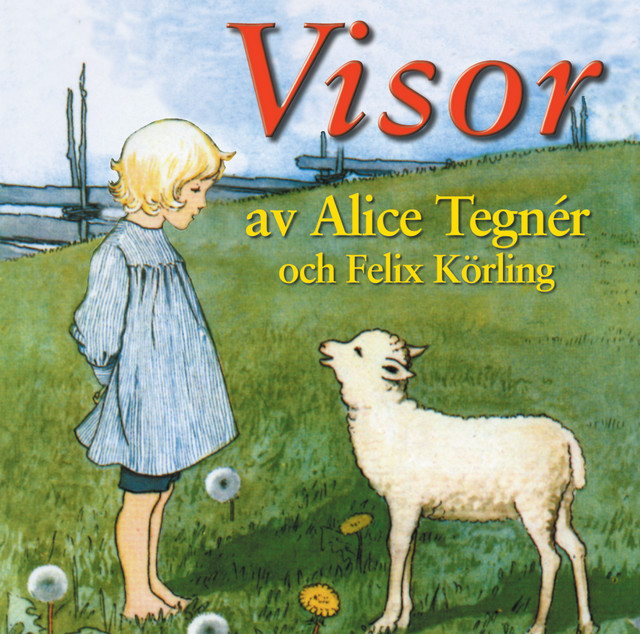
Visor av Alice Tegnér och Felix Körling
Unknown
Ragtime
1991
1
/5
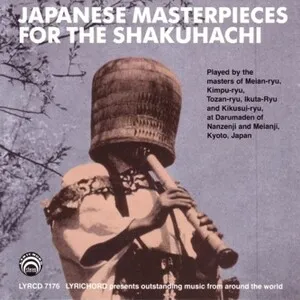
Japanese Masterpieces for the Shakuhachi
Honkyoku
East Asian Classical Music
Japanese Music
1990
1
/5
Kagura: Japanese Shinto Ritual Music
Kagura
Japanese Folk Music
Field Recording
Similar artists
1
/5
Various Artists
Afro-Funk
Alternative Rock
Ambient
3
/5
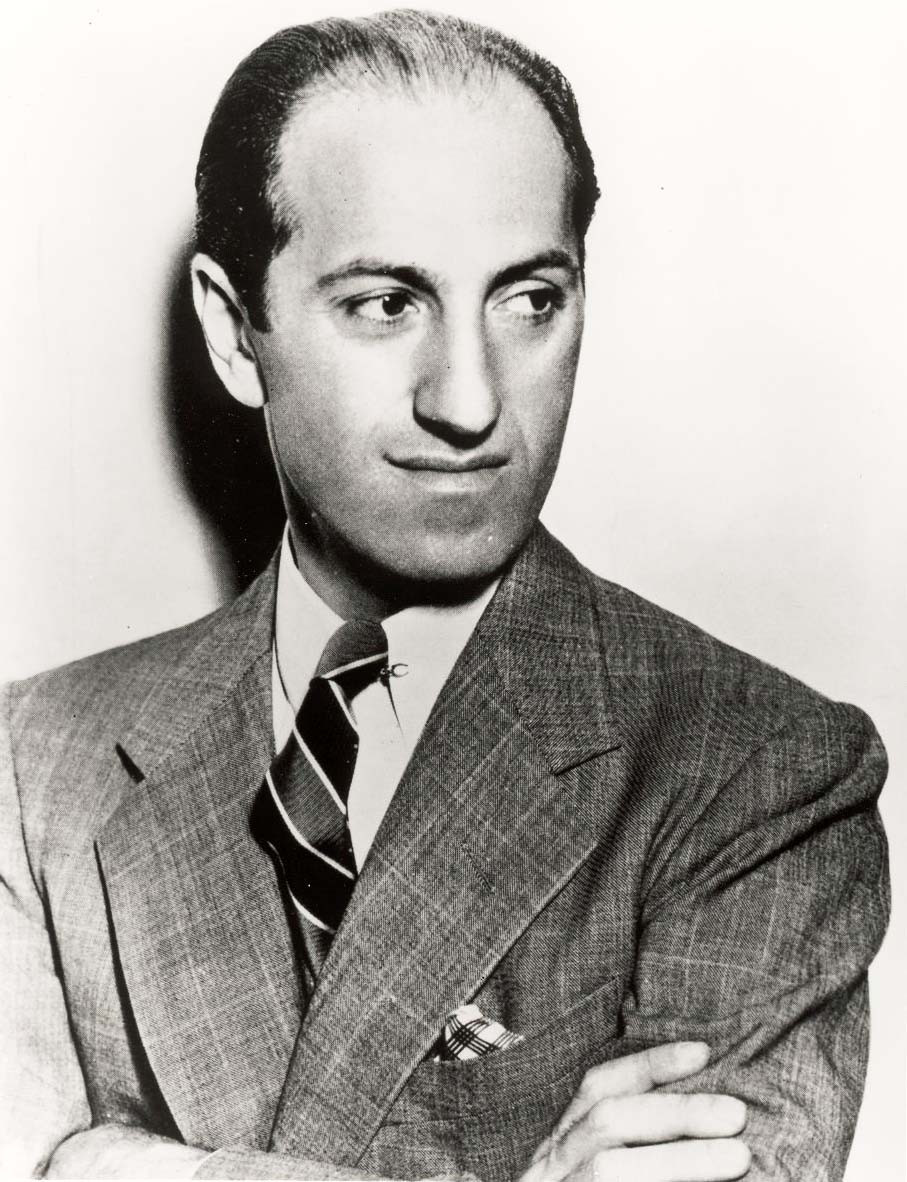
George Gershwin
Tin Pan Alley
Classical
Ragtime
2
/5
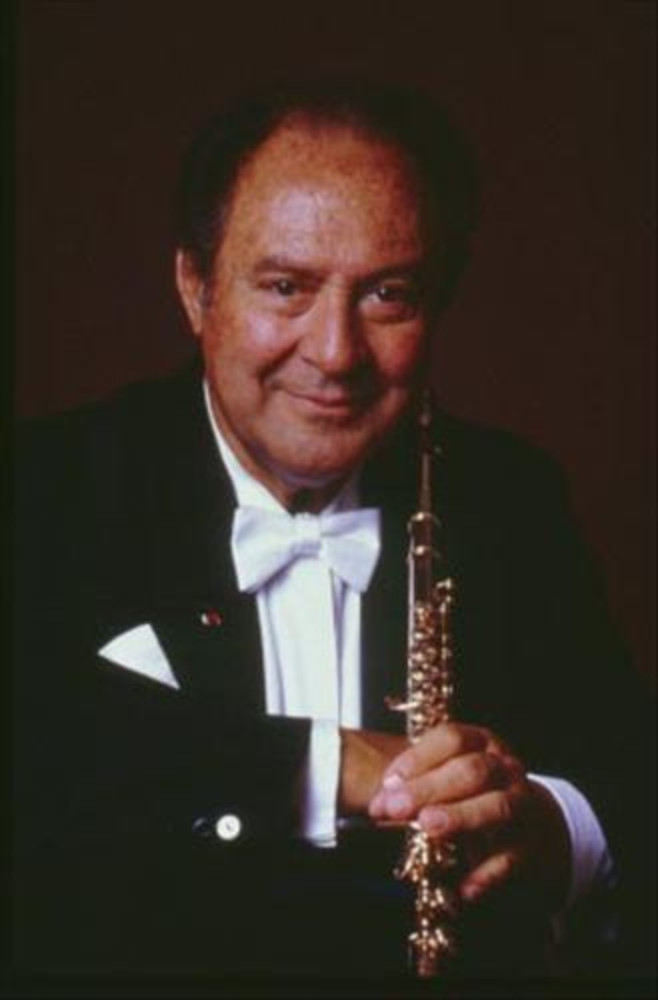
Jean-Pierre Rampal
Chamber Music
Classical
Japanese Classical
2
/5
Jack Rose
American Primitive Guitar
New Weird America
Blues
2
/5
E. Power Biggs
Classical
Ragtime
Baroque
1
/5
The Ragtime Jug Stompers
Country Blues
Folk
Ragtime
1
/5
Pete Berryman
Folk
Folk Rock
Ragtime
5
/5
Disney
Comedy
Show Tunes
Wrestling
5
/5
A.R. Rahman
Bollywood
Filmi
Sufi
5
/5
Phoebe Bridgers
Indie Pop
Folk
Indie Folk
Download our mobile app
Get the Melodigging app and start digging for new genres on the go
Download on the App Store
Get it on Google Play
© 2026 Melodigging
Give feedback
Legal
Melodding was created as a tribute to
Every Noise at Once
, which inspired us to help curious minds keep digging into music's ever-evolving genres.