Genres
Artists
Albums
Make Music
Sign in
Sign in
Artists
American Primitive Guitar
Artists
American Primitive Guitar
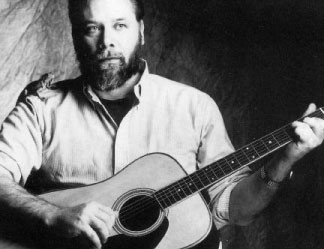
Jack Rose
2004–2016
·
6 albums
Listen
2
/5
Genres
Deep New Americana
Deep new americana is a contemporary, roots-leaning micro‑scene that blends modern indie production aesthetics with the songcraft, storytelling, and acoustic textures of classic Americana. Compared with broader “new Americana,” the “deep” tag points to music that is earthier, more intimate, and less pop-facing: tube‑warm electric guitars, occasional pedal‑steel swells, fiddle or mandolin color, unhurried grooves, and close-knit vocal harmonies. Lyrics tend to be reflective and narrative, anchored in small details (roads, towns, seasons, family histories) while speaking to present-day anxieties and hopes. The sound favors organic recordings, dynamic performances, and arrangements that leave space for voices and instruments to breathe.
Discover
Listen
New Weird America
New Weird America (NWA) is a loosely defined early‑2000s U.S. movement that revived and mutated psychedelic and folk traditions through a DIY, experimental lens. It blends psych folk, free folk, drone, and outsider Americana with lo‑fi recording aesthetics, extended improvisation, and a surreal, pastoral sensibility. Rather than a strict genre, NWA describes a network of artists, collectives, and small labels who favored open tunings and acoustic timbres alongside noise, field recordings, tape hiss, and communal performance practices. The results range from intimate, childlike songs to sprawling trance‑drone ritual, all united by a fascination with the “old, weird” folk imaginary filtered through contemporary indie and experimental cultures.
Discover
Listen
Drone Folk
Drone folk is a strand of experimental and acoustic folk in which sustained tones, open tunings, and modal repetition create a continuous sonic bed (a “drone”) around which melodies slowly evolve. Drawing on American Primitive guitar, raga-inspired modality, minimalist process, and psychedelic folk ambience, the style favors long-form pieces, subtle dynamic shifts, and rich overtones over conventional verse–chorus structures. Instruments are often acoustic (steel‑string guitar, lute, banjo, dulcimer), but bowed, prepared, or lightly amplified techniques—along with harmonium, shruti box, tanpura, and field recordings—are common, yielding a meditative, atmospheric character. Instead of harmonic motion through chord changes, drone folk focuses on a stable tonal center, micro-variations in fingerpicking patterns, and timbral detail. The result is a music that feels timeless and immersive: pastoral yet hypnotic, intimate yet expansive.
Discover
Listen
Free Folk
Free folk is an experimental strain of folk music that blends the acoustic timbres and modal melodies of traditional folk with the spontaneity of free improvisation, the textures of drone and noise, and an often lo‑fi, home‑recorded aesthetic. It favors collective, open‑ended forms over verse‑chorus songcraft and treats folk instruments as sources of sound exploration as much as tools for melody. Emerging from DIY and improv circles, free folk sessions often involve extended, slowly evolving pieces where banjo, fiddle, acoustic guitar, harmonium, flutes, hand percussion, and small electronics intertwine. Field recordings, room ambience, and tape hiss are typically embraced, producing an intimate, woodland or ritual atmosphere that feels both archaic and forward‑looking.
Discover
Listen
American Primitive Guitar
American primitive guitar is a solo, steel‑string acoustic guitar style that blends pre‑war country blues, ragtime, and old‑time folk with modal harmony, drones, and a composerly, often experimental approach. Coined by John Fahey to label his own music, the term emphasizes a raw, unvarnished sound—fingerpicked patterns, open tunings, alternating bass, and ringing drones—used to build long-form pieces that feel both traditional and avant‑garde. Performances are typically instrumental and highly personal, drawing on early American vernacular idioms while welcoming elements from classical form, non‑Western modal systems, and tape‑age lo‑fi aesthetics. The result is a music that sounds rooted and exploratory at once: earthy timbres, propulsive thumb‑picked bass, and hymn‑ or raga‑like modalities that expand folk guitar into a contemplative, composer‑driven art form.
Discover
Listen
Rock
Rock is a broad family of popular music centered on amplified instruments, a strong backbeat, and song forms that foreground riffs, choruses, and anthemic hooks. Emerging from mid‑20th‑century American styles like rhythm & blues, country, and gospel-inflected rock and roll, rock quickly expanded in scope—absorbing folk, blues, and psychedelic ideas—while shaping global youth culture. Core sonic markers include electric guitar (often overdriven), electric bass, drum kit emphasizing beats 2 and 4, and emotive lead vocals. Rock songs commonly use verse–chorus structures, blues-derived harmony, and memorable melodic motifs, ranging from intimate ballads to high‑energy, stadium‑sized performances.
Discover
Listen
Experimental
Experimental music is an umbrella term for practices that prioritize exploration, process, and discovery over adherence to established genre norms. It embraces new sound sources, nonstandard tuning systems, indeterminacy and chance operations, graphic and open-form scores, extended techniques, and technology-led sound design (tape, electronics, computers, and live processing). Rather than a single style, it is a methodology and ethos: testing hypotheses about sound, structure, and performance, often blurring boundaries between composition, improvisation, sound art, and performance art. Listeners can expect unfamiliar timbres, unusual forms, and an emphasis on how music is made as much as the resulting sound.
Discover
Listen
Folk
Folk is a song-centered acoustic tradition rooted in community storytelling, everyday life, and social history. It emphasizes clear melodies, simple harmonies, and lyrics that foreground narrative, protest, and personal testimony. As a modern recorded genre, folk coalesced in the early-to-mid 20th century in the United States out of older ballad, work song, and rural dance traditions. It typically features acoustic instruments (guitar, banjo, fiddle, mandolin, harmonica), strophic song forms, and participatory singing (choruses, call-and-response).
Discover
Listen
Blues
Blues is an African American musical tradition defined by expressive "blue notes," call-and-response phrasing, and a characteristic use of dominant-seventh harmony in cyclical song forms (most famously the 12‑bar blues). It is as much a feeling as a form, conveying sorrow, resilience, humor, and hard-won joy. Musically, blues commonly employs the I–IV–V progression, swung or shuffled rhythms, and the AAB lyric stanza. Melodies lean on the minor/major third ambiguity and the flattened fifth and seventh degrees. Core instruments include voice, guitar (acoustic or electric), harmonica, piano, bass, and drums, with slide guitar, bends, and vocal melismas as signature techniques. Over time the blues has diversified into regional and stylistic currents—Delta and Piedmont country blues, urban Chicago and Texas blues, West Coast jump and boogie-woogie—while profoundly shaping jazz, rhythm & blues, rock and roll, soul, funk, and much of modern popular music.
Discover
Listen
Ragtime
Ragtime is an African American–rooted piano style that flourished from the 1890s to the 1910s, characterized by lively syncopation in the right hand against a steady, march-like “oom‑pah” accompaniment in the left hand. Typically written in 2/4 or 4/4 time and notated with straight (unswung) eighth notes, classic rags unfold in multiple 16‑bar strains, often in the form AABBACCDD. The music draws on cakewalk rhythms, marching-band forms, and popular song, and it became a sensation through sheet music, piano rolls, and parlor performance. Scott Joplin, known as the “King of Ragtime,” helped codify the genre’s refined, compositional approach, calling for moderate tempos and a clear, singing melody. Beyond solo piano, ragtime was arranged for small ensembles and orchestras, found a home in vaudeville and dance halls, and laid essential groundwork for early jazz, stride piano, and much of 20th‑century American popular music.
Discover
Listen
Show all 10 genres
Albums
2016
1
/5
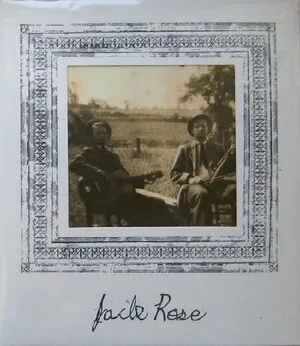
Jack Rose
Jack Rose
New Weird America
American Primitive Guitar
Blues
2008
2
/5
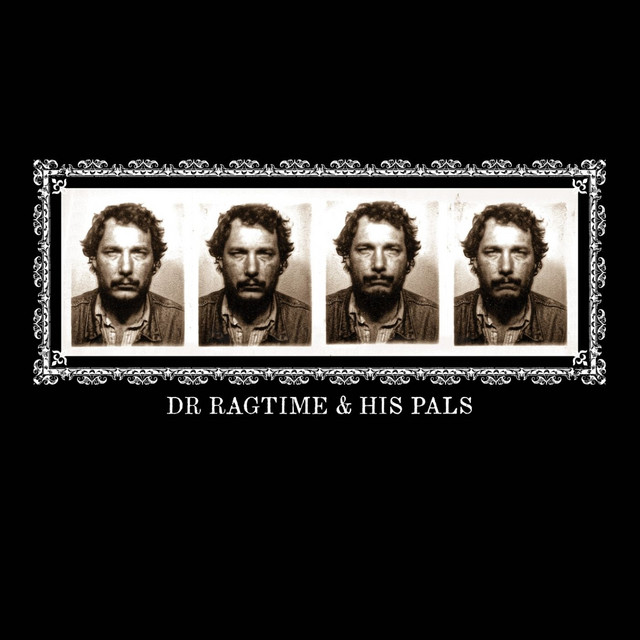
Dr. Ragtime & His Pals
Jack Rose
Drone Folk
2005
2
/5
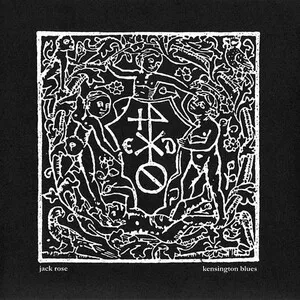
Kensington Blues
Jack Rose
New Weird America
American Primitive Guitar
Blues
2004
1
/5
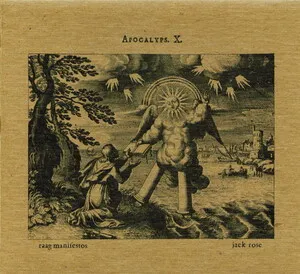
Raag Manifestos
Jack Rose
Free Folk
New Weird America
American Primitive Guitar
Opium Musick
Jack Rose
American Primitive Guitar
Opium Musick
Jack Rose
New Weird America
Similar artists
1
/5
Various Artists
Afro-Funk
Alternative Rock
Ambient
3
/5
John Fahey
American Primitive Guitar
Drone Folk
Folk
4
/5
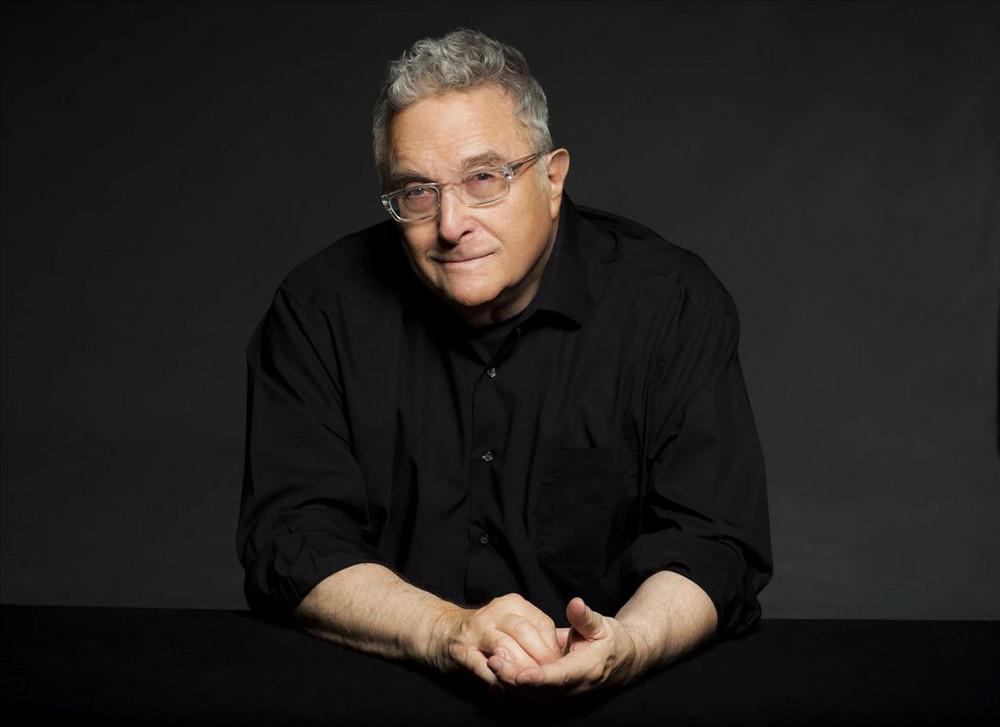
Randy Newman
Piano Rock
Pop
Rock
3
/5
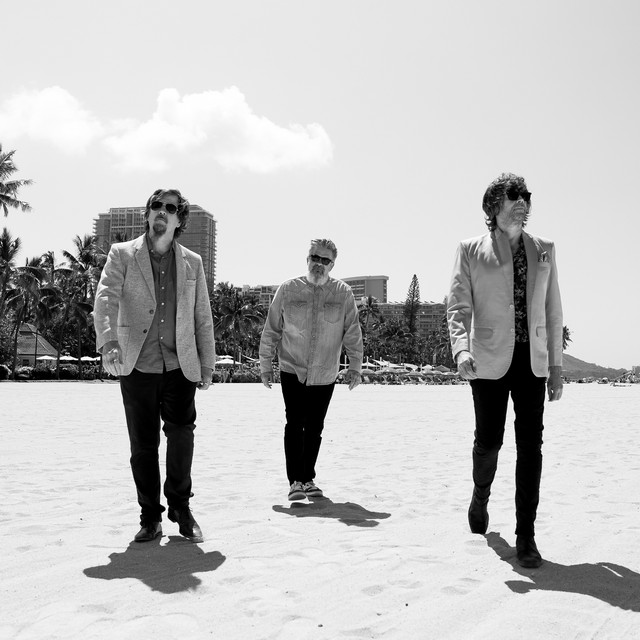
The Mountain Goats
New Weird America
Indie Folk
Rock
3
/5
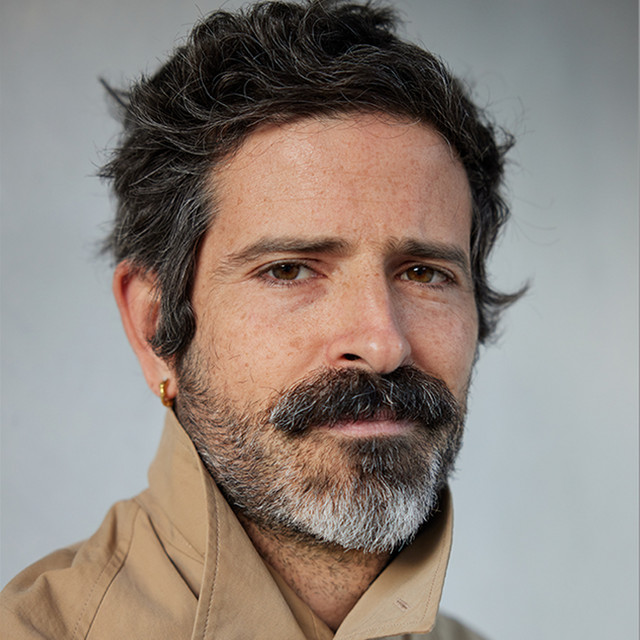
Devendra Banhart
Freak Folk
New Weird America
Chamber Pop
3
/5
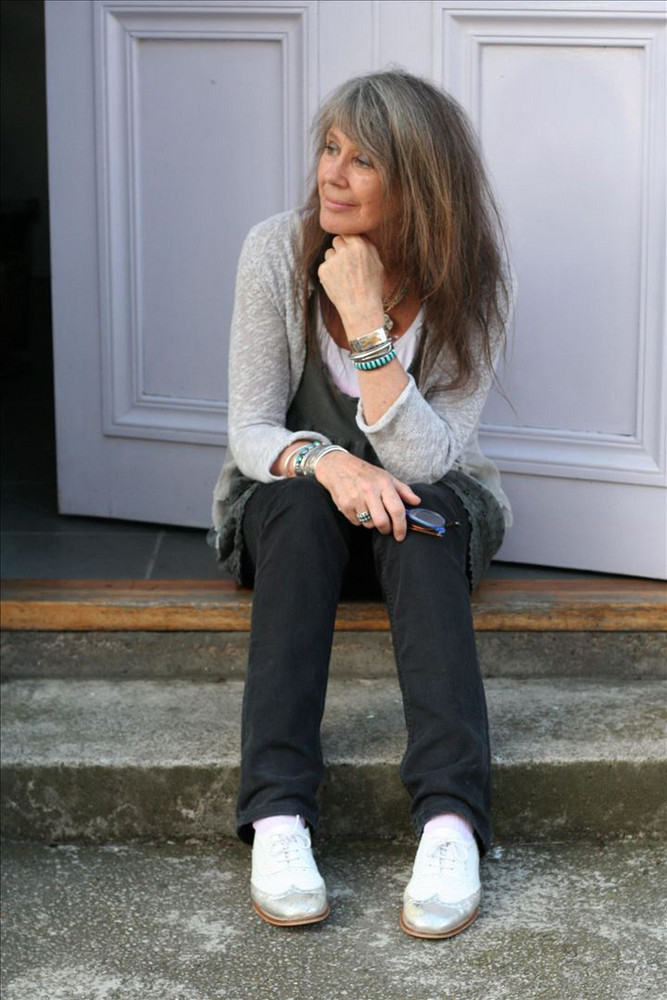
Vashti Bunyan
Psychedelic Folk
New Weird America
Folk
3
/5
Ariel Pink
Hypnagogic Pop
New Weird America
Psychedelic Pop
5
/5
Fleetwood Mac
Rock
Soft Rock
Blues Rock
5
/5
The Rolling Stones
Rock
Blues Rock
Hard Rock
4
/5
Stevie Wonder
Soul
Funk
Motown
Download our mobile app
Get the Melodigging app and start digging for new genres on the go
Download on the App Store
Get it on Google Play
© 2026 Melodigging
Give feedback
Legal
Melodding was created as a tribute to
Every Noise at Once
, which inspired us to help curious minds keep digging into music's ever-evolving genres.