Genres
Artists
Albums
Make Music
Sign in
Sign in
Artists
Classical
Artists
Classical
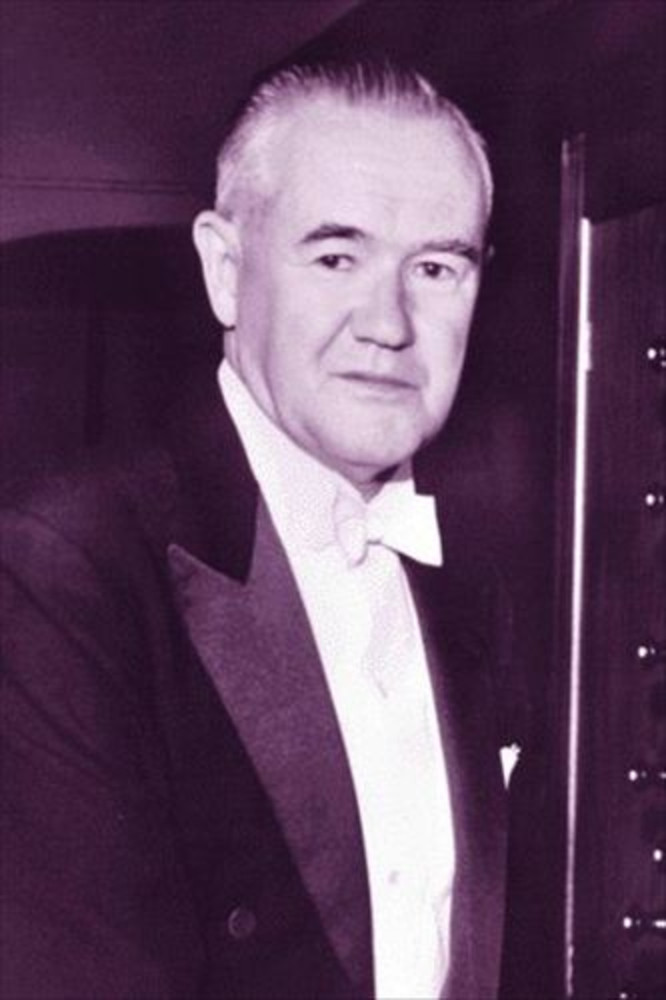
E. Power Biggs
1972
·
1 album
Listen
2
/5
Genres
Ragtime
Ragtime is an African American–rooted piano style that flourished from the 1890s to the 1910s, characterized by lively syncopation in the right hand against a steady, march-like “oom‑pah” accompaniment in the left hand. Typically written in 2/4 or 4/4 time and notated with straight (unswung) eighth notes, classic rags unfold in multiple 16‑bar strains, often in the form AABBACCDD. The music draws on cakewalk rhythms, marching-band forms, and popular song, and it became a sensation through sheet music, piano rolls, and parlor performance. Scott Joplin, known as the “King of Ragtime,” helped codify the genre’s refined, compositional approach, calling for moderate tempos and a clear, singing melody. Beyond solo piano, ragtime was arranged for small ensembles and orchestras, found a home in vaudeville and dance halls, and laid essential groundwork for early jazz, stride piano, and much of 20th‑century American popular music.
Discover
Listen
Baroque
Baroque is a period and style of Western art music spanning roughly 1600–1750. It is characterized by the birth of functional tonality, the widespread use of basso continuo (figured bass), and a love of contrast—between soloist and ensemble, loud and soft, and different timbres. Hallmark genres and forms of the era include opera, cantata, oratorio, concerto (especially the concerto grosso), dance suite, sonata, and fugue. Textures range from expressive monody to intricate counterpoint, and melodies are richly ornamented with trills, mordents, and appoggiaturas. Baroque music flourished in churches, courts, and theaters across Europe, with regional styles (Italian, French, German, English) shaping distinctive approaches to rhythm, dance, harmony, and ornamentation.
Discover
Listen
Fugue
A fugue is a contrapuntal composition built around a single, clearly defined musical subject that is imitated and developed across multiple independent voices. One voice introduces the subject, and subsequent voices enter successively with an answer (a transposed version of the subject), often accompanied by a recurring countersubject. After the exposition, episodes made from fragments of the subject and countersubject modulate to related keys and prepare further entries. Composers employ devices such as inversion, augmentation, diminution, stretto, and pedal points to intensify the texture and drive form. Fugues appear as stand‑alone keyboard or organ works, as movements in chamber and orchestral music, and as sections within larger vocal or instrumental genres.
Discover
Listen
Toccata
A toccata is a virtuosic, often improvisatory keyboard form whose name comes from the Italian toccare, “to touch,” highlighting the performer’s dexterity and articulation. Typical toccatas feature rapid figurations, bold chordal gestures, dramatic pauses, and sudden textural and harmonic contrasts. While born on the organ and harpsichord in late Renaissance Italy, the form flourished in the Baroque—frequently paired with a fugue—and later inspired Romantic and 20th‑century composers to write perpetual‑motion showpieces for piano and other instruments. At its core, the toccata is about kinetic energy and rhetorical freedom: a display of touch, speed, and sonic grandeur that evokes the feel of spontaneous improvisation even when meticulously composed.
Discover
Listen
Classical
Classical music is the notated art-music tradition of Europe and its global descendants, characterized by durable forms, carefully codified harmony and counterpoint, and a literate score-based practice. The term “classical” can refer broadly to the entire Western art-music lineage from the Medieval era to today, not just the Classical period (c. 1750s–1820s). It privileges long-form structures (such as symphonies, sonatas, concertos, masses, and operas), functional or modal harmony, thematic development, and timbral nuance across ensembles ranging from solo instruments to full orchestras and choirs. Across centuries, the style evolved from chant and modal polyphony to tonal harmony, and later to post-tonal idioms, while maintaining a shared emphasis on written notation, performance practice, and craft.
Discover
Listen
Albums
1972
2
/5
The Four "Great" Toccatas and Fugues
Johann Sebastian Bach / E. Power Biggs
Toccata
Fugue
Baroque
Similar artists
4
/5
Johann Sebastian Bach
Baroque
Classical
Baroque Suite
3
/5
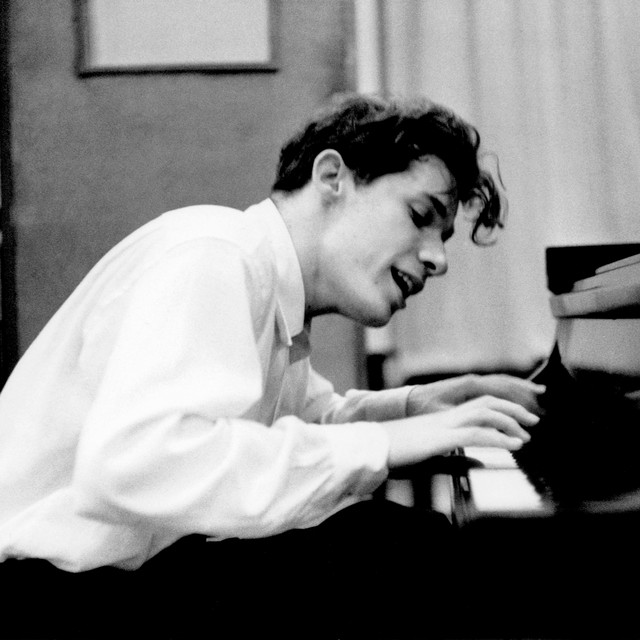
Glenn Gould
Baroque
Classical
Fugue
1
/5
Various Artists
Afro-Funk
Alternative Rock
Ambient
3
/5
Ton Koopman
Classical
Chamber Music
Divertissement
3
/5
Masaaki Suzuki
Classical
Cantata
Choral
3
/5
Christophe Rousset
Classical
Opera
Tragédie En Musique
3
/5
Rinaldo Alessandrini
Classical
Opera
Madrigal
1
/5
Evgeni Koroliov
Classical
Baroque
Classical Piano
2
/5
Alessandro Scarlatti
Classical
Baroque
Motet
2
/5
Gustav Leonhardt
Baroque
Classical
Fugue
Download our mobile app
Get the Melodigging app and start digging for new genres on the go
Download on the App Store
Get it on Google Play
© 2026 Melodigging
Give feedback
Legal
Melodding was created as a tribute to
Every Noise at Once
, which inspired us to help curious minds keep digging into music's ever-evolving genres.