Genres
Artists
Albums
Make Music
Sign in
Sign in
Artists
Classical
Artists
Classical
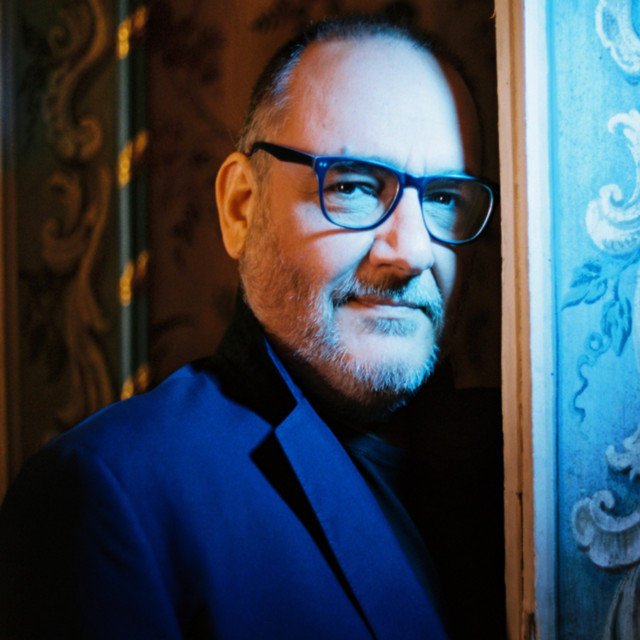
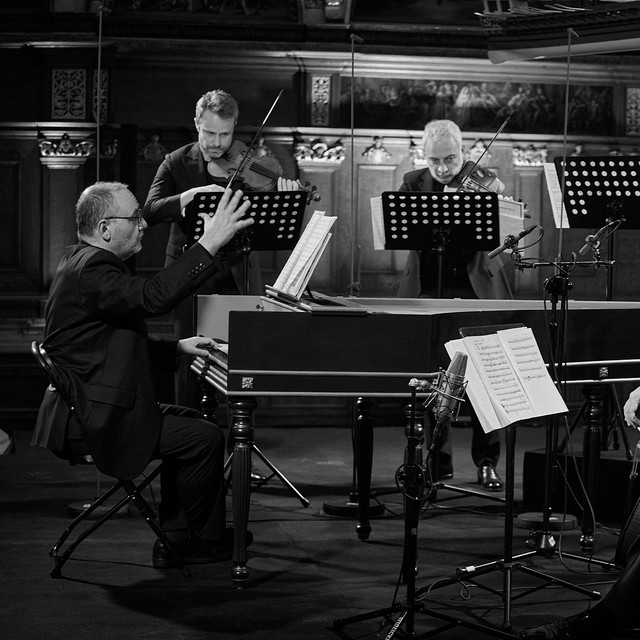
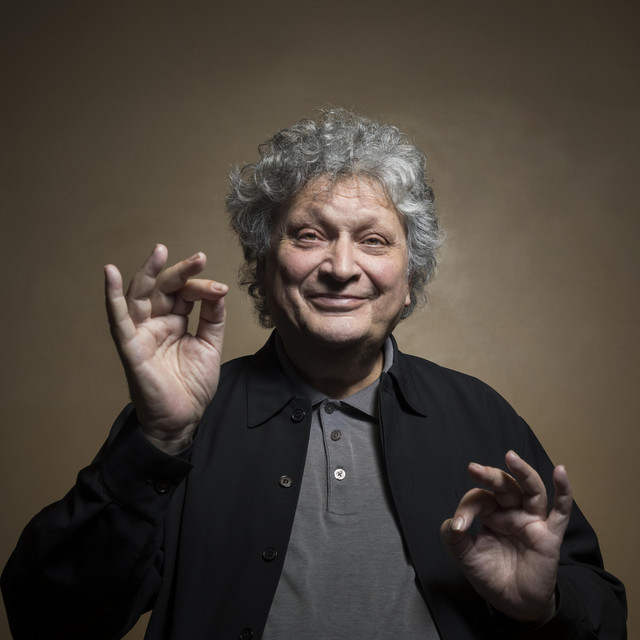
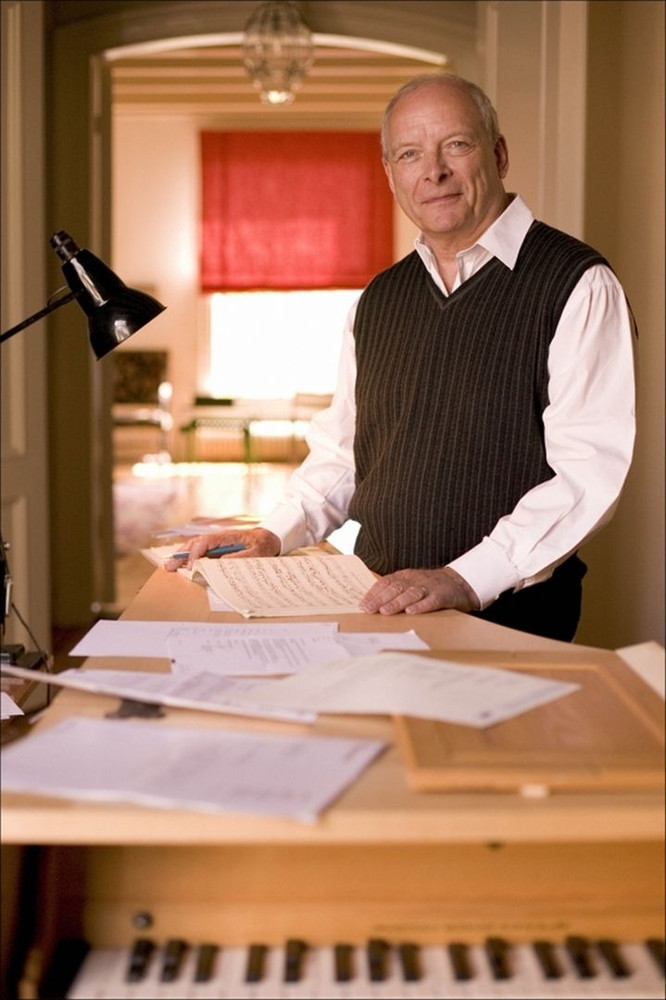
Rinaldo Alessandrini
1992–2010
·
8 albums
Listen
3
/5
Genres
Opera Seria
Opera seria is the 18th‑century Italian "serious" opera that crystallized around noble, moralizing stories drawn from Classical mythology and ancient history. It privileges elevated rhetoric, clear affects, and vocal virtuosity, especially through the da capo (ABA') aria, where singers ornament the return to display technical brilliance and expressive nuance. Typically organized in three acts, opera seria alternates recitatives (secco with continuo for dialogue; accompagnato with orchestra for heightened drama) and solo arias. Ensemble numbers and choruses are rare, and the dramatic flow is shaped by the famous "exit aria" convention, where characters leave the stage after an aria. The style reached canonical form via Metastasian libretti and dominated courts and major opera houses across Naples, Rome, Venice, Vienna, and London.
Discover
Listen
Concerto Grosso
A concerto grosso is a Baroque-era orchestral form built on contrasts between a small group of soloists (the concertino) and the full ensemble (the ripieno or tutti). It typically features strings with basso continuo, terraced dynamics, antiphonal dialogue, and clear tonal harmony. Two principal subtypes emerged: the church-oriented sonata da chiesa (often in a four-movement slow–fast–slow–fast plan) and the dance-inflected sonata da camera (suite-like movements). The genre highlights thematic exchange, sequences, and imitation, with the concertino—often two violins and cello—embroidered against broader tutti refrains. Corelli’s models codified its syntax, and Handel’s sets represent its late-Baroque culmination.
Discover
Listen
Baroque
Baroque is a period and style of Western art music spanning roughly 1600–1750. It is characterized by the birth of functional tonality, the widespread use of basso continuo (figured bass), and a love of contrast—between soloist and ensemble, loud and soft, and different timbres. Hallmark genres and forms of the era include opera, cantata, oratorio, concerto (especially the concerto grosso), dance suite, sonata, and fugue. Textures range from expressive monody to intricate counterpoint, and melodies are richly ornamented with trills, mordents, and appoggiaturas. Baroque music flourished in churches, courts, and theaters across Europe, with regional styles (Italian, French, German, English) shaping distinctive approaches to rhythm, dance, harmony, and ornamentation.
Discover
Listen
Opera
Opera is a large-scale theatrical genre that combines music, drama, and visual spectacle, in which the story is primarily conveyed through singing accompanied by an orchestra. It unites solo voices, ensembles, and chorus with staging, costumes, and often dance to create a total artwork. Emerging in late Renaissance Italy and flourishing in the Baroque era, opera developed signature forms such as recitative (speech-like singing that advances the plot) and aria (lyrical numbers that explore character and emotion). Over the centuries it evolved diverse national styles—Italian bel canto, French grand opéra, German music drama—while continually experimenting with orchestration, harmony, narrative structure, and stagecraft.
Discover
Listen
Toccata
A toccata is a virtuosic, often improvisatory keyboard form whose name comes from the Italian toccare, “to touch,” highlighting the performer’s dexterity and articulation. Typical toccatas feature rapid figurations, bold chordal gestures, dramatic pauses, and sudden textural and harmonic contrasts. While born on the organ and harpsichord in late Renaissance Italy, the form flourished in the Baroque—frequently paired with a fugue—and later inspired Romantic and 20th‑century composers to write perpetual‑motion showpieces for piano and other instruments. At its core, the toccata is about kinetic energy and rhetorical freedom: a display of touch, speed, and sonic grandeur that evokes the feel of spontaneous improvisation even when meticulously composed.
Discover
Listen
Madrigal
The madrigal is a secular vocal music genre that flourished during the Renaissance and into the early Baroque period. It is typically written for three to six voices and is most often performed a cappella in its 16th‑century form. Madrigals are through-composed, meaning the music changes to suit each line of text rather than following a repeating strophic pattern. Composers prioritized vivid text expression and word painting, aligning musical gestures with the imagery and rhetoric of the poetry—frequently drawing on Petrarchan themes of love, desire, nature, and melancholy. Over time, the style evolved from relatively clear textures and diatonic harmonies to highly expressive chromaticism and bold dissonances. Late madrigals introduced instruments doubling or accompanying the voices and helped usher in the seconda pratica, ultimately bridging toward early opera and other Baroque vocal forms.
Discover
Listen
Renaissance
Renaissance music (c. 1400–1600) marks the shift from medieval sonorities to a clearer, triad-based polyphony in which multiple independent voices are treated with near-equal importance. It favors modal counterpoint, pervasive imitation, smooth voice-leading, and carefully prepared cadences. Text intelligibility and expressive text-setting become central concerns, especially in sacred motets and masses and in secular forms like the Italian madrigal and the French chanson. While much of the repertory is a cappella, instrumental consorts (viol, recorder, sackbut, cornett, organ) play a growing role. A steady tactus underpins rhythms, and tuning systems such as meantone temperament shape its characteristic color. Music printing (from 1501) accelerates stylistic diffusion across Europe.
Discover
Listen
Classical
Classical music is the notated art-music tradition of Europe and its global descendants, characterized by durable forms, carefully codified harmony and counterpoint, and a literate score-based practice. The term “classical” can refer broadly to the entire Western art-music lineage from the Medieval era to today, not just the Classical period (c. 1750s–1820s). It privileges long-form structures (such as symphonies, sonatas, concertos, masses, and operas), functional or modal harmony, thematic development, and timbral nuance across ensembles ranging from solo instruments to full orchestras and choirs. Across centuries, the style evolved from chant and modal polyphony to tonal harmony, and later to post-tonal idioms, while maintaining a shared emphasis on written notation, performance practice, and craft.
Discover
Listen
Show all 8 genres
Albums
2010
1
/5
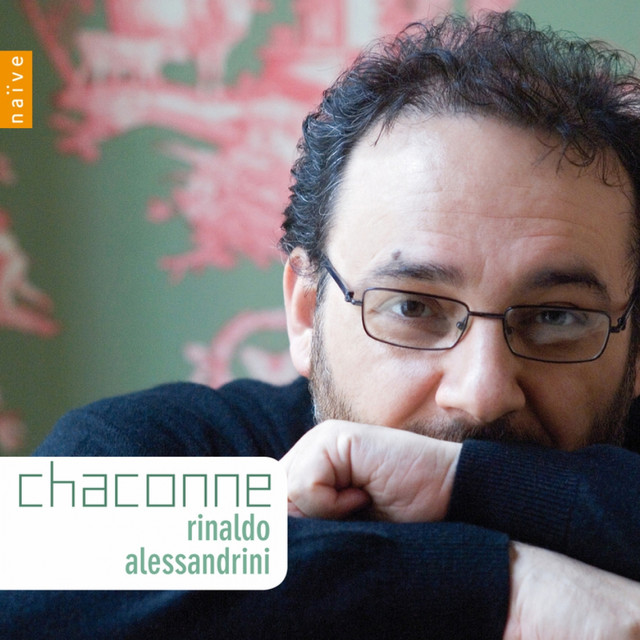
Chaconne
Rinaldo Alessandrini
Baroque
2006
1
/5
Il sesto libro de madrigali
Claudio Monteverdi / Concerto Italiano / Rinaldo Alessandrini
Madrigal
2005
2
/5
Brandenburg Concertos
Johann Sebastian Bach / Concerto Italiano / Rinaldo Alessandrini
Concerto Grosso
2002
1
/5
L'Olimpiade
Antonio Vivaldi
Opera Seria
Baroque
Classical
2000
1
/5
Quinto libro de' Madrigali
Claudio Monteverdi / Concerto Italiano / Rinaldo Alessandrini
Madrigal
Baroque
Classical
2000
1
/5
Ottavo libro dei Madrigali
Claudio Monteverdi / Concerto Italiano / Rinaldo Alessandrini
Madrigal
1992
1
/5
Il sesto libro de madrigali 1614
Claudio Monteverdi / Concerto Italiano / Rinaldo Alessandrini
Madrigal
1992
1
/5
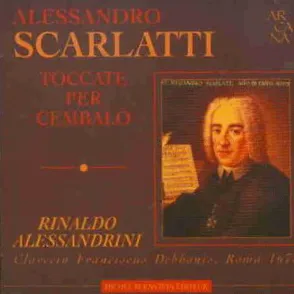
Toccate per cembalo
Alessandro Scarlatti / Rinaldo Alessandrini
Toccata
Classical
Similar artists
2
/5
Concerto Italiano
Classical
Opera
Madrigal
4
/5
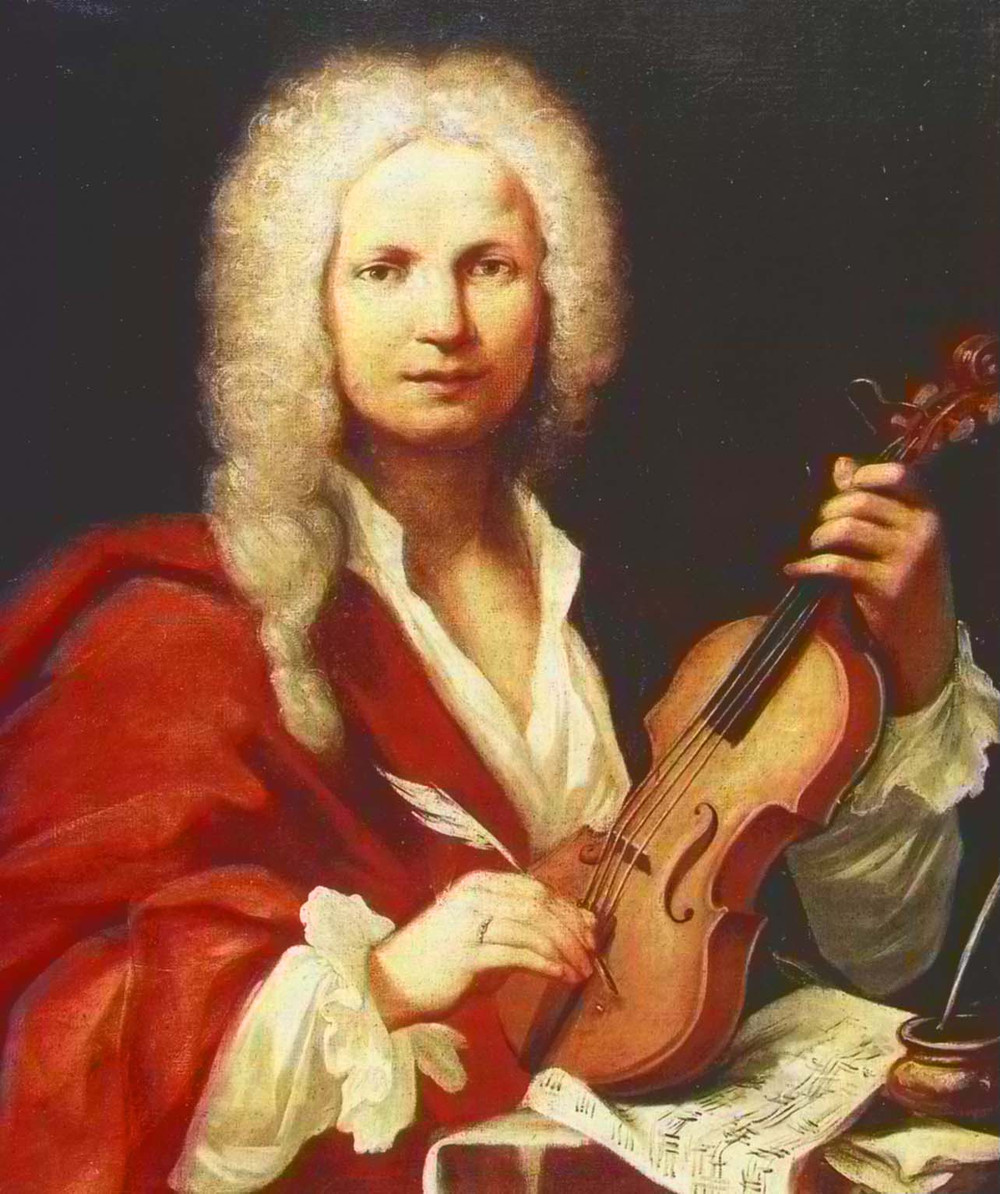
Antonio Vivaldi
Baroque
Classical
Opera Seria
4
/5
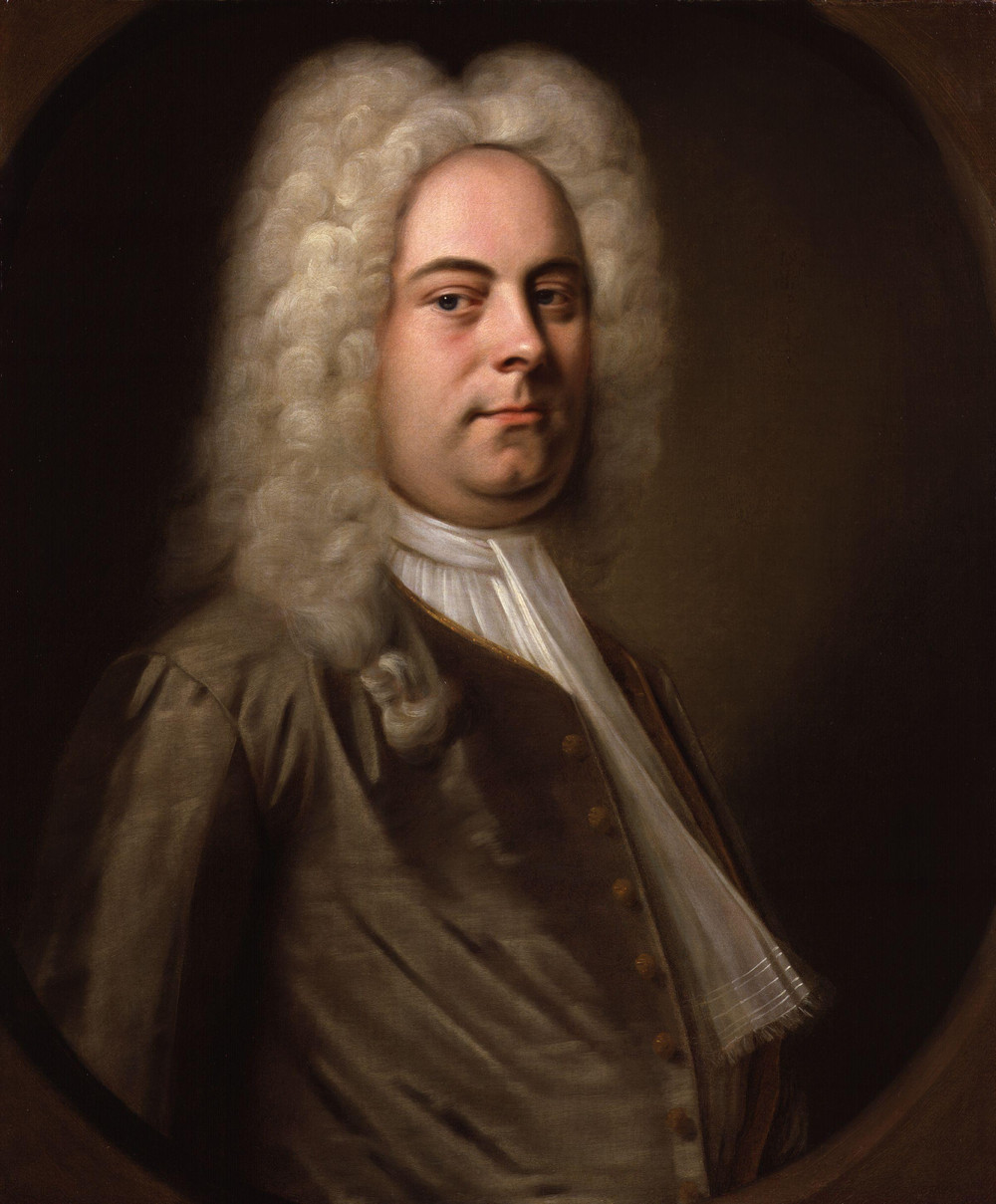
George Frideric Handel
Classical
Opera Seria
Baroque
3
/5
René Jacobs
Classical
Opera
Orchestral Performance
3
/5
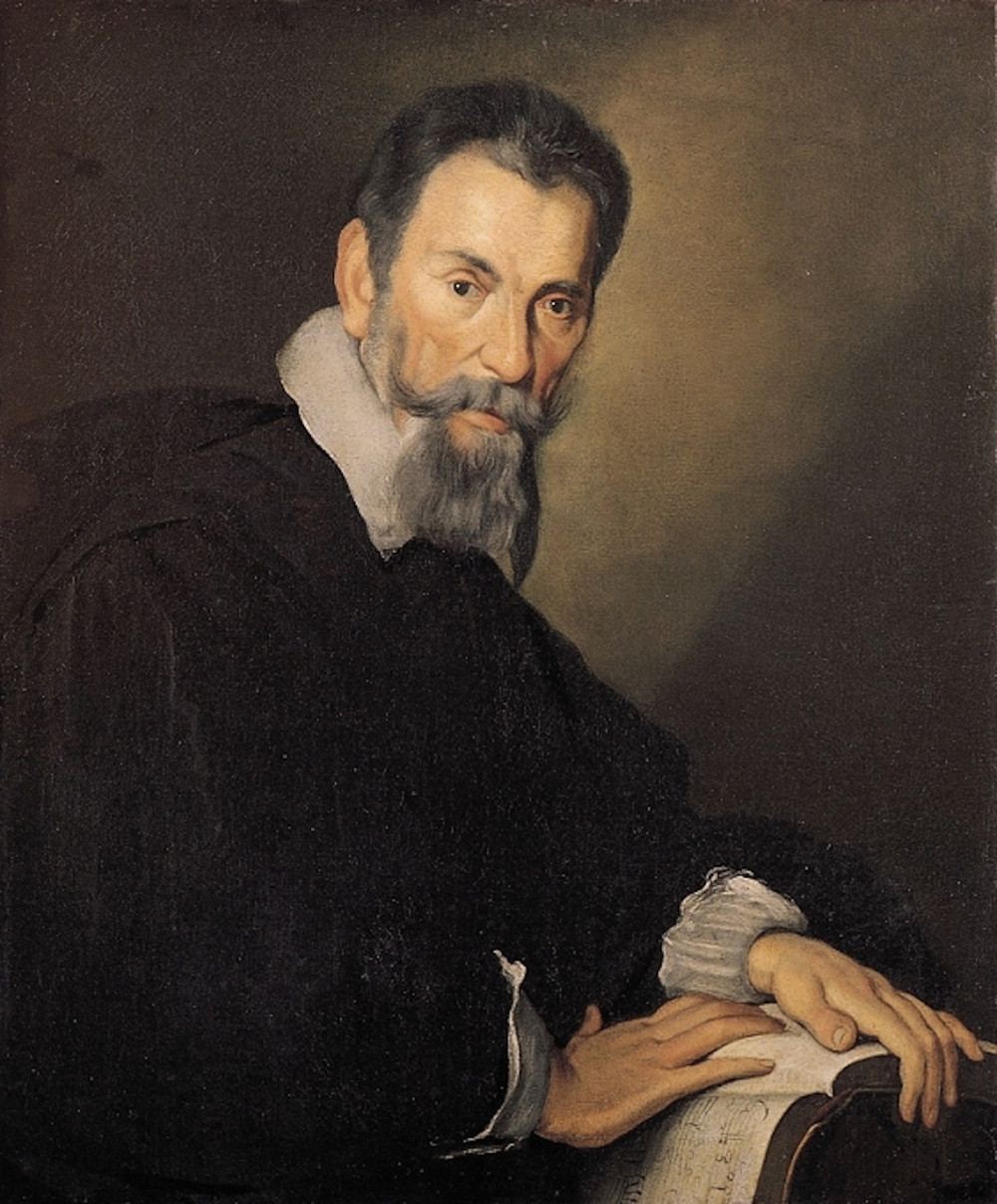
Claudio Monteverdi
Madrigal
Classical
Renaissance
3
/5
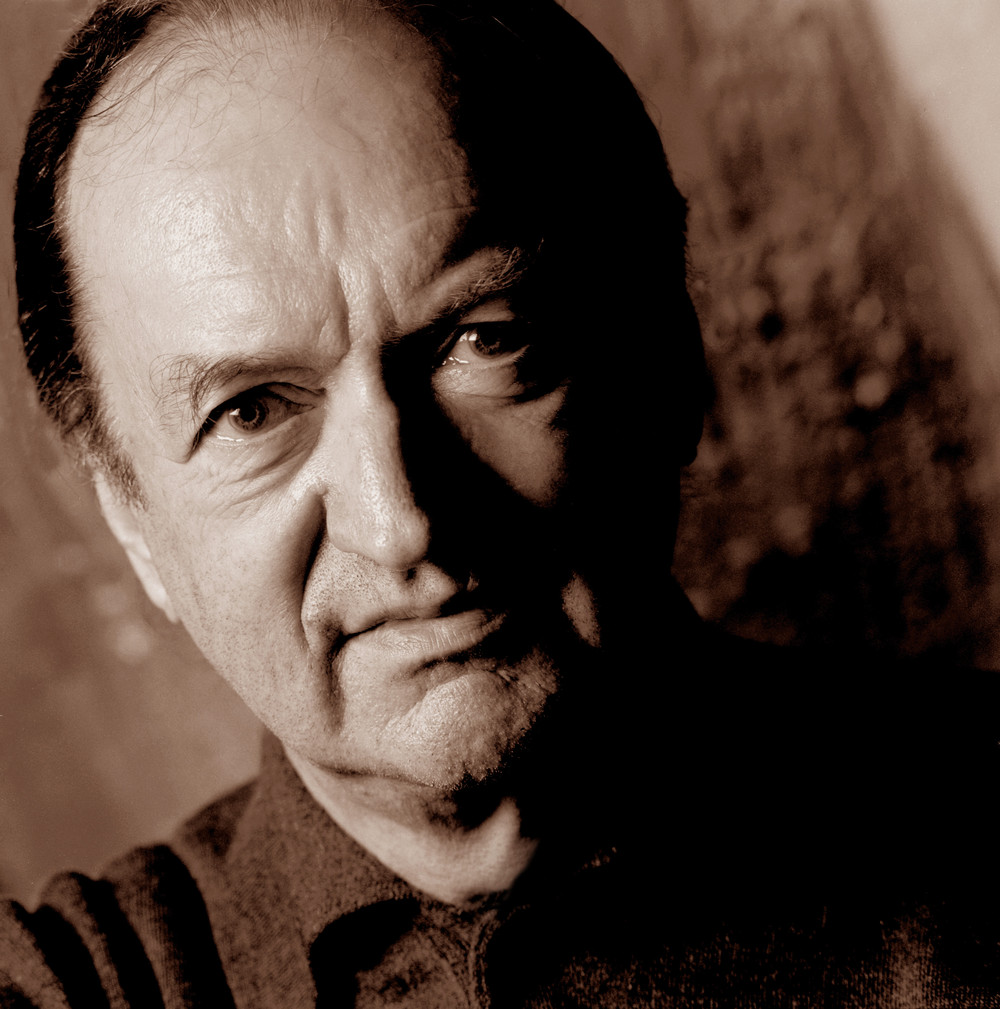
Nikolaus Harnoncourt
Classical
Requiem
Baroque
4
/5
English Chamber Orchestra
Classical
Baroque
Chamber Music
3
/5
Academy of Ancient Music
Classical
Choral
Requiem
3
/5
Akademie für Alte Musik Berlin
Classical
Opera
Oratorio
3
/5
Christopher Hogwood
Classical
Opera
Opera Seria
Download our mobile app
Get the Melodigging app and start digging for new genres on the go
Download on the App Store
Get it on Google Play
© 2026 Melodigging
Give feedback
Legal
Melodding was created as a tribute to
Every Noise at Once
, which inspired us to help curious minds keep digging into music's ever-evolving genres.