Your digging level
Description
Honkyoku are solo shakuhachi (end-blown bamboo flute) pieces associated with the Komusō, wandering lay Buddhist practitioners from the warrior class who practiced suizen ("blowing meditation").
Developed primarily during Japan’s Edo period, honkyoku emphasize breath, silence (ma), and subtle inflections over fixed meter or virtuosic display. Their sound world features free rhythm, contemplative pacing, microtonal pitch shading (meri/kari), and distinctive tone colors—ranging from pure, bell-like tones to airy, breath-saturated textures (muraiki). Although now performed in concert settings, the repertoire originated as a meditative practice and remains one of the most inward-looking branches of Japanese classical music.
History
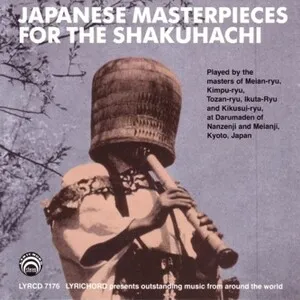
Honkyoku emerged in early Edo-period Japan (17th century) within the culture of the Komusō, wandering non-monastic lay Buddhists who wore straw basket hats (tengai) and played the shakuhachi as a form of suizen (breath-meditation). During the Edo period (1600–1868) the Komusō obtained various privileges from the bakufu (shogunate), and local lineages developed repertoires of meditative solo pieces transmitted orally within teacher–disciple networks.
By the 18th century, schools such as Kinko-ryū began to codify and curate honkyoku. Kurosawa Kinko I (c. 1710–1771) famously compiled a core collection, stabilizing titles and variants while preserving flexible, breath-based performance. Notation systems (distinct from Western staff) captured fingerings, inflections, and breathing gestures rather than absolute pitches or fixed rhythms.
Following the Meiji Restoration (late 19th century), the Fuke sect was dissolved and shakuhachi performance briefly restricted, but the instrument and honkyoku survived through secularization and the work of master performers. In the 20th century, figures like Jin Nyodō, Watazumi Dōso Roshi, Goro Yamaguchi, and Katsuya Yokoyama revitalized and disseminated the repertoire, balancing lineage fidelity with concert presentation. Goro Yamaguchi’s recording of “Sokaku-Reibo” gained global attention when a version was included on the 1977 Voyager Golden Record, emblematic of honkyoku’s contemplative ethos.
Today, honkyoku are performed worldwide by shakuhachi practitioners across lineages (Kinko, Tozan, Chikuho, and others). While repertoire lists vary by school, canonical pieces—such as “Kyorei,” “Kokū,” “Shika no Tōne,” and “Sokaku-Reibo”—remain central. Modern editions and recordings make the music accessible, yet transmission still prioritizes direct mentorship, breath discipline, and meditative intent.


%2C%20Cover%20art.webp)