Genres
Artists
Albums
Make Music
Sign in
Sign in
Artists
Garage Rock
Artists
Garage Rock
Ty Segall
2009–2025
·
6 albums
Listen
3
/5
Genres
Gaian Doom
Gaian doom is a doom-metal offshoot that fuses the genre’s glacial tempos and colossal low-end with eco-spiritual themes, nature soundscapes, and droning textures. It often foregrounds the relationship between humanity and the biosphere, evoking forests, mountains, oceans, and cycles of decay and renewal. Musically, it draws from drone and post-metal’s long-form crescendos, sludge’s weight, and dark ambient’s textural depth. Field recordings (wind, water, birds, rain) and acoustic timbres (hand percussion, bowed instruments, harmonium) are layered around downtuned riffs to create a ritual, earth-centric atmosphere. Lyrics tend to be mythopoetic, animist, or ecological, emphasizing Gaia as a living, interdependent system.
Discover
Listen
Channel Pop
Channel pop is a digital-era strain of mainstream pop shaped by video and creator platforms—especially YouTube and later TikTok and Instagram—where artists build audiences through frequent uploads on their own “channels.” Musically it favors intimate, highly polished but close-mic’d vocals, acoustic guitar or piano-led arrangements, restrained beats, and succinct, playlist-friendly structures. Many releases are cover-first (reimagining recent chart hits) with a steady flow of glossy singles, session-style performances, and creator collaborations that gradually blend into original material. Titles, artwork, and release cadence are optimized for search and recommendation algorithms, yielding a sound that is simultaneously personal and platform-aware.
Discover
Listen
Shitgaze
Shitgaze is a deliberately lo‑fi, noise‑blasted strain of indie rock that pushes recording equipment to its limits—embracing tape hiss, clipping, blown‑out drums, and overloaded guitars as aesthetic choices rather than flaws. Coined as a tongue‑in‑cheek nod to shoegaze, the term emerged around a Columbus, Ohio–centered DIY scene whose bands favored 4‑track cassettes, cheap mics, and first‑take energy. The songs are short, hooky, and punk‑paced, but smeared with distortion and room noise, yielding a sound that is both catchy and caustic. Beyond provocation, shitgaze frames rawness as a form of honesty: immediacy over polish, texture over fidelity, and irreverent humor over studio perfection.
Discover
Listen
Noise Pop
Noise pop blends the tunefulness and hook-centric structures of pop with abrasive textures such as feedback, distortion, and tape hiss. It typically features bright, simple melodies buried beneath a dense, overdriven "wall of sound," with vocals often mixed low or coated in reverb. The aesthetic draws on 1960s girl-group and power-pop songwriting but delivers it through punk-informed energy and noise-rock sonics, creating music that is simultaneously sweet and scuffed.
Discover
Listen
Noise Rock
Noise rock is a subgenre of rock that deliberately embraces distortion, feedback, dissonance, and abrasive textures as primary musical materials rather than mere effects. It prioritizes timbre, volume, and sonic density over conventional melody and harmony, often using nonstandard tunings, prepared or detuned guitars, and extended techniques to generate harsh overtones and sheets of sound. Rhythm sections tend to be driving and repetitive, anchoring the chaos with motorik pulses, lurching grooves, or pummeling, minimal patterns. Vocals range from spoken and murmured to shouted and cathartic, with lyrics that skew cryptic, confrontational, or surreal. Aesthetically, noise rock traces a line from punk’s anti-virtuosity and DIY ethos through no wave’s iconoclasm and the avant-garde’s interest in sound-as-sound, yielding music that can be physically intense, psychologically unsettling, and artistically exploratory.
Discover
Listen
Lo-Fi
Lo-fi is a music aesthetic and genre defined by an embrace of audible imperfections—tape hiss, clipping, room noise, distorted transients, and uneven performance—that would be treated as errors in high-fidelity recording. Emerging from the DIY ethos of American indie and punk scenes, lo-fi turns budget constraints and home-recording limitations into a signature sound. Songs are often intimate, direct, and unvarnished, prioritizing immediacy and personality over polish. Typical lo-fi recordings use 4-track cassette or similarly modest setups, simple chord progressions, and understated vocals, spanning rock, folk, pop, and experimental approaches while retaining a homemade warmth and nostalgic patina.
Discover
Listen
Neo-Psychedelia
Neo-psychedelia is a late-20th-century revival and reinvention of 1960s psychedelic music aesthetics, filtered through post-punk, indie, and experimental sensibilities. It emphasizes hypnotic textures, droning guitars, heavy use of effects (reverb, delay, phasing), analogue organs/synths, and dreamlike or surreal lyricism. Rhythms may draw from motorik and other steady, trance-inducing grooves, while harmony often favors modal colors and repetitive vamps. The style ranges from jangly, melodic songs to dense, feedback-laden soundscapes, and has been highly influential on dream pop, shoegaze, Britpop-adjacent scenes, and modern psych rock.
Discover
Listen
Surf Punk
Surf punk is a high-energy fusion of classic 1960s surf rock guitar sonics with the speed, attitude, and DIY ethos of late-1970s punk rock. It typically features spring‑reverb‑drenched lead guitars playing twangy, tremolo‑picked lines over fast, down‑stroked power‑chord rhythms, with punchy bass and driving, straightforward drum patterns. Lyrics often reference coastal life, surfing, skating, suburban boredom, and irreverent humor, though many tracks are instrumental. The overall sound emphasizes immediacy, brevity, and raw, beach‑side adrenaline.
Discover
Listen
Glam Rock
Glam rock is a style of rock music that emerged in the early 1970s, defined as much by its flamboyant image and theatricality as by its sound. Artists embraced androgynous fashion, glitter, makeup, platform boots, and bold stage personas, using spectacle to amplify simple, catchy, riff-driven songs. Musically, glam rock fuses the drive of 1950s rock and roll with hard rock crunch, bubblegum pop hooks, and a sense of artful provocation. Songs often feature stomping, chant-ready rhythms, big choruses, guitar riffs, handclaps, and shout-along refrains. Lyrically, it leans into themes of fantasy, fame, gender play, street romance, and campy drama, blurring the line between pop accessibility and avant-garde performance.
Discover
Listen
Garage Rock
Garage rock is a raw, energetic style of rock music that emerged in the mid-1960s from local scenes across North America. Typically performed by amateur or semi-professional teenage bands in basements and suburban garages, the sound is unpolished and immediate, favoring feel over finesse. Its hallmarks include distorted guitars, pounding drums, simple chord progressions (often I–IV–V), prominent Farfisa/Vox organ riffs, and shouted, attitude-heavy vocals. Songs are short, hooky, and driven by rhythmic urgency, with lyrics about teenage love, boredom, rebellion, and swagger. The style became a direct ancestor of proto-punk and punk rock, prized for its do-it-yourself spirit and visceral impact.
Discover
Listen
Garage Psych
Garage psych is a fuzz-drenched fusion of raw, do-it-yourself garage rock with the kaleidoscopic textures and mind-bending aesthetics of psychedelic rock. It favors simple, pounding rhythms; primitive, overdriven guitars; and swirling organs or tape-delayed vocals, all delivered with a lo-fi, room-mic immediacy. Lyrically and sonically, it blends teenage angst and street-level grit with surreal imagery, reverb-heavy atmospheres, and exploratory effects, bridging the gap between bar-band energy and psychedelic experimentation.
Discover
Listen
Garage Punk
Garage punk is a raw, high-energy strain of rock that fuses the primitive drive of mid‑1960s American garage bands with the speed, sneer, and DIY ethos later associated with punk. It favors overdriven guitars (often drenched in fuzz and spring reverb), stomping backbeats, shouted or snotty vocals, and two- or three-chord riffs recorded with intentionally lo‑fi, live-in-the-room immediacy. Organ stabs, handclaps, and tambourines are common textural touches, while lyrics lean toward teenage frustration, lust, menace, and mischief. Songs are short, hooky, and explosive—more about attitude and impact than polish—making garage punk a perennial engine for underground rock scenes.
Discover
Listen
Psychedelic Rock
Psychedelic rock is a style of rock music that seeks to evoke, simulate, and expand altered states of consciousness through sound. It typically features timbral experimentation (fuzz, wah, tape delay, phasing), drones, modal or raga-influenced harmony, extended improvisation, studio-as-instrument production, and surreal, mystical, or mind-expanding lyrics. Emerging from mid-1960s counterculture, it fused garage-band energy with folk, blues, and non-Western musical ideas—especially Indian classical ragas—while embracing new studio technologies and concert light shows. Both a live and a studio art, psychedelic rock ranges from jangly, kaleidoscopic pop to heavy, hypnotic jams and cosmic soundscapes.
Discover
Listen
Rock
Rock is a broad family of popular music centered on amplified instruments, a strong backbeat, and song forms that foreground riffs, choruses, and anthemic hooks. Emerging from mid‑20th‑century American styles like rhythm & blues, country, and gospel-inflected rock and roll, rock quickly expanded in scope—absorbing folk, blues, and psychedelic ideas—while shaping global youth culture. Core sonic markers include electric guitar (often overdriven), electric bass, drum kit emphasizing beats 2 and 4, and emotive lead vocals. Rock songs commonly use verse–chorus structures, blues-derived harmony, and memorable melodic motifs, ranging from intimate ballads to high‑energy, stadium‑sized performances.
Discover
Listen
Show all 14 genres
Albums
2025
2
/5
Possession
Ty Segall
Noise Pop
Rock
2025
1
/5
Possession
Ty Segall
Noise Pop
2025
1
/5
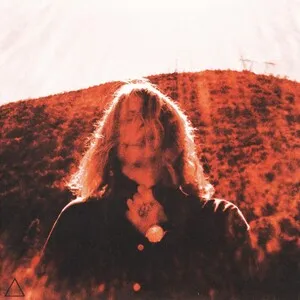
Fantastic Tomb
Ty Segall
Noise Rock
Noise Pop
Garage Rock
2014
3
/5
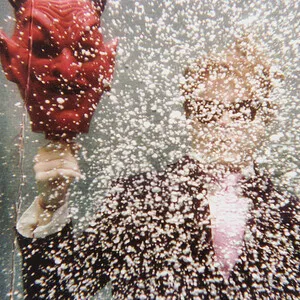
Manipulator
Ty Segall
Garage Psych
Rock
2009
2
/5
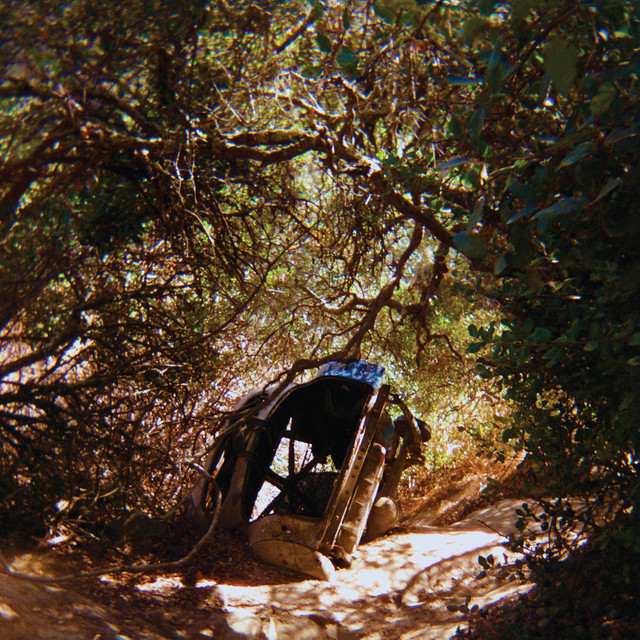
Ty Segall
Ty Segall
Shitgaze
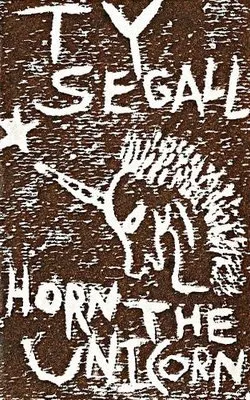
Horn the Unicorn
Ty Segall
Surf Punk
Similar artists
1
/5
Various Artists
Afro-Funk
Alternative Rock
Ambient
3
/5
Thee Oh Sees
Garage Rock
Garage Psych
Rock
3
/5
The Flaming Lips
Noise Pop
Neo-Psychedelia
Psychedelic Pop
3
/5
Stereolab
Experimental Rock
No Wave
Post-Rock
3
/5
of Montreal
Elephant 6
Rock
Indie Rock
3
/5
Yo La Tengo
Indie Rock
Rock
Noise Pop
3
/5
Animal Collective
Freak Folk
Neo-Psychedelia
Experimental
3
/5
The Black Angels
Gaian Doom
Garage Rock
Neo-Psychedelia
2
/5
Wucan
Retro Metal
Gaian Doom
Hard Rock
4
/5
Iggy Pop
Proto-Punk
Glam Rock
Chill Pop
Download our mobile app
Get the Melodigging app and start digging for new genres on the go
Download on the App Store
Get it on Google Play
© 2026 Melodigging
Give feedback
Legal
Melodding was created as a tribute to
Every Noise at Once
, which inspired us to help curious minds keep digging into music's ever-evolving genres.