Genres
Artists
Albums
Make Music
Sign in
Sign in
Artists
Free Jazz
Artists
Free Jazz
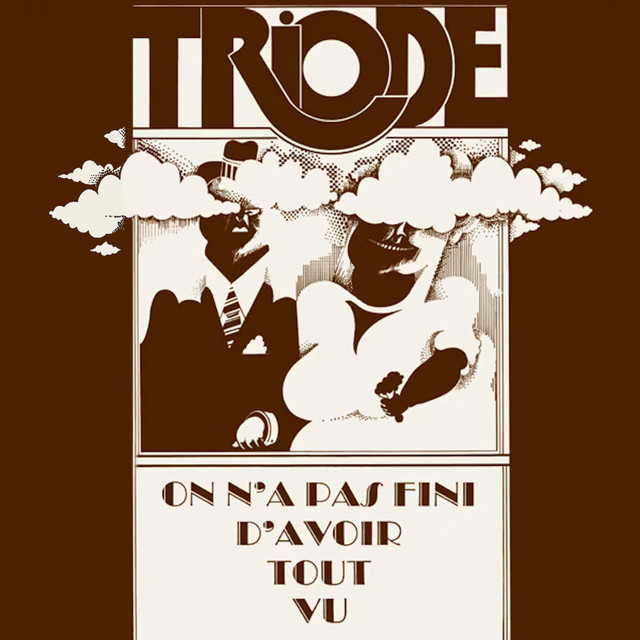
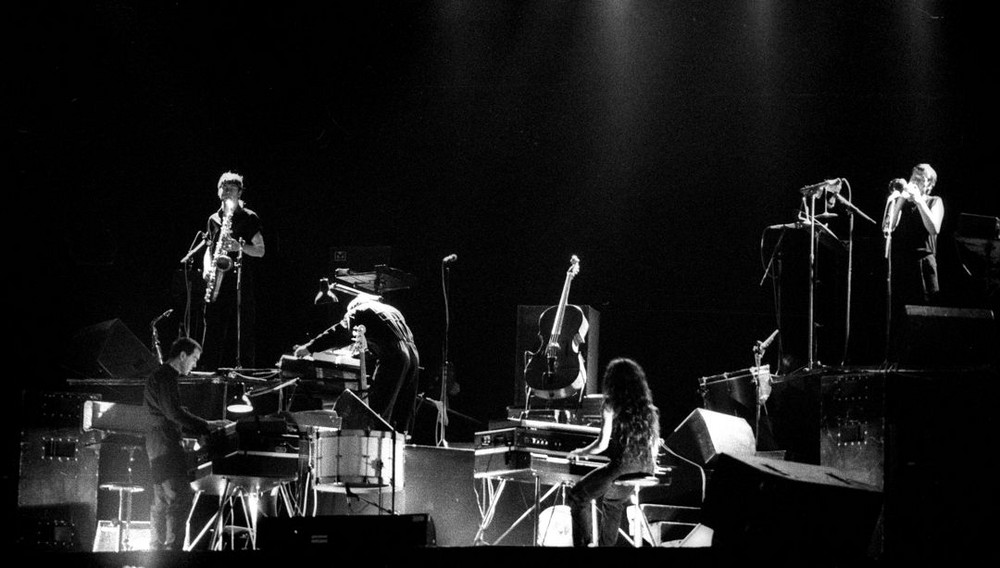
Triode
1971
·
1 album
Listen
1
/5
Genres
Krautrock
Krautrock is an experimental form of rock that emerged in late-1960s West Germany, characterized by hypnotic repetition, long-form structures, and a forward-looking embrace of electronics and studio experimentation. It typically features a steady, driving 4/4 “motorik” beat, circular bass ostinatos, sparse harmonic movement, and textural layering that draws from minimalism, free improvisation, and avant-garde composition. Rather than virtuosic solos, the emphasis is on collective groove, trance-inducing momentum, and timbral exploration. The sound ranges from raw, percussive jams to spacious, cosmic electronics, often eschewing conventional Anglo-American blues forms in favor of a distinctly European modernist aesthetic.
Discover
Listen
Progressive Rock
Progressive rock is a rock subgenre that expands the genre’s formal, harmonic, and conceptual boundaries. It favors long-form compositions, intricate arrangements, and virtuosic musicianship, often drawing on Western classical, jazz, folk, and psychedelic idioms. Typical hallmarks include multi-part suites, shifting time signatures, extended instrumental passages, recurring motifs, and concept albums that present unified themes or narratives. The sound palette commonly features electric guitar, bass, and drums alongside an array of keyboards (Hammond organ, Mellotron, Moog/ARP synthesizers, piano), woodwinds or brass, and occasional orchestral additions. Lyrics often explore science fiction, mythology, philosophy, social commentary, and introspective themes.
Discover
Listen
Flute Rock
Flute rock is a branch of rock in which the concert flute (and related woodwinds) is elevated from coloristic ornament to a lead, riff‑carrying instrument alongside guitar, bass, and drums. Emerging from the psychedelic and progressive turns of late‑1960s British rock, it fuses blues‑rock rhythm sections, folk modalities, and jazz/classical phrasing with the timbral brightness and agility of the Boehm‑system flute. Hallmarks include memorable flute riffs, extended solos using blues, modal, or pentatonic vocabulary, odd meters borrowed from progressive rock, and dynamic contrasts that move from pastoral, airy passages to explosive, overblown climaxes.
Discover
Listen
Free Jazz
Free jazz is a radical branch of jazz that rejects fixed chord progressions, strict meter, and conventional song forms in favor of collective improvisation, textural exploration, and spontaneous interaction. Musicians prioritize timbre, dynamics, and gesture as much as pitch and harmony, often using extended techniques (multiphonics, overblowing, prepared piano) and unconventional sounds. While rooted in the blues and earlier jazz vocabularies, free jazz frees improvisers from pre-set harmonic cycles, allowing lines to unfold over tonal centers, shifting modes, drones, or complete atonality. Rhythm sections may float without a steady pulse, or drive with layered polyrhythms and “energy playing.” The result ranges from contemplative soundscapes to cathartic, high-intensity eruptions. Culturally, the genre intersected with the civil rights era and broader avant-garde movements, emphasizing autonomy, community, and new possibilities for musical expression.
Discover
Listen
French Jazz
French jazz is the French branch of jazz that took root in Paris and other urban centers after World War I, when African American musicians and touring bands introduced the music to a receptive café and cabaret culture. It blends American jazz idioms with French musical sensibilities, notably chanson, musette waltzes, and a refined classical ear for color and melody. Its sound ranges from the acoustic swing of the 1930s Hot Club style (guitar- and violin-led ensembles) to postwar bebop, cool and modal currents, free improvisation, and later fusions with chanson and electronic music. Hallmarks include lyrical, song-like themes, supple swing feels, elegant harmonic voicings, and, in some strands, the distinctive "la pompe" rhythm of manouche guitar and the timbre of accordion and violin. Today, French jazz encompasses both traditional and forward-looking approaches: intimate acoustic combos, orchestral and filmic jazz, and hybrid forms that intersect with nu jazz, electro-swing, and contemporary European improvisation.
Discover
Listen
Albums
1971
On n'a pas fini d'avoir tout vu
Triode
Flute Rock
Similar artists
Hide discovered
1
/5
Art Zoyd
Rock In Opposition
Avant-Garde
Avant-Prog
1
/5
Etron Fou Leloublan
Zeuhl
Art Rock
Avant-Garde
1
/5
Space Debris
Acid Rock
Free Jazz
Krautrock
1
/5
Magma
Free Jazz
Krautrock
Progressive Rock
1
/5
Christian Vander Solo
French Jazz
Krautrock
Progressive Rock
2
/5
Robert Fripp
Ambient
Ambient Guitar
Art Rock
2
/5
Caravan
Canterbury Scene
Progressive Rock
Acid Rock
2
/5
Embryo
Krautrock
Jazz Rock
Jazz
1
/5
Jade Warrior
Art Rock
Krautrock
Progressive Rock
1
/5
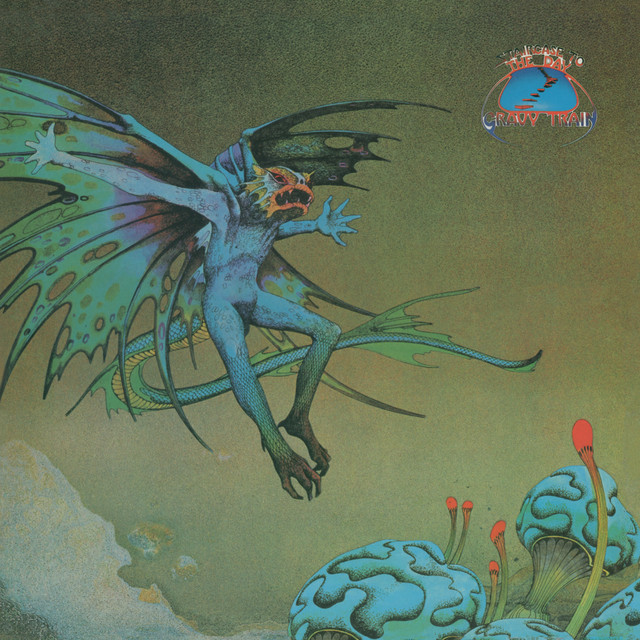
Gravy Train
Acid Rock
Krautrock
Progressive Rock
Download our mobile app
Get the Melodigging app and start digging for new genres on the go
Download on the App Store
Get it on Google Play
© 2026 Melodigging
Give feedback
About & FAQ
Legal
Melodding was created as a tribute to
Every Noise at Once
, which inspired us to help curious minds keep digging into music's ever-evolving genres.