Genres
Artists
Albums
Make Music
Sign in
Sign in
Artists
Rock In Opposition
Artists
Rock In Opposition
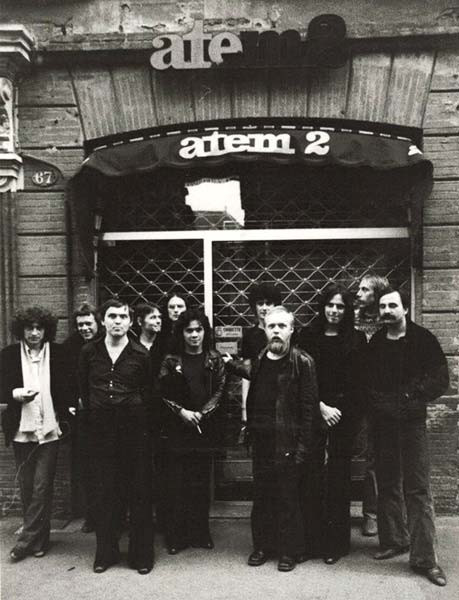
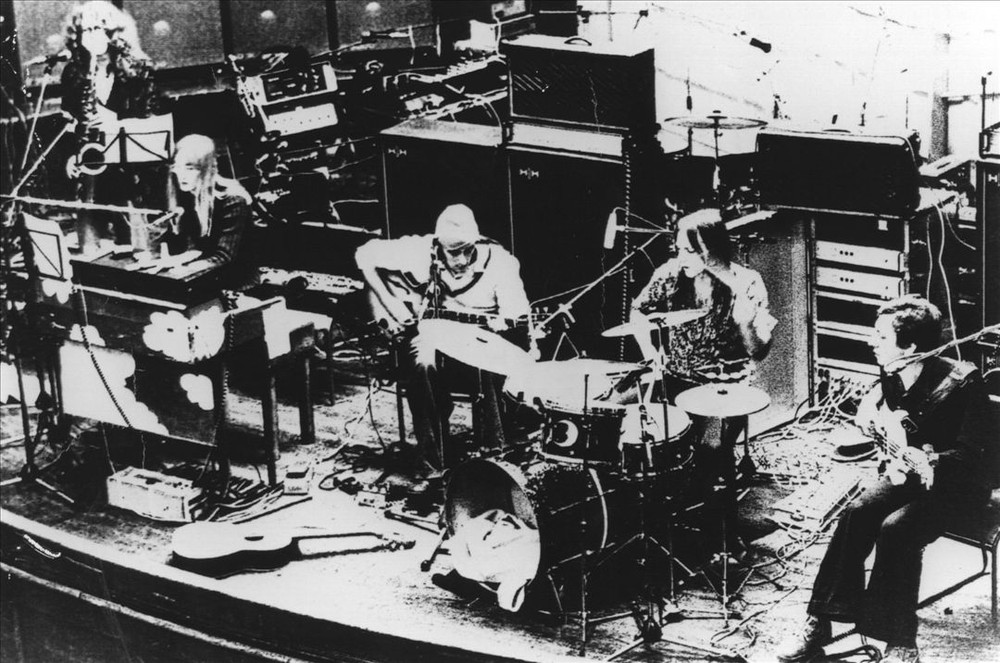
Art Zoyd
1985–1987
·
3 albums
Listen
1
/5
Genres
Slimepunk
Slimepunk is an internet-born microgenre that fuses the hyper-saturated textures of vaporwave-era net music with the velocity and abrasion of breakcore, digital hardcore, and punk. Its sound favors blown-out drums, maximally clipped mixdowns, candy-coated melodies, and sudden left turns, capturing both the chaotic energy of DIY punk and the playful, neon gloss of online aesthetics. Typical tracks pair frenetic breakbeats or half-time trap grooves with chiptune timbres, mangled samples, and pitch-shifted vocals that dart between cute, deadpan, and snarling. The result is a noisy, high-impact, and deliberately synthetic style that celebrates the unstable, meme-native sensibility of the modern web while remaining danceable and hook-driven.
Discover
Listen
Rock In Opposition
Rock in Opposition (RIO) is a late‑1970s movement of progressive and experimental rock groups who united in explicit opposition to a commercial music industry that refused to recognize or support their music. Rather than a strict musical style, RIO is a banner and aesthetic: fiercely independent production; complex, often dissonant composition; chamber‑like instrumentation; left‑leaning, critical or satirical politics; and a commitment to avant‑garde techniques imported from modern classical music, free improvisation, and radical jazz. The sound typically blends rock rhythm sections with winds and strings (e.g., bassoon, clarinet, violin), intricate counterpoint, odd meters, abrupt contrasts, and through‑composed forms that defy verse–chorus conventions.
Discover
Listen
Avant-Prog
Avant-prog (avant-garde progressive rock) is a branch of progressive rock that emphasizes experimentation, dissonance, and structural innovation. It often blends rock instrumentation with chamber-music timbres (strings, woodwinds, brass) and techniques borrowed from 20th‑century classical music, free jazz, and minimalism. Typical traits include irregular and shifting meters, abrupt contrasts, complex counterpoint, atonal or modal harmony, extended techniques, and through-composed forms that minimize or abandon verse/chorus structures. The mood ranges from stark and austere to playfully surreal, with a frequent penchant for theatricality and sound collage. The movement’s ethos—crystallized by the late‑1970s Rock in Opposition (RIO) collective—was as much cultural as musical, favoring artistic independence, DIY production, and an oppositional stance toward commercial music industry norms.
Discover
Listen
Zeuhl
Zeuhl is a bass‑driven, choir‑inflected strain of progressive rock coined by Christian Vander of Magma; the word is Kobaïan for “celestial.” It marries jazz‑rock and modernist classical impulses with ritualistic choral writing, repetitive ostinati, and militaristic drum patterns, yielding music that feels simultaneously cosmic, ominous, and liturgical. Typical traits include pounding, modal bass riffs; tightly locked, polyrhythmic drums; massed vocals in block chords or antiphony (often in invented languages); and long, through‑composed suites with recurring leitmotifs. The harmony favors minor, modal, and quartal sonorities and dramatic choral/Orff‑like climaxes, while the textures range from spare ostinatos to densely orchestrated, quasi‑operatic sections.
Discover
Listen
Krautrock
Krautrock is an experimental form of rock that emerged in late-1960s West Germany, characterized by hypnotic repetition, long-form structures, and a forward-looking embrace of electronics and studio experimentation. It typically features a steady, driving 4/4 “motorik” beat, circular bass ostinatos, sparse harmonic movement, and textural layering that draws from minimalism, free improvisation, and avant-garde composition. Rather than virtuosic solos, the emphasis is on collective groove, trance-inducing momentum, and timbral exploration. The sound ranges from raw, percussive jams to spacious, cosmic electronics, often eschewing conventional Anglo-American blues forms in favor of a distinctly European modernist aesthetic.
Discover
Listen
Progressive Rock
Progressive rock is a rock subgenre that expands the genre’s formal, harmonic, and conceptual boundaries. It favors long-form compositions, intricate arrangements, and virtuosic musicianship, often drawing on Western classical, jazz, folk, and psychedelic idioms. Typical hallmarks include multi-part suites, shifting time signatures, extended instrumental passages, recurring motifs, and concept albums that present unified themes or narratives. The sound palette commonly features electric guitar, bass, and drums alongside an array of keyboards (Hammond organ, Mellotron, Moog/ARP synthesizers, piano), woodwinds or brass, and occasional orchestral additions. Lyrics often explore science fiction, mythology, philosophy, social commentary, and introspective themes.
Discover
Listen
Space Rock
Space rock is a psychedelic branch of rock characterized by long-form, hypnotic grooves, swirling guitars awash in delay and reverb, and prominent analog synthesizers that evoke cosmic or interstellar imagery. The music often emphasizes texture and atmosphere over conventional song structures, creating expansive soundscapes that feel weightless and otherworldly. Emerging in late-1960s Britain from the overlap of psychedelic rock, early progressive rock, and experimental electronics, space rock frequently employs motorik-leaning rhythms, modal or drone-based harmony, and science-fiction themes. Extended improvisations, phased and fuzz-drenched timbres, and tape or echo effects are common, encouraging a sense of forward drift and cosmic exploration.
Discover
Listen
Experimental
Experimental music is an umbrella term for practices that prioritize exploration, process, and discovery over adherence to established genre norms. It embraces new sound sources, nonstandard tuning systems, indeterminacy and chance operations, graphic and open-form scores, extended techniques, and technology-led sound design (tape, electronics, computers, and live processing). Rather than a single style, it is a methodology and ethos: testing hypotheses about sound, structure, and performance, often blurring boundaries between composition, improvisation, sound art, and performance art. Listeners can expect unfamiliar timbres, unusual forms, and an emphasis on how music is made as much as the resulting sound.
Discover
Listen
Free Jazz
Free jazz is a radical branch of jazz that rejects fixed chord progressions, strict meter, and conventional song forms in favor of collective improvisation, textural exploration, and spontaneous interaction. Musicians prioritize timbre, dynamics, and gesture as much as pitch and harmony, often using extended techniques (multiphonics, overblowing, prepared piano) and unconventional sounds. While rooted in the blues and earlier jazz vocabularies, free jazz frees improvisers from pre-set harmonic cycles, allowing lines to unfold over tonal centers, shifting modes, drones, or complete atonality. Rhythm sections may float without a steady pulse, or drive with layered polyrhythms and “energy playing.” The result ranges from contemplative soundscapes to cathartic, high-intensity eruptions. Culturally, the genre intersected with the civil rights era and broader avant-garde movements, emphasizing autonomy, community, and new possibilities for musical expression.
Discover
Listen
Avant-Garde
Avant-garde music is an umbrella term for boundary-pushing practices that challenge prevailing norms of harmony, rhythm, timbre, form, and performance. It privileges experimentation, conceptual rigor, and a willingness to reframe what counts as music at all. Historically tied to early 20th‑century artistic modernism, avant-garde music introduced atonality, the emancipation of noise, and new forms of notation and process. It embraces indeterminacy, extended techniques, electronics, spatialization, and multimedia performance, treating sound as material to be sculpted, questioned, and reinvented.
Discover
Listen
Show all 10 genres
Albums
1987
1
/5
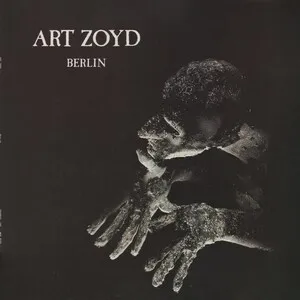
Berlin
Art Zoyd
Rock In Opposition
1987
1
/5
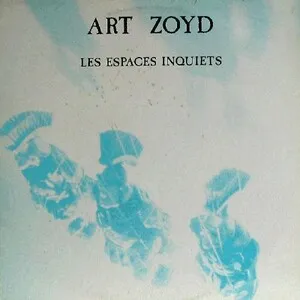
Les espaces inquiets
Art Zoyd
Rock In Opposition
1985
1
/5
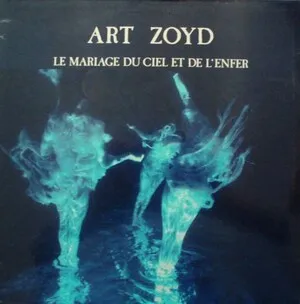
Le mariage du ciel et de l'enfer
Art Zoyd
Rock In Opposition
Similar artists
1
/5
Aksak Maboul
Rock In Opposition
Avant-Prog
Experimental
1
/5
Henry Cow
Rock In Opposition
Art Rock
Canterbury Scene
2
/5
Sleepytime Gorilla Museum
Avant-Prog
Rock In Opposition
Avant-Garde
1
/5
Samla Mammas Manna
Rock In Opposition
Avant-Prog
Jazz
1
/5
Art Bears
Rock In Opposition
Art Rock
Avant-Garde
1
/5
Univers Zero
Rock In Opposition
Zeuhl
Avant-Prog
1
/5
Present
Avant-Prog
Rock In Opposition
Art Rock
3
/5
Frank Zappa
Jazz Rock
Progressive Rock
Avant-Garde
3
/5
Einstürzende Neubauten
Industrial
Experimental
Avant-Garde
2
/5
Cabaret Voltaire
Industrial
Acid House
Avant-Garde
Download our mobile app
Get the Melodigging app and start digging for new genres on the go
Download on the App Store
Get it on Google Play
© 2026 Melodigging
Give feedback
Legal
Melodding was created as a tribute to
Every Noise at Once
, which inspired us to help curious minds keep digging into music's ever-evolving genres.