Genres
Artists
Albums
Make Music
Sign in
Sign in
Artists
Avant-Prog
Artists
Avant-Prog
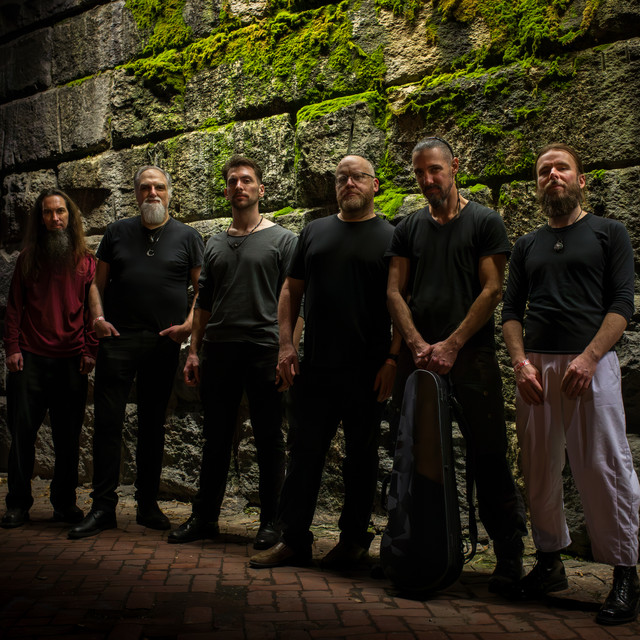
Sleepytime Gorilla Museum
2001–2024
·
9 albums
Listen
2
/5
Genres
Avant-Garde Metal
Avant-garde metal is a branch of metal that embraces experimentation as a core principle. It extends the genre’s sonic vocabulary through unusual song forms, dissonant harmony, non-standard instrumentation, and an eagerness to fuse styles that traditionally sit outside heavy music. Where conventional metal often relies on riff-driven structures, avant-garde metal frequently employs through-composed forms, asymmetrical rhythms, and abrupt dynamic shifts. Its palette can include strings, woodwinds, brass, electronics, prepared instruments, and extended vocal techniques alongside distorted guitars and aggressive drums. Lyrically and conceptually, the style leans toward the surreal, the philosophical, and the theatrical. The result is a deliberately challenging, exploratory music that values atmosphere, texture, and surprise as much as impact and heaviness.
Discover
Listen
Progressive Metal
Progressive metal blends the ambition and extended song forms of progressive rock with the heaviness, timbre, and energy of heavy metal. It is characterized by complex arrangements, frequent time‑signature changes, virtuosic instrumental passages, thematic or concept‑driven albums, and a wide dynamic range from delicate, atmospheric sections to aggressive, high‑gain climaxes. Harmonically it draws on modal interchange, chromatic voice‑leading, and jazz‑fusion colors, while rhythmically it favors polymeters, polyrhythms, and metric modulation. Keyboards and layered production often add orchestral or cinematic scope.
Discover
Listen
Death Metal
Death metal is an extreme subgenre of heavy metal defined by heavily distorted, low‑tuned guitars, rapid and complex riffing, blast beat drumming, and harsh guttural vocals. Its harmonic language favors chromaticism, dissonance, and tremolo-picked lines that create an ominous, abrasive atmosphere. Lyrically, death metal often explores dark or transgressive themes—mortality, mythology, anti-religion, psychological horror, and the macabre—sometimes with philosophical or social commentary. Production ranges from raw and cavernous to hyper-precise and technical, reflecting the genre’s many regional scenes and substyles. From the mid‑1980s Florida scene (Tampa) and parallel developments in the US, UK, and Sweden, death metal evolved into numerous branches including brutal death metal, technical death metal, melodic death metal, and death‑doom, each emphasizing different aspects of speed, complexity, melody, or heaviness.
Discover
Listen
Avant-Prog
Avant-prog (avant-garde progressive rock) is a branch of progressive rock that emphasizes experimentation, dissonance, and structural innovation. It often blends rock instrumentation with chamber-music timbres (strings, woodwinds, brass) and techniques borrowed from 20th‑century classical music, free jazz, and minimalism. Typical traits include irregular and shifting meters, abrupt contrasts, complex counterpoint, atonal or modal harmony, extended techniques, and through-composed forms that minimize or abandon verse/chorus structures. The mood ranges from stark and austere to playfully surreal, with a frequent penchant for theatricality and sound collage. The movement’s ethos—crystallized by the late‑1970s Rock in Opposition (RIO) collective—was as much cultural as musical, favoring artistic independence, DIY production, and an oppositional stance toward commercial music industry norms.
Discover
Listen
Rock In Opposition
Rock in Opposition (RIO) is a late‑1970s movement of progressive and experimental rock groups who united in explicit opposition to a commercial music industry that refused to recognize or support their music. Rather than a strict musical style, RIO is a banner and aesthetic: fiercely independent production; complex, often dissonant composition; chamber‑like instrumentation; left‑leaning, critical or satirical politics; and a commitment to avant‑garde techniques imported from modern classical music, free improvisation, and radical jazz. The sound typically blends rock rhythm sections with winds and strings (e.g., bassoon, clarinet, violin), intricate counterpoint, odd meters, abrupt contrasts, and through‑composed forms that defy verse–chorus conventions.
Discover
Listen
Art Rock
Art rock is a branch of rock music that treats the studio and the album as spaces for artistic experimentation, emphasizing conceptual ideas, ambitious arrangements, and cross-pollination with modernist and avant-garde traditions. It typically favors extended song forms, thematic or conceptual unity, and non-standard instrumentation (strings, woodwinds, synthesizers) alongside rock’s core band setup. Lyrically, it leans toward literary, surreal, or philosophical subjects and often adopts theatrical presentation. Where mainstream rock centers on immediacy and hooks, art rock embraces risk: unusual time signatures, timbral exploration, complex harmony, tape and electronic manipulation, and interludes that draw from classical, jazz, minimalism, and experimental music.
Discover
Listen
Experimental Rock
Experimental rock is a broad, exploratory branch of rock music that prioritizes innovation over convention. It stretches rock’s core instrumentation and song forms through unusual timbres, extended techniques, nonstandard tunings, chance procedures, and studio-as-instrument production. Drawing on avant-garde composition, free jazz, minimalism, and electronic/tape music, experimental rock often rejects verse–chorus structures in favor of drones, suites, collage, and improvisation. It embraces dissonance and noise as expressive tools, employs odd or fluid meters, and incorporates non-rock instruments, found sounds, and unconventional recording methods. The result is a lineage of music that treats rock not as a fixed style but as a laboratory for new sound worlds.
Discover
Listen
Experimental
Experimental music is an umbrella term for practices that prioritize exploration, process, and discovery over adherence to established genre norms. It embraces new sound sources, nonstandard tuning systems, indeterminacy and chance operations, graphic and open-form scores, extended techniques, and technology-led sound design (tape, electronics, computers, and live processing). Rather than a single style, it is a methodology and ethos: testing hypotheses about sound, structure, and performance, often blurring boundaries between composition, improvisation, sound art, and performance art. Listeners can expect unfamiliar timbres, unusual forms, and an emphasis on how music is made as much as the resulting sound.
Discover
Listen
Rock
Rock is a broad family of popular music centered on amplified instruments, a strong backbeat, and song forms that foreground riffs, choruses, and anthemic hooks. Emerging from mid‑20th‑century American styles like rhythm & blues, country, and gospel-inflected rock and roll, rock quickly expanded in scope—absorbing folk, blues, and psychedelic ideas—while shaping global youth culture. Core sonic markers include electric guitar (often overdriven), electric bass, drum kit emphasizing beats 2 and 4, and emotive lead vocals. Rock songs commonly use verse–chorus structures, blues-derived harmony, and memorable melodic motifs, ranging from intimate ballads to high‑energy, stadium‑sized performances.
Discover
Listen
Avant-Garde
Avant-garde music is an umbrella term for boundary-pushing practices that challenge prevailing norms of harmony, rhythm, timbre, form, and performance. It privileges experimentation, conceptual rigor, and a willingness to reframe what counts as music at all. Historically tied to early 20th‑century artistic modernism, avant-garde music introduced atonality, the emancipation of noise, and new forms of notation and process. It embraces indeterminacy, extended techniques, electronics, spatialization, and multimedia performance, treating sound as material to be sculpted, questioned, and reinvented.
Discover
Listen
Show all 10 genres
Albums
2024
2
/5
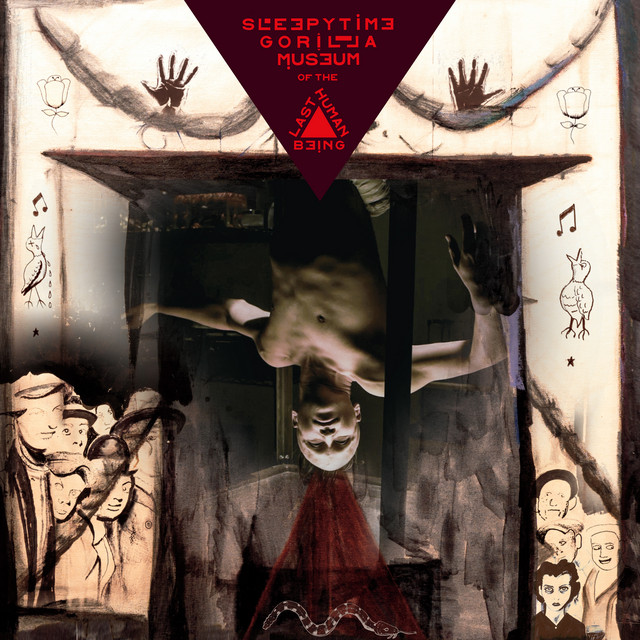
of the Last Human Being
Sleepytime Gorilla Museum
Rock In Opposition
Avant-Prog
Avant-Garde Metal
2024
1
/5
Hush, Hush
Sleepytime Gorilla Museum
Avant-Prog
Rock In Opposition
Avant-Garde Metal
2023
1
/5
Burn Into Light
Sleepytime Gorilla Museum
Rock In Opposition
Avant-Prog
2007
1
/5
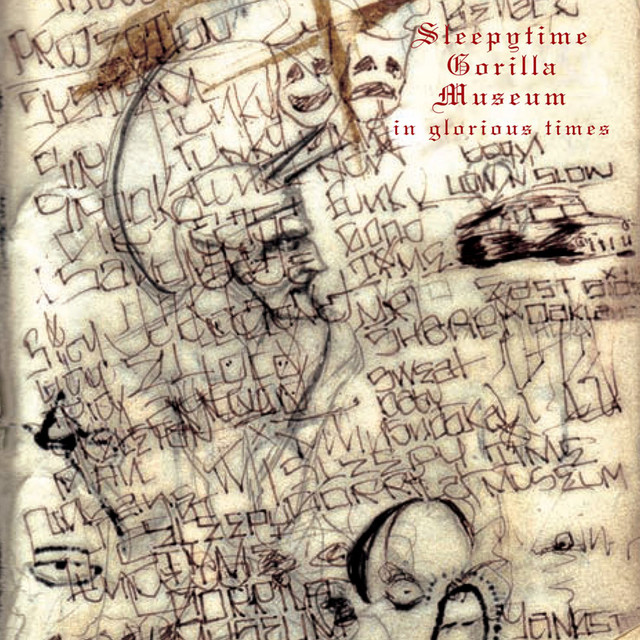
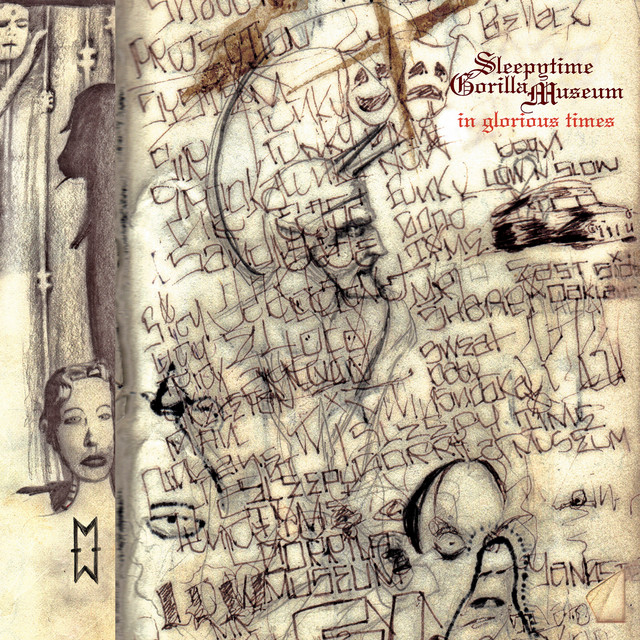
In Glorious Times
Sleepytime Gorilla Museum
Rock In Opposition
Avant-Prog
2007
1
/5
In Glorious Times
Sleepytime Gorilla Museum
Rock In Opposition
Avant-Prog
Art Rock
2006
1
/5
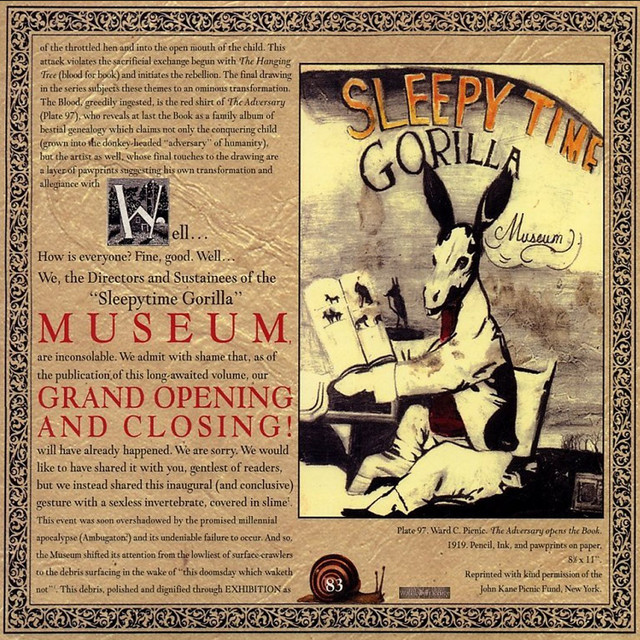
Grand Opening And Closing
Sleepytime Gorilla Museum
Rock In Opposition
Avant-Prog
Art Rock
2004
1
/5
Of Natural History
Sleepytime Gorilla Museum
Rock In Opposition
Avant-Prog
Death Metal
2001
2
/5
Grand Opening And Closing
Sleepytime Gorilla Museum
Rock In Opposition
Avant-Prog
2001
1
/5
Grand Opening And Closing
Sleepytime Gorilla Museum
Rock In Opposition
Avant-Prog
Art Rock
Similar artists
1
/5
Aksak Maboul
Rock In Opposition
Avant-Prog
Experimental
1
/5
Kayo Dot
Avant-Garde
Experimental
Avant-Garde Metal
1
/5
Henry Cow
Rock In Opposition
Art Rock
Canterbury Scene
1
/5
Art Zoyd
Rock In Opposition
Avant-Garde
Avant-Prog
1
/5
Samla Mammas Manna
Rock In Opposition
Avant-Prog
Jazz
1
/5
Univers Zero
Rock In Opposition
Zeuhl
Avant-Prog
3
/5
Frank Zappa
Jazz Rock
Progressive Rock
Avant-Garde
1
/5
John Zorn
Avant-Garde Jazz
Free Improvisation
Jazz
1
/5
Art Bears
Rock In Opposition
Art Rock
Avant-Garde
1
/5
Present
Avant-Prog
Rock In Opposition
Art Rock
Download our mobile app
Get the Melodigging app and start digging for new genres on the go
Download on the App Store
Get it on Google Play
© 2026 Melodigging
Give feedback
Legal
Melodding was created as a tribute to
Every Noise at Once
, which inspired us to help curious minds keep digging into music's ever-evolving genres.