Genres
Artists
Albums
Make Music
Sign in
Sign in
Artists
Bolero
Artists
Bolero
Trio Surdina
1954–2014
·
2 albums
Listen
1
/5
Genres
Baião
Baião is a dance rhythm and song genre from Northeastern Brazil, characterized by a driving 2/4 groove led by the trio pé-de-serra: accordion (sanfona), zabumba (a double-headed bass drum), and triangle. Its hallmark is the syncopated interplay between the zabumba’s low and high strokes, a shimmering triangle ostinato, and accordion melodies that alternate between earthy, modal flavors and bright, diatonic hooks. Developed in rural contexts and urbanized on Brazilian radio, baião became a foundational pillar for the broader forró scene. Lyrically, classic baiões often reflect the sertão (semi-arid hinterland), drought, migration, longing (saudade), and everyday love and humor. The style’s compact harmonies, strong groove, and memorable refrains helped it travel far beyond its region, shaping Brazilian popular music for decades.
Discover
Listen
Marchinha
Marchinha (marchinha de carnaval) is the classic, breezy song form of Brazil’s Carnival, especially associated with Rio de Janeiro’s street festivities. It is light, catchy, and built for mass singalongs, typically set in a jaunty 2/4 march pulse with simple, diatonic harmonies and a memorable refrain (estribilho). Lyrics are humorous, satirical, and playful—full of puns, double entendres, and topical references—inviting call-and-response between band and crowd. Instrumentation draws on small brass/woodwind bands (banda de coreto) plus percussion, creating an upbeat, processional feel designed for dancing in blocos and parades.
Discover
Listen
Bolero
Bolero is both a Spanish dance-music form from the late 18th century and, later, a Cuban song style from the late 19th century. The Spanish bolero emerged as a moderately slow solo or partner dance in 3/4 time, shaped by Andalusian song-dance traditions. It typically features guitar accompaniment and castanets, and its sung texts often follow the seguidilla stanza pattern. In Cuba, bolero evolved into a romantic ballad—most often in 2/4 (later also felt in 4/4)—performed by singers, trios, and salon ensembles. Cuban bolero emphasizes intimate, lyrical melodies, guitar-led accompaniment (often with requinto), and gentle Afro-Caribbean rhythmic undercurrents (habanera feel, soft bongo, claves), becoming one of Latin America’s quintessential love-song forms.
Discover
Listen
Albums
2014
2
/5
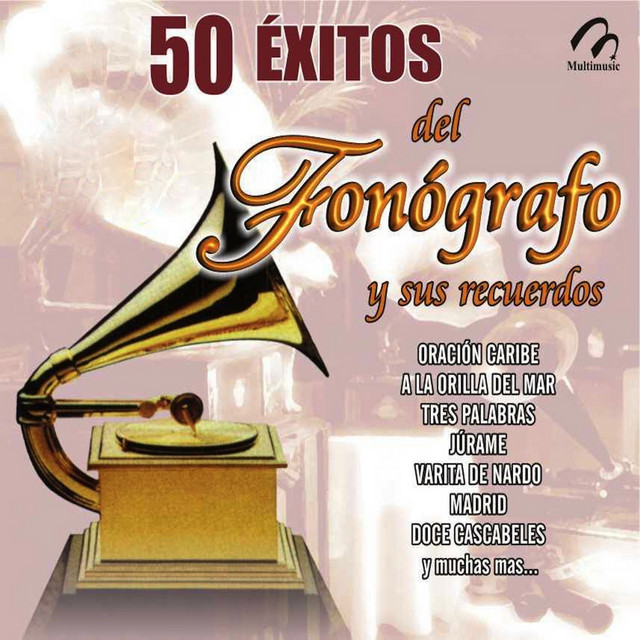
50 Exitos del Fonógrafo y Sus Recuerdos
Trio Surdina
Baião
1954
1
/5
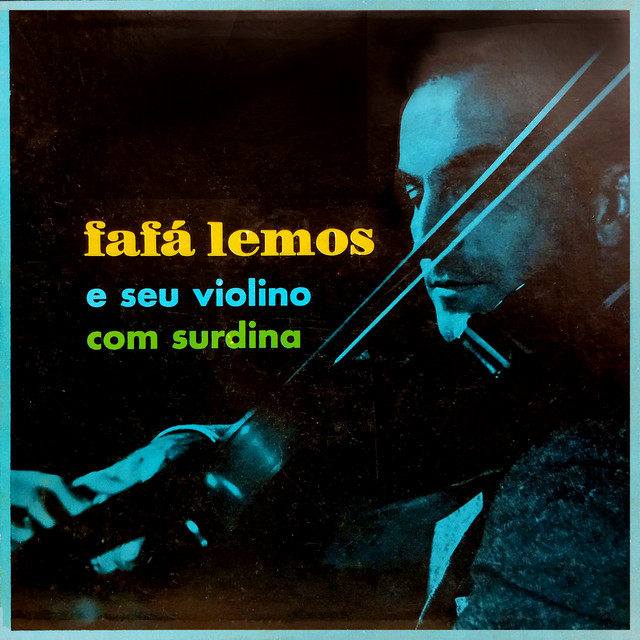
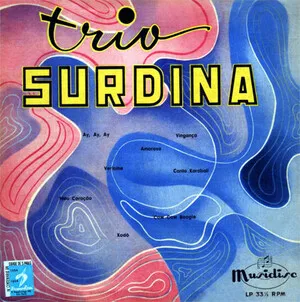
Trio Surdina
Trio Surdina
Marchinha
Similar artists
3
/5
Dominguinhos
Forró
Baião
Mpb
5
/5
Luis Miguel
Bolero
Latin Pop
Mariachi
5
/5
Mon Laferte
Latin Alternative
Latin Pop
Latin Indie
5
/5
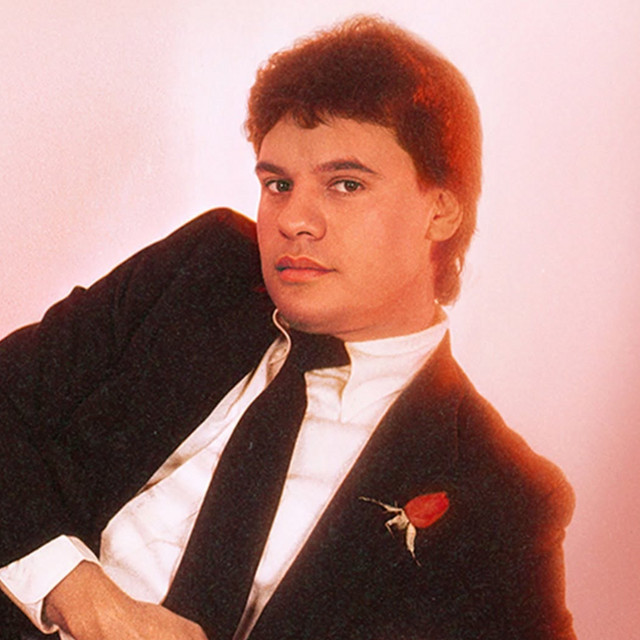
José José
Bolero
Canción Melódica
Ballad
5
/5
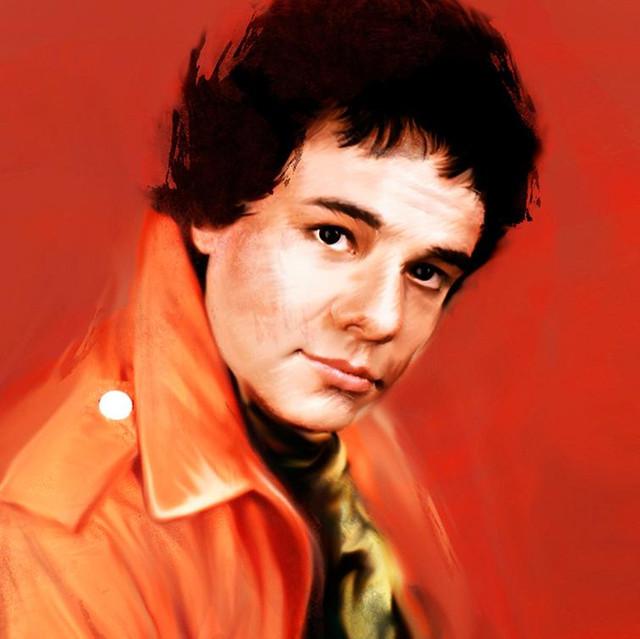
Juan Gabriel
Bolero
Mariachi
Canción Melódica
5
/5
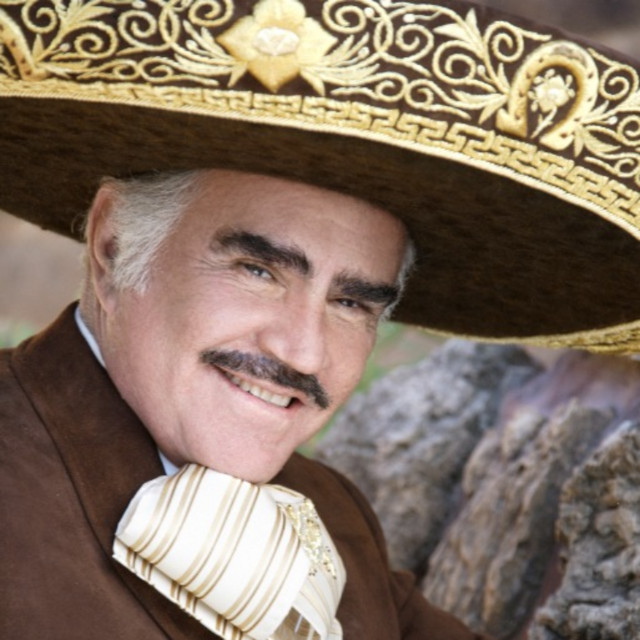
Vicente Fernández
Bolero
Mariachi
Ranchera
4
/5
Alejandro Fernández
Ranchera
Latin
Mariachi
4
/5
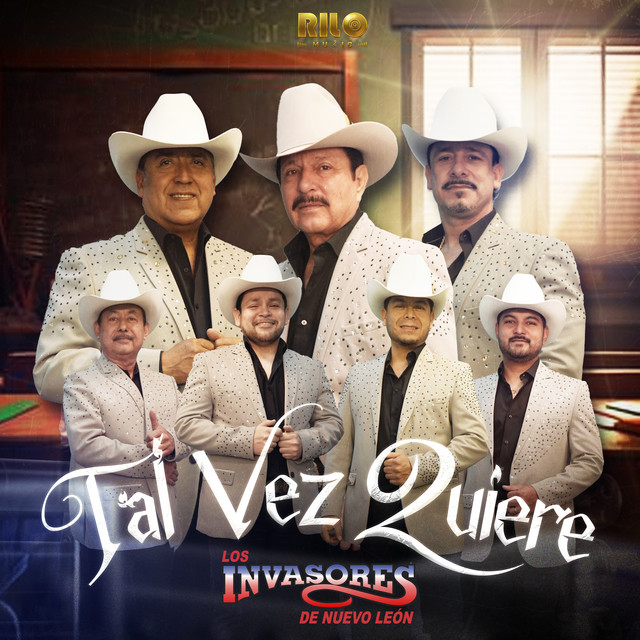
Los Invasores De Nuevo León
Corrido
Banda
Bolero
4
/5
Julio Iglesias
Bolero
Chill Pop
Latin Afrobeat
4
/5
Natalia Lafourcade
Bolero
Latin Folk
Latin
Download our mobile app
Get the Melodigging app and start digging for new genres on the go
Download on the App Store
Get it on Google Play
© 2026 Melodigging
Give feedback
Legal
Melodding was created as a tribute to
Every Noise at Once
, which inspired us to help curious minds keep digging into music's ever-evolving genres.