Genres
Artists
Albums
Make Music
Sign in
Sign in
Artists
Classical
Artists
Classical
Trey Parker
2011
·
1 album
Listen
3
/5
Genres
Free Car Music
Free car music is a hyper-energetic microstyle of internet-born trap built for impact and motion. It favors chaotic, metallic percussion with clanging ride cymbals, rapid hi‑hat rolls, and tense kick build‑ups that release into hard‑hitting drops. Vocals are typically delivered as staggered, punched‑in bars with frequent ad‑libs and abrupt edits, creating a jump‑cut feel that matches the beat’s volatility. Melodic material is sparse and textural—bells, sirens, and distorted synth stabs—leaving space for aggressive 808 slides and clipped masters that feel loud and urgent in a car system. The sound flourished on SoundCloud, YouTube “type beats,” and TikTok snippets, where short, high‑impact loops and “open verse” formats encouraged rapid collaboration and remix culture.
Discover
Listen
Lo Star
Lo star is a streaming-era umbrella tag used to group under-the-radar, low-profile artists who sit on the fringes of indie, alternative, DIY pop, and related scenes. Rather than denoting a single, tightly defined musical vocabulary, it marks a discovery space of self-produced or small-label projects with modest audiences, genre-fluid aesthetics, and a distinctly DIY approach to recording and release. Expect intimate vocals, inexpensive or home-studio production, hybrid acoustic/electronic textures, and songwriting that favors personal storytelling and immediacy over polish. Because it functions as a curatorial category for emerging or niche acts, the sonic palette spans indie rock and folk-pop to bedroom pop and lo-fi electronic, unified by scale, ethos, and distribution more than by strict musical rules.
Discover
Listen
Pov: Indie
"pov: indie" is a social-media-native microstyle built around short, cinematic indie-pop/indie-rock snippets designed to accompany a first-person (POV) narrative. Instead of being defined by a single new musical technique, it is defined by context: the music is chosen or written to feel like the soundtrack to a specific moment (a crush, a late-night walk, moving to a new city, seasonal nostalgia). Sonically it typically uses bright but soft guitars or synths, intimate vocals, simple memorable hooks, and production that reads clearly on phone speakers. The emotional tone is often wistful, tender, and “coming-of-age,” with lyrics that can be understood quickly in a 10–30 second clip.
Discover
Listen
Musical
Musical (musical theatre) is a narrative stage form that integrates songs, spoken dialogue, acting, and dance to tell a story. Its core aim is dramatic storytelling in which music advances plot, deepens character, and shapes emotional arcs, often through recurring motives and reprises. Developed primarily on Broadway (New York) and later the West End (London), the genre blends operetta’s melodic lyricism, vaudeville’s variety entertainment, revue’s song-driven showcase, and Tin Pan Alley’s popular songcraft. Musicals range from intimate chamber pieces to large-scale "megamusicals," and from traditional book musicals to rock, hip‑hop, and concept-driven works. The musical’s songbook has fed the Great American Songbook and popular music at large, while the stage craft has influenced film, television, and concert performance.
Discover
Listen
Show Tunes
Show tunes are songs written for stage musicals and revues, designed to advance plot, reveal character, or provide memorable set‑piece moments. They favor strong, singable melodies, clear structures (often AABA 32‑bar or verse–chorus), witty and narrative lyrics, and orchestrations that support drama and choreography. While rooted in the Great American Songbook, show tunes draw on operetta, vaudeville, ragtime, jazz, and popular songcraft, and they are typically performed by stage voices (from legit to belt) with pit orchestras. Because many became popular standards beyond the theater, show tunes occupy a central place in American popular music and are frequently adapted for cabaret, big band, and vocal jazz.
Discover
Listen
Classical
Classical music is the notated art-music tradition of Europe and its global descendants, characterized by durable forms, carefully codified harmony and counterpoint, and a literate score-based practice. The term “classical” can refer broadly to the entire Western art-music lineage from the Medieval era to today, not just the Classical period (c. 1750s–1820s). It privileges long-form structures (such as symphonies, sonatas, concertos, masses, and operas), functional or modal harmony, thematic development, and timbral nuance across ensembles ranging from solo instruments to full orchestras and choirs. Across centuries, the style evolved from chant and modal polyphony to tonal harmony, and later to post-tonal idioms, while maintaining a shared emphasis on written notation, performance practice, and craft.
Discover
Listen
Albums
2011
4
/5
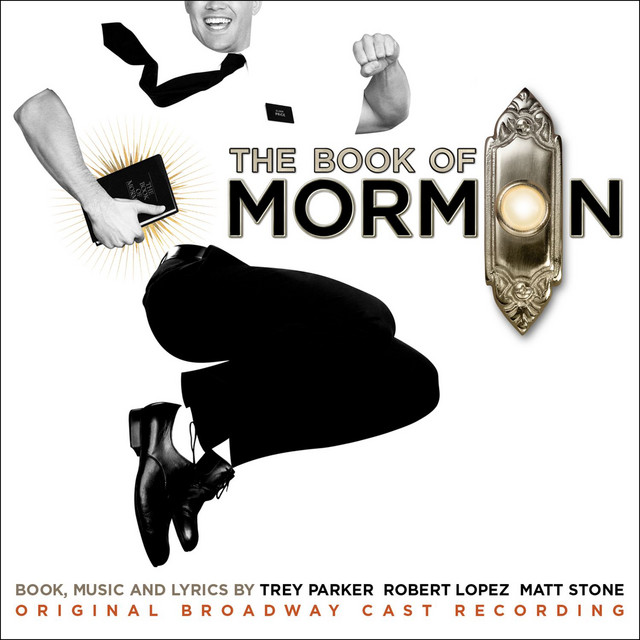
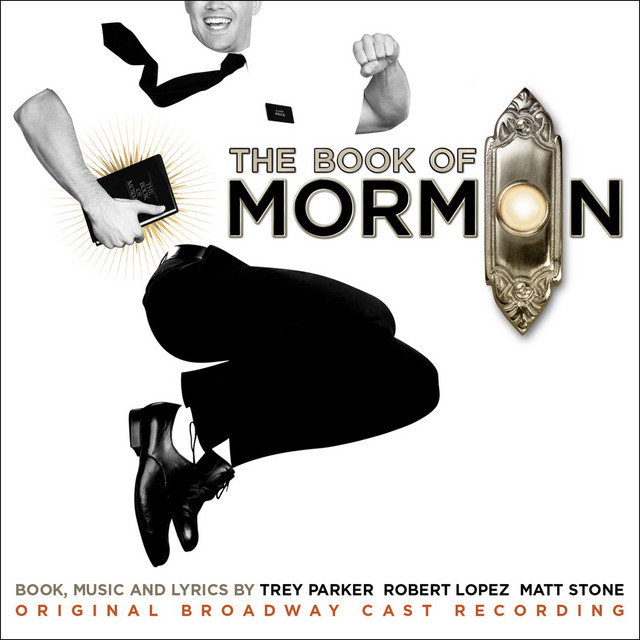
The Book Of Mormon (Original Broadway Cast Recording)
Andrew Rannells
Show Tunes
Classical
Musical
Similar artists
5
/5
Disney
Comedy
Show Tunes
Wrestling
4
/5
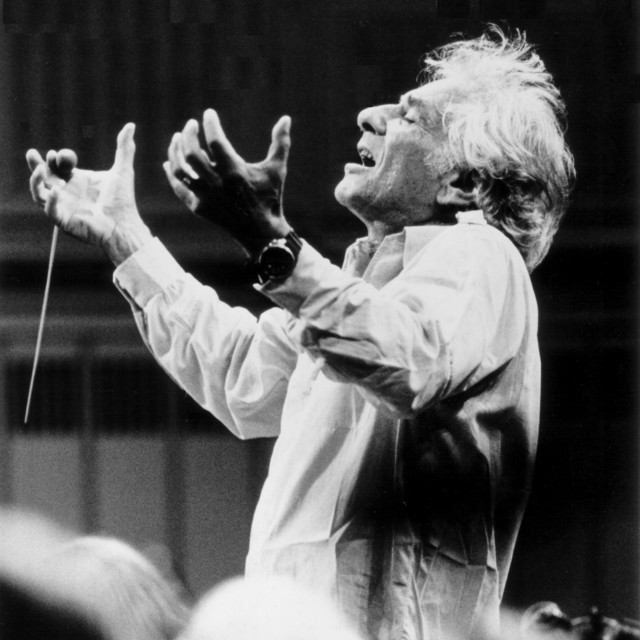
Leonard Bernstein
Orchestral Performance
Classical
Symphony
3
/5
Robert Lopez
Calming Instrumental
Country Dawn
Show Tunes
2
/5
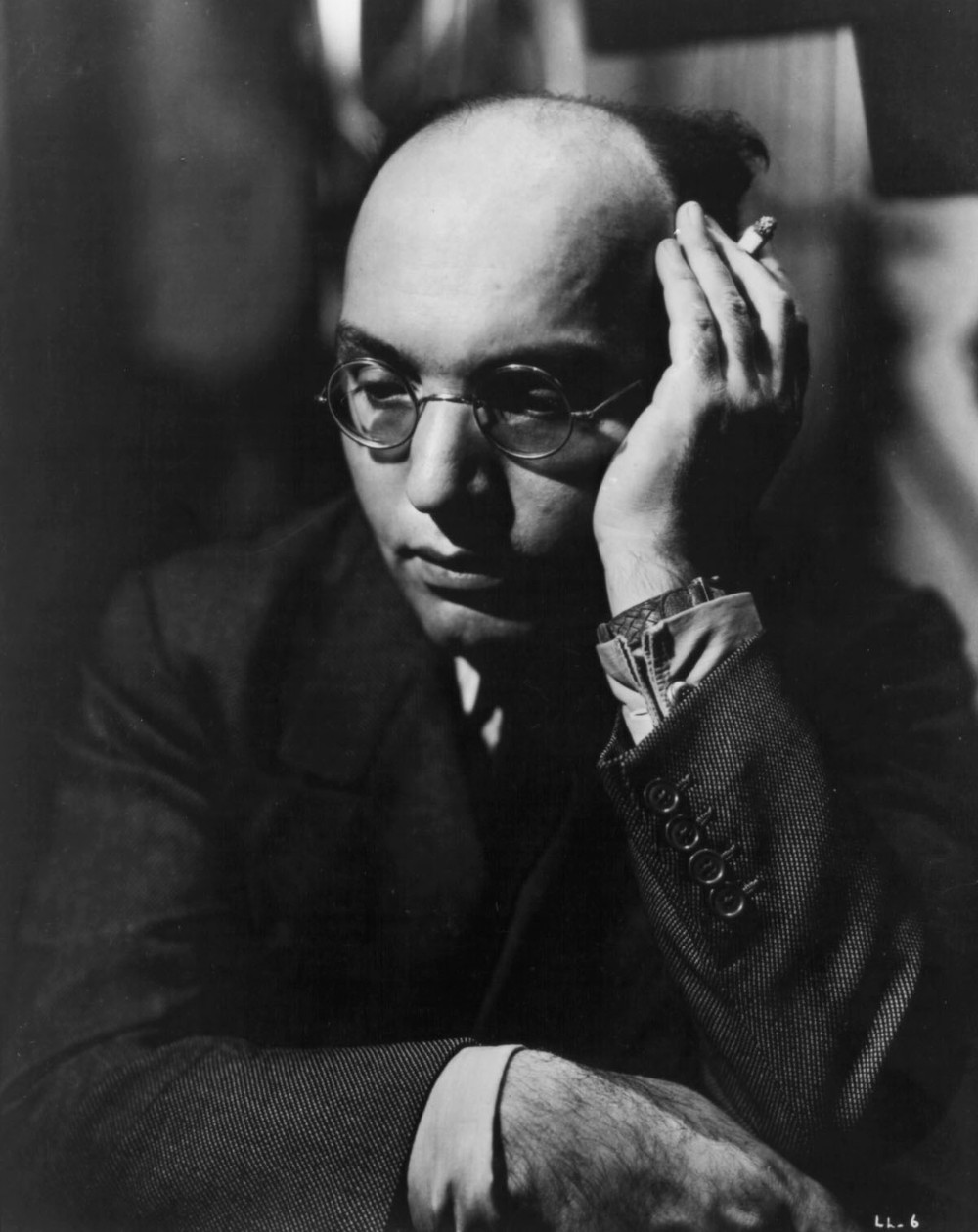
Kurt Weill
Zeitoper
Operetta
Cabaret
2
/5
Lotte Lenya
Cabaret
Zeitoper
German Music
1
/5
Various Artists
Afro-Funk
Alternative Rock
Ambient
Stone, Matt
Classical
Musical
Show Tunes
5
/5
Lady Gaga
Pop
Art Pop
Dance-Pop
5
/5
A.R. Rahman
Bollywood
Filmi
Sufi
5
/5
Hans Zimmer
Country Dawn
Soundtrack
Classical
Download our mobile app
Get the Melodigging app and start digging for new genres on the go
Download on the App Store
Get it on Google Play
© 2026 Melodigging
Give feedback
Legal
Melodding was created as a tribute to
Every Noise at Once
, which inspired us to help curious minds keep digging into music's ever-evolving genres.