Genres
Artists
Albums
Make Music
Sign in
Sign in
Artists
Covertronica
Artists
Covertronica
TommyMuzzic
Listen
4
/5
Genres
Rage
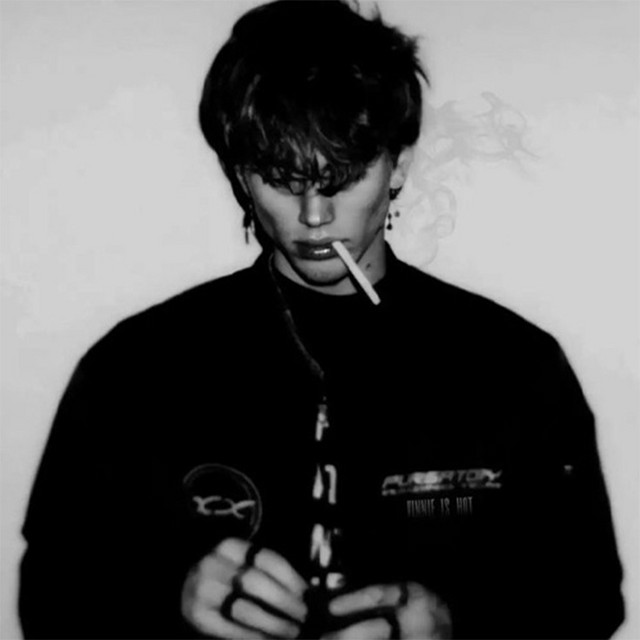
Rage is a high-energy, synth-forward trap production style characterized by bright, detuned supersaw leads, pounding 808s, and fast, looping drum patterns built for explosive rap performances. It emphasizes instant-impact hooks, minimal chord movement, and anthemic drops that feel closer to festival EDM crescendos than traditional hip hop breakdowns. The sound rose from the post–SoundCloud, punk-influenced branch of trap, drawing on the icy simplicity of Playboi Carti’s late-2010s palette and marrying it with trance/eurodance-styled leads and EDM trap dynamics. The result is a glossy, adrenalized bed for shouted, rebellious vocals—music designed for mosh pits, arena stages, and viral snippets alike.
Discover
Listen
Sped-Up Music
Sped-up music is the practice of releasing or circulating versions of existing tracks that have been deliberately accelerated, often with a corresponding pitch raise that produces the classic "chipmunk" timbre. These versions are typically 10–35% faster than the original and are optimized for short‑form video platforms, where quick hooks and heightened energy improve replayability and engagement. While the aesthetic traces back to 2000s nightcore and fan edits on YouTube, the 2020s saw a commercial normalization: labels and artists now issue official “sped up” (and often “slowed”) versions on streaming services. The result is a micro‑genre defined less by unique compositional vocabulary than by a production treatment that recontextualizes mainstream pop, R&B, hip hop, and dance records for viral, danceable, hook‑forward consumption.
Discover
Listen
Covertronica
Covertronica is a microgenre centered on electronically produced cover versions of well‑known songs. Artists retain the recognizability of the original melodies and hooks, but reimagine them with contemporary electronic palettes—glossy synths, side‑chained pads, drum machines, 808s, and modern pop/EDM production. The style thrives on clever reharmonization (e.g., minor/major flips), tempo shifts, and textural redesign, often translating rock, soul, or classic pop into sleek electropop/indietronica frameworks. Vocals are typically polished and upfront, with stacked harmonies, tight autotune as a color (when desired), and arrangement tricks such as filtered intros, half‑time drops, and breakdowns that mirror club and synth‑pop dynamics. Because the repertoire comes from existing songs, covertronica is as much about curatorial taste and arrangement craft as it is about sound design, making it a meeting point between DJ culture’s recontextualization and the singer‑producer era of the internet.
Discover
Listen
Digital Horror
Digital horror is a contemporary horror aesthetic that focuses on dread emerging from networked technologies, software, and always‑on media. Narratives and sound worlds revolve around screens, social platforms, livestreams, malware, deepfakes, and the uncanny presence of algorithmic systems. In music and sound design, the style translates this fear of the digital into glitching textures, corrupted audio artifacts, synthetic drones, and the weaponization of familiar interface sounds (alerts, keyboards, notification pings). It often blends dark ambient, industrial noise, and hauntological sampling to suggest threats that live inside code, clouds, and data centers—consistent with the wider definition that emphasizes anxiety and supernatural menace arising from the Internet and modern media.
Discover
Listen
Flint Sound
Flint sound is a contemporary Michigan rap style centered in Flint, United States. It is characterized by fast, minimal, piano- or organ-led beats, dry and upfront vocals, and bar-by-bar “punch‑in” delivery that often rides slightly ahead of or behind the grid for a conversational, off‑kilter feel. The production typically favors bright piano loops, staccato 808 slides, crisp claps or rimshots, and sparse percussion, leaving plenty of space for relentless punchlines, gritty street reportage, and mischievous humor. While hard-edged and streetwise, the style frequently leans into charismatic personality and wit, making it both aggressive and infectious for dancing.
Discover
Listen
Hard Motivation
Hard motivation is a functional, high-intensity micro-scene that blends the most powerful strains of modern EDM (hardstyle, big-room, trap, and dubstep) with an overt motivational ethos aimed at training, sports, and peak-performance contexts. It privileges explosive drops, distorted kicks, supersaw and screech leads, alarm-like stabs, and stadium-scale builds, often topped by hyped crowd chants or short motivational speeches. The result is music engineered to raise heart rate, focus, and determination—equally at home in the gym, combat sports warm‑ups, esports walk-ins, or highlight reels. While not a traditional genre with strict stylistic boundaries, hard motivation has coalesced online (YouTube, TikTok, streaming playlists) as a recognizable aesthetic that curates the "hardest" moments of EDM into a single, purpose-built sound.
Discover
Listen
Modern Downshift
Modern downshift is a contemporary, playlist-era microgenre that blends hushed alternative pop and alt‑R&B sensibilities with the spaciousness of downtempo and ambient pop. Songs are typically slow to mid‑tempo, minimal in arrangement, and intimate in vocal delivery—often breathy, close‑miked, and confessional. Production emphasizes warmth and negative space: soft sub‑bass, restrained percussion, reverb‑washed pads or guitars, and gentle saturation that keeps the overall texture velvety and nocturnal. Lyrically, the style skews introspective and late‑night: relationships, vulnerability, quiet self‑reflection, and the emotional afterglow of parties or city drives. The result is music that feels low‑key and cinematic—designed as much for solitary listening as for low‑light social settings.
Discover
Listen
Slowed And Reverb
Slowed and reverb is an internet-born remix practice in which an existing track is pitched slightly down, time‑stretched, and soaked in reverberation to create a woozy, cinematic feel. The processing emphasizes space, sustain, and tail‑decay so that vocals smear and harmonies bloom while transients soften. The approach lends a nostalgic, nocturnal tint to everything from chart pop and R&B to indie and hip hop. It is less about genre boundaries than a shared, affect‑driven aesthetic: intimate, melancholic, and immersive—optimized for headphones, late‑night listening, and short‑form video contexts.
Discover
Listen
Popwave
Popwave is a song‑forward branch of synthwave that fuses glossy 1980s pop aesthetics with contemporary electronic production. Where classic synthwave often favors instrumental, cinematic moods, popwave puts vocals and hooks at the center: big choruses, radio‑ready structures, and emotive lyrics about youth, night drives, neon‑lit romance, and bittersweet nostalgia. Sonically it leans on analog‑styled polysynths, driving eighth‑note basslines, gated‑reverb drums, shimmering guitars, and frequent sax or lead‑guitar cameos—yet it’s mixed and mastered to modern pop standards. The result is a style that feels simultaneously retro and current: the color and optimism of 80s chart pop, filtered through the songwriting discipline of today’s electropop and the sound design DNA of synthwave.
Discover
Listen
Transpop
Transpop is a contemporary pop micro-scene centered on transgender and gender‑expansive artists and narratives. It blends glossy pop songwriting with internet‑native production aesthetics drawn from hyperpop, electropop, and bedroom pop. Stylistically, it favors hook‑forward melodies, bright synths, pitched and processed vocals, and beat palettes that oscillate between four‑on‑the‑floor dance-pop and trap‑influenced rhythms. Lyrically it foregrounds identity, euphoria, dysphoria, love, self‑fashioning, and chosen family, often with a confessional, diaristic tone. While global and community‑driven, the sound coalesced online (SoundCloud/Discord/TikTok) and in indie queer club spaces, making it both danceable and emotionally candid.
Discover
Listen
Nightcore
Nightcore is an internet-born editing style that speeds up and pitch‑raises existing songs—typically by around a third in speed—so the vocals become brighter and more youthful and the groove turns more urgent. Practically, a classic nightcore edit accelerates a pop, Eurodance, or trance source by roughly 20–35% (the canonical meme is ~35%), which also lifts the pitch by about five and a half semitones—similar to playing a 33⅓‑rpm record at 45 rpm. The result is euphoric, hook‑forward, and highly kinetic, and it is often presented with anime or fan‑art visuals that emphasize its internet‑native identity.
Discover
Listen
Show all 11 genres
Similar artists
4
/5
Alok
Brazilian Bass
Electronic
Electro House
5
/5
David Guetta
Dance
Electronic
House
5
/5
Calvin Harris
Electro House
Progressive House
Electronic
5
/5
Lil Peep
Emo Rap
Cloud Rap
Hip Hop
5
/5
HUGEL
Afro House
Latin House
Techengue
5
/5
Tiësto
Dance
Trance
Brostep
5
/5
Bebe Rexha
Dance-Pop
Pop
Candy Pop
5
/5
Alan Walker
Electro House
Electronic
Future Bass
5
/5
Rammstein
Industrial
Industrial Metal
Industrial Rock
5
/5
League of Legends
Blues Rock
Chamber Pop
Modern Blues
Download our mobile app
Get the Melodigging app and start digging for new genres on the go
Download on the App Store
Get it on Google Play
© 2026 Melodigging
Give feedback
Legal
Melodding was created as a tribute to
Every Noise at Once
, which inspired us to help curious minds keep digging into music's ever-evolving genres.