Genres
Artists
Albums
Make Music
Sign in
Sign in
Artists
Chamber Music
Artists
Chamber Music
Thomas Martin
1992
·
1 album
Listen
1
/5
Genres
Contrabass
Contrabass (double bass) as a classical genre centers on music written to feature the lowest member of the violin family as a solo and chamber instrument, as well as concertante works with orchestra. Emerging at the end of the Classical era and flowering in the Romantic period, the repertoire ranges from elegant Viennese concertos with distinctive historical tunings to virtuosic 19th‑century showpieces and 20th/21st‑century modernist and post-tonal works. The idiom exploits the instrument’s cavernous resonance, lyrical cantabile in the upper register, and a wide coloristic palette (arco, pizzicato, harmonics, sul ponticello/tasto). Hallmarks include cantabile melodies supported by orchestral or piano textures, idiomatic passagework using positions and harmonics, and cadenzas that highlight the instrument’s surprising agility and expressive range.
Discover
Listen
Chamber Music
Chamber music is a tradition of composed music for small ensembles—typically one player per part—intended for intimate spaces such as courts, salons, and private rooms rather than large public halls. Its aesthetic emphasizes clarity of texture, conversational interplay among parts, and balance without a conductor. Hallmark formations include the string quartet, piano trio, wind quintet, string quintet, and various mixed ensembles. Multi‑movement cycles (often in sonata form) and finely wrought counterpoint are common, ranging from Baroque trio sonatas to Classical string quartets and modern works with expanded timbres and techniques. Because of its scale and transparency, chamber music has long been a proving ground for compositional craft and ensemble musicianship, shaping the core of Western art music from the Baroque through the present.
Discover
Listen
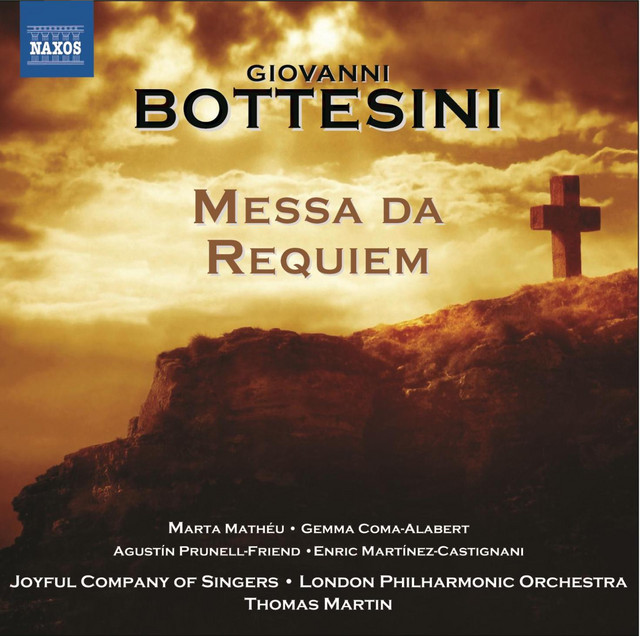
Requiem
A requiem is a musical setting of the Roman Catholic Mass for the Dead (Missa pro defunctis). Historically rooted in Latin liturgy, it sets movements such as the Introit, Kyrie, (historically) the Sequence Dies irae, Offertory, Sanctus, Agnus Dei, and Communion, and often includes additional responsories like Libera me and In paradisum. While the earliest requiems were monophonic chants, the genre became a showcase for polyphonic and later symphonic choral writing. Renaissance composers wrote austere, modal settings; Classical and Romantic composers expanded the forces and dramatic scope; and 20th–21st century composers reimagined the form with new languages, from neo-modal and impressionistic harmonies to avant‑garde sonorities. Today, requiems appear both in liturgy and as concert works, symbolizing collective mourning, remembrance, and spiritual reflection.
Discover
Listen
Albums
1992
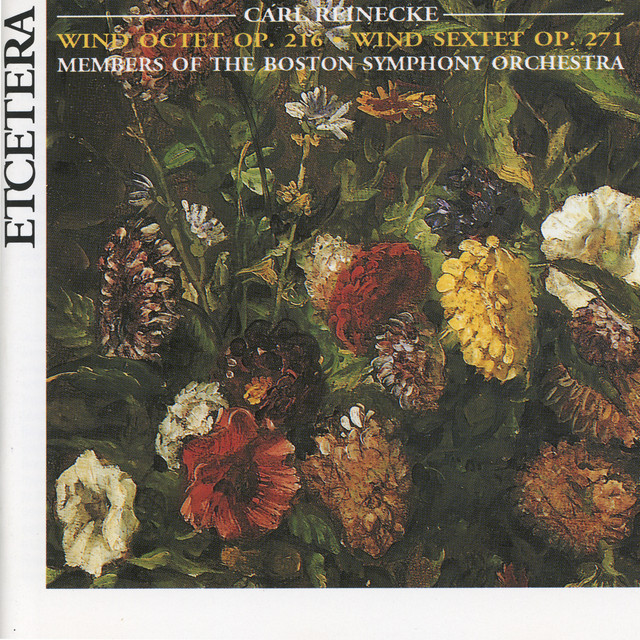
Carl Reinecke, Wind Octet Op. 216, Wind Sextet Op. 271, World premiere recording
Carl Reinecke, Thomas Martin, Keisuke Wakao, Fenwick Smith
Contrabass
Similar artists
2
/5
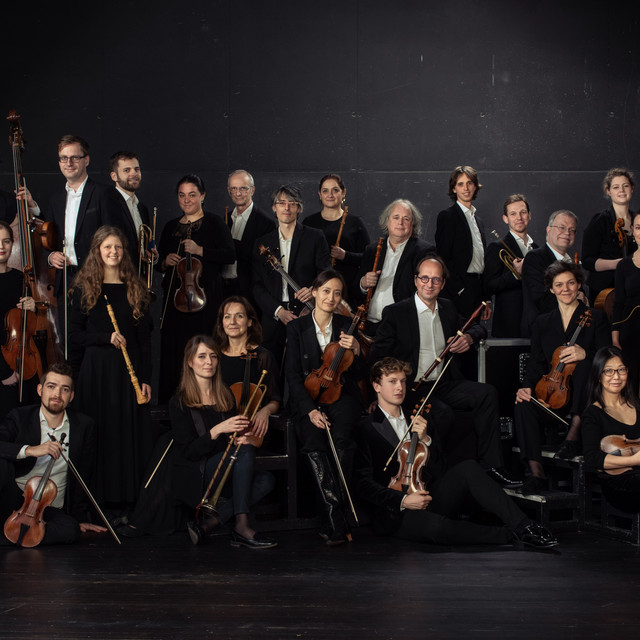
Franz Liszt Chamber Orchestra
Classical
Baroque
Concerto
4
/5
Wolfgang Amadeus Mozart
Classical
Requiem
Classical Period
4
/5
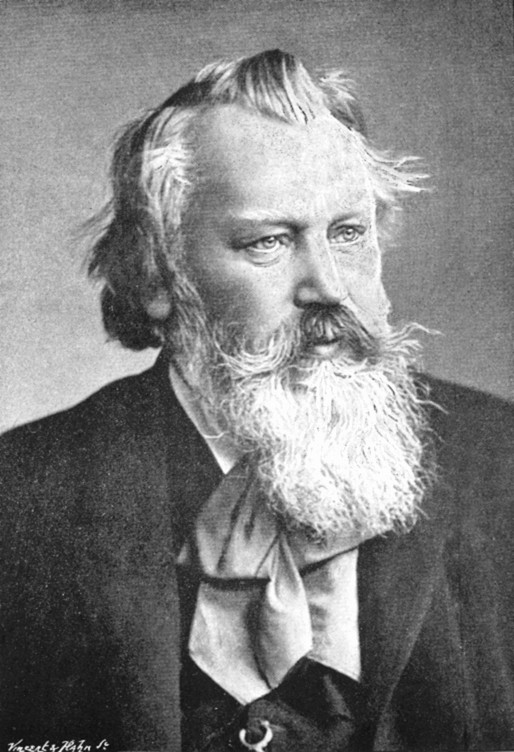
Johannes Brahms
Classical Clarinet
Classical Piano Quartet
Concerto
3
/5
Orchestre de Chambre de Lausanne
Chamber Orchestra
Chamber Music
Classical
2
/5
Il Gardellino
Baroque
Chamber Music
Concerto
2
/5
Paul Dombrecht
Baroque
Chamber Music
Classical
2
/5
Vaclav Luks
Bohemian Baroque
Chamber Music
Requiem
2
/5
Les Violons du Roy
Baroque
Chamber Music
Classical
2
/5
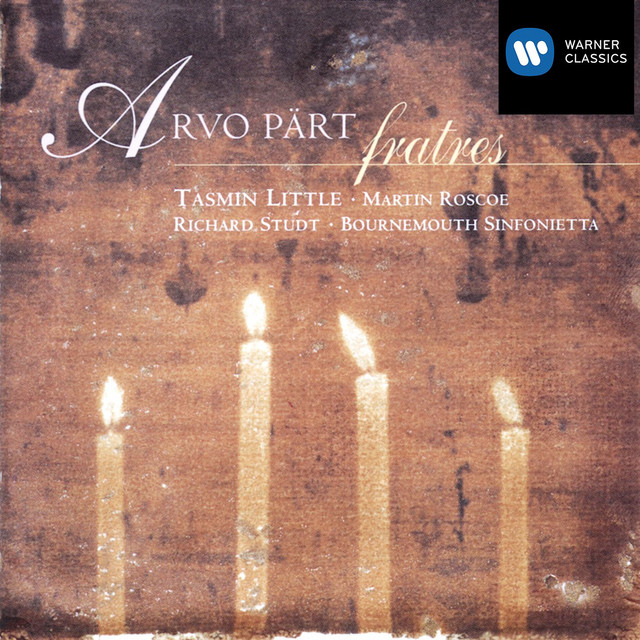
Bournemouth Sinfonietta
Chamber Orchestra
Chamber Music
Classical
2
/5
L'Achéron
Chamber Music
Requiem
Baroque Ensemble
Download our mobile app
Get the Melodigging app and start digging for new genres on the go
Download on the App Store
Get it on Google Play
© 2026 Melodigging
Give feedback
Legal
Melodding was created as a tribute to
Every Noise at Once
, which inspired us to help curious minds keep digging into music's ever-evolving genres.