Genres
Artists
Albums
Make Music
Sign in
Sign in
Artists
Baroque
Artists
Baroque
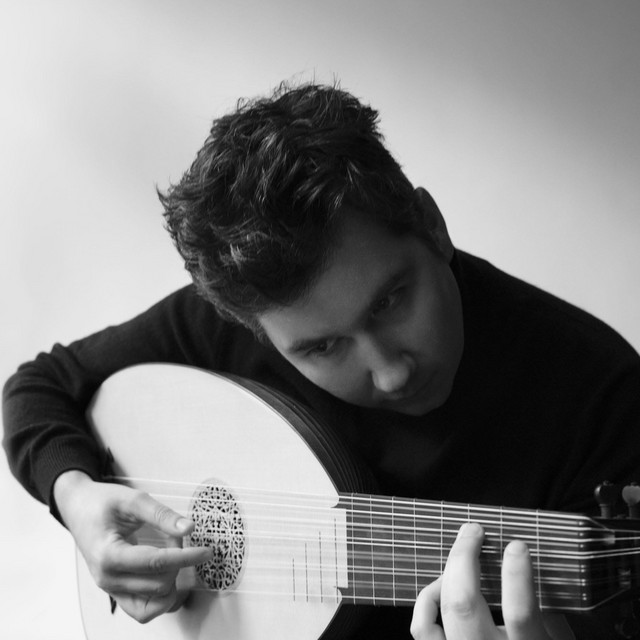
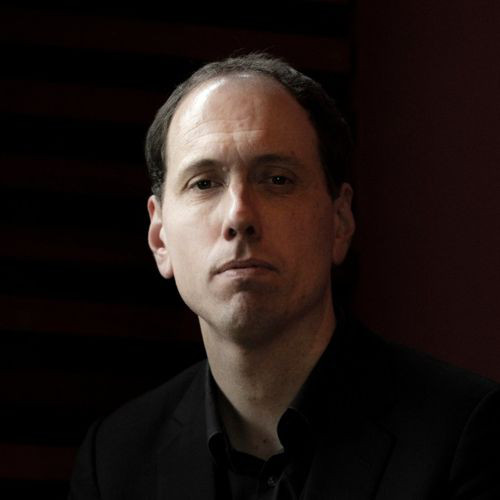
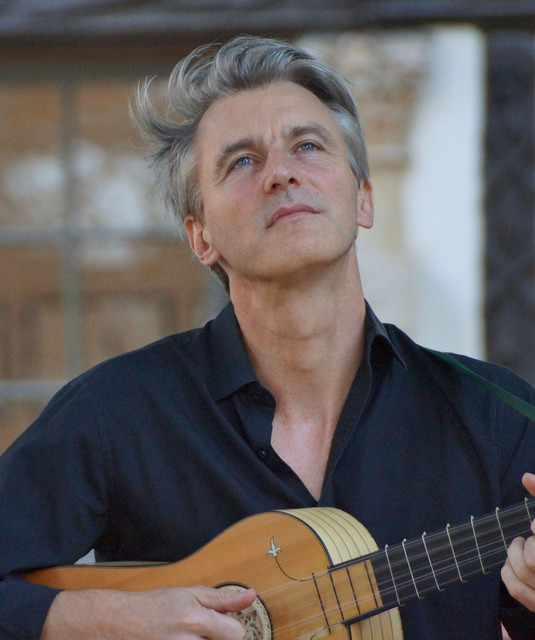
Thomas Dunford
2023
·
1 album
Listen
3
/5
Genres
Pet Calming
Pet calming is a functional micro‑genre designed to reduce stress and arousal in companion animals—primarily dogs and cats—during triggering situations such as owner absence, fireworks, vet visits, thunderstorms, or travel. Musically it favors very slow tempos, sparse arrangements, soft timbres (piano, pads, gentle strings, warm guitars), long sustains, smooth envelopes, and stable, consonant harmonies. Dynamics are kept narrow and transients are tamed to avoid startle responses. Many releases add gentle environmental ambiences (rain, ocean, rustling leaves) or unobtrusive pink/white‑noise beds to mask external sounds. Structures are highly repetitive with gradual variation so the soundscape feels predictable and safe. While aimed at non‑human listeners, the genre is informed by animal‑behavior findings (e.g., predictable low‑arousal sound reduces stress) and by human relaxation idioms (ambient, new age, lullaby). It is commonly delivered as long‑form, streaming‑friendly content that owners can loop for hours.
Discover
Listen
Early Music
Early music is a modern performance movement devoted to the repertoire of the Medieval, Renaissance, and early Baroque eras (roughly before c. 1750), approached with historically informed performance (HIP) practices. It emphasizes period instruments (or faithful replicas), historical tunings and temperaments, original notations and sources, and performance conventions documented in treatises of the time. The sound world ranges from monophonic chant and modal organum, to intricate Renaissance polyphony, to the emergence of basso continuo and dramatic affect in the early Baroque. Rather than being a single historical style, early music is a contemporary practice of reviving diverse pre‑Classical musics with scholarly rigor and artistic vitality.
Discover
Listen
Baroque
Baroque is a period and style of Western art music spanning roughly 1600–1750. It is characterized by the birth of functional tonality, the widespread use of basso continuo (figured bass), and a love of contrast—between soloist and ensemble, loud and soft, and different timbres. Hallmark genres and forms of the era include opera, cantata, oratorio, concerto (especially the concerto grosso), dance suite, sonata, and fugue. Textures range from expressive monody to intricate counterpoint, and melodies are richly ornamented with trills, mordents, and appoggiaturas. Baroque music flourished in churches, courts, and theaters across Europe, with regional styles (Italian, French, German, English) shaping distinctive approaches to rhythm, dance, harmony, and ornamentation.
Discover
Listen
Baroque Singing
Baroque singing is the vocal practice of the Baroque era (c. 1600–1750), centered on expressive text delivery, rhetorical phrasing, and codified ornamentation. It grew from the shift toward solo song with continuo (monody) and the burgeoning of opera, cantata, and oratorio. Stylistically, it balances two complementary worlds: declamatory recitative (to advance text and drama) and highly ornate aria (to display beauty and virtuosity). Singers employ trills, appoggiaturas, mordents, properly prepared cadential trills, messa di voce, passaggi (rapid runs), and extempore diminutions—always guided by the words’ meaning and Baroque “affects.” Performance practice emphasizes clear diction, flexible but discreet vibrato (often a predominantly straight tone with vibrato as ornament), historically-informed tempi and articulation, and continuo-led textures (harpsichord, theorbo, organ, cello/violone). Pitch and temperament are often historical (e.g., A≈415). Treatises by Caccini, Tosi, and Mancini remain core references for technique, style, and ornamentation.
Discover
Listen
Renaissance
Renaissance music (c. 1400–1600) marks the shift from medieval sonorities to a clearer, triad-based polyphony in which multiple independent voices are treated with near-equal importance. It favors modal counterpoint, pervasive imitation, smooth voice-leading, and carefully prepared cadences. Text intelligibility and expressive text-setting become central concerns, especially in sacred motets and masses and in secular forms like the Italian madrigal and the French chanson. While much of the repertory is a cappella, instrumental consorts (viol, recorder, sackbut, cornett, organ) play a growing role. A steady tactus underpins rhythms, and tuning systems such as meantone temperament shape its characteristic color. Music printing (from 1501) accelerates stylistic diffusion across Europe.
Discover
Listen
Albums
2023
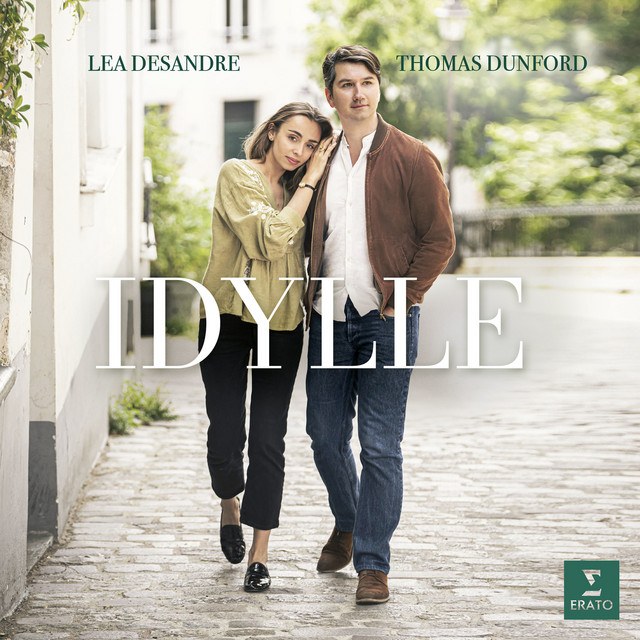
Idylle
Lea Desandre, Thomas Dunford
Baroque Singing
Similar artists
3
/5
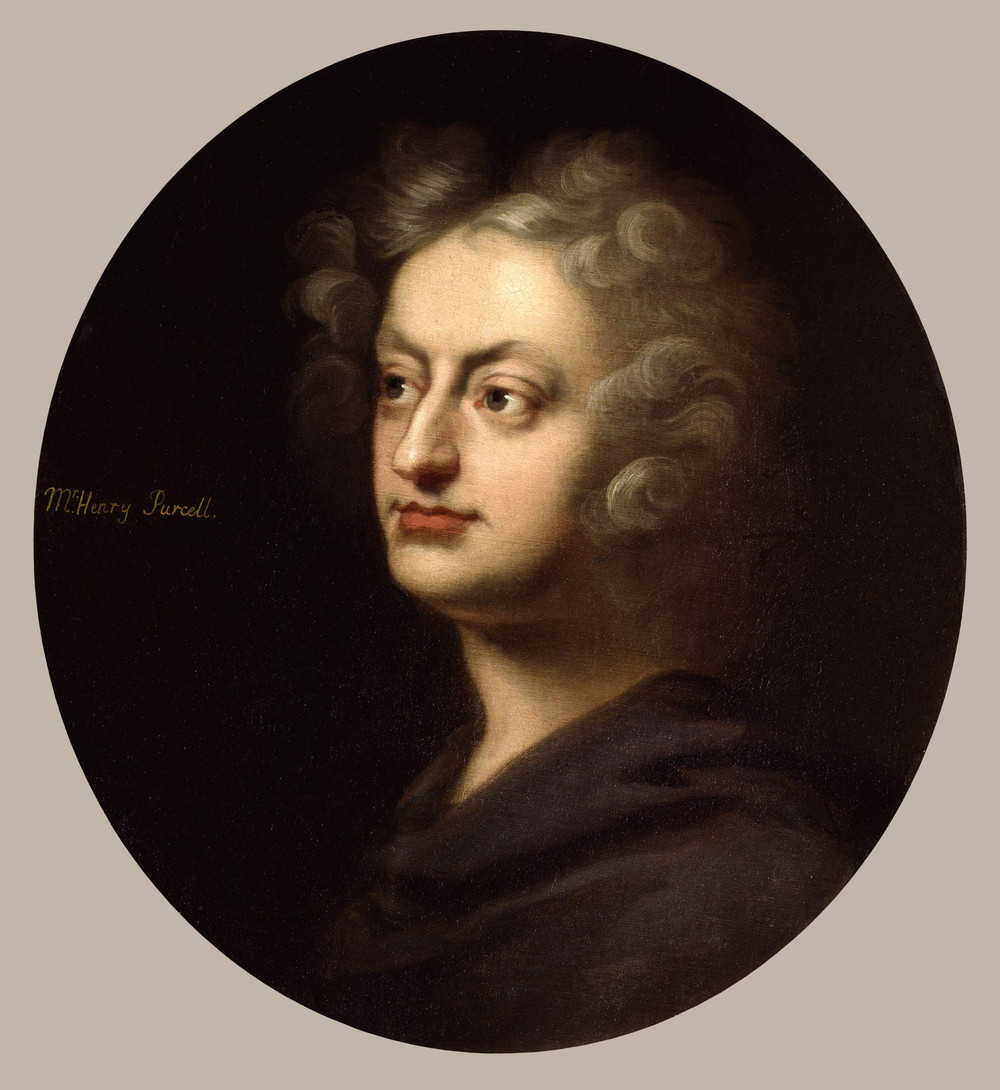
Henry Purcell
Classical
Fantasia
Baroque
3
/5
William Christie
Classical
Opera
Baroque
3
/5
Christina Pluhar
Classical
Italian Folk Music
Baroque
3
/5
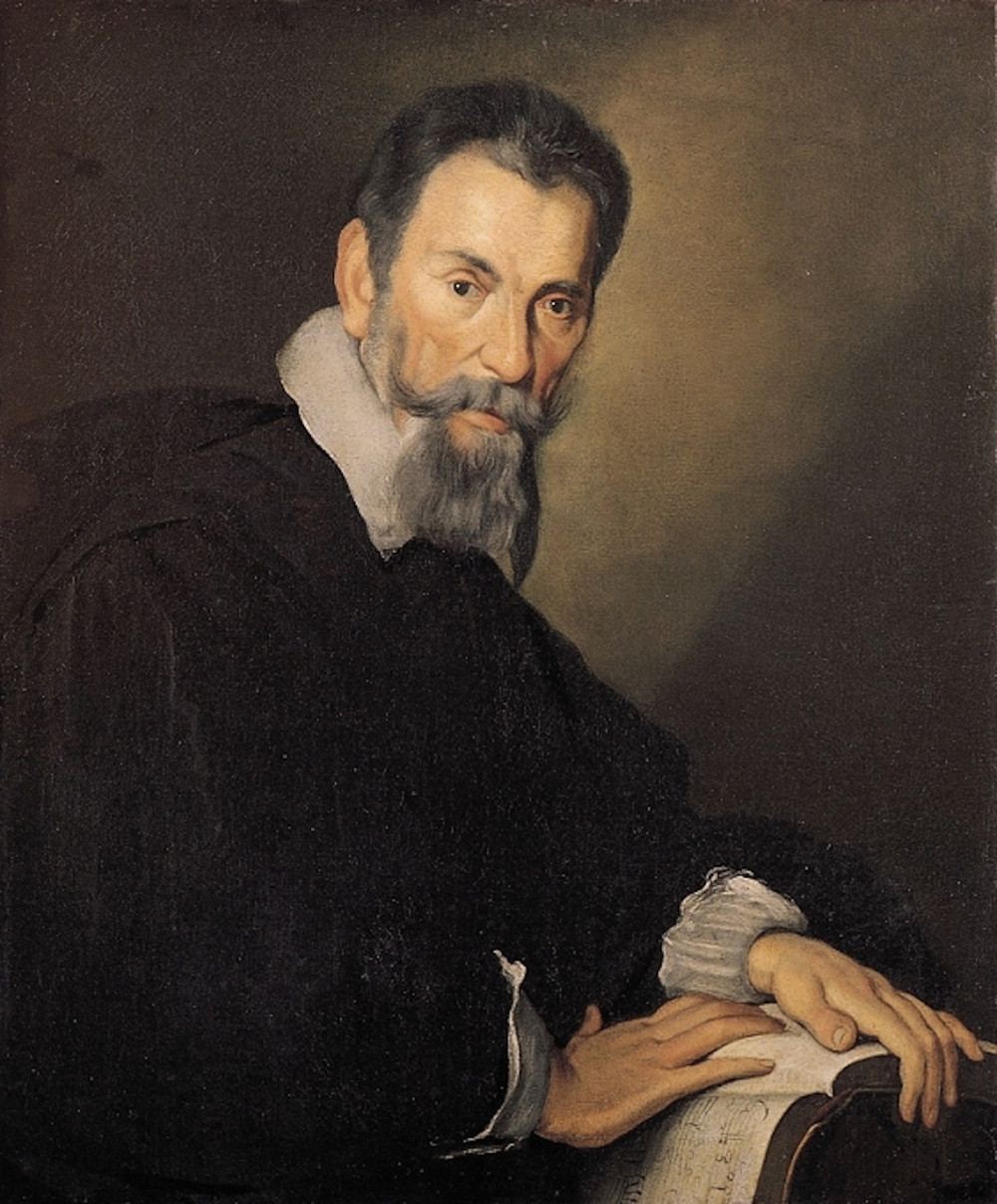
Claudio Monteverdi
Madrigal
Renaissance
Classical
3
/5
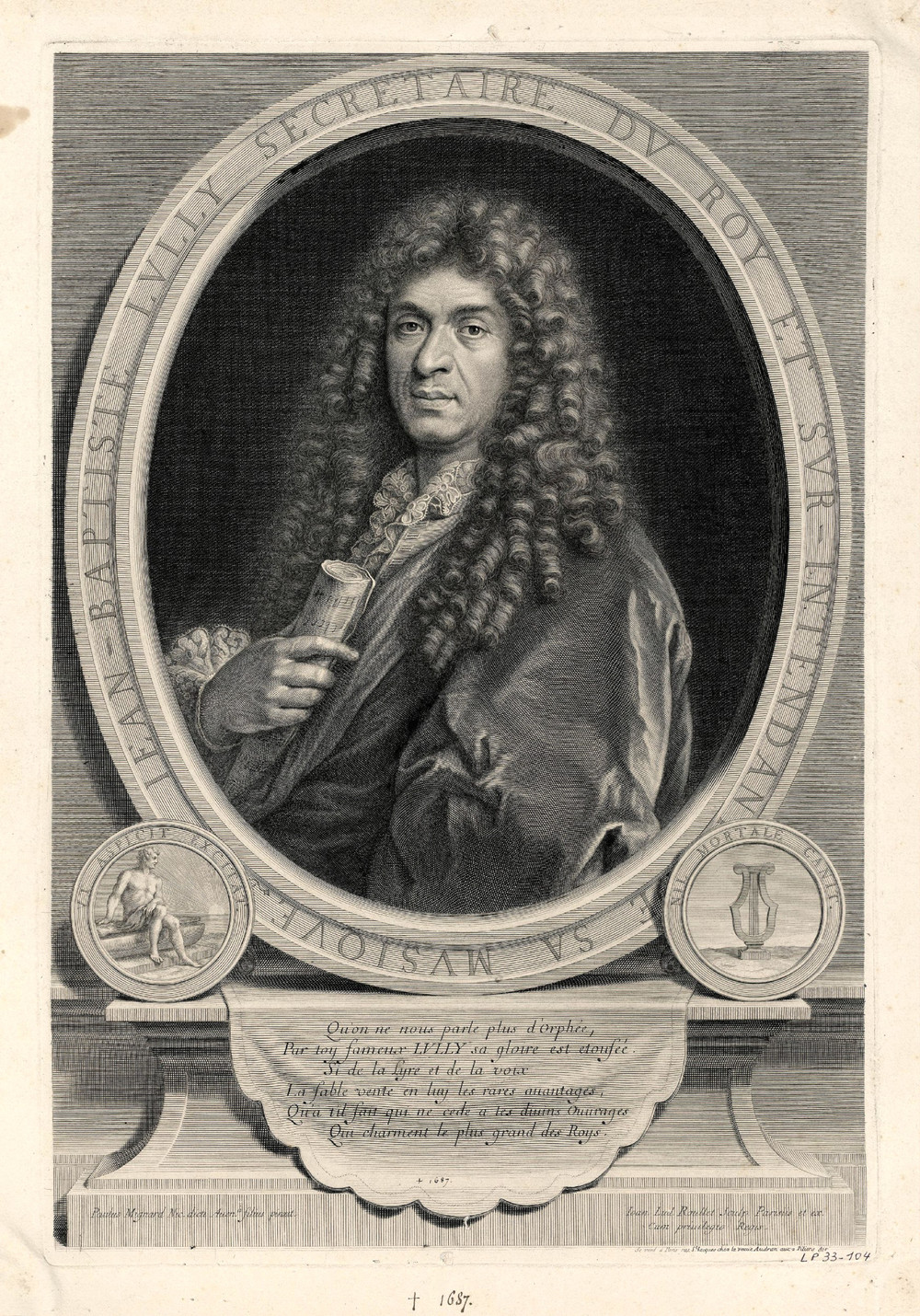
Jean-Baptiste Lully
Tragédie En Musique
Baroque
Classical
3
/5
Raphael Pichon
Baroque
Classical
Choral
3
/5
Les Arts Florissants
Opera
Classical
Tragédie En Musique
3
/5
Lionel Meunier
Requiem
Baroque
Choral
2
/5
Vincent Dumestre
Renaissance
Classical
Baroque
2
/5
Vox Luminis
Requiem
Baroque
Choral
Download our mobile app
Get the Melodigging app and start digging for new genres on the go
Download on the App Store
Get it on Google Play
© 2026 Melodigging
Give feedback
Legal
Melodding was created as a tribute to
Every Noise at Once
, which inspired us to help curious minds keep digging into music's ever-evolving genres.