Genres
Artists
Albums
Make Music
Sign in
Sign in
Artists
Trancecore
Artists
Trancecore
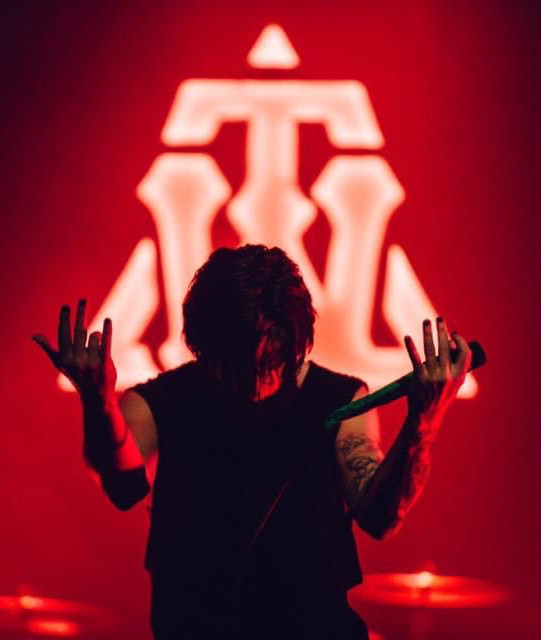
The Word Alive
2010–2025
·
3 albums
Listen
3
/5
Genres
Dungeon Rap
Dungeon rap is a dark, internet-born microgenre that fuses the gloomy, medieval-fantasy atmospheres of dungeon synth with the rhythms, vocal cadences, and low‑end of underground trap and Memphis-influenced rap. Its sound is defined by lo-fi, reverb-soaked synth pads, organ or choir timbres, modal or minor-key melodies reminiscent of dungeon synth, and skeletal 808-driven drum patterns. Vocals (when present) are typically pitched-down, whispered, or deadpan, often dealing with occult, fantasy, and horror imagery. Producers frequently sample retro RPG soundtracks, black metal-adjacent ambient passages, or cassette-era dungeon synth, then anchor them with trunk-rattling subs and crispy hi-hat rolls. The genre coalesced online at the turn of the 2020s through Bandcamp/YouTube scenes and boutique labels, crystallizing a distinct aesthetic that feels equal parts crypt-ambient and street-level rap.
Discover
Listen
Chill Pop
Chill pop is a contemporary pop micro‑genre that blends radio‑friendly songwriting with the mellow textures of chillout and lo‑fi aesthetics. It favors soft vocals, smooth synths, clean guitar plucks, understated bass, and relaxed, mid‑tempo grooves. Instead of big, bombastic hooks, chill pop tends toward intimate, conversational melodies and minimal, airy arrangements. Production often borrows from bedroom pop and alternative R&B—subtle trap hi‑hats, warm saturation, roomy reverbs, and gentle side‑chain compression—to create a breezy, pastel sound palette well suited to playlists and late‑night listening. Lyrically, chill pop is introspective and relatable: romance, longing, gentle optimism, and coming‑of‑age themes delivered in a plain‑spoken, whisper‑close tone. The result sits between indie pop’s understated cool and mainstream pop’s catchy structures, optimized for the streaming era’s mood‑driven consumption.
Discover
Listen
Electronic Djent
Electronic djent is a hybrid microgenre that fuses the palm‑muted, polyrhythmic chug and extended‑range guitar vocabulary of djent with the sound design, structures, and drops of modern electronic music. Producers and guitarists build songs around tight, syncopated low‑string riffs, then interweave synth basses, arpeggiators, glitch edits, and half‑time drops drawn from dubstep, drum & bass, and IDM. The result feels at once mechanical and cinematic: staccato guitars lock to quantized drums while side‑chained pads and digital ‘wub’ basses breathe in the spaces between the accents. Although largely instrumental, the genre ranges from sleek, futuristic ‘chip‑djent’ and synthwave‑tinted palettes to heavier industrial and bass‑music crossovers. It is a quintessential internet‑era style: written in DAWs, shared on Bandcamp/YouTube, and refined by tight community feedback loops.
Discover
Listen
Flint Sound
Flint sound is a contemporary Michigan rap style centered in Flint, United States. It is characterized by fast, minimal, piano- or organ-led beats, dry and upfront vocals, and bar-by-bar “punch‑in” delivery that often rides slightly ahead of or behind the grid for a conversational, off‑kilter feel. The production typically favors bright piano loops, staccato 808 slides, crisp claps or rimshots, and sparse percussion, leaving plenty of space for relentless punchlines, gritty street reportage, and mischievous humor. While hard-edged and streetwise, the style frequently leans into charismatic personality and wit, making it both aggressive and infectious for dancing.
Discover
Listen
Gaming Edm
Gaming EDM is a bright, hook‑driven branch of electronic dance music tailored for online gaming, streaming, and creator culture. It blends festival‑ready drops and sidechained supersaws with melodic, video‑game–friendly timbres (arpeggiated leads, chip/8‑bit flourishes) and clean royalty-friendly production that sits well under voice chat or commentary. The songs are typically concise, high‑energy, and instantly catchy, engineered to loop well on streams and to sync to highlight reels and esports content.
Discover
Listen
Hard Motivation
Hard motivation is a functional, high-intensity micro-scene that blends the most powerful strains of modern EDM (hardstyle, big-room, trap, and dubstep) with an overt motivational ethos aimed at training, sports, and peak-performance contexts. It privileges explosive drops, distorted kicks, supersaw and screech leads, alarm-like stabs, and stadium-scale builds, often topped by hyped crowd chants or short motivational speeches. The result is music engineered to raise heart rate, focus, and determination—equally at home in the gym, combat sports warm‑ups, esports walk-ins, or highlight reels. While not a traditional genre with strict stylistic boundaries, hard motivation has coalesced online (YouTube, TikTok, streaming playlists) as a recognizable aesthetic that curates the "hardest" moments of EDM into a single, purpose-built sound.
Discover
Listen
Nu-Metalcore
Nu‑metalcore (often nicknamed "nu‑core") blends the bounce, hip‑hop inflections, and downtuned groove of late‑1990s nu metal with the breakdown‑heavy aggression and precise syncopation of 2000s metalcore. Expect sharply gated, low‑tuned riffs, halftime drops, and elastic grooves that swing between punchy chugs and percussive, djent‑like accents. Vocals typically jump from harsh screams and pitched‑down growls to rap‑leaning cadences and hooky, melodic choruses. Electronic textures—turntable cuts, glitch edits, sub‑drops, and 808 layers—are common, supporting a glossy yet crushing modern production aesthetic. Lyrically, the style carries nu metal’s confessional angst and social frustration while adopting metalcore’s cathartic intensity and mosh‑centric energy. The result is a contemporary, club‑ready heaviness that feels both nostalgic and forward‑looking.
Discover
Listen
Bytebeat
Bytebeat is a minimalist form of algorithmic music in which very short computer programs (often a single arithmetic expression) generate raw PCM audio directly. It typically uses 8-bit integer math and a running time counter t to produce harsh, glitchy, melody-like patterns, rhythms, and textures through bitwise operations, shifts, modular arithmetic, and simple integer multiplications. The aesthetic sits between chiptune timbres and noise art: crunchy aliasing, stepping waveforms, and emergent structure arise from extremely compact code. First popularized online in 2011, bytebeat is as much a programming puzzle as it is a musical style, celebrated for revealing how complex musical behaviors can emerge from ultra-simple rules.
Discover
Listen
Post-Post-Hardcore
Post-post-hardcore is a polished, third-wave offshoot of post-hardcore that crystallized in the 2010s. It fuses the genre’s emotive, dynamic vocals and tension-release structures with modern pop hooks, electronic programming, and metalcore heft. Compared with classic post-hardcore, it favors glossy production, radio-leaning choruses, and hybridized textures—think syncopated djent-lite riffs under bright synths, EDM-style risers and drops, half-time breakdowns, and call-and-response vocals (screamed versus soaring cleans). The result is an accessible yet intense sound that thrives in the internet era of playlists, YouTube covers, and scene cross-pollination.
Discover
Listen
Trap Edm
Trap EDM (often called EDM trap) is a fusion of Southern U.S. hip hop trap rhythms with the build–up/drop architecture and sound design of electronic dance music. It typically runs at 140 BPM with a halftime feel (or 70–75 BPM), featuring 808 sub‑bass, crisp snare/clap on the third beat, rapid 1/16 to 1/32 hi‑hat rolls, brass or synth stabs, and big festival‑style drops. Unlike rap-oriented trap, Trap EDM is primarily instrumental and designed for large dance floors and festivals, emphasizing dramatic risers, tension–release dynamics, and heavy low‑end impact.
Discover
Listen
Bass Trap
Bass trap is a high-energy electronic dance music style that merges trap’s halftime hip-hop drum language with festival-scale sound design. It is defined by hard-hitting 808-style sub-bass, punchy snare/clap patterns, rapid hi-hat figures, and aggressive synth or bass “growls” borrowed from modern bass music. Tracks are typically built for big drops and crowd impact, using tension-heavy builds, sudden silences, and explosive low-end releases.
Discover
Listen
Bossbeat
Bossbeat is an internet‑born, high‑octane branch of EDM tailored to evoke the intensity of a video‑game “boss fight.” Producers fuse modern dubstep and trap sound design with melodic, leitmotif‑driven writing borrowed from video game music and film scoring, aiming for cinematic build‑ups and explosive, riff‑like drops. Characteristic features include minor‑key motifs, fast and syncopated percussion, halftime switch‑ups, aggressive bass design (growls, reeses, metallic FM), and hybrid orchestral layers (brass stabs, choirs, epic drums). The result is music that feels both dance‑floor ready and narratively dramatic—perfect for action montages, game content, and creator culture.
Discover
Listen
Deep Metalcore
Deep metalcore is a modern, emotive strain of metalcore that emphasizes downtuned, weighty guitar work, atmospheric layering, and emotionally candid vocals. It often pairs crushing, syncopated riffs and breakdowns with soaring, melodic choruses and ambient textures. Production tends to be polished and bass-forward, with extended-range guitars (7–8 strings), prominent sub‑lows, and tight, sample‑reinforced drums. Vocals move between harsh screams/growls and anthemic cleans, while lyrics frequently explore introspection, anxiety, relationships, and resilience. Compared with classic 2000s metalcore, deep metalcore leans more into djent-like rhythmic intricacy, post-hardcore melodicism, and cinematic sound design, creating a blend that feels both aggressive and atmospheric.
Discover
Listen
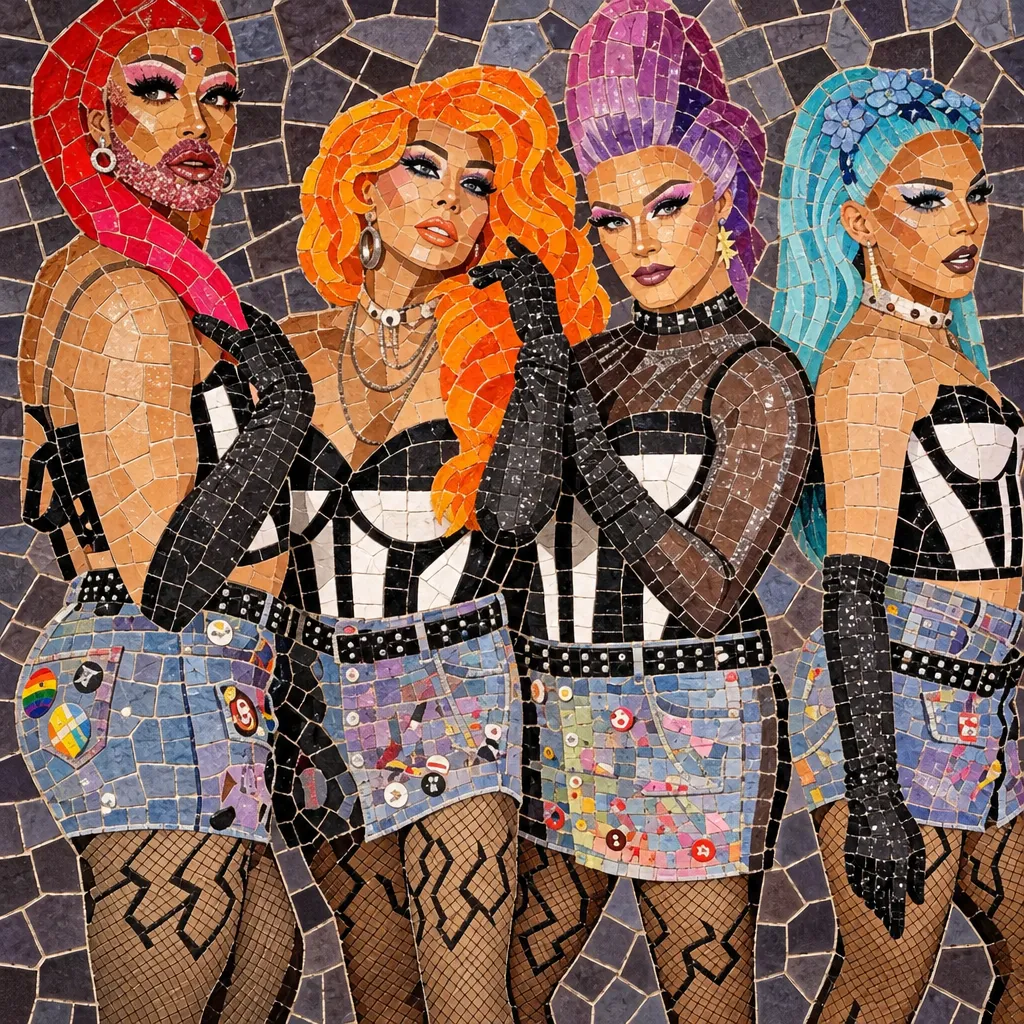
Draga
Draga is a Spanish‑language drag‑pop scene centered in Mexican queer nightlife and online culture. It blends high‑camp theatrics, witty and often satirical lyrics, and club‑ready production informed by electropop, reggaeton/dembow, moombahton, and ballroom vogue aesthetics. Tracks are typically hook‑driven and performance‑oriented—designed to work both as standalone pop singles and as lip‑sync or live show centerpieces. Vocals often mix melodic choruses with spoken attitude, ad‑libs, and punchline‑style one‑liners. The sound palette favors glossy synths, bouncy low‑end, clap‑heavy reggaeton grooves, and big, glittering drops, while visuals and persona are inseparable from the music’s meaning and impact.
Discover
Listen
Motivation
Motivation is a functional, cross-genre style designed to inspire action, confidence, and perseverance. It blends modern pop and EDM energy with cinematic/orchestral builds and post-rock textures to create an uplifting, triumphant arc. Arrangements typically move from a sparse, contemplative opening (piano, pads, delayed guitars) into steadily layered drums, rhythmic ostinatos, and wide, anthemic choruses. Major keys, bright synths, claps, stomps, and chantable hooks are common, while harmonic progressions favor familiar, optimistic cycles (e.g., I–V–vi–IV) that signal resolve and forward motion. Originally tied to production and library music for promos, sports, tech launches, and YouTube storytelling, Motivation has become a recognizable aesthetic across advertising, fitness culture, and personal development media.
Discover
Listen
Progressive Deathcore
Progressive deathcore is a fusion of deathcore’s crushing heaviness and breakdown-centric aggression with the adventurous songcraft, technicality, and textural breadth of progressive metal. Hallmarks include extended-range guitars (7–9 strings) in very low tunings, polymetric “djent”-leaning grooves, rapid meter changes, and long-form structures that move well beyond verse/chorus. You’ll hear a blend of palm‑muted syncopation, angular technical riffs, sweeping leads, and atmospheric keyboards or orchestration that add space between punishing passages. Vocals typically alternate between low growls, layered screams, and occasional clean passages; production is tight, modern, and punchy. Lyrically, the style often departs from deathcore’s horror tropes to explore sci‑fi, philosophy, cosmic imagery, and introspective themes, matching the music’s expansive, cinematic scope.
Discover
Listen
Gaming Dubstep
Gaming dubstep is a high-energy offshoot of modern dubstep tailored for gameplay, esports highlights, and streaming content. It emphasizes explosive drops, cinematic builds, and hyper-detailed sound design that cuts through voice chat and game SFX. Typically centered around 140 BPM with a half-time groove, it blends brostep aggression, riddim simplicity, and melodic dubstep breakdowns. Producers favor bright, wide leads for anthemic choruses and gritty, midrange-focused bass timbres for drops. The result is music that feels epic and adrenalized, built to amplify on-screen action and montage pacing.
Discover
Listen
Glitch Hop Edm
Glitch hop EDM is a bass-heavy, midtempo offshoot of glitch and hip-hop that adopts the large-scale sound design, drops, and festival-ready structures of contemporary EDM. It typically runs around 90–115 BPM with a swung or syncopated hip-hop groove, while employing stutter edits, tape stops, bitcrushing, buffer repeats, granular chops, and intricate automation to create the characteristic "glitched" feel. Tracks often feature thick, modulated basslines; punchy, off-kilter drums; chopped vocals and foley; and harmonies that borrow from jazz, funk, and soul, all arranged in EDM-style buildups and drops.
Discover
Listen
Electronicore
Electronicore is a fusion of post-hardcore/metalcore and electronic dance music. It blends down-tuned, chugging guitars, double-kick breakdowns, and screamed/clean call-and-response vocals with club-ready synths, sidechained pads, risers, and drop-centric song structures. Typical tracks juxtapose verses rooted in metalcore energy with EDM-style builds and explosive drops that can reference trance, electro house, or dubstep. Production is as central as performance: sequenced arpeggios, supersaws, wobble/growl basses, and glitch edits are arranged alongside live drums or tight sample-reinforced kits. Lyrically, electronicore keeps the emotive intensity of post-hardcore—introspection, catharsis, and youth-culture themes—while adopting EDM’s hook-forward choruses and festival scale.
Discover
Listen
Trancecore
Trancecore is a branch of hardcore techno that fuses the relentless drive of 4/4 hardcore kicks with soaring, euphoric motifs and sound design borrowed from trance. Built around high BPMs, supersaw leads, emotional chord progressions and dramatic breakdowns, it balances toughness and uplift: pounding low‑end and clipped, distorted kicks supporting expansive pads, arpeggios and melodic hooks. The result is a style that feels both aggressive and ecstatic, engineered equally for dancefloor impact and cathartic release.
Discover
Listen
Metalcore
Metalcore is a fusion of hardcore punk’s urgency and ethos with heavy metal’s riff language and technicality. It is defined by tightly palm‑muted riffs, rapid double‑kick drumming, and frequent breakdowns—rhythmic, syncopated passages written to accentuate impact and crowd movement. Vocals typically alternate between harsh screams or growls and, in many bands, soaring clean choruses—a contrast that emphasizes both aggression and catharsis. Harmony and melody often borrow from melodic death metal, yielding minor‑key leads, harmonized guitars, and hook‑driven refrains. Modern production favors precise editing, dense guitar layering, and punchy drum sounds that keep complex rhythms clear at high intensity.
Discover
Listen
Hardcore
Hardcore (often called hardcore techno in its early form) is a fast, aggressive branch of electronic dance music characterized by heavily distorted, punchy 4/4 kick drums, tempos ranging from roughly 160 to well over 200 BPM, and a dark, high‑energy aesthetic. It emphasizes percussive drive over complex harmony, using clipped and saturated kick-bass sound design, sharp hi-hats, claps on the backbeat, and harsh synth stabs or screeches. Vocals, when present, are typically shouted hooks, sampled movie lines, or crowd chants processed with distortion and effects. Originating in the Netherlands in the early 1990s, the style quickly splintered into related scenes and subgenres such as gabber, happy hardcore, Frenchcore, terrorcore, speedcore, and later hardstyle. Its culture is closely associated with large-scale raves, specialized labels, and distinctive visual branding.
Discover
Listen
Post-Hardcore
Post-hardcore is a branch of hardcore punk that retains the style’s urgency and DIY ethos while expanding its musical vocabulary. Bands push beyond breakneck tempos and simple power-chord progressions into more dynamic song structures, varied rhythms, and a wider emotional range. Guitars often alternate between caustic distortion and clean, chiming textures; vocals can shift from shouted slogans to melodic singing; and arrangements emphasize tension-and-release, odd meters, and dramatic builds. Lyrically, post-hardcore tends to be more introspective and socially conscious than its hardcore roots, touching on personal, political, and philosophical themes.
Discover
Listen
Emocore
Emocore (short for emotional hardcore) is a style of hardcore punk distinguished by intensely personal, confessional lyrics, dynamic song structures, and a heightened emphasis on melody and expressivity. It grew from the Washington, D.C. punk scene as musicians sought more nuanced ways to channel catharsis beyond the blunt-force speed and aggression of early hardcore. Musically, emocore retains hardcore’s driving rhythms and shouted/sung vocals, but it favors dramatic shifts in tempo and volume, ringing octave chords, crawling clean passages that explode into overdrive, and bass/drum interplay that supports sudden mood changes. Lyrically, it pivots from overt political manifestos toward vulnerability, interiority, relationships, and self-interrogation—without abandoning punk’s DIY ethic and intensity.
Discover
Listen
Show all 24 genres
Albums
2025
2
/5
Eyes Above
The Word Alive
Trancecore
2017
2
/5
Misery
The Word Alive
Trancecore
2010
2
/5
Deceiver
The Word Alive
Electronicore
Metalcore
Similar artists
2
/5
Dead Rabbitts
Flint Sound
Metalcore
Nu-Metalcore
4
/5
We Came As Romans
Trancecore
Melodic Metalcore
Metalcore
4
/5
Asking Alexandria
Emocore
Trancecore
Electronic Djent
5
/5
Bring Me The Horizon
Melodic Metalcore
Post-Hardcore
Screamo
3
/5
I See Stars
Nintendocore
Deathstep
Metalcore
3
/5
Crown The Empire
Post-Post-Hardcore
Metalcore
Post-Hardcore
3
/5
Issues
Nu-Metalcore
Trancecore
Metalcore
4
/5
Falling In Reverse
Rap Metal
Pop Punk
Emo
4
/5
Escape the Fate
Emocore
Emo
Pixie
3
/5
Attack Attack!
Electronic Djent
Emo Revival
Metalcore
Download our mobile app
Get the Melodigging app and start digging for new genres on the go
Download on the App Store
Get it on Google Play
© 2026 Melodigging
Give feedback
Legal
Melodding was created as a tribute to
Every Noise at Once
, which inspired us to help curious minds keep digging into music's ever-evolving genres.