Genres
Artists
Albums
Make Music
Sign in
Sign in
Artists
Doo-Wop
Artists
Doo-Wop
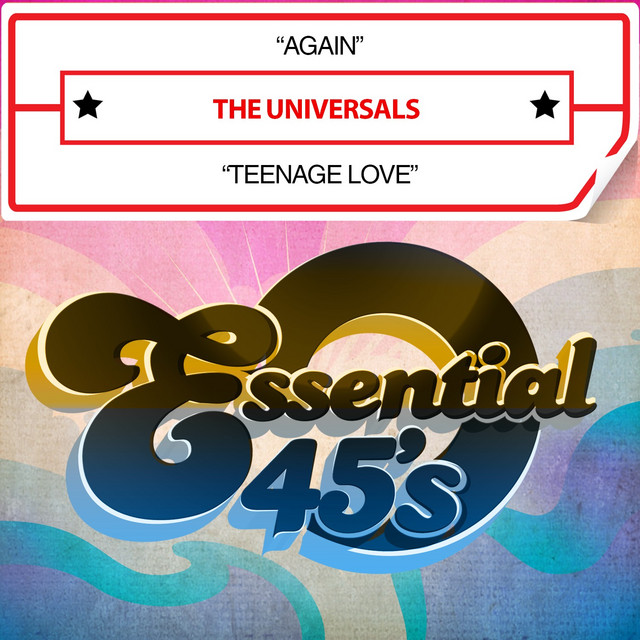
The Universals
2009
·
1 album
Listen
1
/5
Genres
Souldies
Souldies is a modern revival of classic lowrider “oldies” soul—slow, tender ballads rooted in 1960s and early-’70s sweet soul and doo‑wop aesthetics, reimagined by a new generation of largely Chicano/Latinx artists in Southern California. Characterized by warm, analog-leaning production, mellow backbeats, honeyed vocal harmonies, and heart‑on‑sleeve lyricism, the style favors mid‑slow tempos, tape‑like saturation, spring/plate reverb, and minimalist yet expressive arrangements. English and Spanish (or Spanglish) lyrics often explore love, longing, devotion, and cruising/lowrider culture. Souldies sits at the intersection of classic soul, rhythm & blues, northern soul selections, and Latin soul, offering a contemporary, community‑centered sound that feels both timeless and newly personal.
Discover
Listen
Deep Funk
Deep funk is a raw, hard-edged strain of funk that prioritizes drum-and-bass-driven grooves, terse horn stabs, and gritty, unpolished production. Emerging at the tail end of the 1960s, it captures the most stripped-down, rhythm-first aspects of funk—vamps on one or two chords, prominent syncopation, and an emphasis on “the one” —often recorded by regional bands on small labels and released as 7-inch singles. Vocals tend to be call-and-response or fervent shouts, while instruments such as drum kit, electric bass, rhythm guitar, Hammond organ or clavinet, and tight horn sections carry the energy. The term “deep funk” later became associated with crate-dug obscurities and a 1990s/2000s revivalist movement that honored the sound’s rugged, dancefloor-focused aesthetic.
Discover
Listen
Doo-Wop
Doo-wop is a vocal harmony–driven style of rhythm and blues that blossomed in mid-century urban America. Built around lead-tenor melodies, lush background harmonies, and playful nonsense syllables (the source of its name), the genre blends church-bred gospel techniques with street-corner spontaneity. Musically, doo-wop favors simple, singable chord cycles—especially the “’50s progression” (I–vi–IV–V)—a steady 4/4 or lilting 12/8 feel, and call-and-response between lead and backing parts. Arrangements range from a cappella to small combos with guitar, piano, bass, light drums, and occasional saxophone. Lyrically, the songs are often teen-centered: romance, longing, heartbreak, and devotion. The sound emerged in the late 1940s within African-American communities and soon resonated across ethnic lines, inspiring groups in cities such as New York, Philadelphia, Chicago, Detroit, and Los Angeles. Its polished harmonies, sweet ballads, and hooky refrains helped shape early rock and roll and later pop harmony traditions.
Discover
Listen
Albums
2009
2
/5
Florida Funk
The Universals
Deep Funk
Similar artists
1
/5
Various Artists
Afro-Funk
Alternative Rock
Ambient
4
/5
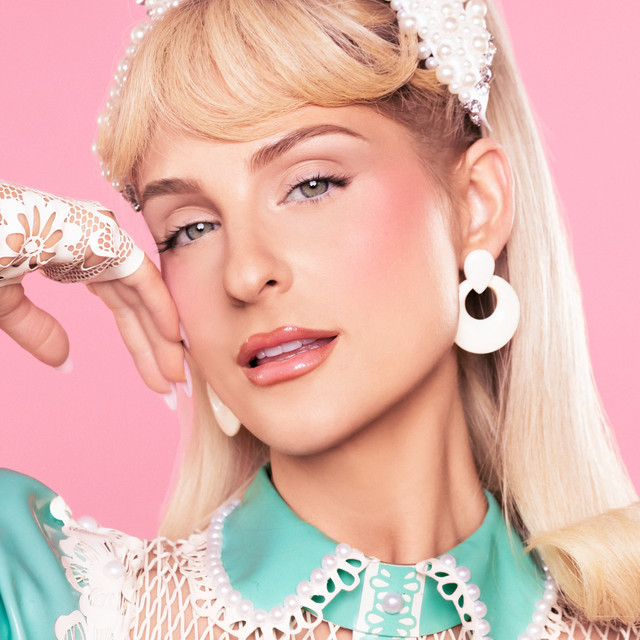
Meghan Trainor
Hip Pop
Doo-Wop
Pop
4
/5
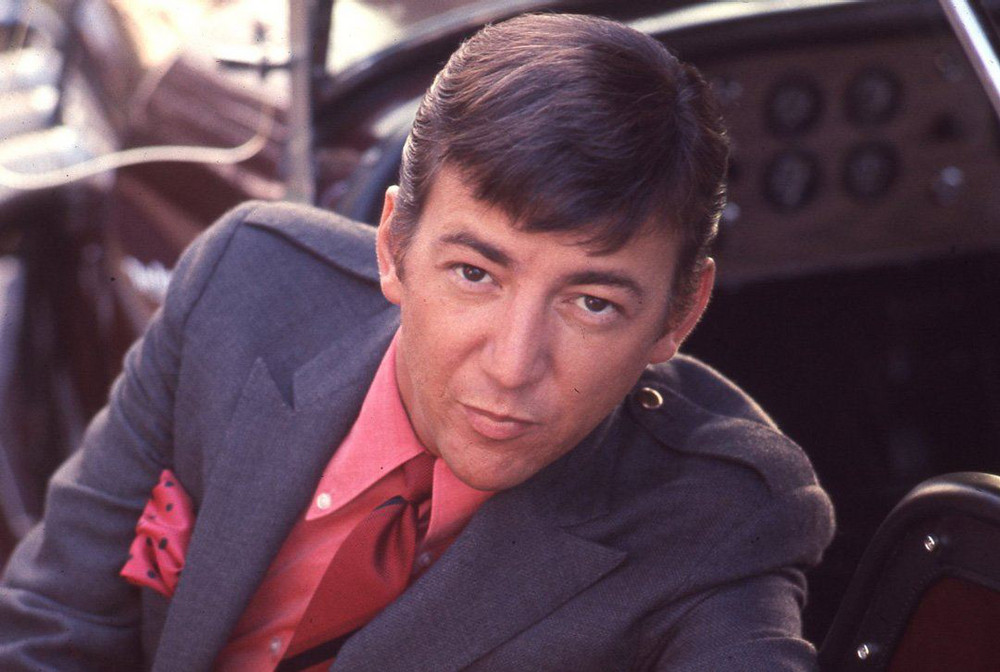
Bobby Darin
Adult Standards
Big Band
Doo-Wop
4
/5
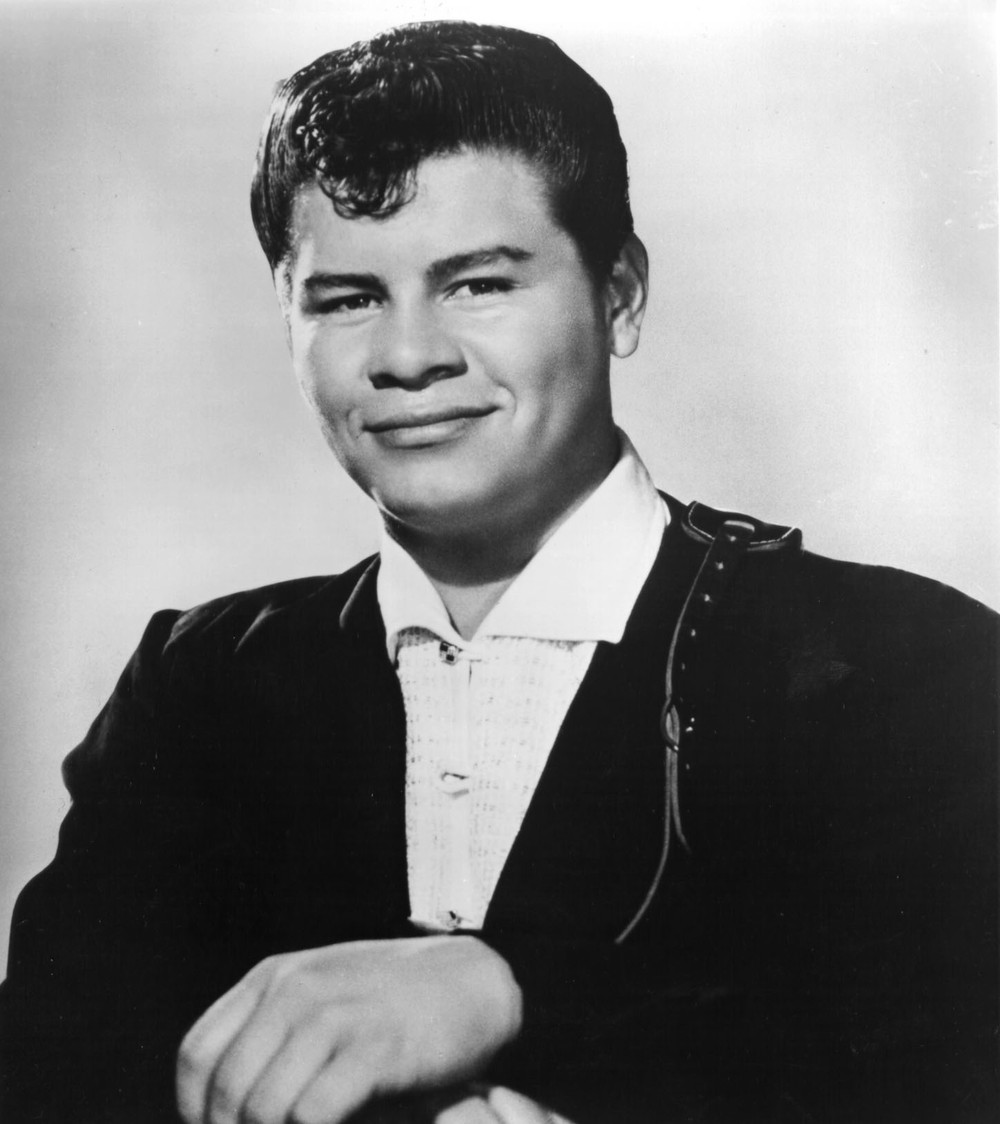
Ritchie Valens
Doo-Wop
Rock And Roll
Shimmer Psych
4
/5
The Platters
Doo-Wop
Easy Listening
Rock And Roll
3
/5
The Drifters
Doo-Wop
Motown
Rock And Roll
3
/5
Dion
Doo-Wop
Brill Building
Gamecore
3
/5
The Everly Brothers
Rock And Roll
Close Harmony
Pop
3
/5
The Four Seasons
Doo-Wop
Pop
Pop Rock
3
/5
The Flamingos
Doo-Wop
Analog Horror
Thall
Download our mobile app
Get the Melodigging app and start digging for new genres on the go
Download on the App Store
Get it on Google Play
© 2026 Melodigging
Give feedback
Legal
Melodding was created as a tribute to
Every Noise at Once
, which inspired us to help curious minds keep digging into music's ever-evolving genres.