Genres
Artists
Albums
Make Music
Sign in
Sign in
Artists
Power Pop
Artists
Power Pop
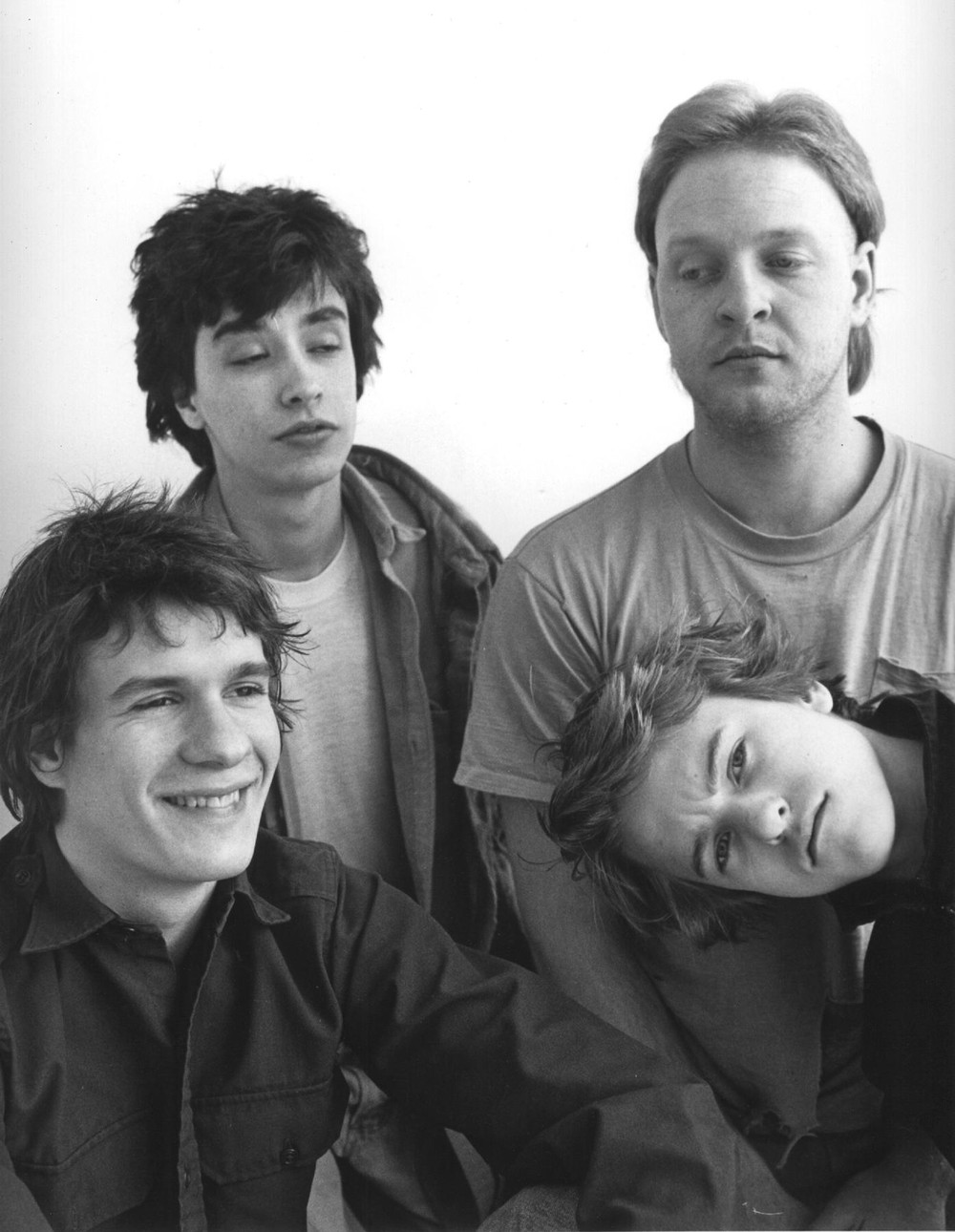
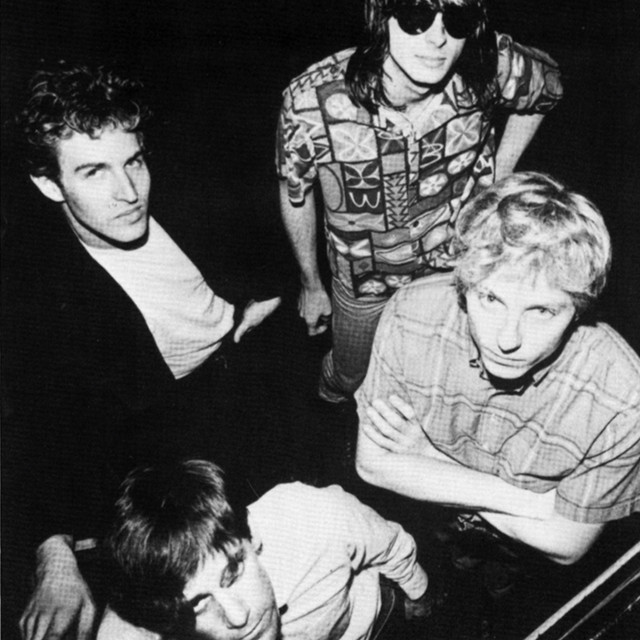
The Replacements
1984–1987
·
3 albums
Listen
3
/5
Genres
Indie Shoegaze
Indie shoegaze is a modern fusion of indie rock songcraft with the texture-heavy aesthetics of classic shoegaze. It keeps the haze: washed-out guitars drenched in reverb and delay, breathy or buried vocals, and a strong emphasis on atmosphere. Unlike the denser, sometimes overwhelming walls of sound in late-’80s/early-’90s shoegaze, indie shoegaze tends to prize clearer hooks, jangly patterns, and compact song forms. The result is a gauzy, melodic sound that feels intimate and contemporary while still dreamily saturated.
Discover
Listen
Deep New Americana
Deep new americana is a contemporary, roots-leaning micro‑scene that blends modern indie production aesthetics with the songcraft, storytelling, and acoustic textures of classic Americana. Compared with broader “new Americana,” the “deep” tag points to music that is earthier, more intimate, and less pop-facing: tube‑warm electric guitars, occasional pedal‑steel swells, fiddle or mandolin color, unhurried grooves, and close-knit vocal harmonies. Lyrics tend to be reflective and narrative, anchored in small details (roads, towns, seasons, family histories) while speaking to present-day anxieties and hopes. The sound favors organic recordings, dynamic performances, and arrangements that leave space for voices and instruments to breathe.
Discover
Listen
Countrygaze
Countrygaze blends the twang, storytelling, and chord language of alt‑country/Americana with the hazy, textural walls of sound associated with shoegaze and dream pop. Expect pedal steel or slide guitar swimming in reverb and delay, saturated or blown‑out rhythm guitars, and soft, breathy vocals mixed as another texture rather than a dominant lead. The tempos often sit in a mid‑slow sway, while lyrics lean on small‑town imagery, highways, weather, memory, and bittersweet relationships. The result is music that feels both dust‑covered and cloud‑drifted: intimate, earthy narratives wrapped in a dreamy, saturated envelope.
Discover
Listen
Modern Melodic Hardcore
Modern melodic hardcore is a contemporary evolution of hardcore punk that foregrounds tuneful, emotive guitar lines and memorable vocal hooks without sacrificing speed, urgency, or bite. It typically pairs fast, driving rhythms (often in the 160–210 BPM range) and shouted–sung vocals with bright octave riffs, ringing chords, and dynamic shifts between explosive passages and reflective, melodic breaks. Compared with earlier waves, the modern form embraces cleaner production, bigger choruses, and influences from emo, post-hardcore, and power-pop—producing songs that are both cathartic and catchy.
Discover
Listen
Jangle Pop
Jangle pop is a guitar-centered style of pop and rock defined by bright, chiming tones—often from a 12‑string electric (famously the Rickenbacker)—playing arpeggiated or open‑chord figures with minimal distortion. The sound emphasizes treble clarity, shimmering sustain, and tight compression, creating a sparkling texture that carries melodic hooks. Rhythm sections are typically crisp and supportive rather than aggressive, with steady mid‑tempo grooves and melodic bass counter‑lines. Vocals tend to be tuneful and understated, frequently with close harmonies. Lyrically, jangle pop pairs catchy, concise songwriting with wistful, romantic, and nostalgic themes. The style draws on 1960s guitar pop and folk rock traditions while channeling the DIY ethos of 1980s indie scenes.
Discover
Listen
Alternative Rock
Alternative rock is a broad umbrella for guitar-based rock that emerged from the independent and college-radio scenes as a counterpoint to mainstream, commercial rock. It blends the energy and ethos of punk with the textural and songwriting experiments of post-punk, new wave, jangle pop, and noise rock, often foregrounding introspective or socially aware lyrics. Across its many strains—from the melodic minimalism of college rock to the loud-quiet-loud dynamics of grunge and the artful experimentation of Radiohead-era modernism—alternative rock prioritizes authenticity, sonic individuality, and a do-it-yourself approach. Its sound ranges from chiming, chorus-laden clean guitars to abrasive distortion and feedback, supported by straightforward rock rhythms or off-kilter grooves, and production that can be either raw and live-sounding or polished yet unconventional.
Discover
Listen
Power Pop
Power pop is a guitar-driven style that distills the melodic immediacy of 1960s British Invasion pop into concise, high-energy rock songs. It emphasizes big hooks, ringing guitars (often Rickenbacker-style jangle), tight vocal harmonies, and punchy, economical arrangements that typically run around three minutes. Lyrically, it leans toward youthful longing, romance, and bittersweet nostalgia, delivered with bright major-key progressions, chiming arpeggios, and sing-along choruses. Though Pete Townshend used the term in the late 1960s, the genre cohered in the early 1970s with bands like Badfinger, Big Star, and the Raspberries, and it has resurfaced repeatedly in waves through new wave, indie, and modern pop-punk contexts.
Discover
Listen
Hardcore Punk
Hardcore punk is a faster, louder, and more abrasive offshoot of late-1970s punk rock. Songs are typically short (often under two minutes), propelled by rapid tempos, aggressive down‑stroked guitar riffs, and shouted or barked vocals. The style prioritizes raw energy over technical ornamentation: power‑chord harmony, minimal guitar solos, and tightly locked rhythm sections dominate. Lyrically, hardcore punk is intensely direct—often political, anti‑authoritarian, and socially critical—reflecting a DIY ethic that values independent labels, self‑organized shows, and community‑run spaces. The genre coalesced in U.S. scenes such as Los Angeles, Washington, D.C., New York, and Boston, and soon spread internationally. Its velocity, attitude, and grassroots infrastructure profoundly shaped underground music and paved the way for numerous metal, punk, and alternative subgenres.
Discover
Listen
Punk Rock
Punk rock is a fast, raw, and stripped‑down form of rock music that foregrounds energy, attitude, and the DIY ethic over technical polish. Songs are short (often 90–180 seconds), in 4/4, and driven by down‑stroked power‑chord guitars, eighth‑note bass, and relentless backbeat drumming. Vocals are shouted or sneered rather than crooned, and lyrics are direct, often political, anti‑establishment, or wryly humorous. Production is intentionally unvarnished, prioritizing immediacy and live feel over studio perfection. Beyond sound, punk rock is a culture and practice: independent labels, fanzines, all‑ages venues, self‑organized tours, and a participatory scene that values inclusivity, affordability, and self‑reliance.
Discover
Listen
Pop Rock
Pop rock blends the hook-focused immediacy of pop with the instrumentation and drive of rock. It prioritizes catchy melodies, concise song structures, and polished production while retaining guitars, bass, and drums as core elements. Typical pop rock tracks use verse–pre-chorus–chorus forms, strong vocal harmonies, and memorable riffs. The sound ranges from jangly and bright to mildly overdriven and arena-ready, aiming for radio-friendly appeal without abandoning rock’s rhythmic punch.
Discover
Listen
Rock
Rock is a broad family of popular music centered on amplified instruments, a strong backbeat, and song forms that foreground riffs, choruses, and anthemic hooks. Emerging from mid‑20th‑century American styles like rhythm & blues, country, and gospel-inflected rock and roll, rock quickly expanded in scope—absorbing folk, blues, and psychedelic ideas—while shaping global youth culture. Core sonic markers include electric guitar (often overdriven), electric bass, drum kit emphasizing beats 2 and 4, and emotive lead vocals. Rock songs commonly use verse–chorus structures, blues-derived harmony, and memorable melodic motifs, ranging from intimate ballads to high‑energy, stadium‑sized performances.
Discover
Listen
Show all 11 genres
Albums
1987
3
/5
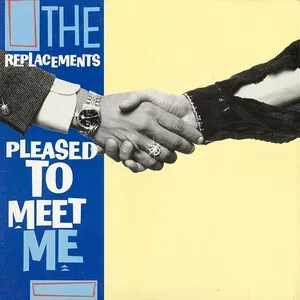
Pleased to Meet Me
The Replacements
Power Pop
1987
3
/5
Tim
The Replacements
Power Pop
Pop Rock
1984
3
/5
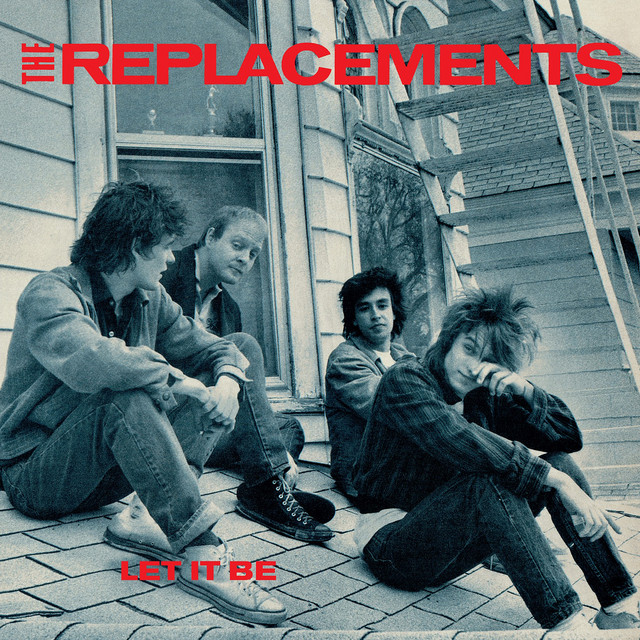
Let It Be (Deluxe Edition)
The Replacements
Power Pop
Jangle Pop
Alternative Rock
Similar artists
4
/5
Weezer
Alternative Rock
Modern Power Pop
Rock
4
/5
R.E.M.
Alternative Rock
Jangle Pop
Rock
3
/5
Dinosaur Jr.
Alternative Rock
Slacker Rock
Noise Rock
3
/5
The Beths
Power Pop
Modern Power Pop
Indie Rock
5
/5
The Smiths
Jangle Pop
Madchester
New Wave
4
/5
The Sundays
Jangle Pop
Dream Pop
Lilith
3
/5
the pillows
J-Rock
Shimokita-Kei
Alternative Rock
3
/5
Sugar
Alternative Pop
Jangle Pop
Power Pop
1
/5
Various Artists
Afro-Funk
Alternative Rock
Ambient
2
/5
The Dream Syndicate
Paisley Underground
Jangle Pop
Neo-Psychedelia
Download our mobile app
Get the Melodigging app and start digging for new genres on the go
Download on the App Store
Get it on Google Play
© 2026 Melodigging
Give feedback
Legal
Melodding was created as a tribute to
Every Noise at Once
, which inspired us to help curious minds keep digging into music's ever-evolving genres.