Genres
Artists
Albums
Make Music
Sign in
Sign in
Artists
Alternative Rock
Artists
Alternative Rock
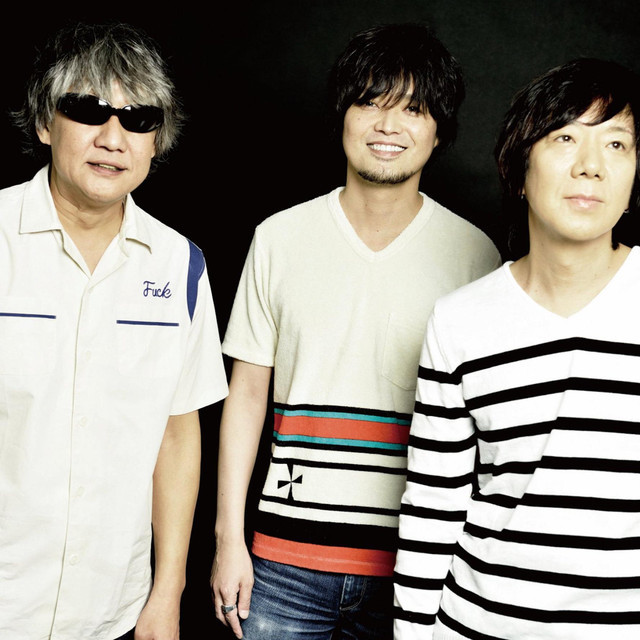
the pillows
1994–2002
·
7 albums
Listen
3
/5
Genres
Indie Dream Pop
Indie dream pop blends the hazy, reverb-heavy atmospheres of classic dream pop with the songwriting sensibilities and DIY production ethos of indie music. Typical tracks feature soft, breathy vocals floating over lush guitar textures, analog-leaning synth pads, and understated drum grooves. The sound privileges mood and texture—chorus- and delay-washed guitars, shimmering synths, and gauzy reverbs—while keeping melodies tuneful and intimate. Compared with 1980s dream pop, the "indie" strand leans more on bedroom production, compact song forms, and approachable hooks. Lyrically, themes often center on memory, longing, youth, and small emotional details, delivered in a close-mic, confessional style. The overall aesthetic is nocturnal, nostalgic, and gently hypnotic.
Discover
Listen
Indie Shoegaze
Indie shoegaze is a modern fusion of indie rock songcraft with the texture-heavy aesthetics of classic shoegaze. It keeps the haze: washed-out guitars drenched in reverb and delay, breathy or buried vocals, and a strong emphasis on atmosphere. Unlike the denser, sometimes overwhelming walls of sound in late-’80s/early-’90s shoegaze, indie shoegaze tends to prize clearer hooks, jangly patterns, and compact song forms. The result is a gauzy, melodic sound that feels intimate and contemporary while still dreamily saturated.
Discover
Listen
Isekai
Isekai (lit. "another world") in music refers to songs and scores written for anime and games where characters are transported—often accidentally or involuntarily—into a parallel universe or fantasy world. In practice, it is a sub-current of Japanese anisong and soundtrack culture whose soundworld emphasizes the wonder, peril, and empowerment arcs typical of isekai narratives. Musically, isekai blends high-impact J‑pop/J‑rock openings (OPs) with hybrid orchestral scores: soaring string ostinati, heroic brass, choir pads, and EDM/rock rhythm sections used to frame battles, leveling-up sequences, and portal moments. Endings (EDs) often pivot to lyrical, nostalgic or bittersweet pop to reflect homesickness, found-family bonds, or the protagonist’s inner monologue.
Discover
Listen
J-Pixie
J‑pixie is a sparkle‑bright corner of contemporary Japanese pop/rock that blends anison (anime song) bombast with idol polish and indie‑rock drive. The “pixie” label hints at the sound’s effervescent, twinkling timbres: high, agile female vocals; glittering synth arpeggios; and punchy guitars that sprint toward cathartic, sky‑punching choruses. Arrangements tend to be compact and cinematic—verse/pre‑chorus/chorus structures with dramatic lifts, halftime-to-double‑time switches, precision drum fills, and frequent late‑song key changes. The overall aesthetic is optimistic and youthful, with lyrics about resolve, friendship, and wonder, often peppered with catchy English hooks. It sits between mainstream J‑Pop, anison, seiyū (voice‑actor) pop, and female‑fronted alt‑rock, making it both playlist‑friendly and tailor‑made for anime tie‑ins and live band settings.
Discover
Listen
Britpop Revival
Britpop revival is a 21st‑century resurgence of the bright, catchy guitar‑based British pop/rock associated with 1990s Britpop. Bands in this style channel the melodic immediacy, sing‑along choruses and wry, everyday storytelling of classic Britpop, itself rooted in 1960s British pop and mod. The sound typically features chiming or crunchy guitars, prominent hooks, mid‑to‑up‑tempo backbeats and anthemic refrains that celebrate local identity and ordinary life. Culturally, Britpop revival leans on nostalgia for the "Cool Britannia" moment while updating production sheen and festival‑ready dynamics, often positioning itself as a lively, communal alternative to darker indie trends.
Discover
Listen
Shimokita-Kei
Shimokita-kei refers to the guitar-centric indie/alt-rock sound and scene centered around Shimokitazawa, a bohemian neighborhood in Tokyo known for its dense network of small “live houses,” record shops, and theaters. Unlike the cosmopolitan, sample-savvy polish of Shibuya-kei, Shimokita-kei is defined by sweaty club energy, DIY ethos, jangly and overdriven guitars, and heartfelt, everyday-life lyricism. The music blends Japanese indie and alternative rock with punk bite, emo earnestness, shoegaze textures, and power-pop melodicism—often delivered through sing-along hooks designed for intimate venues.
Discover
Listen
Post-Grunge
Post-grunge is a radio-friendly evolution of grunge that retains distorted guitars and introspective themes while streamlining song structures, smoothing rough edges, and emphasizing big, anthemic choruses. It shifts the raw abrasion and anti-commercial stance of early-1990s grunge toward a more polished, hook-driven sound suited to mainstream rock and adult-alternative formats. The style typically features mid-tempo grooves, muscular yet clean production, vowel-forward baritone or tenor vocals, and lyrics that universalize angst, resilience, and everyday struggle. Where grunge leaned noisy and cathartic, post-grunge prioritizes clarity, melody, and arena-scale dynamics.
Discover
Listen
Alternative Rock
Alternative rock is a broad umbrella for guitar-based rock that emerged from the independent and college-radio scenes as a counterpoint to mainstream, commercial rock. It blends the energy and ethos of punk with the textural and songwriting experiments of post-punk, new wave, jangle pop, and noise rock, often foregrounding introspective or socially aware lyrics. Across its many strains—from the melodic minimalism of college rock to the loud-quiet-loud dynamics of grunge and the artful experimentation of Radiohead-era modernism—alternative rock prioritizes authenticity, sonic individuality, and a do-it-yourself approach. Its sound ranges from chiming, chorus-laden clean guitars to abrasive distortion and feedback, supported by straightforward rock rhythms or off-kilter grooves, and production that can be either raw and live-sounding or polished yet unconventional.
Discover
Listen
Japanese Indie
Japanese indie refers to Japan’s independent rock and pop scenes that developed outside the major-label idol system. It blends DIY production and small-label distribution with a wide palette of sounds, from jangly guitar pop and post‑punk angularity to dreamy shoegaze and lo‑fi recordings. The scene is anchored by “live houses” (small venues) around Tokyo (Shimokitazawa, Koenji, Shinjuku), Osaka, Kyoto, and Fukuoka. Artists often sing in Japanese (sometimes mixing English), with introspective, everyday-life lyrics and arrangements that prize dynamics, texture, and melody over flashy virtuosity. Aesthetically, Japanese indie inherits Western indie rock’s DIY ethos while retaining local melodic sensibilities shaped by kayōkyoku and city pop. Production ranges from 4‑track cassette grit to clean, minimal studio mixes, but the emphasis remains on authenticity, atmosphere, and the energy of the live circuit.
Discover
Listen
Neo-Acoustic
Neo-acoustic (often nicknamed "neo-aco" in Japan) is a gentle, guitar-forward strain of indie pop that emphasizes clean acoustic textures, jangly strums, and intimate, soft-spoken vocals. It trades the brashness of rock for nuanced chord color, light percussion, and melodic bass lines. The style draws heavily on British indie and the C86/twee movement, while folding in bossa nova’s relaxed syncopation and jazz-influenced chords. In Japan, the term came to denote a distinct indie sensibility—bookish, urbane, and romantic—that later fed into Shibuya-kei and various bedroom-pop and lo-fi currents. Typical arrangements favor acoustic guitars, brushy drums, tambourine or hand percussion, subtle keyboards, and occasional strings or winds. Lyrics tend toward everyday romance, small-town or city nostalgia, and quietly reflective storytelling.
Discover
Listen
Power Pop
Power pop is a guitar-driven style that distills the melodic immediacy of 1960s British Invasion pop into concise, high-energy rock songs. It emphasizes big hooks, ringing guitars (often Rickenbacker-style jangle), tight vocal harmonies, and punchy, economical arrangements that typically run around three minutes. Lyrically, it leans toward youthful longing, romance, and bittersweet nostalgia, delivered with bright major-key progressions, chiming arpeggios, and sing-along choruses. Though Pete Townshend used the term in the late 1960s, the genre cohered in the early 1970s with bands like Badfinger, Big Star, and the Raspberries, and it has resurfaced repeatedly in waves through new wave, indie, and modern pop-punk contexts.
Discover
Listen
Soft Rock
Soft rock is a mellow, melody-forward strain of rock and pop that favors smooth vocals, polished production, and restrained dynamics over distortion and aggression. Built on acoustic and clean electric guitars, piano or electric piano (Rhodes), light rhythm sections, and lush backing vocals or strings, the style centers on memorable hooks and sentimental themes. Its lyrics often explore love, heartbreak, nostalgia, and introspection, delivered with warmth and clarity. Tempos are moderate, grooves are unobtrusive, and harmonies are diatonic with tasteful color (maj7, add9) and occasional key changes. Commercially, soft rock flourished on AM radio and adult contemporary playlists in the 1970s and early 1980s, shaping the sound of radio-friendly ballads and influencing later styles like yacht rock and modern adult contemporary.
Discover
Listen
J-Rock
J-rock (Japanese rock) is the umbrella term for rock music created in Japan, spanning everything from classic rock, punk, and metal to alternative, indie, and progressive strains. It blends Western rock instrumentation and songcraft with Japanese melodic sensibilities, crisp production, and lyrics primarily in Japanese (often mixed with some English phrases). Typical features include hook-forward choruses, expressive guitar leads, tight rhythm sections, and dynamic arrangements that can pivot from delicate verses to big, anthemic refrains. Because of Japan’s media ecosystem, J-rock frequently intersects with anime, TV dramas, and video games, which helps bands reach mainstream audiences while retaining a band-centric, live-performance identity. Although stylistically diverse, J-rock commonly emphasizes memorable melodies, emotional catharsis, and precise musicianship, with influences ranging from British Invasion and classic rock to punk/new wave, progressive rock, and heavy metal.
Discover
Listen
Anime
Anime (often called "anisong" for vocal themes) is the umbrella term for songs and scores created for Japanese animation, including opening/ending themes and background music. It blends contemporary J‑pop/J‑rock songwriting with dramatic orchestral scoring and modern electronic production, aiming for instantly memorable hooks and emotionally charged climaxes tailored to a show's narrative and characters. Stylistic hallmarks include high-register, expressive vocals; tight, hook-forward structures (especially 90-second “TV size” versions); bright, polished production; and frequent late-song key changes. Arrangements often hybridize rock bands, strings, brass, and EDM textures to deliver cinematic impact, while lyrics favor aspirational, metaphor-rich imagery that mirrors the series’ themes.
Discover
Listen
Garage Rock
Garage rock is a raw, energetic style of rock music that emerged in the mid-1960s from local scenes across North America. Typically performed by amateur or semi-professional teenage bands in basements and suburban garages, the sound is unpolished and immediate, favoring feel over finesse. Its hallmarks include distorted guitars, pounding drums, simple chord progressions (often I–IV–V), prominent Farfisa/Vox organ riffs, and shouted, attitude-heavy vocals. Songs are short, hooky, and driven by rhythmic urgency, with lyrics about teenage love, boredom, rebellion, and swagger. The style became a direct ancestor of proto-punk and punk rock, prized for its do-it-yourself spirit and visceral impact.
Discover
Listen
Progressive Rock
Progressive rock is a rock subgenre that expands the genre’s formal, harmonic, and conceptual boundaries. It favors long-form compositions, intricate arrangements, and virtuosic musicianship, often drawing on Western classical, jazz, folk, and psychedelic idioms. Typical hallmarks include multi-part suites, shifting time signatures, extended instrumental passages, recurring motifs, and concept albums that present unified themes or narratives. The sound palette commonly features electric guitar, bass, and drums alongside an array of keyboards (Hammond organ, Mellotron, Moog/ARP synthesizers, piano), woodwinds or brass, and occasional orchestral additions. Lyrics often explore science fiction, mythology, philosophy, social commentary, and introspective themes.
Discover
Listen
Pop Rock
Pop rock blends the hook-focused immediacy of pop with the instrumentation and drive of rock. It prioritizes catchy melodies, concise song structures, and polished production while retaining guitars, bass, and drums as core elements. Typical pop rock tracks use verse–pre-chorus–chorus forms, strong vocal harmonies, and memorable riffs. The sound ranges from jangly and bright to mildly overdriven and arena-ready, aiming for radio-friendly appeal without abandoning rock’s rhythmic punch.
Discover
Listen
Rock
Rock is a broad family of popular music centered on amplified instruments, a strong backbeat, and song forms that foreground riffs, choruses, and anthemic hooks. Emerging from mid‑20th‑century American styles like rhythm & blues, country, and gospel-inflected rock and roll, rock quickly expanded in scope—absorbing folk, blues, and psychedelic ideas—while shaping global youth culture. Core sonic markers include electric guitar (often overdriven), electric bass, drum kit emphasizing beats 2 and 4, and emotive lead vocals. Rock songs commonly use verse–chorus structures, blues-derived harmony, and memorable melodic motifs, ranging from intimate ballads to high‑energy, stadium‑sized performances.
Discover
Listen
Show all 18 genres
Albums
2002
2
/5
Thank You, My Twilight
the pillows
Shimokita-Kei
Alternative Rock
Progressive Rock
1999
3
/5
Happy Bivouac: On the Hillari Step
the pillows
Power Pop
Shimokita-Kei
Alternative Rock
1999
2
/5
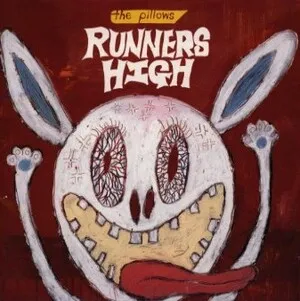
Runners High
the pillows
Power Pop
Shimokita-Kei
J-Rock
1998
2
/5
Little Busters: Float Like a Butterfly, Sting Like a Bee
the pillows
Power Pop
Shimokita-Kei
Alternative Rock
1997
2
/5
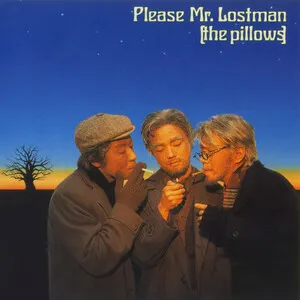
Please Mr. Lostman
the pillows
Shimokita-Kei
Power Pop
Alternative Rock
1995
1
/5
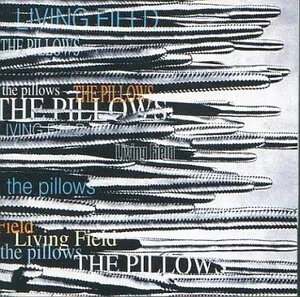
Living Field
the pillows
Neo-Acoustic
Soft Rock
1994
2
/5
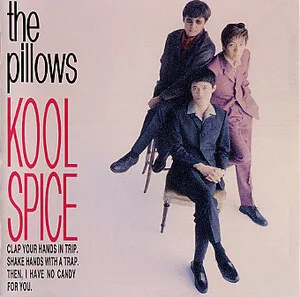
Kool Spice
the pillows
Neo-Acoustic
Similar artists
3
/5
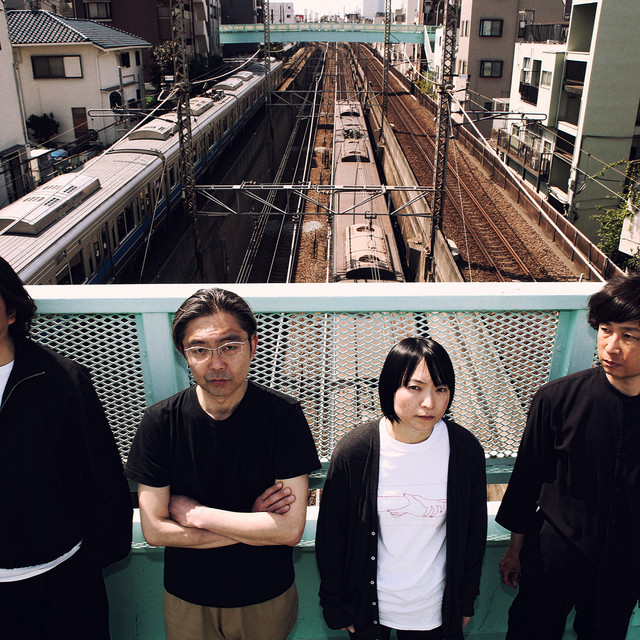
Supercar
Alternative Rock
Experimental Indie
J-Rock
4
/5
ASIAN KUNG-FU GENERATION
J-Poprock
Indie Rock
Power Pop
4
/5
Sheena Ringo
J-Pop
Art Pop
Rock
3
/5
Tokyo Incidents
J-Pop
J-Rock
Shimokita-Kei
3
/5
Number Girl
Post-Hardcore
Indie Dream Pop
Indie Shoegaze
3
/5
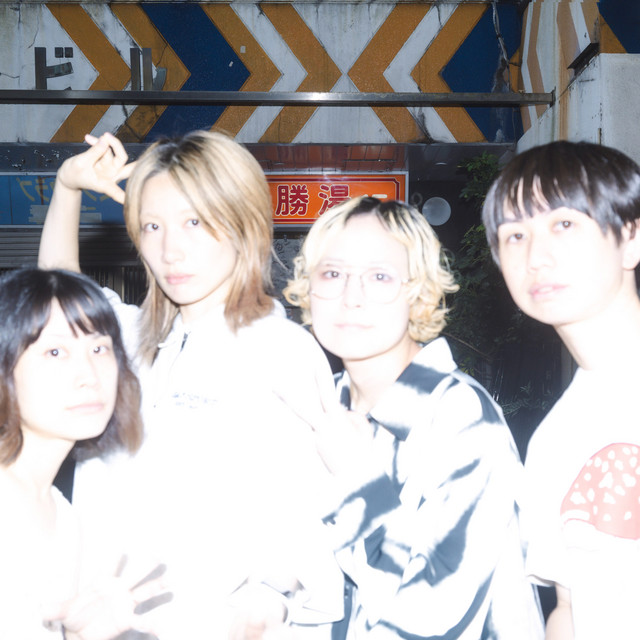
tricot
Math Rock
Math Pop
Indie Dream Pop
4
/5
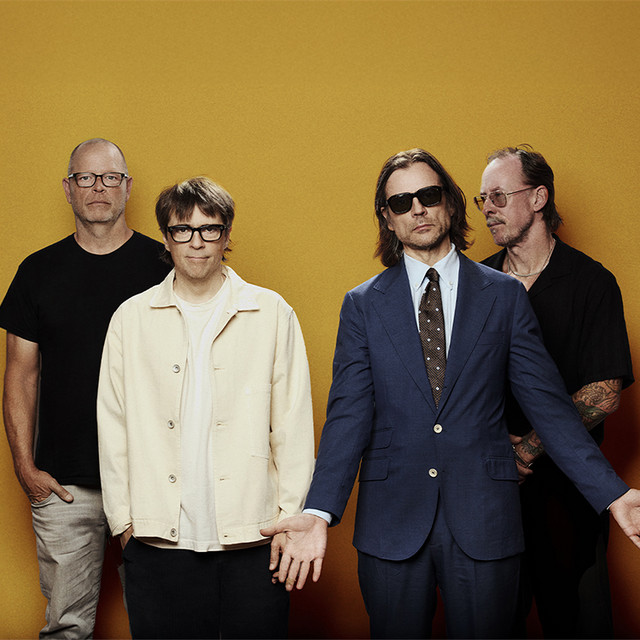
Weezer
Alternative Rock
Modern Power Pop
Rock
2
/5
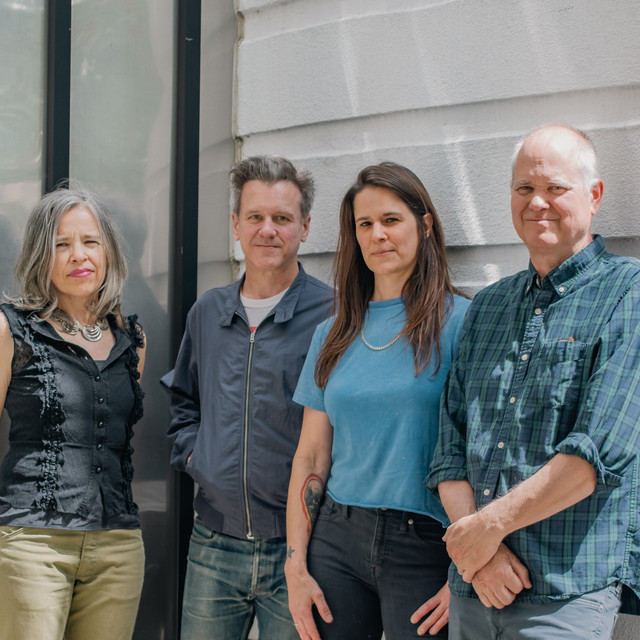
Superchunk
Triangle Indie
Indie Rock
Rock
5
/5
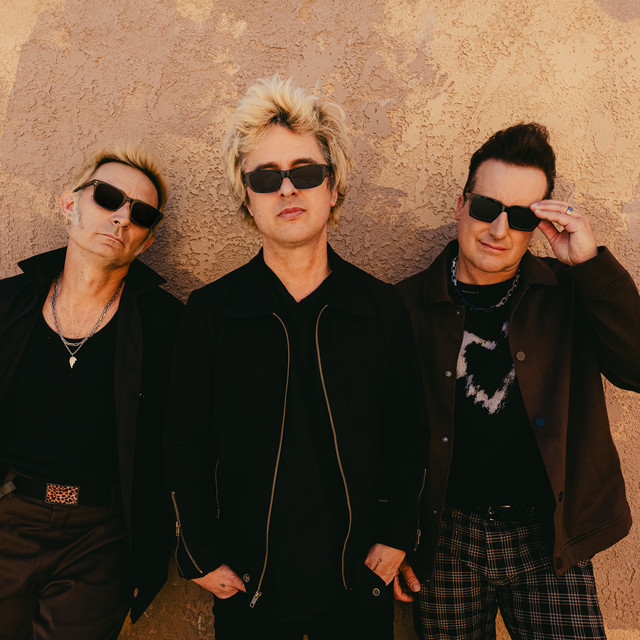
Green Day
Pop Punk
Punk
Alternative Rock
4
/5
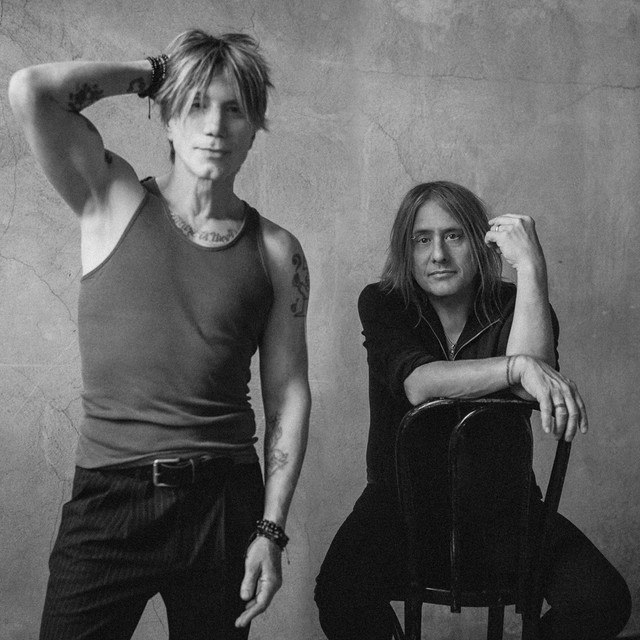
The Goo Goo Dolls
Pop Rock
Rock
Alternative Rock
Download our mobile app
Get the Melodigging app and start digging for new genres on the go
Download on the App Store
Get it on Google Play
© 2026 Melodigging
Give feedback
Legal
Melodding was created as a tribute to
Every Noise at Once
, which inspired us to help curious minds keep digging into music's ever-evolving genres.