Genres
Artists
Albums
Make Music
Sign in
Sign in
Artists
Brit Funk
Artists
Brit Funk
The Rah Band
1980–2025
·
6 albums
Listen
3
/5
Genres
Barber Beats
Barber beats is a vaporwave-adjacent microgenre characterized by slowed, loop-based instrumentals built from lounge, smooth jazz, and easy-listening samples. Producers emphasize a soft, cushiony drum groove, heavy time-stretching, subtle pitch shifting, and warm, dusty textures that evoke waiting rooms, lobbies, and late‑night cable atmospheres. Typical tracks sit around 85–105 BPM, lean on mellow chords, brushed snares or gentle drum-machine kits, and favor tasteful filtering, vinyl crackle, and roomy reverb. The result is hypnotic, low-stakes background music that feels both nostalgic and liminal—less overtly ironic than classic vaporwave, yet still rooted in sample-based moodcraft and retro corporate aesthetics.
Discover
Listen
Jirai Kei
Jirai kei is a recent Japanese internet-born pop micro‑genre and aesthetic that blends cute, sugary sounds with darker, obsessive and self‑destructive themes. The term comes from a fashion/aesthetic scene associated with yamikawaii and menhera culture, and in music it describes songs that sound soft and adorable on the surface but conceal lyrics about toxic love, dependency, jealousy, and emotional volatility. Sonically, jirai kei draws from J‑pop and Vocaloid traditions (denpa/picopop brightness, catchy hooks) while adopting modern hyperpop gloss, trap/EDM percussion, and highly edited, youthful vocals. The contrast between childlike, pastel timbres and intense, confessional writing is central to the style, making it both immediately hooky and emotionally sharp—an audio embodiment of “cute but dangerous.”
Discover
Listen
Otacore
Otacore is a fan-driven, internet-native umbrella for music centered on anime, manga, gaming, and broader otaku culture. Rather than a single strict musical style, it describes a cluster of scenes where pop, electronic, rock, and rap intersect with anime aesthetics, story tropes, and character/fandom references. Typical otacore repertoires include Vocaloid productions, anisong-style pop/rock, high-energy EDM with kawaii sound design, nightcore-style edits, game-inspired chiptune flourishes, and cover cultures (English/Japanese) tied to anime and game franchises. Distribution and discovery are powered by platforms such as Nico Nico Douga, YouTube, SoundCloud, streaming playlists, and later TikTok, where memeability, fan videos (AMVs), and vtuber performances help songs spread globally.
Discover
Listen
Chill Breakcore
Chill breakcore is a micro-style that softens the jagged edges of classic breakcore with lush ambience, dreamy pads, and emotive melodies. It retains the genre’s telltale chopped Amen breaks, granular edits, and breakneck rhythmic vocabulary, but tempers them with downtempo moods, lo‑fi textures, and vaporous sound design. Producers often work at drum-and-bass or breakcore tempos (typically 150–175 BPM) while shaping the overall feel to be intimate, melancholic, and relaxed—sometimes even half‑time—so the beats feel intricate but weightless. The result sits somewhere between atmospheric jungle, IDM, and vaporwave: breakbeats that shimmer instead of bludgeon, and harmony that leans nostalgic rather than abrasive.
Discover
Listen
Drift
Drift is a contemporary micro-style of ambient centered on slowly evolving tonal beds, gentle tape-worn textures, and an emphasis on atmosphere over event. It favors long decays, soft-focus harmonies, and minimal or absent percussion so that sounds seem to hover and "drift" in place. Production typically blends synth pads, processed guitar, and found sounds with heavy use of reverb, delay, and subtle modulation. Compared to classic dark ambient, drift is warmer and more consonant; compared to new age, it is more textural and reductionist. The result is music designed for deep listening, sleep, study, or contemplative environments.
Discover
Listen
Lo Star
Lo star is a streaming-era umbrella tag used to group under-the-radar, low-profile artists who sit on the fringes of indie, alternative, DIY pop, and related scenes. Rather than denoting a single, tightly defined musical vocabulary, it marks a discovery space of self-produced or small-label projects with modest audiences, genre-fluid aesthetics, and a distinctly DIY approach to recording and release. Expect intimate vocals, inexpensive or home-studio production, hybrid acoustic/electronic textures, and songwriting that favors personal storytelling and immediacy over polish. Because it functions as a curatorial category for emerging or niche acts, the sonic palette spans indie rock and folk-pop to bedroom pop and lo-fi electronic, unified by scale, ethos, and distribution more than by strict musical rules.
Discover
Listen
Pov: Indie
"pov: indie" is a social-media-native microstyle built around short, cinematic indie-pop/indie-rock snippets designed to accompany a first-person (POV) narrative. Instead of being defined by a single new musical technique, it is defined by context: the music is chosen or written to feel like the soundtrack to a specific moment (a crush, a late-night walk, moving to a new city, seasonal nostalgia). Sonically it typically uses bright but soft guitars or synths, intimate vocals, simple memorable hooks, and production that reads clearly on phone speakers. The emotional tone is often wistful, tender, and “coming-of-age,” with lyrics that can be understood quickly in a 10–30 second clip.
Discover
Listen
Solo Wave
Solo wave is an internet-era microgenre that blends the intimate, DIY sensibility of bedroom pop with vaporwave- and chillwave-tinged atmospheres and soft indie pop songwriting. Typically produced by solo artists working from home studios, it favors gentle synth pads, chorus-washed guitars, understated trap- or pop-leaning drums, and confessional vocals framed by nostalgic reverb and tape-like warmth. The result is dreamy, sentimental, and highly shareable songs that circulate on streaming platforms and social media. Lyric themes often center on young adult relationships, self-reflection, mental health, and digital-age loneliness—delivered in a direct, diaristic tone that reinforces the genre’s solitary, “one-person project” ethos.
Discover
Listen
Synth Funk
Synth funk is a strand of funk and post‑disco that foregrounds electronic instruments—particularly analog and early digital synthesizers, drum machines, and effects—while retaining funk’s syncopated groove and R&B songcraft. Typically driven by LinnDrum or TR‑808 patterns, rubbery synth bass lines, clipped rhythm guitar, bright stabs, and talkbox/vocoder leads, synth funk balances dance‑floor propulsion with sleek, radio‑ready hooks. It often uses extended seventh and ninth chords, call‑and‑response vocals, and glossy production associated with the early to mid‑1980s. The style is closely linked to the Minneapolis sound and overlaps with boogie and post‑disco, but it is generally more synth‑forward and machine‑tight than 1970s band‑centered funk. Its influence echoes through new jack swing, G‑funk, and modern retro‑leaning pop and electronic forms.
Discover
Listen
Electro
Electro is an early 1980s machine-funk style built around drum machines (especially the Roland TR-808), sequenced basslines, and a futuristic, robotic aesthetic. It emphasizes syncopated rhythms, sparse arrangements, and timbres drawn from analog and early digital synthesizers. Vocals, when present, are often delivered via vocoder or rap-style chants, reinforcing a sci‑fi, cyborg persona. Electro’s grooves powered breakdance culture, and its sonic palette—crisp 808 kicks, snappy snares, dry claps, cowbells, and squelchy bass—became foundational to later techno and bass music.
Discover
Listen
Electro-Funk
Electro-funk is a dance-music style that fuses the syncopated grooves and bass-forward feel of funk with the drum machines, sequencers, and analog synthesizers of early electronic music. It is defined by TR-808 drum programming, robotic textures, vocoder or talkbox vocals, angular synth-bass lines, and sparse, futuristic arrangements designed for breakdancing. Claps often double the snare, off-beat open hi-hats add momentum, and synthetic percussion (cowbells, toms, zaps) punctuates the groove. Compared with boogie/post-disco, electro-funk relies more on machine-driven rhythms than live drums, and it emphasizes minimal, mechanical funk with DJ-friendly structures. Canonical tracks include Afrika Bambaataa & The Soulsonic Force’s “Planet Rock” (1982), Herbie Hancock’s “Rockit” (1983), and Hashim’s “Al-Naafiysh (The Soul)” (1983).
Discover
Listen
Brit Funk
Brit funk (often styled Brit-funk) is a late‑1970s to early‑1980s UK blend of American funk, disco, and jazz-fusion filtered through British club culture and a vibrant Afro‑Caribbean diaspora. Characterized by tight, syncopated rhythm sections, slap bass, sparkling Rhodes and clavinet, jazz‑tinged chord voicings, bright horn stabs, and polished yet live band production, the style favors mid‑tempo grooves designed for the dancefloor. Many tracks feature extended vamps, instrumental solos, and breakdowns that reflect both jazz musicianship and DJ‑friendly structure. The sound sits between disco’s four‑on‑the‑floor drive and jazz‑funk’s harmonic richness, with an ear for catchy hooks and party‑ready refrains. It became a cornerstone of UK club life, feeding into rare groove culture and setting the stage for acid jazz and later broken beat.
Discover
Listen
Boogie
Boogie (often called boogie-funk or post-disco) is a mid‑tempo, synth-forward strain of R&B that emerged as disco’s luminous sheen gave way to sleeker, funkier production. It centers on rubbery basslines (often synth-bass), crisp handclaps and clattering drum-machine patterns, jazzy/modern-soul chord voicings, and hook-laden vocals that celebrate nightlife, romance, and empowerment. Typically sitting around 100–115 BPM, boogie blends the rhythmic insistence of funk with disco’s dancefloor sensibility, replacing full orchestras with analog synths, electric pianos, and early drum machines for a glossy yet warm sound.
Discover
Listen
Disco
Disco is a dance-music genre and nightlife subculture that crystallized in the United States during the 1970s, drawing especially from African-American, Italian-American, Latino, and queer club communities. Musically, disco is typified by a steady four-on-the-floor kick drum, syncopated and melodic electric-bass lines, lush string sections, bright brass and horns, electric pianos and synthesizers, and percussive, choppy rhythm guitars. Arrangements often feature orchestral colors, handclaps, congas, and vibraphone or bell textures, all engineered to deliver a continuous, groove-forward experience for the dance floor. The style combines the rich orchestration and romantic sweep of Philadelphia soul with the bottom-end drive of funk and the songcraft of contemporary R&B/pop, delivered in DJ-friendly extended mixes and 12-inch singles designed for club play.
Discover
Listen
Synth-Pop
Synth-pop is a pop-oriented style that foregrounds the synthesizer as its primary instrument, often paired with drum machines and sequencers. It favors clean, melodic hooks, concise song structures, and a sleek, modernist sound that ranges from cool and minimal to lush and romantic. Emerging at the turn of the 1980s from the UK new wave and post-punk scenes, synth-pop leveraged affordable analog and then digital keyboards to bring electronic textures into the mainstream. Its sonic palette includes arpeggiated basslines, shimmering pads, bright leads, gated or machine-driven drums, and polished vocals that convey both futuristic detachment and emotional immediacy.
Discover
Listen
Electronic
Electronic is a broad umbrella genre defined by the primary use of electronically generated or electronically processed sound. It encompasses music made with synthesizers, drum machines, samplers, computers, and studio/tape techniques, as well as electroacoustic manipulation of recorded or synthetic sources. The genre ranges from academic and experimental traditions to popular and dance-oriented forms. While its sonic palette is rooted in electricity and circuitry, its aesthetics span minimal and textural explorations, structured song forms, and beat-driven club permutations. Electronic emphasizes sound design, timbre, and studio-as-instrument practices as much as melody and harmony.
Discover
Listen
Show all 16 genres
Albums
2025
3
/5
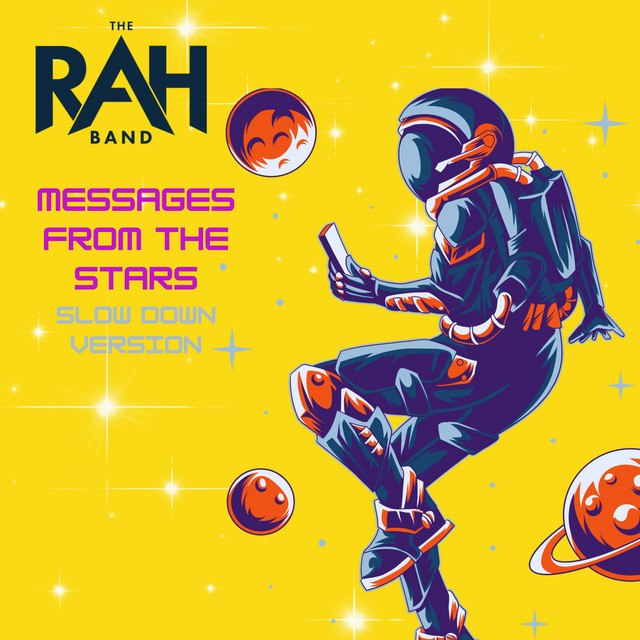
Messages from the Stars (Slow Down Version)
The Rah Band
Brit Funk
2022
3
/5
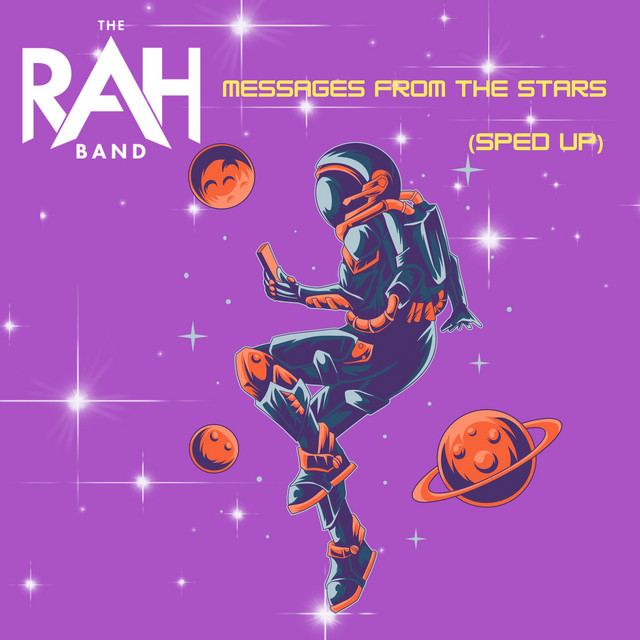
Messages from the Stars (Sped Up)
The Rah Band
Brit Funk
1985
3
/5
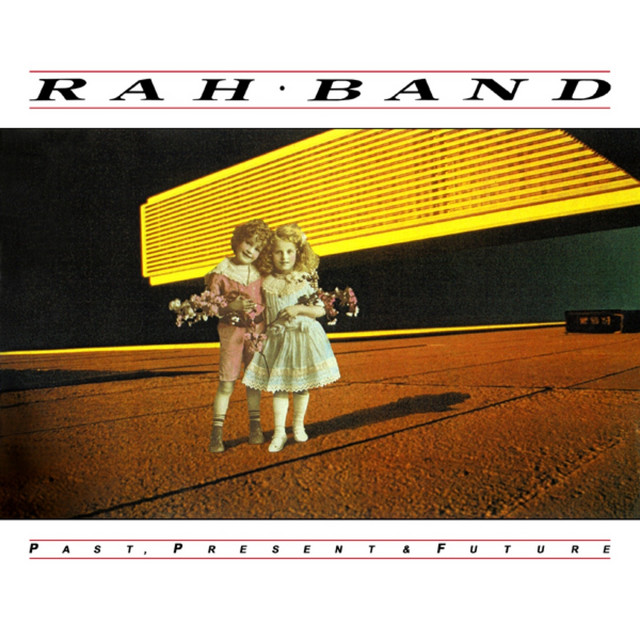
Past, Present & Future
The Rah Band
Brit Funk
1985
2
/5
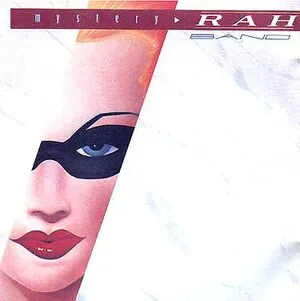
Mystery
RAH Band
Synth Funk
Electro
Electronic
1983
4
/5
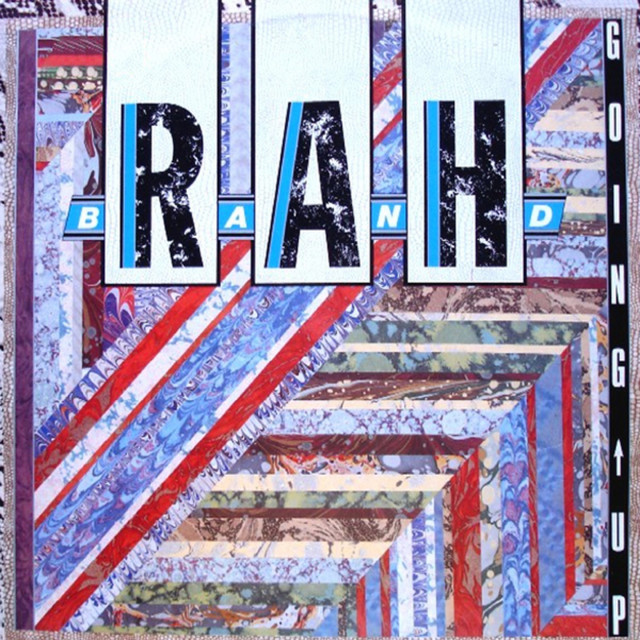
Going Up
RAH Band
Boogie
Synth Funk
Disco
1980
1
/5
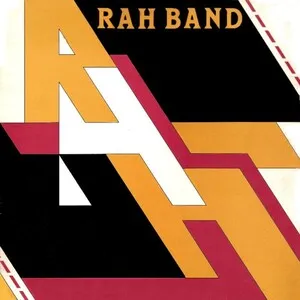
RAH Band
RAH Band
Brit Funk
Disco
Electronic
Similar artists
3
/5
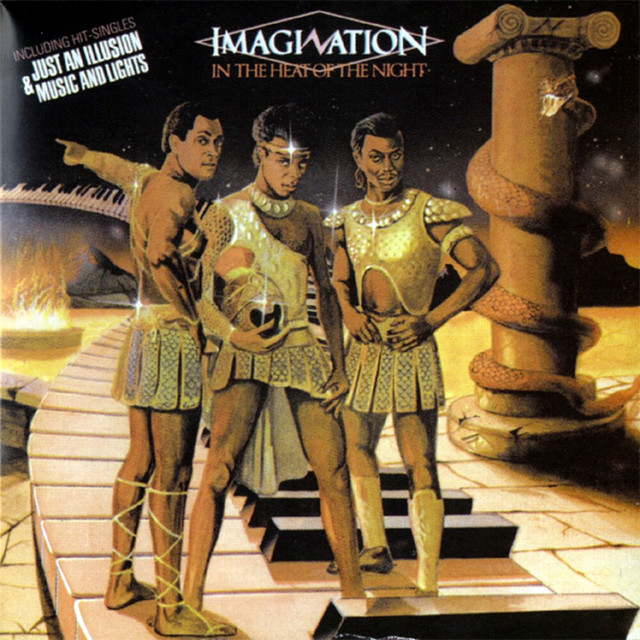
Imagination
Brit Funk
Post-Disco
Disco
1
/5
Various Artists
Afro-Funk
Alternative Rock
Ambient
3
/5
Loose Ends
Brit Funk
New Jack Swing
R&b
4
/5
Parcels
Aussietronica
Indie Soul
Electronic
4
/5
Prince
Funk
Minneapolis Sound
Synth Funk
3
/5
Steve Monite
Afro-Funk
Boogie
Disco
4
/5
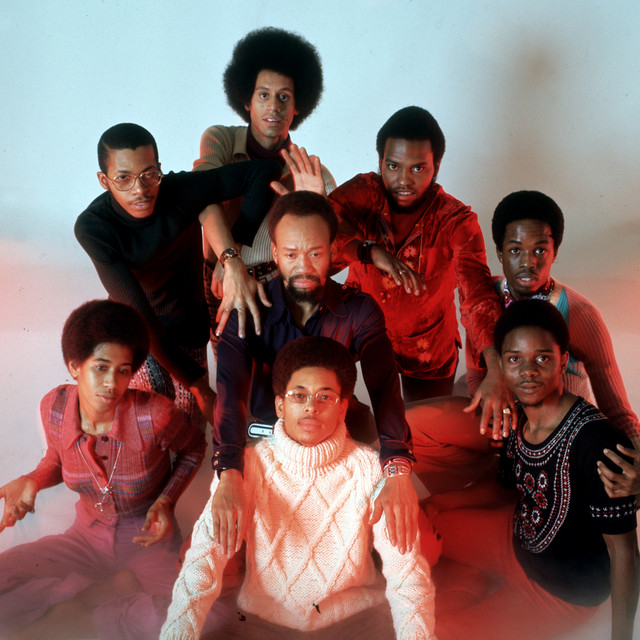
Earth, Wind & Fire
Disco
Funk
Soul
4
/5
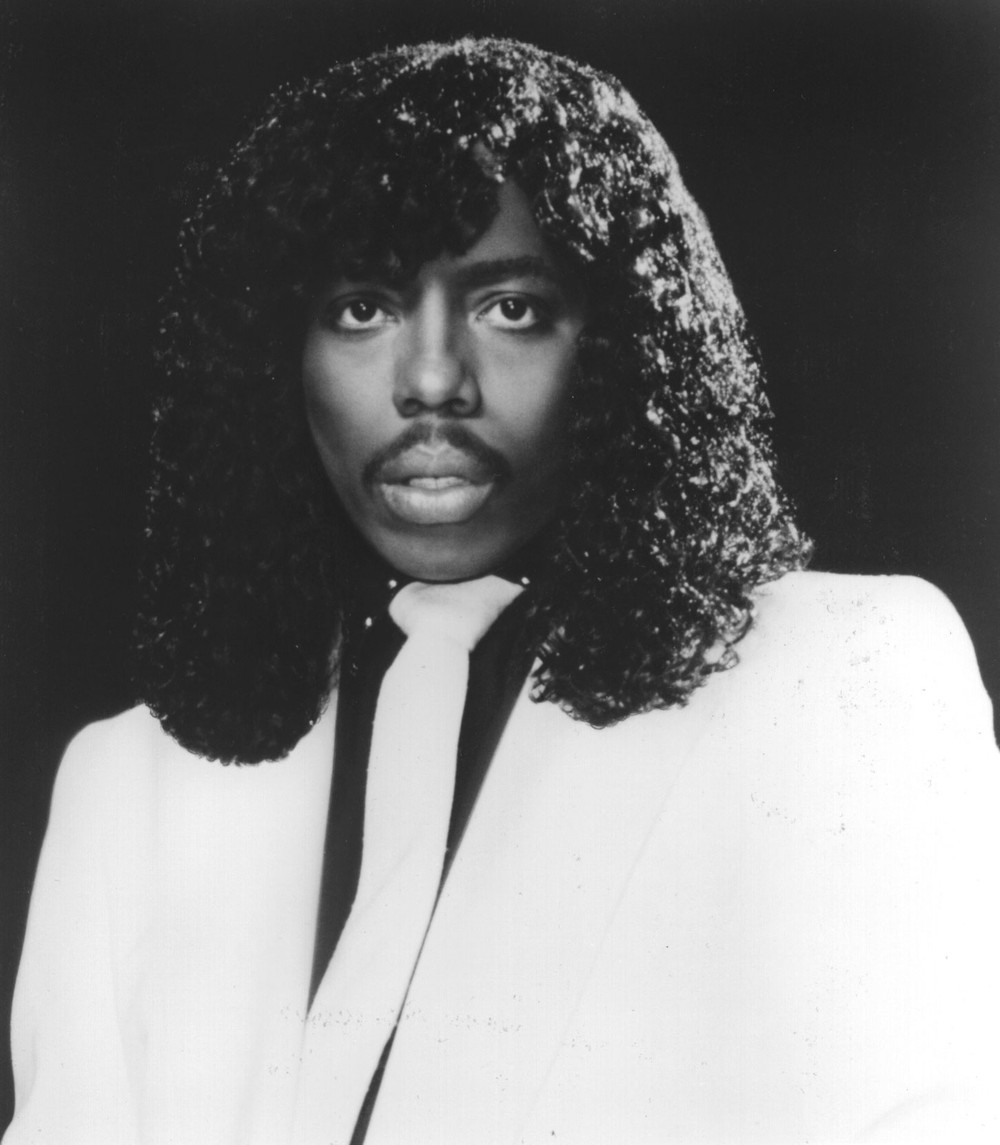
Rick James
P-Funk
Synth Funk
Disco
3
/5
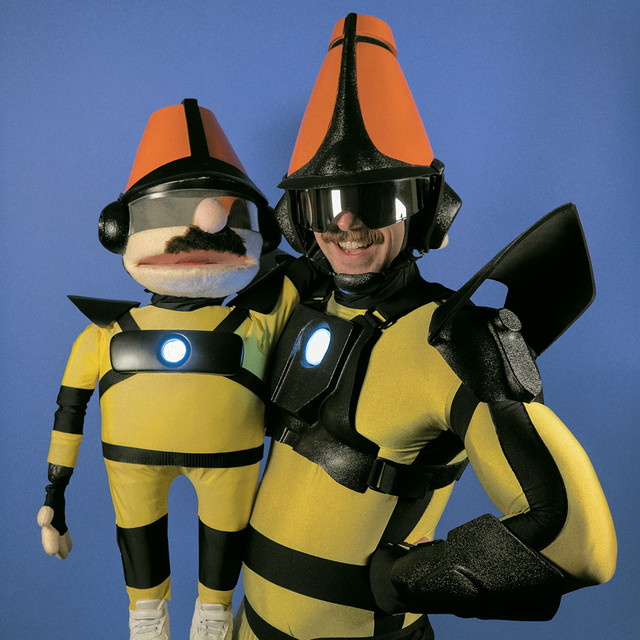
TWRP
Nightrun
Electronic
Rock
3
/5
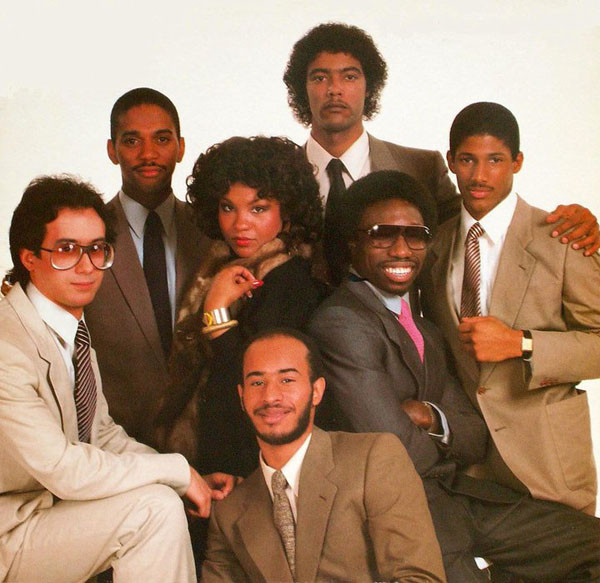
Change
Disco
Post-Disco
Boogie
Download our mobile app
Get the Melodigging app and start digging for new genres on the go
Download on the App Store
Get it on Google Play
© 2026 Melodigging
Give feedback
Legal
Melodding was created as a tribute to
Every Noise at Once
, which inspired us to help curious minds keep digging into music's ever-evolving genres.