Genres
Artists
Albums
Make Music
Sign in
Sign in
Artists
Instrumental Funk
Artists
Instrumental Funk
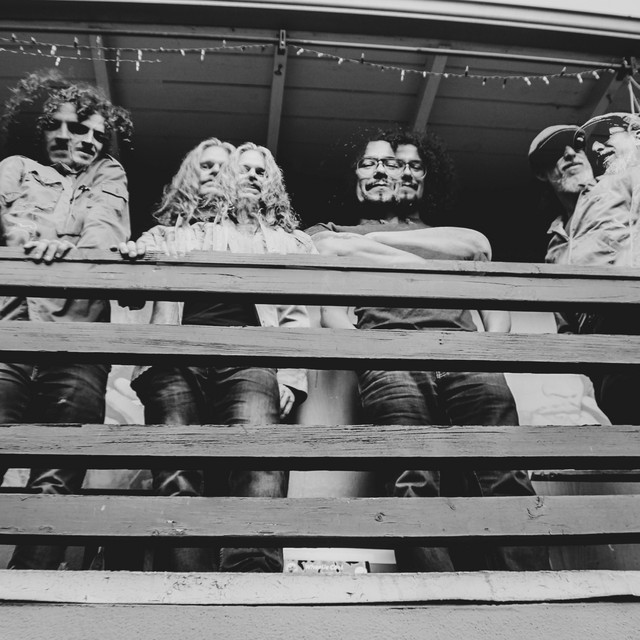
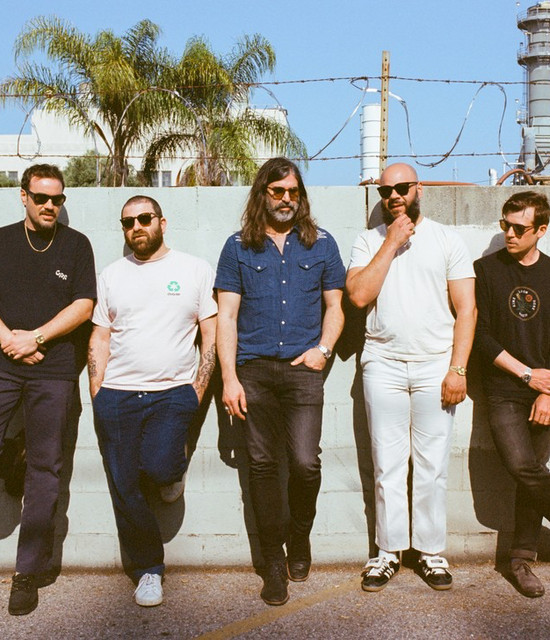
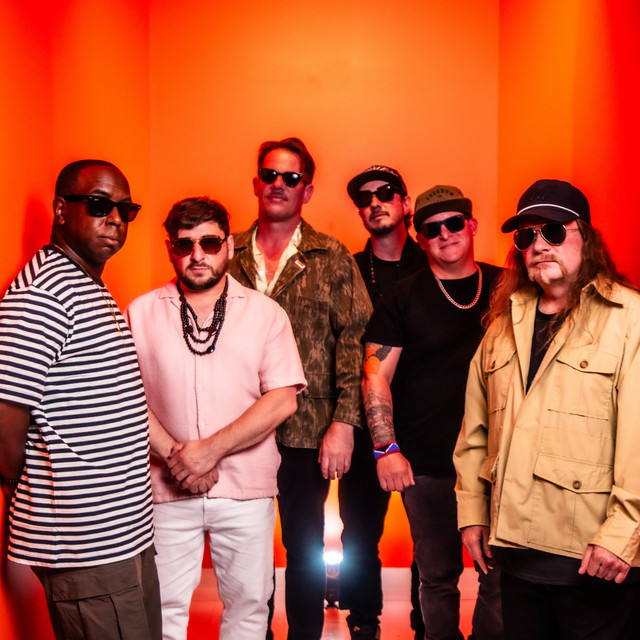
The Olympians
2016–2026
·
4 albums
Listen
3
/5
Genres
Souldies
Souldies is a modern revival of classic lowrider “oldies” soul—slow, tender ballads rooted in 1960s and early-’70s sweet soul and doo‑wop aesthetics, reimagined by a new generation of largely Chicano/Latinx artists in Southern California. Characterized by warm, analog-leaning production, mellow backbeats, honeyed vocal harmonies, and heart‑on‑sleeve lyricism, the style favors mid‑slow tempos, tape‑like saturation, spring/plate reverb, and minimalist yet expressive arrangements. English and Spanish (or Spanglish) lyrics often explore love, longing, devotion, and cruising/lowrider culture. Souldies sits at the intersection of classic soul, rhythm & blues, northern soul selections, and Latin soul, offering a contemporary, community‑centered sound that feels both timeless and newly personal.
Discover
Listen
Retro Soul
Retro soul is a 21st‑century revival of 1960s–1970s American soul and R&B aesthetics. It emphasizes live rhythm sections, punchy horn and string arrangements, call‑and‑response vocals, and vintage recording techniques that evoke classic Motown, Stax, and deep Southern soul. Compared with neo‑soul, retro soul tends to avoid contemporary hip‑hop production, opting instead for period‑correct tones: analogue tape saturation, ribbon mics, plate/spring reverbs, and tightly arranged songs built on strong hooks and groove. The movement coalesced around independent labels and studios (notably Daptone Records) and later crossed over via artists who blended the sound with contemporary pop sensibilities.
Discover
Listen
Jazz-Funk
Jazz-funk is a groove-forward hybrid of jazz improvisation and harmony with the rhythmic drive and backbeat of funk. It features syncopated basslines, crisp drum patterns, and tight horn or keyboard riffs, often organized around vamping two- or four-bar progressions rather than complex chord changes. The sound is defined by electric instruments—Fender Rhodes, Clavinet, analog and early digital synthesizers, electric bass, and wah-inflected guitar—alongside punchy horn sections and extended solos. Compared to traditional jazz, the harmonic language is leaner but still rich, emphasizing 9ths, 11ths, 13ths, and modal centers (especially Dorian). The music aims for deep, danceable pocket, slick production, and a soulful, urban feel.
Discover
Listen
Instrumental Funk
Instrumental funk is the groove‑focused, largely wordless branch of funk. It foregrounds tight drum‑and‑bass pockets, syncopated rhythm guitar, Hammond organ or clavinet riffs, and punchy horn lines, while minimizing or omitting lead vocals. Born from the house‑band culture of Southern and New Orleans studios, it prizes repetitive vamps, call‑and‑response figures, and emphatic "on the one" accents popularized by James Brown—translated into self‑contained instrumentals suited to dance floors, radio beds, and film cues. The sound is earthy, percussive, and deeply rhythmic—music built for movement and for sampling—balancing raw drum breaks with concise riffs and tightly arranged hits.
Discover
Listen
Funk
Funk is a rhythm-forward African American popular music style that centers on groove, syncopation, and interlocking parts. Rather than emphasizing complex chord progressions, funk builds tight, repetitive vamps that highlight the rhythm section and create an irresistible dance feel. The genre is marked by syncopated drum patterns, melodic yet percussive bass lines, choppy guitar "chanks," punchy horn stabs, call‑and‑response vocals, and a strong backbeat. Funk’s stripped-down harmony, prominent use of the one (accenting the downbeat), and polyrhythmic layering draw deeply from soul, rhythm and blues, jazz, gospel, and African rhythmic traditions. From James Brown’s late-1960s innovations through the expansive P-Funk universe and the slicker sounds of the 1970s and 1980s, funk has continually evolved while seeding countless other genres, from disco and hip hop to house and modern R&B.
Discover
Listen
Reggae
Reggae is a popular music genre from Jamaica characterized by a laid-back, syncopated groove, prominent bass lines, and steady offbeat “skank” guitar or keyboard chords. The rhythmic core often emphasizes the third beat in a bar (the “one drop”), creating a spacious, rolling feel that foregrounds bass and drums. Typical instrumentation includes drum kit, electric bass, rhythm and lead guitars, keyboards/organ (notably the Hammond and the percussive "bubble"), and often horn sections. Tempos generally sit around 70–80 BPM (or 140–160 BPM felt in half-time), allowing vocals to breathe and messages to be clearly delivered. Lyrically, reggae ranges from love songs and everyday storytelling to incisive social commentary, resistance, and spirituality, with Rastafarian culture and language (e.g., “I and I”) playing a central role in many classic recordings. Studio production techniques—spring reverbs, tape delays, and creative mixing—became signature elements, especially through dub versions that strip down and reimagine tracks.
Discover
Listen
Soul
Soul is a genre of popular music that blends the spiritual fervor and vocal techniques of African‑American gospel with the grooves and song forms of rhythm & blues and the harmonic palette of jazz and blues. It is defined by impassioned, melismatic lead vocals; call‑and‑response with backing singers; handclaps and a strong backbeat; syncopated bass lines; and memorable horn or string riffs. Typical instrumentation includes drum kit, electric bass, electric guitar, piano or Hammond organ, horns (trumpet, saxophone, trombone), and sometimes orchestral strings. Lyrically, soul ranges from love and heartbreak to pride, social commentary, and spiritual yearning. Regionally distinct scenes—such as Detroit’s Motown, Memphis/Stax, Muscle Shoals, Chicago, New Orleans, and Philadelphia—shaped different flavors of soul, while the style’s emotional directness and rhythmic drive made it a cornerstone of later funk, disco, contemporary R&B, and hip hop.
Discover
Listen
R&b
R&B (Rhythm and Blues) is a vocal- and groove-centered popular music tradition that blends blues tonality, jazz harmony, and gospel-inflected singing with a steady backbeat. It emphasizes expressive lead vocals, call-and-response, lush harmonies, and danceable rhythms. From its 1940s roots in African American communities to its later evolutions, R&B has continually absorbed and reshaped surrounding sounds—from jump blues and swing in the early days to soul, funk, hip hop, and electronic production in the contemporary era. Today, R&B ranges from intimate, slow-burning ballads to club-ready tracks, all tied together by a focus on feel, melody, and vocal performance.
Discover
Listen
Show all 8 genres
Albums
2026
1
/5
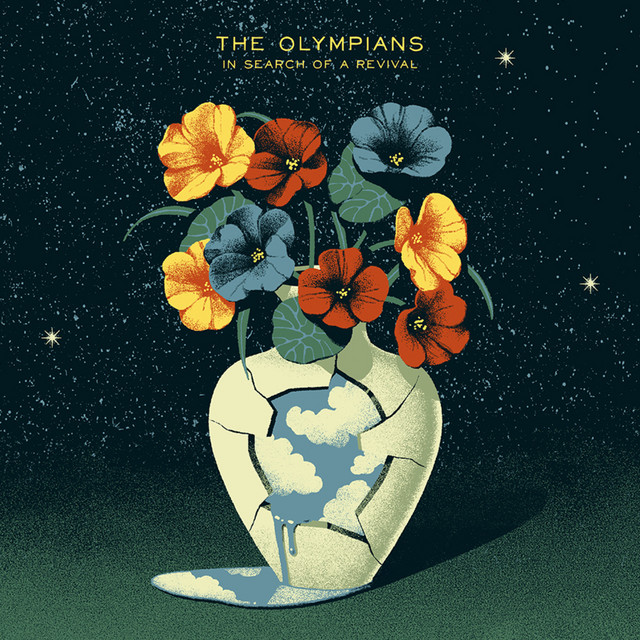
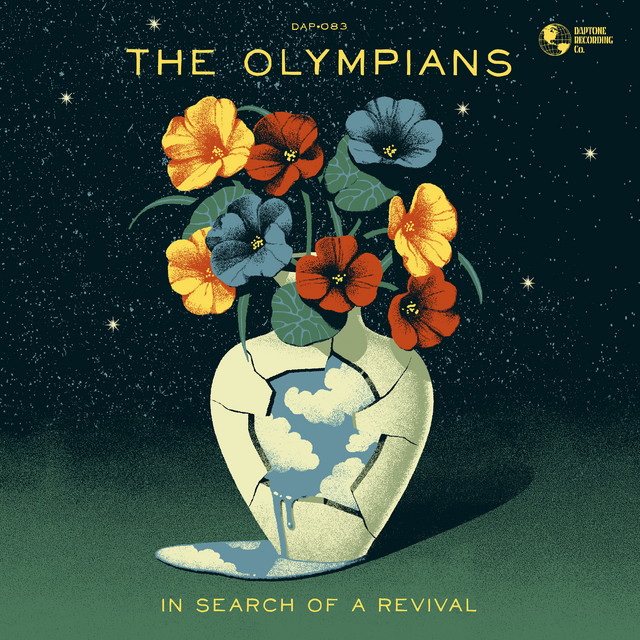
In Search of a Revival Pt. 1 / Strawberry Kiwi
The Olympians
Instrumental Funk
2018
2
/5
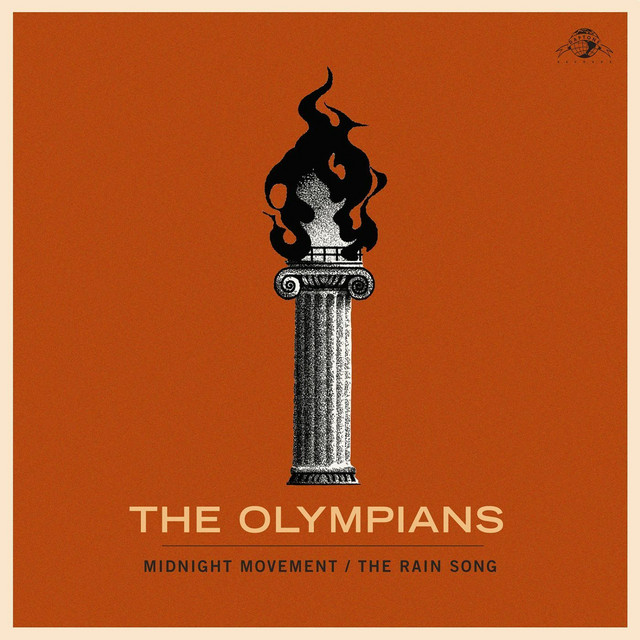
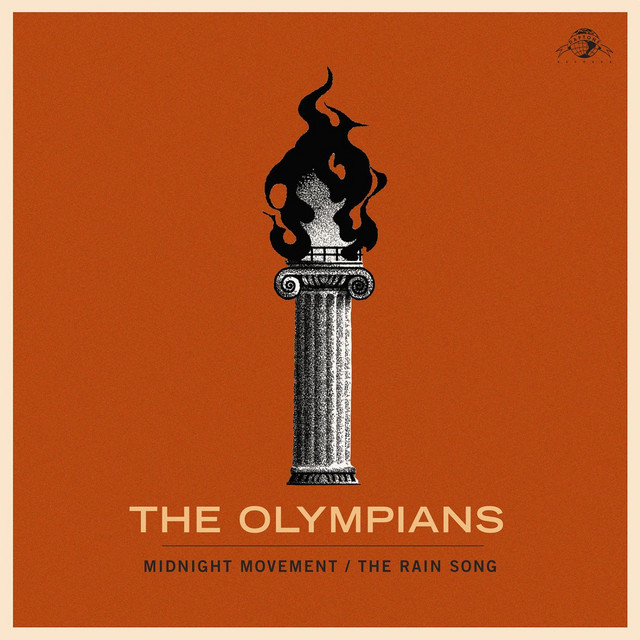
Midnight Movement / The Rain Song
The Olympians
Instrumental Funk
2018
1
/5
Midnight Movement / The Rain Song
The Olympians
Instrumental Funk
2016
3
/5
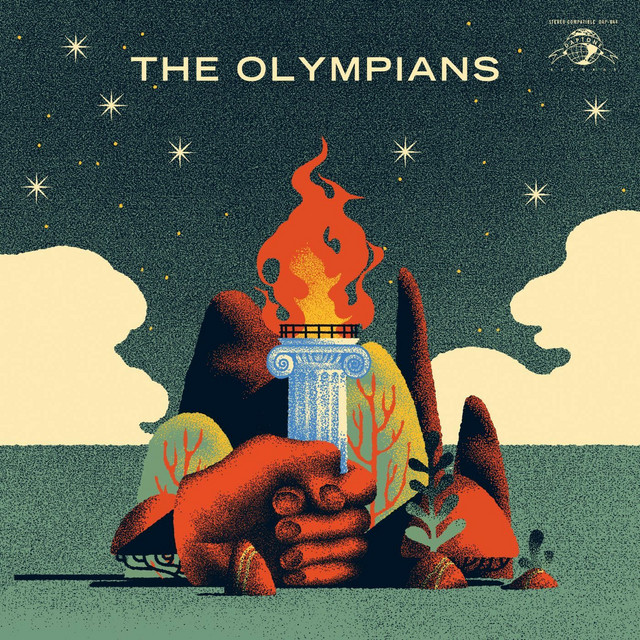
The Olympians
The Olympians
Instrumental Funk
Similar artists
3
/5
Orgone
Afrobeat
Funk
Instrumental Funk
1
/5
Various Artists
Afro-Funk
Alternative Rock
Ambient
3
/5
Menahan Street Band
Instrumental Funk
Brass Band
Retro Soul
3
/5
The Budos Band
Instrumental Funk
Afrobeat
Deep Funk
3
/5
Lettuce
Instrumental Funk
Funk
Funk Rock
3
/5
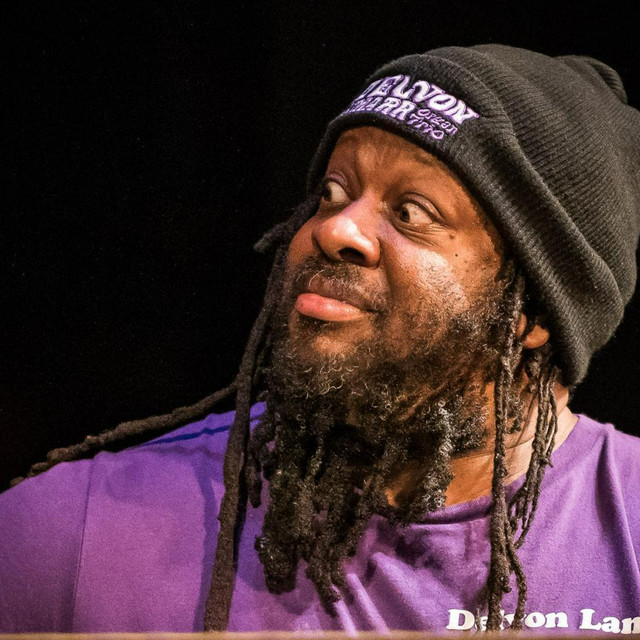
Delvon Lamarr Organ Trio
Funk
Instrumental Funk
Jazz-Funk
3
/5
True Loves
Instrumental Funk
Funk
Jazz-Funk
2
/5
Polyrhythmics
Instrumental Funk
Jazz-Funk
Funk
3
/5
The Fearless Flyers
Funk Rock
Jazz Fusion
Jazz-Funk
3
/5
Charles Bradley
Funk
Soul
Deep Soul
Download our mobile app
Get the Melodigging app and start digging for new genres on the go
Download on the App Store
Get it on Google Play
© 2026 Melodigging
Give feedback
Legal
Melodding was created as a tribute to
Every Noise at Once
, which inspired us to help curious minds keep digging into music's ever-evolving genres.