Genres
Artists
Albums
Make Music
Sign in
Sign in
Artists
Dub Poetry
Artists
Dub Poetry
The Last Poets
1970–2018
·
10 albums
Listen
2
/5
Genres
Slam Poetry
Slam poetry is a performance-centered form of spoken word in which poets deliver original work on stage, often in a competitive setting judged by the audience. Pieces are written to be heard rather than read, emphasizing voice, cadence, pacing, and the emotional arc of a live performance. Originating in Chicago in the mid-1980s, slam poetry draws on open-mic culture, beat-era readings, jazz-inflected recitation, dub poetry’s political urgency, and hip hop’s rhythmic and rhetorical power. Typical slams limit poems to about three minutes, forbid props and costumes, and prize immediacy, clarity, and audience connection. Themes frequently include identity, social justice, intimacy, humor, and personal testimony.
Discover
Listen
Dub Poetry
Dub poetry is a form of performance poetry that merges spoken-word delivery with the bass-heavy, spacious rhythms of reggae and dub. Unlike Jamaican toasting (the DJ "talk-over" tradition), dub poets typically recite crafted, page-ready poems with deliberate meter, imagery, and rhetorical structure, performing them over live bands or pre-recorded "version" tracks sculpted with echo, delay, and reverb. The style is closely tied to Rastafarian consciousness and social commentary, addressing themes such as anti-racism, diaspora identity, working-class struggle, and state violence. Vocals are often delivered in Jamaican patois (or Caribbean English), with strong rhythmic phrasing that locks into one‑drop and steppers grooves while the mix engineer uses dub techniques to frame the voice in space.
Discover
Listen
Spoken Word
Spoken word is a performance-centered genre where text—poems, monologues, stories, or manifestos—is delivered aloud with musicality in voice rather than through singing. It may be entirely a cappella or accompanied by sparse instrumentation (often jazz combos, ambient textures, or minimal electronics) that frames the cadence and rhetoric of the performer. The emphasis is on language: prosody, pacing, imagery, and argument. Pieces often explore personal narratives, social critique, and political themes, drawing on techniques such as internal rhyme, alliteration, and repetition. While recordings exist, the tradition is fundamentally live, prioritizing immediacy, audience engagement, and oratorical presence.
Discover
Listen
Poetry
Poetry (as a recorded genre) centers on the spoken or performed recitation of verse, foregrounding voice, diction, rhythm, and imagery over conventional song structure. Performances may be entirely unaccompanied or framed by sparse accompaniment such as piano, strings, jazz combos, drones, or subtle sound design. Unlike broader spoken word, which can include storytelling, monologues, and comedy, poetry recordings focus on literary verse—metered, rhymed, or free—delivered with attention to prosody and poetic form. Releases range from archival readings by canonical poets to contemporary performance sets recorded in studios, classrooms, libraries, and clubs. The listening experience often emphasizes intimacy and textual clarity: microphones capture breath, cadence, and silence, while arrangements (if any) remain secondary to the poem’s language and pacing.
Discover
Listen
Experimental
Experimental music is an umbrella term for practices that prioritize exploration, process, and discovery over adherence to established genre norms. It embraces new sound sources, nonstandard tuning systems, indeterminacy and chance operations, graphic and open-form scores, extended techniques, and technology-led sound design (tape, electronics, computers, and live processing). Rather than a single style, it is a methodology and ethos: testing hypotheses about sound, structure, and performance, often blurring boundaries between composition, improvisation, sound art, and performance art. Listeners can expect unfamiliar timbres, unusual forms, and an emphasis on how music is made as much as the resulting sound.
Discover
Listen
Jamaican Ska
Jamaican ska is the first wave of ska, a horn-driven, dance-oriented popular music that emerged in Jamaica in the late 1950s and flourished in the early 1960s. It is characterized by a walking bass line, crisp guitar or piano upstrokes on the offbeats (the “skank”), and punchy horn riffs that trade call-and-response lines with the vocals. Rooted in a fusion of Jamaican mento and Caribbean calypso with American rhythm and blues, jump blues, and jazz, Jamaican ska developed in the crucible of Kingston’s sound-system culture. It is energetic, bright, and communal, designed as much for street dances as for the studio, and it laid the rhythmic foundation for rocksteady and reggae that followed.
Discover
Listen
Jazz Poetry
Jazz poetry is a performance-centered form of poetry that draws on the rhythm, phrasing, and improvisational spirit of jazz. It typically features spoken or recited verse delivered with the timing of a jazz soloist, often accompanied by a small ensemble (piano, bass, drums, and horns) or by a minimalist vamp. The language tends to be musical: syncopated, swung, and conversational, with spontaneous variations in tempo, timbre, and dynamics. Themes range from urban life and nightlife to social critique, love, and memory, frequently reflecting African American cultural experience and the club environments where the form developed. While it arose during the Harlem Renaissance, jazz poetry evolved alongside changing jazz idioms—absorbing bebop’s angularity, cool jazz’s restraint, and later, free jazz’s openness—making it a flexible bridge between literature and music.
Discover
Listen
Non-Music
Non-music is an umbrella category for recorded audio whose primary purpose is not musical performance. It encompasses spoken word, speeches, interviews, poetry readings, comedy, audio documentaries, instructional recordings, field recordings, sound effects, and other forms of organized sound meant to inform, narrate, document, or entertain without relying on melody or conventional song structure. Rather than emphasizing harmony, rhythm, and instrumentation, non-music foregrounds voice, text, ambient sound, narrative flow, informational content, and sonic texture. Its aesthetics range from raw, unedited actuality to highly produced studio works, and its scope spans archival preservation, education, performance art, and mass entertainment.
Discover
Listen
Show all 8 genres
Albums
2018
1
/5
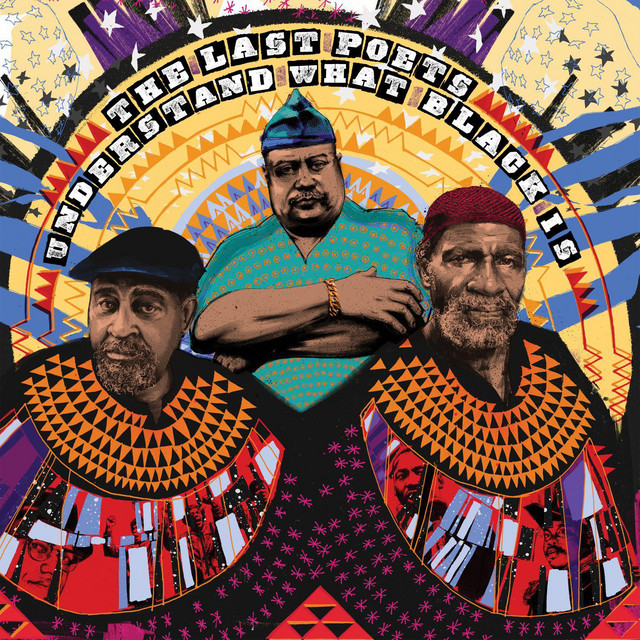
Understand What Black Is
The Last Poets
Dub Poetry
Jamaican Ska
2005
2
/5
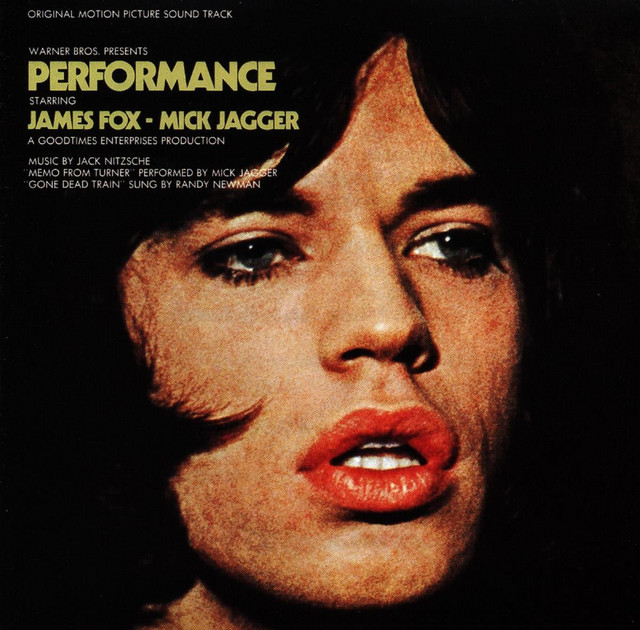
Performance - Original Motion Picture Soundtrack
The Last Poets
Dub Poetry
2001
1
/5
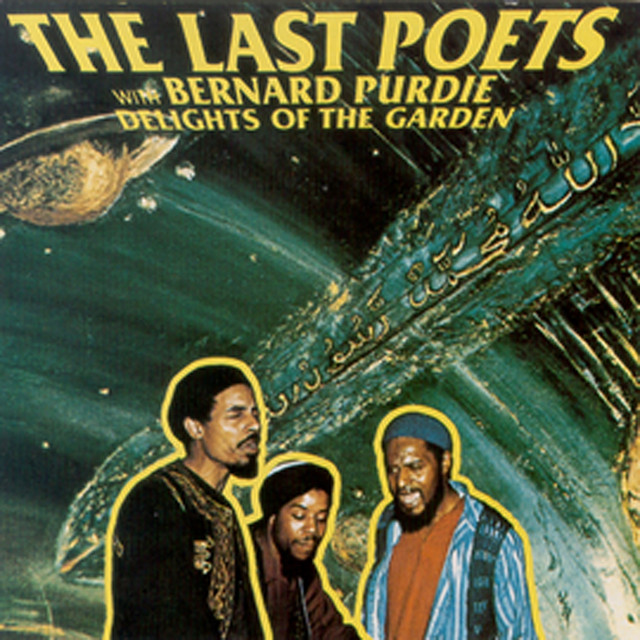
Delights of the Garden
The Last Poets
Dub Poetry
Experimental
Non-Music
2001
1
/5
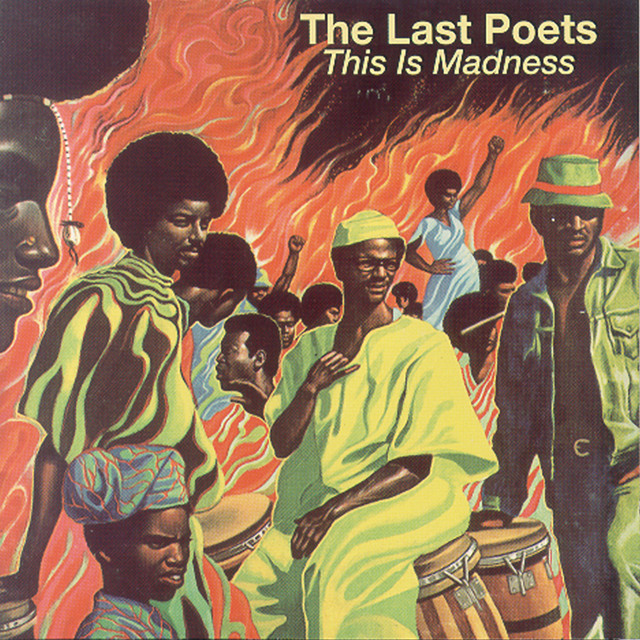
This Is Madness
The Last Poets
Poetry
Dub Poetry
2001
1
/5
Chastisment
The Last Poets
Jazz Poetry
1988
1
/5
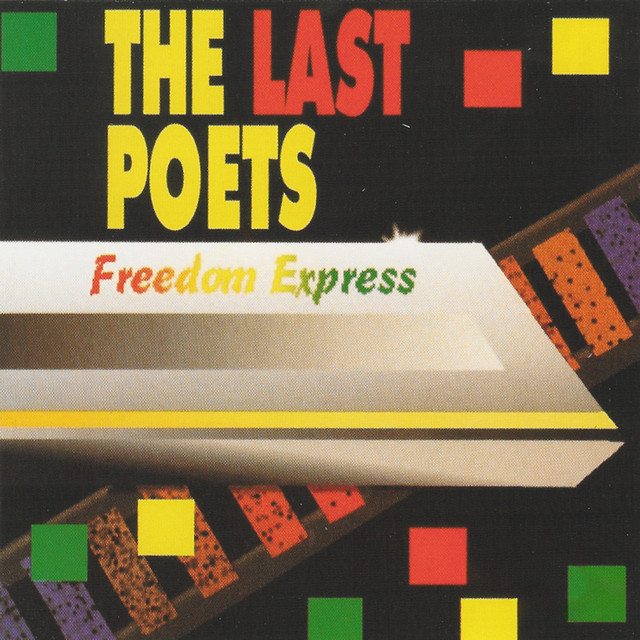
Freedom Express
The Last Poets
Dub Poetry
1972
1
/5
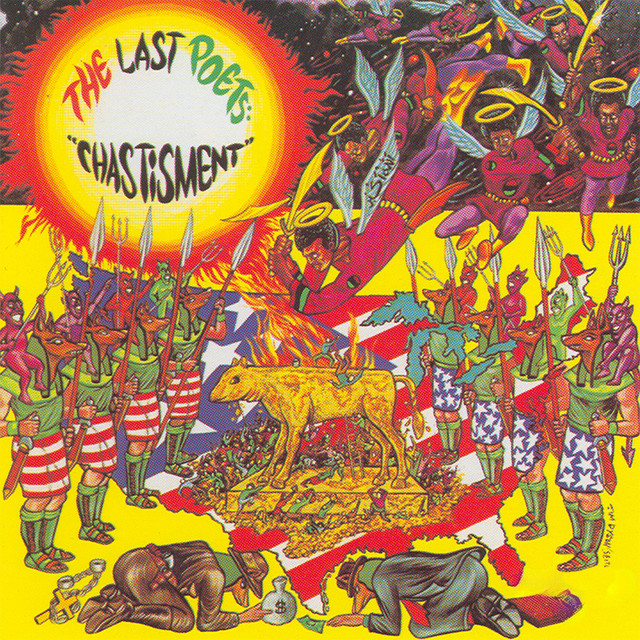
Chastisment
The Last Poets
Dub Poetry
1970
2
/5
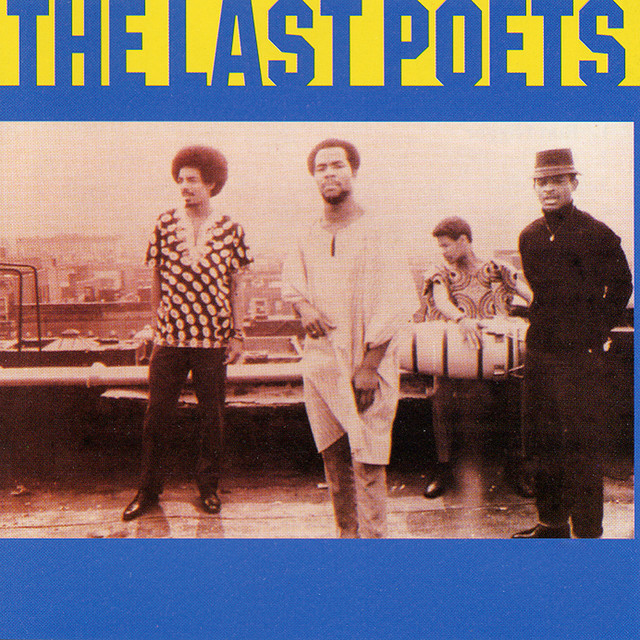
The Last Poets
The Last Poets
Dub Poetry
1970
1
/5
The Last Poets
The Last Poets
Dub Poetry
Poetry
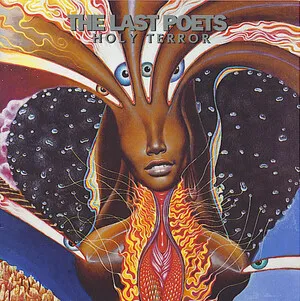
Holy Terror
The Last Poets
Jazz Poetry
Similar artists
3
/5
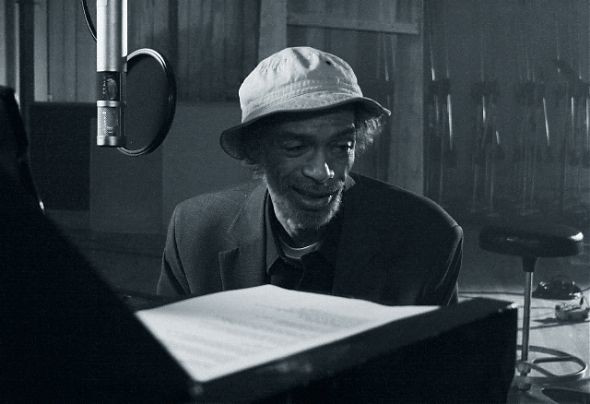
Gil Scott-Heron
Slam Poetry
Spoken Word
Jazz-Funk
2
/5
Linton Kwesi Johnson
Dub Poetry
Reggae
Roots Reggae
1
/5
Irreversible Entanglements
Free Jazz
Spoken Word
Jazz Poetry
1
/5
Poet and The Roots
Dub Poetry
Reggae
Roots Reggae
3
/5
Kae Tempest
Slam Poetry
Spoken Word
Hip Hop
1
/5
William S. Burroughs
Beat Poetry
Spoken Word
Sound Collage
1
/5
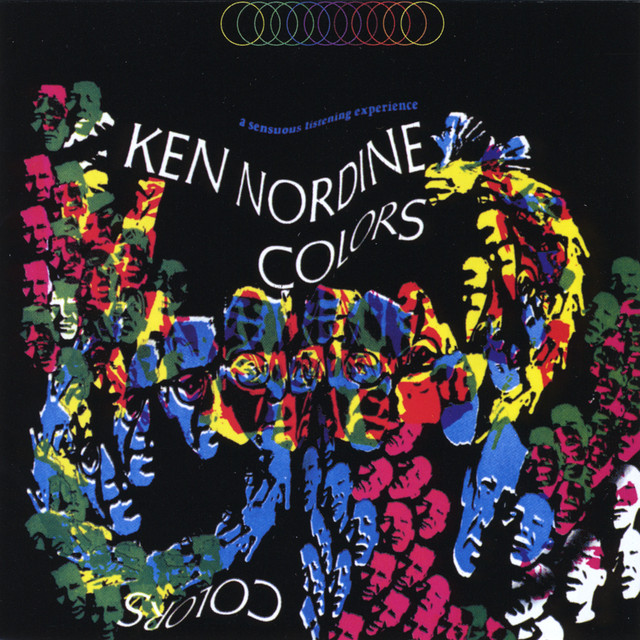
Ken Nordine
Beat Poetry
Exotica
Poetry
2
/5
Anthony Joseph
New London Jazz
Jazz Poetry
Jazz-Funk
1
/5
Jack Kerouac
Beat Poetry
Spoken Word
Jazz Poetry
2
/5
Kyan Khojandi
Non-Music
Poetry
Slam Poetry
Download our mobile app
Get the Melodigging app and start digging for new genres on the go
Download on the App Store
Get it on Google Play
© 2026 Melodigging
Give feedback
Legal
Melodding was created as a tribute to
Every Noise at Once
, which inspired us to help curious minds keep digging into music's ever-evolving genres.