Genres
Artists
Albums
Make Music
Sign in
Sign in
Artists
Dub Poetry
Artists
Dub Poetry
Linton Kwesi Johnson
1978–2021
·
11 albums
Listen
2
/5
Genres
Ragga
Ragga (short for raggamuffin) is a digital-era branch of Jamaican dancehall that foregrounds electronic rhythms, heavy sub‑bass, and rapid‑fire toasting in Jamaican Patois. It typically uses drum machines, sampled or synthesized basslines, and minimal harmonic movement, creating spacious, hard‑hitting “riddims” over which multiple deejays deliver contrasting versions. The style crystallized in the mid‑1980s after the pivotal “Sleng Teng” riddim popularized fully digital production, ushering in a new sound that was simultaneously streetwise, club‑ready, and globally exportable. Lyrically, ragga ranges from party‑starting “slackness” and braggadocio to social commentary, and its vocal delivery combines singing, chanting, and MC‑style flows.
Discover
Listen
Dub Poetry
Dub poetry is a form of performance poetry that merges spoken-word delivery with the bass-heavy, spacious rhythms of reggae and dub. Unlike Jamaican toasting (the DJ "talk-over" tradition), dub poets typically recite crafted, page-ready poems with deliberate meter, imagery, and rhetorical structure, performing them over live bands or pre-recorded "version" tracks sculpted with echo, delay, and reverb. The style is closely tied to Rastafarian consciousness and social commentary, addressing themes such as anti-racism, diaspora identity, working-class struggle, and state violence. Vocals are often delivered in Jamaican patois (or Caribbean English), with strong rhythmic phrasing that locks into one‑drop and steppers grooves while the mix engineer uses dub techniques to frame the voice in space.
Discover
Listen
Roots Reggae
Roots reggae is a spiritually and socially conscious strand of reggae that emerged in Jamaica in the early to mid-1970s. It emphasizes Rasta themes, African identity, resistance to oppression, and everyday struggles, delivered through soulful vocals and storytelling lyrics. Musically, it features the one‑drop drum pattern, heavy melodic basslines, offbeat "skank" guitar/piano, warm Hammond/organ bubbles, and spacious, dub-influenced production. Tempos are moderate and rolling, the grooves are hypnotic, and the arrangements leave space for call‑and‑response, harmony vocals, and horn counter‑melodies.
Discover
Listen
Dub
Dub is a studio-born offshoot of reggae that uses the mixing desk as a performance instrument. Producers strip songs down to their rhythmic core—drums and bass—and then rebuild them in real time with radical mutes, echoes, reverbs, and filters. Typically created from the B-sides (“versions”) of reggae singles, dub foregrounds spacious low-end, one-drop or steppers drum patterns, and fragmented vocal or instrumental phrases that drift in and out like ghostly textures. Spring reverb, tape echo, and feedback are not just effects but compositional tools, turning the studio into an instrument of improvisation. The result is bass-heavy, spacious, and hypnotic music that emphasizes negative space and textural transformation, laying the foundation for countless electronic and bass music styles.
Discover
Listen
Reggae
Reggae is a popular music genre from Jamaica characterized by a laid-back, syncopated groove, prominent bass lines, and steady offbeat “skank” guitar or keyboard chords. The rhythmic core often emphasizes the third beat in a bar (the “one drop”), creating a spacious, rolling feel that foregrounds bass and drums. Typical instrumentation includes drum kit, electric bass, rhythm and lead guitars, keyboards/organ (notably the Hammond and the percussive "bubble"), and often horn sections. Tempos generally sit around 70–80 BPM (or 140–160 BPM felt in half-time), allowing vocals to breathe and messages to be clearly delivered. Lyrically, reggae ranges from love songs and everyday storytelling to incisive social commentary, resistance, and spirituality, with Rastafarian culture and language (e.g., “I and I”) playing a central role in many classic recordings. Studio production techniques—spring reverbs, tape delays, and creative mixing—became signature elements, especially through dub versions that strip down and reimagine tracks.
Discover
Listen
Rocksteady
Rocksteady is a Jamaican popular music style that emerged in the mid‑1960s as a slowed‑down, more soulful successor to ska and the direct precursor to reggae. It retains ska’s off‑beat guitar/piano "skank" but lowers the tempo, brings the bass to the foreground, and favors expressive vocal harmonies. Typically recorded by small studio bands with guitar, electric bass, drums, piano/organ, and occasional horns, rocksteady emphasizes melodic, inventive basslines, tight rhythm guitar, rimshot/side‑stick drums, and sparse horn figures. Lyrically it ranges from tender love songs and yearning ballads to rude‑boy narratives and social commentary. Its concise arrangements and groove‑driven feel make it both danceable and emotionally resonant.
Discover
Listen
Psychedelic Soul
Psychedelic soul blends the grit and gospel-rooted emotion of soul and rhythm & blues with the studio experimentation and mind-bending textures of late-1960s psychedelic rock. Expect fuzzed-out or wah-wah guitars, extended vamping grooves, bold bass lines, swirling organs and electric pianos, phased drums, and liberal use of tape delay, reverb, and stereo panning. Lyrically it ranges from utopian idealism and cosmic imagery to socially conscious reflections on race, war, and urban life. The result is a sound that’s both danceable and hallucinatory: groove-first soul shot through with acid-rock color and studio-as-instrument creativity.
Discover
Listen
Poetry
Poetry (as a recorded genre) centers on the spoken or performed recitation of verse, foregrounding voice, diction, rhythm, and imagery over conventional song structure. Performances may be entirely unaccompanied or framed by sparse accompaniment such as piano, strings, jazz combos, drones, or subtle sound design. Unlike broader spoken word, which can include storytelling, monologues, and comedy, poetry recordings focus on literary verse—metered, rhymed, or free—delivered with attention to prosody and poetic form. Releases range from archival readings by canonical poets to contemporary performance sets recorded in studios, classrooms, libraries, and clubs. The listening experience often emphasizes intimacy and textual clarity: microphones capture breath, cadence, and silence, while arrangements (if any) remain secondary to the poem’s language and pacing.
Discover
Listen
Spoken Word
Spoken word is a performance-centered genre where text—poems, monologues, stories, or manifestos—is delivered aloud with musicality in voice rather than through singing. It may be entirely a cappella or accompanied by sparse instrumentation (often jazz combos, ambient textures, or minimal electronics) that frames the cadence and rhetoric of the performer. The emphasis is on language: prosody, pacing, imagery, and argument. Pieces often explore personal narratives, social critique, and political themes, drawing on techniques such as internal rhyme, alliteration, and repetition. While recordings exist, the tradition is fundamentally live, prioritizing immediacy, audience engagement, and oratorical presence.
Discover
Listen
Jamaican Music
Jamaican music refers to the island’s rich continuum of popular and folk styles—from mento and ska to rocksteady, reggae, dub, and dancehall—unified by off‑beat rhythms, bass‑forward production, and a vibrant sound‑system culture. Its signature feel comes from syncopated guitar or keyboard “skank” upstrokes, deep melodic bass lines, and drum patterns like the one‑drop, rockers, and steppers. Producers pioneered studio-as-instrument techniques (spring reverb, tape delay, high‑pass filtering, and creative drop‑outs) that transformed the global language of recording. Lyrically and culturally, Jamaican music channels everyday life, romance, spirituality (including Rastafari), and social commentary. Delivered in Jamaican Patois or English, vocals range from soulful crooning to DJ “toasting,” the proto‑rap practice that helped shape hip‑hop and modern MC culture.
Discover
Listen
Show all 10 genres
Albums
2021
2
/5
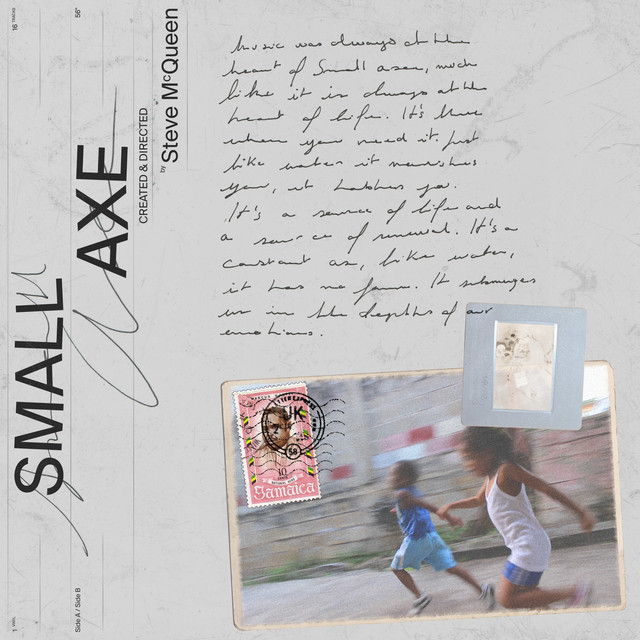
Small Axe (Music Inspired By The Original TV Series)
Linton Kwesi Johnson
Dub Poetry
Psychedelic Soul
1985
2
/5
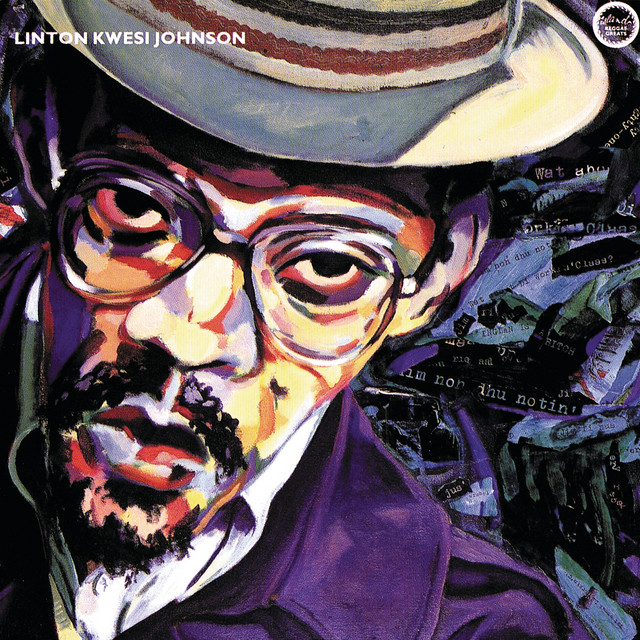
Reggae Greats (Reissue)
Linton Kwesi Johnson
Dub Poetry
1980
2
/5
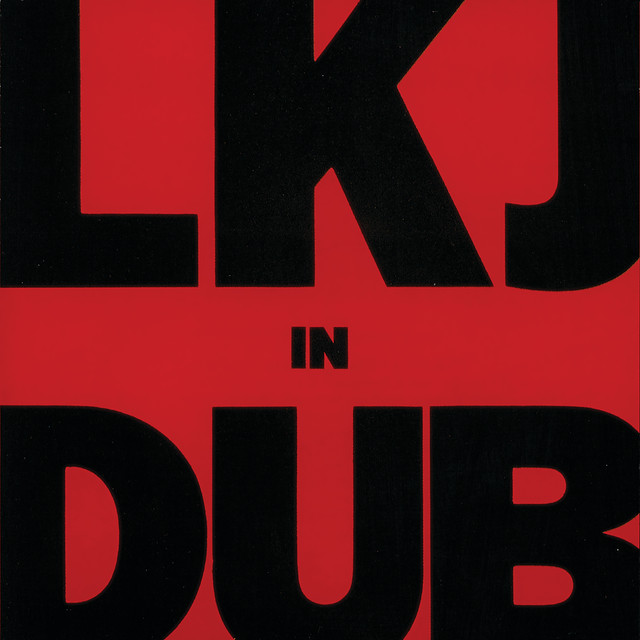
LKJ In Dub
Linton Kwesi Johnson
Dub Poetry
1980
3
/5
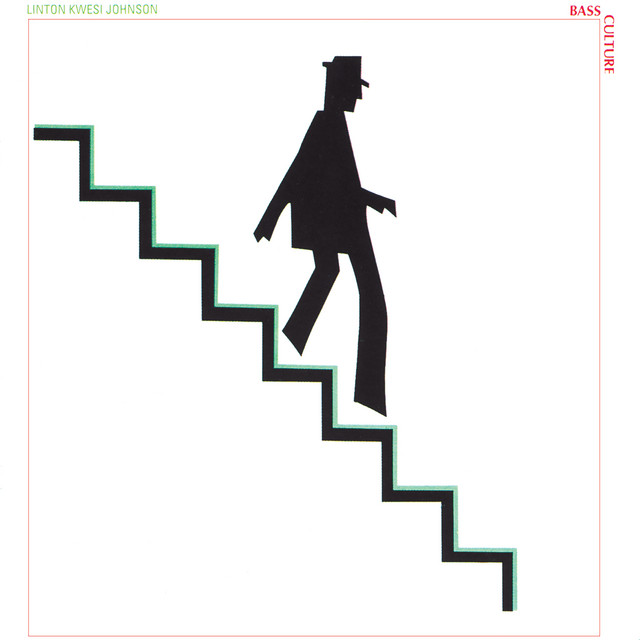
Bass Culture
Linton Kwesi Johnson
Dub Poetry
Poetry
Spoken Word
1979
3
/5
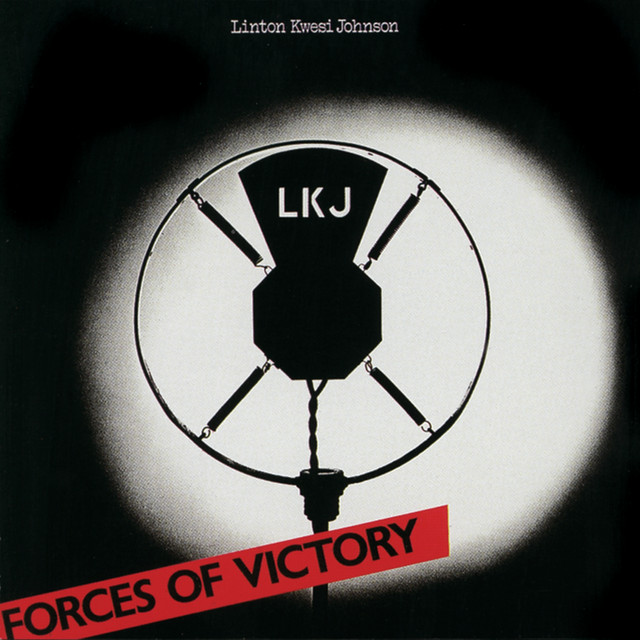
Forces of Victory
Linton Kwesi Johnson
Dub Poetry
Poetry
Spoken Word
1978
2
/5
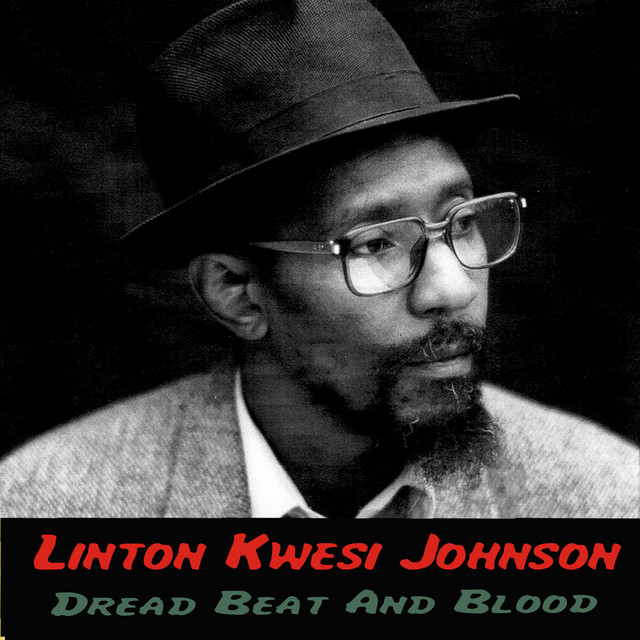
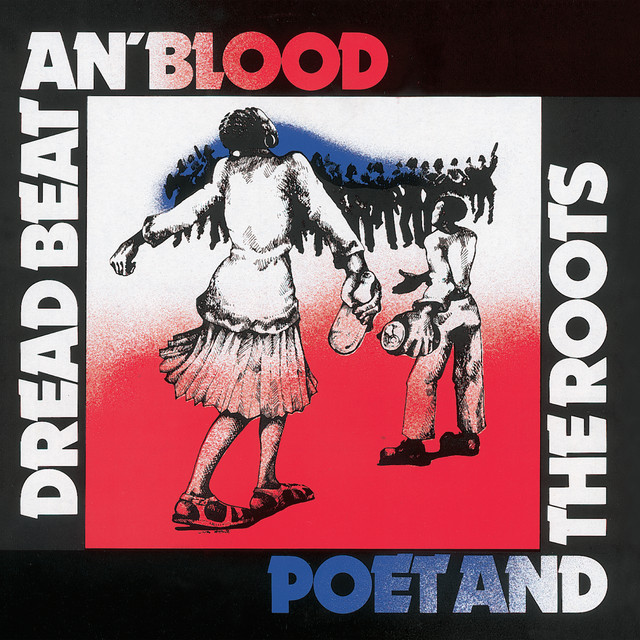
Dread Beat And Blood
Linton Kwesi Johnson
Dub Poetry
Making History
Linton Kwesi Johnson
Poetry
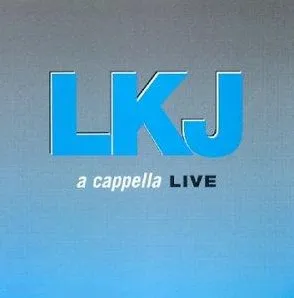
LKJ A Cappella Live
Linton Kwesi Johnson
Dub Poetry
Tings an' Times
Linton Kwesi Johnson
Dub Poetry
Making History
Linton Kwesi Johnson
Dub Poetry
Making History
Linton Kwesi Johnson
Spoken Word
Similar artists
1
/5
Poet and The Roots
Dub Poetry
Reggae
Roots Reggae
2
/5
Prince Far I
Dub Poetry
Reggae
Dub
2
/5
Mutabaruka
Dub Poetry
Reggae
Dub
3
/5
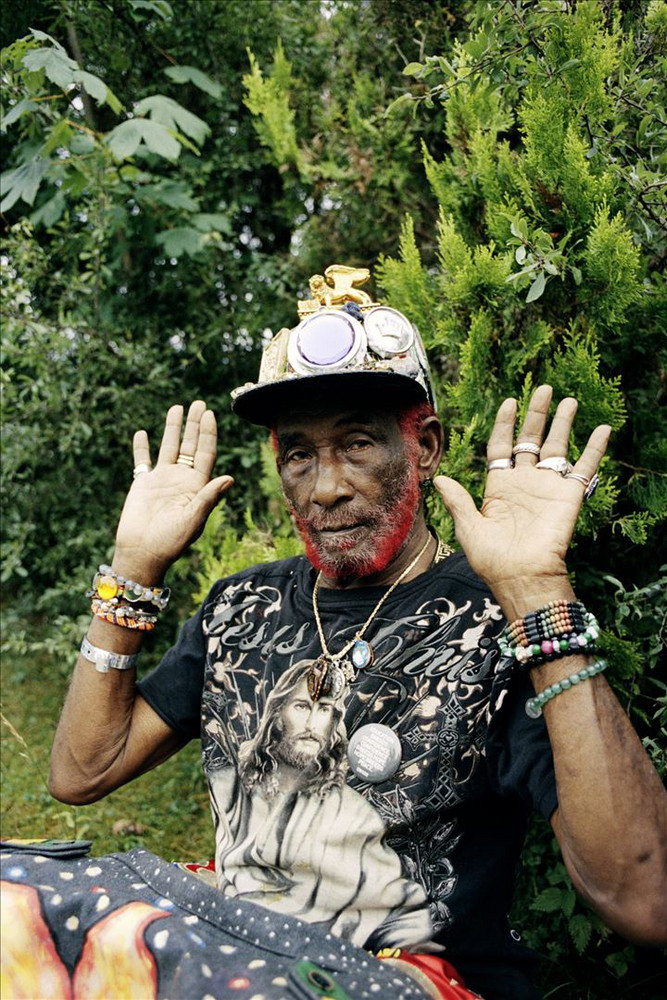
Lee "Scratch" Perry
Dub
Reggae
Rocksteady
3
/5
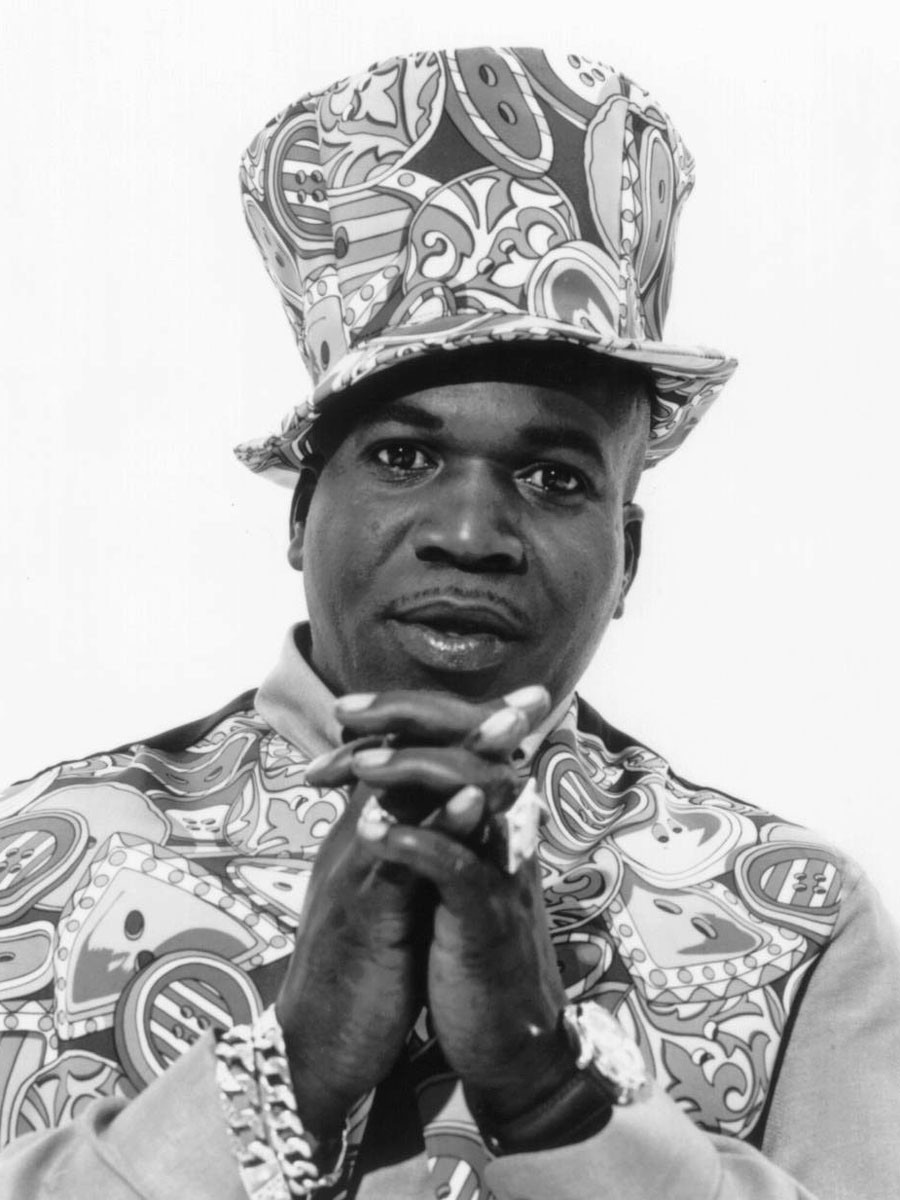
Barrington Levy
Dancehall
Reggae
Roots Reggae
2
/5
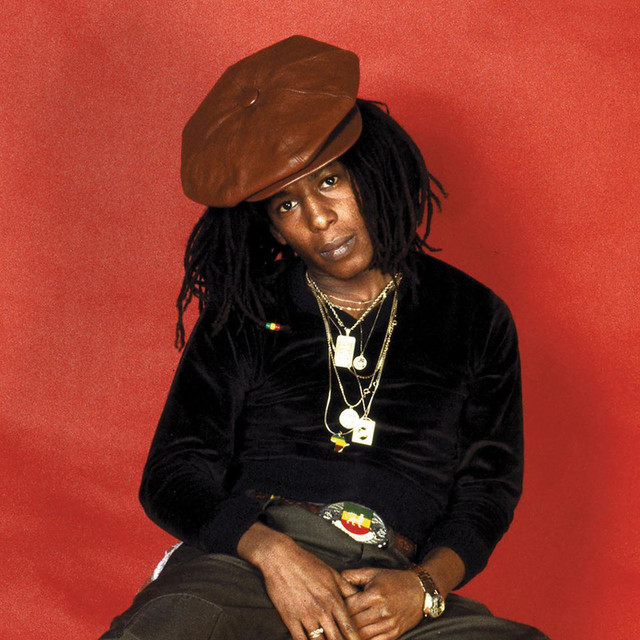
Hugh Mundell
Reggae
Roots Reggae
Dub
3
/5
Augustus Pablo
Dub
Reggae
Roots Reggae
2
/5
Keith Hudson
Reggae
Dub
Roots Reggae
4
/5
Horace Andy
Dub
Lovers Rock
Reggae
3
/5
The Congos
Dub
Reggae
Roots Reggae
Download our mobile app
Get the Melodigging app and start digging for new genres on the go
Download on the App Store
Get it on Google Play
© 2026 Melodigging
Give feedback
Legal
Melodding was created as a tribute to
Every Noise at Once
, which inspired us to help curious minds keep digging into music's ever-evolving genres.